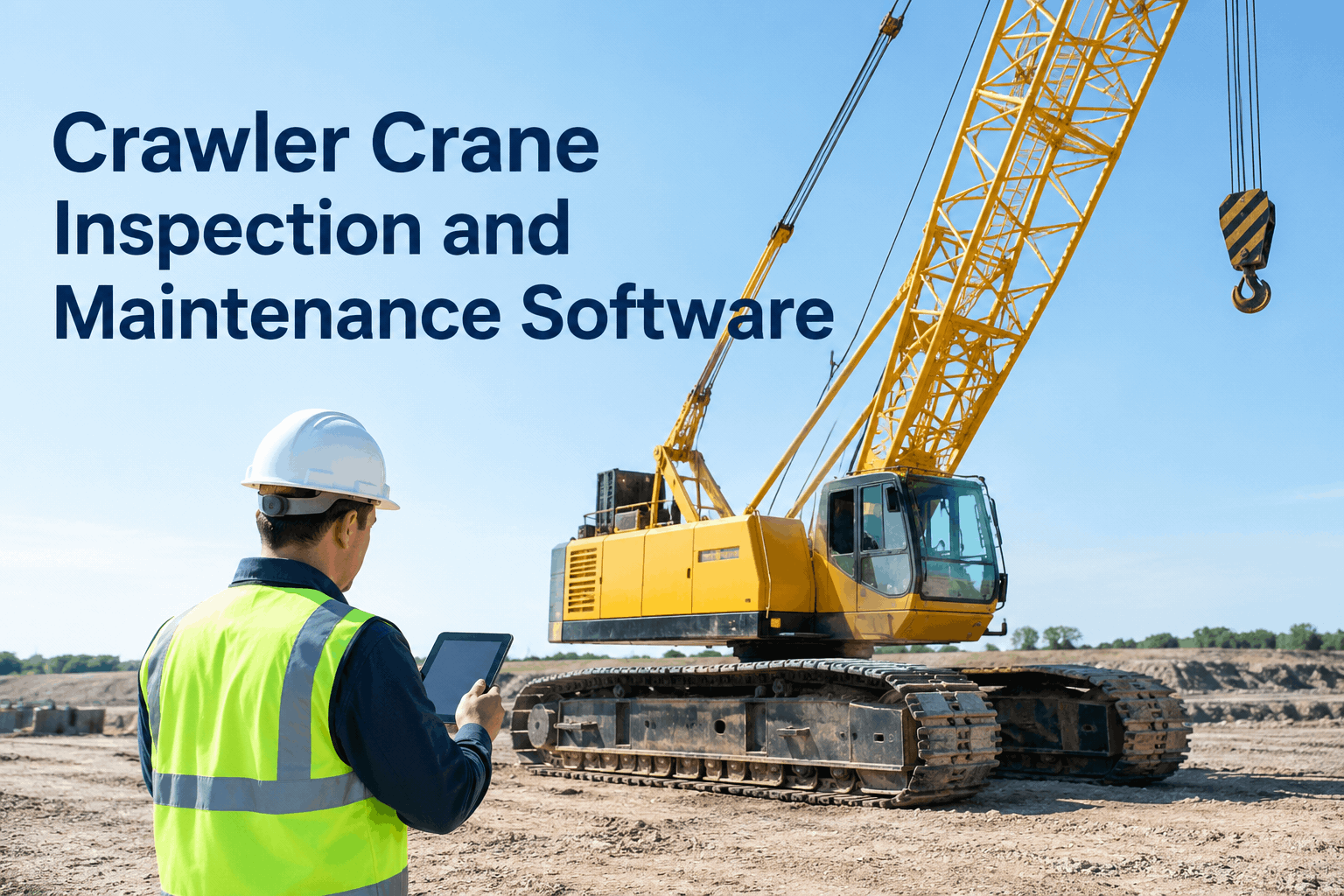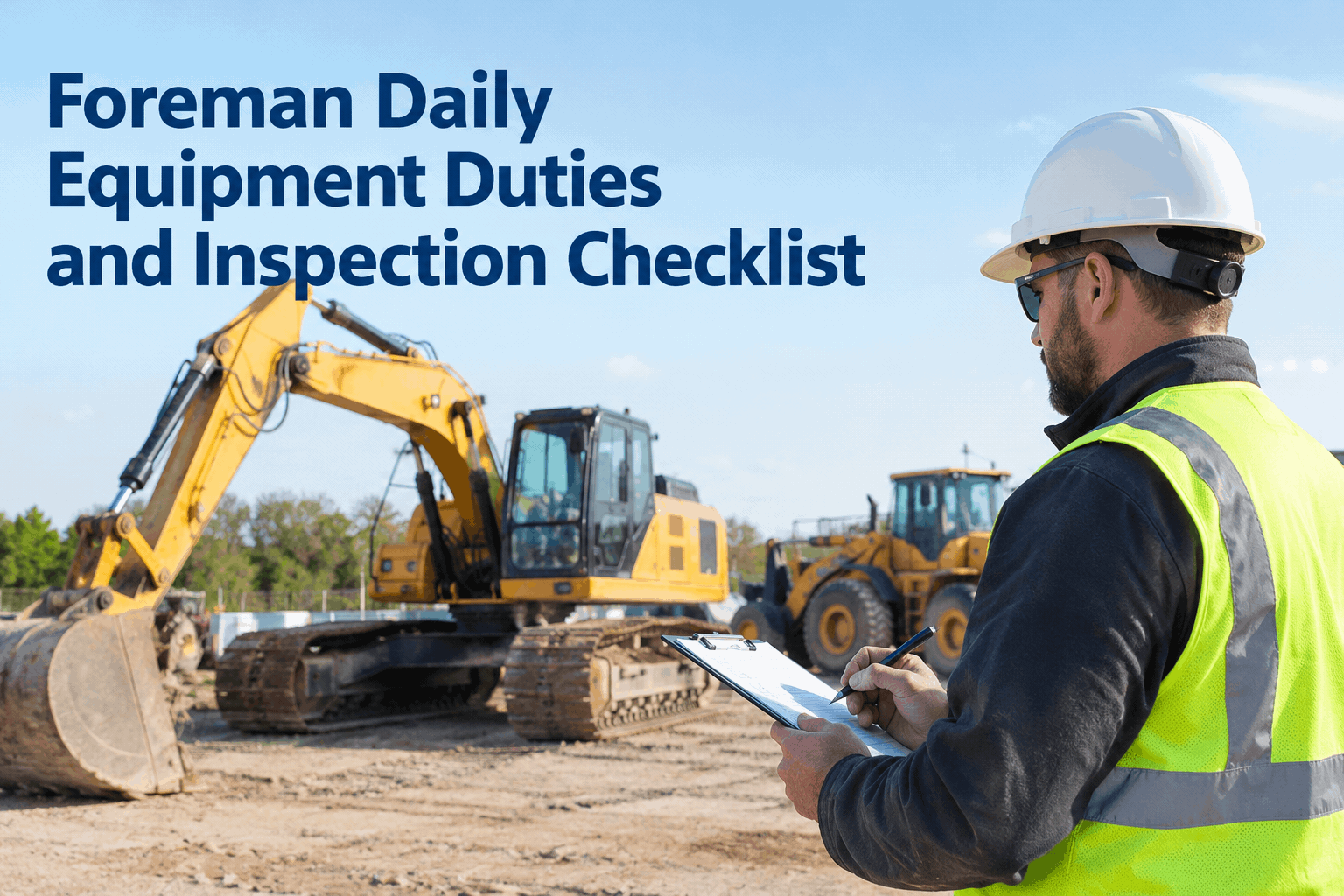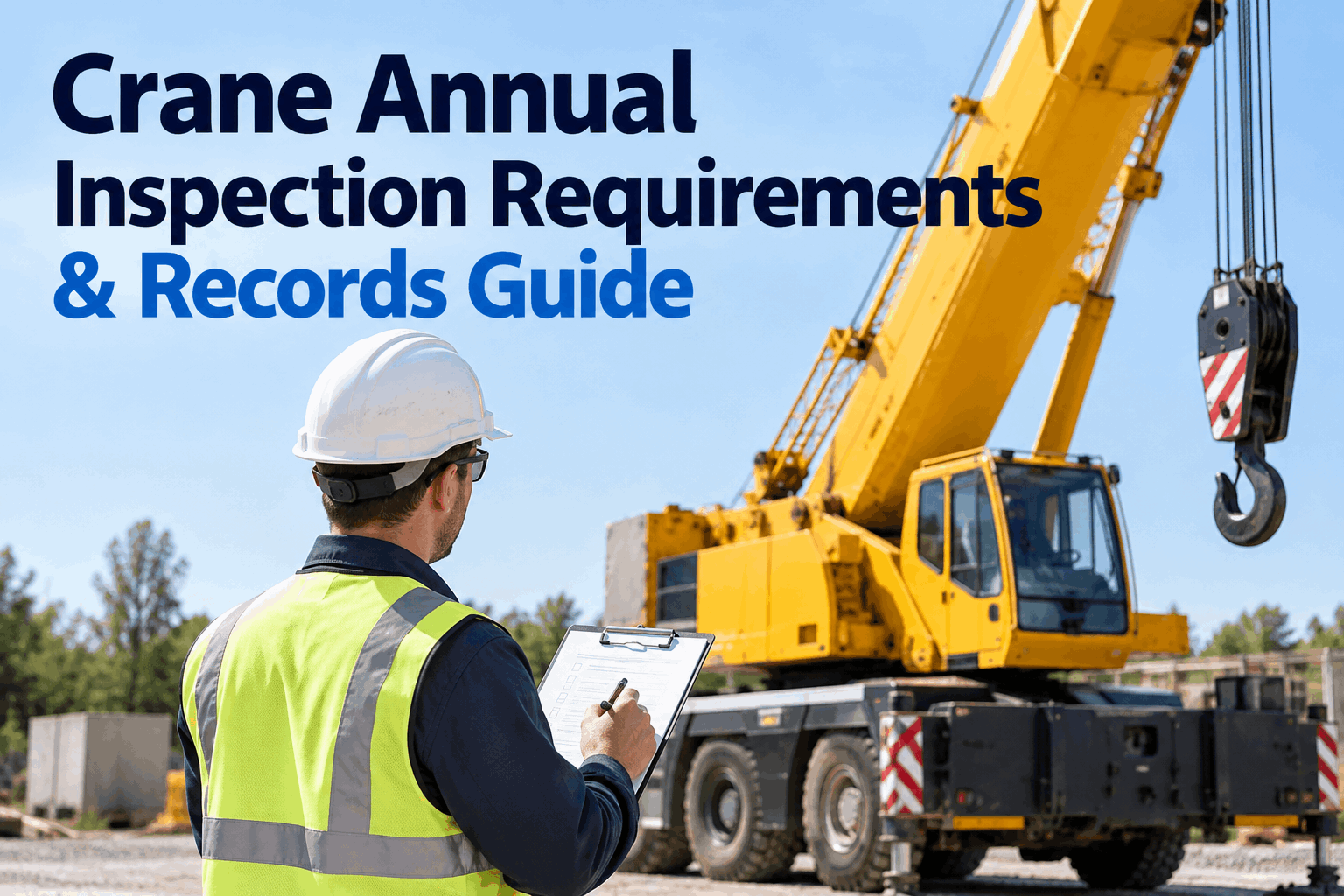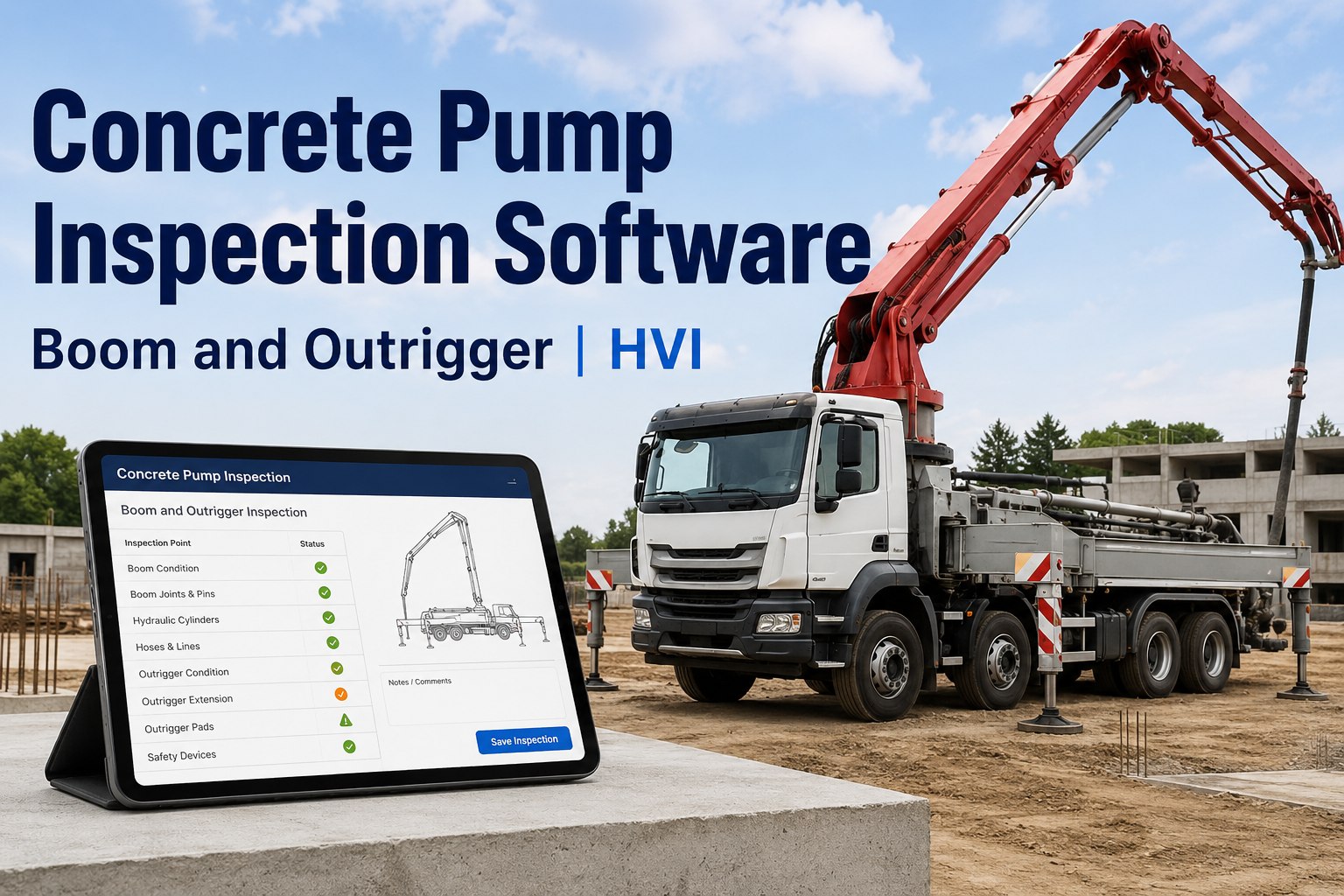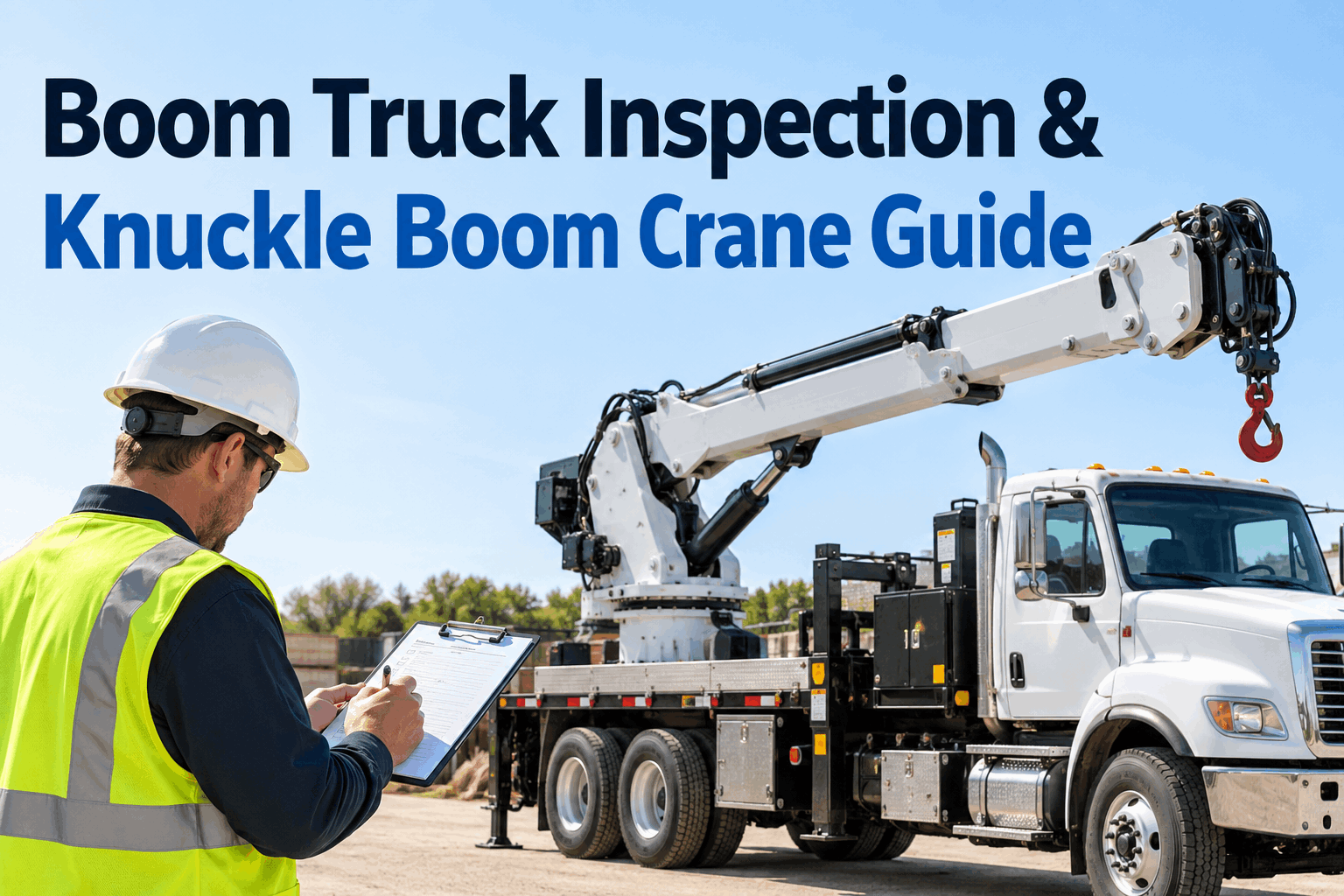
A boom truck inspection is the difference between a knuckle boom crane that lifts all day and one that drops a load — or folds a jib — with people underneath. On a truck-mounted crane, the hydraulics, the knuckle joints, the outriggers and the wire rope all take a beating every lift, and a missed daily check is how a small defect becomes a dropped load. Here's what a thorough boom truck inspection covers, and how to run it digitally — or book a demo.
Every lift runs through the parts a daily check protects.
A knuckle boom crane is hydraulics, pins and wire rope under heavy, repeated load. The pre-use inspection is what catches the weep, the worn pin or the frayed rope before it becomes an incident — and the record is what proves you did.
One honest point up front: a digital boom truck inspection doesn't replace the periodic, comprehensive crane inspection a qualified person signs off — the annual structural, load and hydraulic assessment required under OSHA and ASME still has to be done by someone competent to do it. What HVI replaces is the paper behind the frequent work: the daily pre-use check, the monthly documented inspection, the maintenance and defect records, and the proof that all of it happened on time. It runs the same way across your fleet inspection program. Book a demo to see it on a crane fleet.
What a boom truck inspection coversthe systems a truck-mounted crane inspection checks every day
A knuckle boom crane fails at its hardest-working parts. A real inspection walks the whole machine — six systems where a defect turns into a dropped or swinging load.
Hydraulic system
Cylinders, hoses, pump and reservoir checked for leaks, weeps, pressure and fluid level — the system that holds the load up.
Boom & knuckle joints
Pins, bushings and pivot points inspected for wear and play, and the boom sections for cracks, dents or distortion at the articulation points.
Outriggers & stabilizers
Legs, pads and cylinders checked for full deployment, drift and firm ground bearing — the base that keeps the crane from tipping.
Wire rope, hook & sheaves
Rope for broken wires, kinks and corrosion; hook for cracks, throat opening and a working latch; sheaves for wear and alignment.
Controls & safety devices
Load chart on board, load-moment indicator and anti-two-block working, limit switches, horn and emergency stop all functional.
Chassis & DVIR
The truck under the crane — brakes, tyres, lights, steering and PTO — on a standard pre-trip DVIR, because it still has to drive there.
The boom truck inspection checklist covers each of these line by line. Book a demo to run it on a phone.
Daily, frequent, periodic: the inspection tiersthe crane inspection requirements, and which ones HVI handles
Crane inspection isn't one event — regulations layer three tiers, each with a different owner and interval. Knowing which is which keeps you compliant without doubling up.
The operator's visual and functional check before lifting — leaks, controls, rope, outriggers, safety devices.
HVI runs thisA documented inspection at set intervals, with records kept — wear items, functions and defects tracked over time.
HVI runs thisA comprehensive structural, load and hydraulic inspection by a qualified person, as OSHA and ASME require.
Qualified person · HVI stores the recordHVI owns the first two tiers and files the proof of the third — so the whole inspection history sits in one place. Start a free trial to set up the tiers.
From flagged defect to fixedwhy defect tracking is the point of a digital boom truck inspection
Catching a defect is only half the job — closing it out is the rest. A digital inspection turns a flagged item into a tracked repair instead of a note that gets lost.
- 1
Inspect
Operator runs the pre-use check on a phone and finds a hydraulic weep.
- 2
Flag
The defect is logged with a photo and a severity — the crane tagged out if it's critical.
- 3
Work order
A repair order fires to maintenance automatically, with the photo and detail attached.
- 4
Fixed & logged
The fix is recorded against the crane — a closed loop and a clean audit trail.
That closed loop is what an auditor and an insurer want to see — not just that you looked, but that you acted. Book a demo of defect tracking.
Where HVI fits a crane inspection programthe features behind digital boom truck inspection
HVI covers the frequent, repeatable work and keeps every record together. Five features carry it.
Fleet inspection / DVIR
Pre-use crane and chassis checks completed on a phone, signed and time-stamped before the first lift.
Digital inspection checklists
Build the boom truck and knuckle boom checklist to the maker's manual — the same steps, every operator, every shift.
Preventive maintenance
Schedule hydraulic service, rope and pin checks by hours or calendar so wear items are caught before they fail.
Equipment maintenance records
Every inspection, service and certified report kept per crane — the full history in one lookup for an audit.
Defect tracking
Flagged items become tracked repairs with photos — tag-out to fix to sign-off, nothing lost between.
It's the same preventive maintenance and maintenance management backbone HVI runs across heavy fleets. Start a free trial to build your crane checklist.
From a crane fleet manager
Paper pre-use sheets were a formality — ticked in the cab, filed in a drawer, never read until something went wrong. The problem was never the annual inspection; it was the daily stuff falling through. A hydraulic weep flagged on Monday that nobody actioned until it let go on Thursday. We moved the pre-use check to an app that fires a work order the second a defect is logged, so it can't just sit. The annual still gets done by our inspector — but now the day-to-day actually closes out, and I can show it.
Boom truck inspection — FAQs
What does a boom truck inspection include?
A thorough boom truck inspection covers the hydraulic system (cylinders, hoses, pump, fluid and leaks), the boom and knuckle joints (pins, bushings, wear and cracks at the articulation points), the outriggers and stabilizers, the wire rope, hook and sheaves, the controls and safety devices (load chart, load-moment indicator, anti-two-block, limit switches and emergency stop), and the truck chassis itself on a standard DVIR. The operator runs a pre-use version of this before every shift, with documented inspections at longer intervals.
Does HVI replace the certified annual crane inspection?
No. The periodic, comprehensive crane inspection — the annual structural, load and hydraulic assessment required under OSHA and ASME — must be carried out and signed off by a qualified person competent to do it. HVI doesn't perform that inspection or certify the crane. What HVI does is run and record the frequent work around it: the daily pre-use checks, the monthly documented inspections, preventive maintenance, and defect tracking — and store the certified report so the full history lives in one place.
How often should a knuckle boom crane be inspected?
Inspection runs in tiers. A pre-use check is done by the operator before each shift or use. A frequent, documented inspection is carried out at shorter intervals — commonly monthly — with records kept. A periodic, comprehensive inspection by a qualified person is required at least annually, and more often for heavily used or severe-service cranes. Cranes that have been modified, repaired or involved in an incident need inspection before returning to service. Always follow the manufacturer's manual and the applicable OSHA and ASME requirements for your region.
What are the most common boom truck defects?
The recurring ones are hydraulic leaks and low pressure, worn or loose boom and knuckle pins, wire rope damage (broken wires, kinks, corrosion), hook deformation or a failed latch, outriggers that drift or won't bear, and faulty safety devices like a non-working anti-two-block or load-moment indicator. Most start small and show up on a careful pre-use check well before they cause a dropped or swinging load — which is exactly why the daily inspection and fast defect follow-up matter.
Why run boom truck inspections digitally instead of on paper?
Paper checks get ticked and filed but rarely acted on, and a flagged defect can sit until it fails. A digital inspection enforces the same steps for every operator, captures photos, and — crucially — turns a flagged defect into a tracked work order automatically, so it can't be forgotten. It also keeps a complete, signed inspection and maintenance history per crane, which turns an audit or insurance review into a quick lookup instead of a search through drawers.
Make every boom truck inspection count
Keep the certified inspection with your qualified person — and put the daily checks, the monthly inspections, the maintenance and the defect follow-up on one system. A boom truck inspection then isn't a ticked box; it's a closed loop you can prove.
Pre-use · frequent · certified-report storage — all in one history