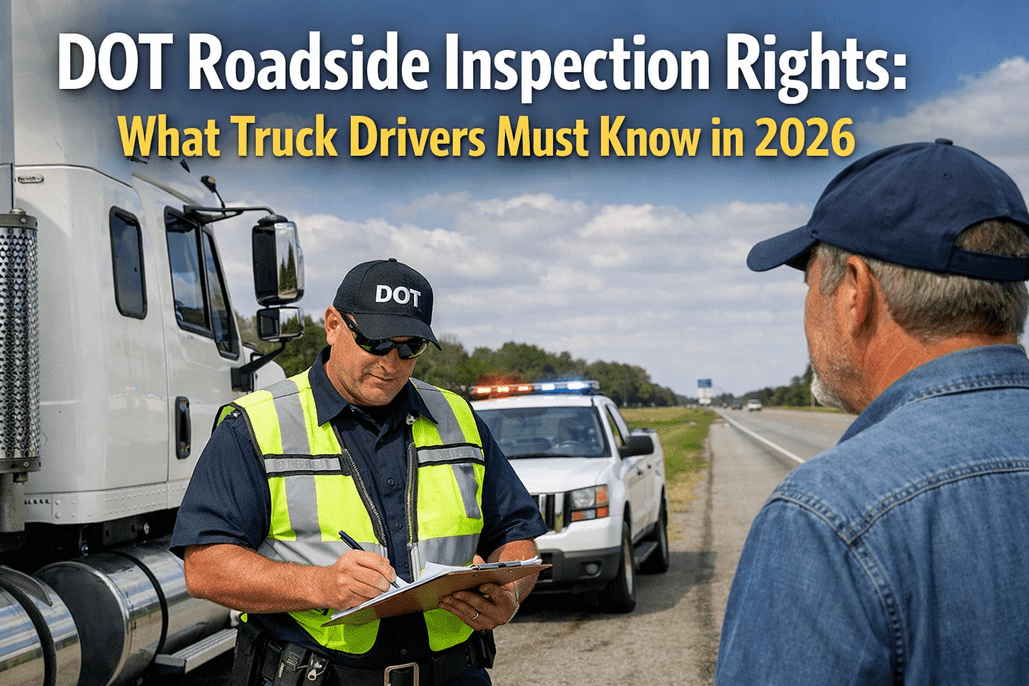
Have you ever wondered about your rights during a Department of Transportation (DOT) pull-over? Whether you're a commercial driver or operating a personal vehicle, understanding the ins and outs of DOT inspections can save you time, stress, and potentially costly violations. This guide covers whether DOT can stop you, who DOT officers are and what they can do, what to expect during a stop, your rights, best practices, and the questions drivers ask most. Keep your fleet inspection-ready with HVI or schedule a 30-minute walkthrough with our team to minimize pull-over risks.
DOT pull-overs are stressful — but knowing your rights and staying inspection-ready turns compliance into an advantage.
HVI keeps driver logs, inspection records, and compliance documents instantly accessible, alerts you before licenses and inspections expire, and tracks CSA scores across your fleet — so you're never caught off guard at the roadside.
Can DOT pull you over for no reason?
One of the most common questions drivers ask is, "Can DOT pull you over for no reason?" The short answer is no. DOT officers, like other law enforcement officers, need probable cause or reasonable suspicion to initiate a stop. However, the definition of "probable cause" can be quite broad when it comes to commercial vehicles.
For commercial vehicles
- Visible safety defects
- Suspicious driving behavior
- Random inspections at weigh stations
For personal vehicles
- DOT officers typically don't pull over non-commercial vehicles unless they have clear evidence of a safety violation that poses an immediate risk
Avoid DOT violations before they happen — track compliance, manage inspections, and stay ahead of regulations. sign up for a free HVI account to keep your fleet inspection-ready, or book a live demo to see compliance tracking in action.
Who are DOT officers and what can they do?
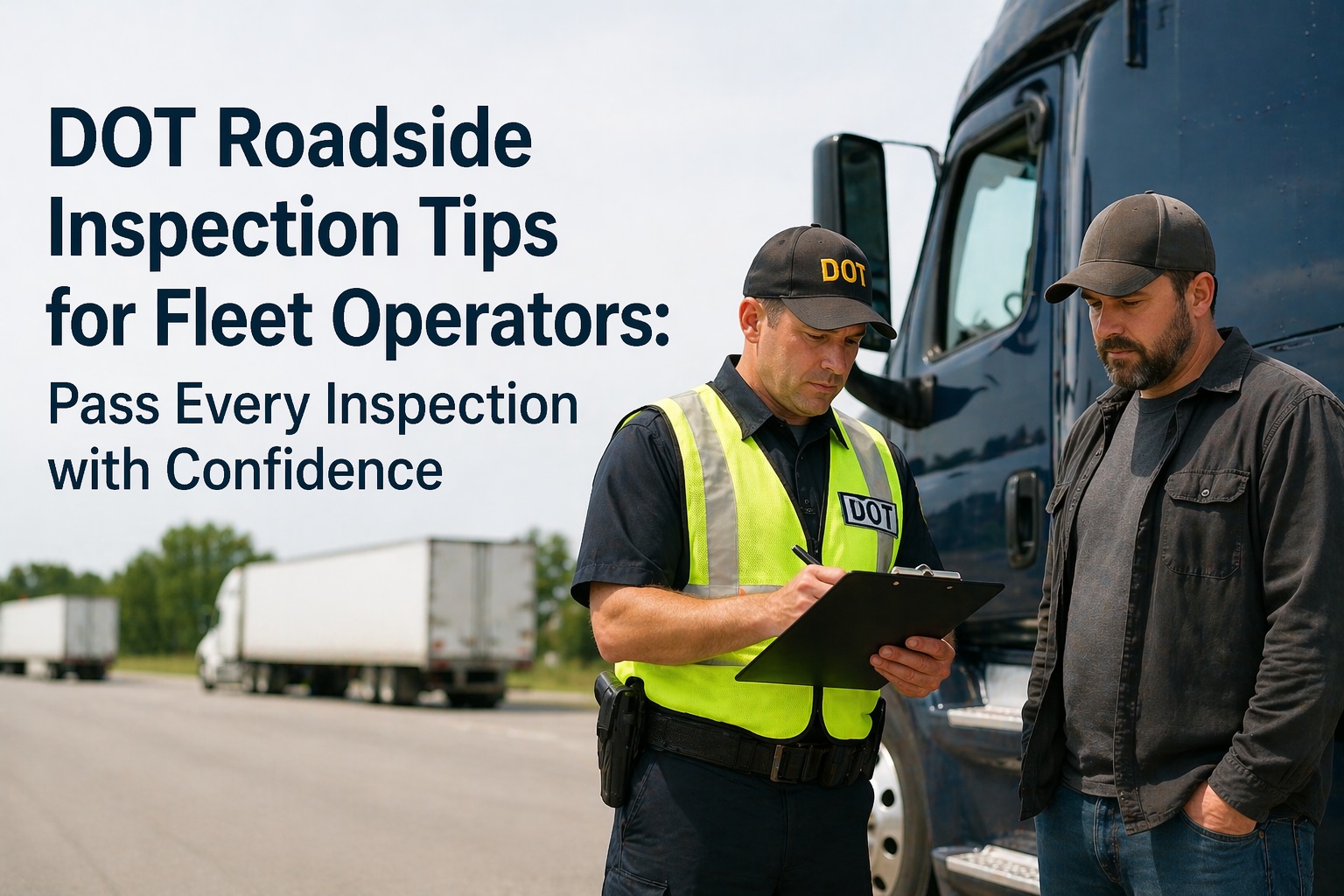
Understanding who DOT officers are and their authority is crucial. DOT officers are specialized law enforcement personnel, trained to enforce federal and state transportation laws, with their primary focus on commercial vehicle safety and compliance.
Inspect commercial vehicles
Conduct roadside and weigh-station inspections of commercial vehicles for safety and compliance.
Check credentials and logs
Verify driver credentials, medical cards, and Hours of Service logs.
Issue citations
Issue citations for violations found during an inspection or stop.
Place out of service
Place vehicles or drivers out of service if serious safety issues are found.
Stay prepared for inspections by digitizing your compliance documentation and ensuring all records are instantly accessible.
Can DOT pull over non-commercial vehicles?
A common misconception is that DOT officers only deal with commercial vehicles. But can DOT pull you over in a personal vehicle? Yes, DOT officers can pull over non-commercial vehicles — however, this is rare and usually only happens in three specific situations.
What to expect during a DOT pull-over
If you're pulled over by a DOT officer, here's what you can typically expect, step by step.
Initial contact
The officer will identify themselves and explain the reason for the stop.
Document check
You'll be asked to provide your license, registration, and, for commercial drivers, your medical card and log books.
Vehicle inspection
For commercial vehicles, a thorough HVI inspection may be conducted.
Discussion of findings
The officer will explain any violations found and the next steps.
Potential citations
If violations are found, you may receive a citation or warning.
Understanding the DOT inspection process
Watching a real DOT inspection can significantly reduce the stress and uncertainty of the process. This video walks you through a typical roadside inspection, showing you exactly what officers look for and how professional drivers handle the situation.
Key takeaways from this inspection demonstration include the step-by-step inspection procedures officers follow, the critical safety items that are always checked, how to properly present your documentation, and best practices for passing inspections smoothly. Being prepared for a DOT inspection isn't just about having the right documents — it's about understanding the entire process. Digital compliance tools like HVI help you maintain inspection-ready status at all times.
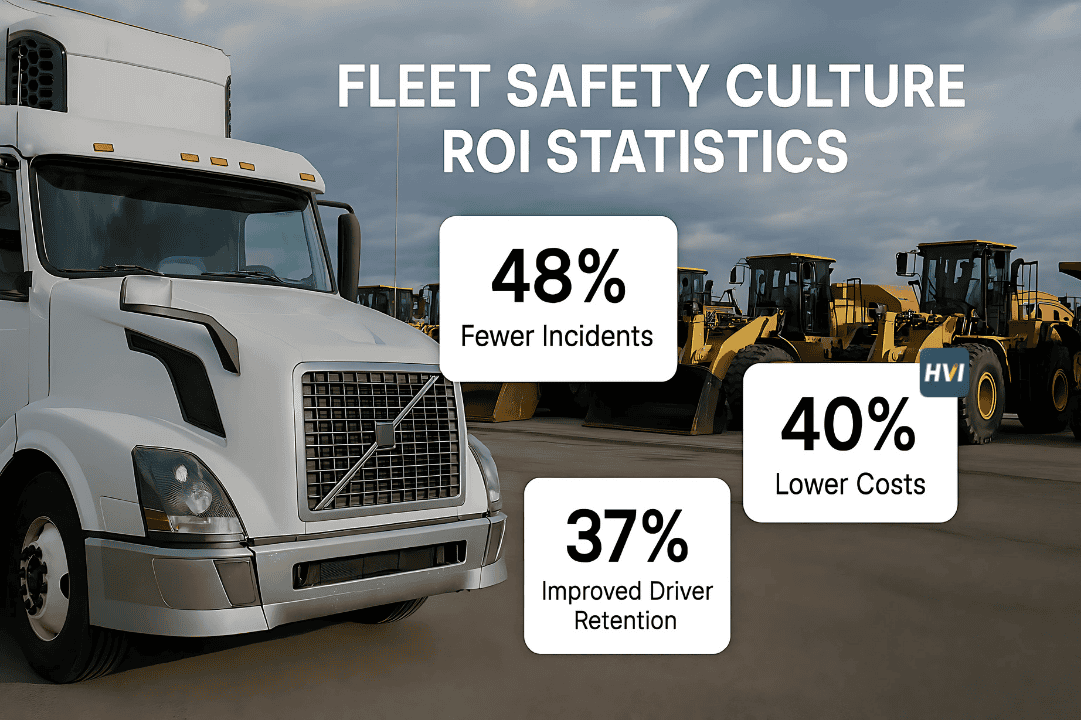
fewer DOT violations — fleet managers who use digital inspection systems report 73% fewer DOT violations during roadside inspections. Digital documentation, automated compliance alerts, and real-time CSA tracking keep your fleet ahead of the regulations instead of reacting to them.
Your rights during a DOT pull-over
Knowing your rights is essential during any law enforcement interaction, including DOT pull-overs. These five rights apply at the roadside.
Right to remain silent
You're not obligated to answer questions unrelated to the stop.
Right to refuse search
Officers need probable cause or your consent to search your vehicle.
Right to record
You can record the interaction, but inform the officer if you do so.
Right to see identification
You can ask to see the officer's credentials.
Right to leave
If not detained or arrested, you can ask if you're free to go.
Protecting your drivers' rights and staying compliant go hand in hand. schedule a consultation to learn how to protect your drivers' rights while ensuring compliance.
Best practices for DOT pull-overs
To ensure a smooth interaction during a DOT pull-over, follow these five practices.
Stay compliant, avoid pull-overs
The most reliable way to keep DOT interactions smooth is to be inspection-ready every day. Three capabilities make the biggest difference.
Digital documentation
Keep all required documents instantly accessible and always up-to-date.
Automated compliance
Get alerts for expiring licenses, due inspections, and compliance deadlines.
Real-time tracking
Monitor your CSA scores and compliance status across your entire fleet.
The importance of compliance
Staying compliant with DOT regulations is crucial for protecting your business on several fronts.
Don't wait for violations to impact your business. Join thousands of fleet operators who trust HVI to keep them compliant and on the road.
The bottom line
While DOT pull-overs can be stressful, understanding your rights and what to expect can make the process much smoother. DOT officers play a crucial role in maintaining road safety for everyone. By staying informed and compliant, you can help ensure that your interactions with DOT officers are positive and problem-free — turning DOT compliance from a challenge into a competitive advantage. Stay informed, stay compliant, and keep your wheels turning smoothly on America's highways.
Top 5 frequently asked questions about DOT pull-overs
Can DOT officers pull over my vehicle without a reason?
No, DOT officers cannot pull you over without a reason. They need probable cause or reasonable suspicion to initiate a stop, similar to other law enforcement officers. For commercial vehicles, this might include visible safety defects, suspicious driving behavior, or random inspections at weigh stations. For personal vehicles, DOT officers typically won't pull you over unless they observe a clear safety violation that poses an immediate risk. Learn how to minimize your risk of DOT violations.
What are my legal rights during a DOT inspection or pull-over?
During a DOT pull-over, you have several important rights: the right to remain silent about matters unrelated to the stop, the right to refuse a vehicle search unless the officer has probable cause or a warrant, the right to record the interaction, the right to see the officer's identification and credentials, and the right to ask if you're free to leave if not formally detained or arrested.
Can DOT officers pull over non-commercial or personal vehicles?
Yes, contrary to popular belief, DOT officers can pull over non-commercial vehicles. However, this is relatively uncommon and typically only occurs when a personal vehicle is suspected of being used for commercial purposes without proper registration, when there's a clear and immediate safety hazard, or when the personal vehicle is involved in a situation directly related to commercial vehicle operations.
What documents should I have ready during a DOT pull-over?
For commercial drivers: driver's license, vehicle registration, insurance information, Commercial Driver's License (CDL), medical examiner's certificate (Med Card), Hours of Service logs or Electronic Logging Device (ELD) records, relevant permits, pre-trip inspection reports, and hazardous materials documentation if applicable. For personal vehicles: driver's license, registration, and insurance. Digitize all your compliance documents with HVI to ensure they're always accessible.
What happens if my vehicle fails a DOT inspection?
If your vehicle fails a DOT inspection, you may receive citations and fines, have your vehicle placed "out of service" for serious violations, experience impacts to your CSA score (for commercial operators), be required to undergo follow-up inspections, and potentially trigger a full compliance review or audit of your operation if violations are repeated or serious.
Don't wait for the red lights — protect your fleet today
Join thousands of drivers and fleet managers who stay ahead of DOT regulations. HVI helps you manage driver logs, track vehicle maintenance, and stay up-to-date with the latest DOT regulations — so a pull-over never highlights a compliance gap in your operation.
No credit card required · Instant setup · Digital documentation + automated compliance alerts + real-time CSA tracking in one platform