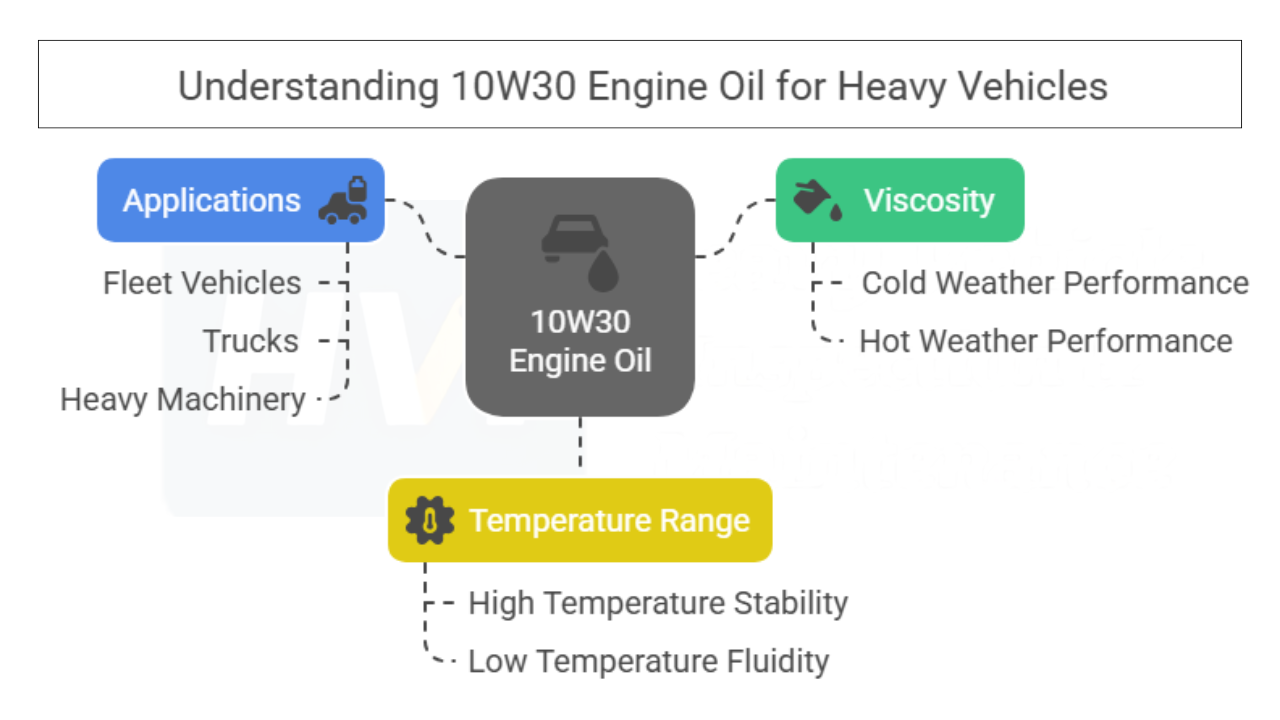
10W30 engine oil is one of the most versatile and commonly used motor oils in the automotive and heavy machinery industry. Whether you're maintaining a fleet of trucks, operating heavy construction equipment, or simply deciding between 10W30 and 15W40 for your personal vehicle, understanding the properties and benefits of 10W30 is essential. This comprehensive guide explores everything you need to know about 10W30 engine oil — its meaning, benefits, technical specs, top brands, and how it compares to alternatives like 10W40, 20W40, and 20W50. Track your fleet's oil performance with HVI or get expert guidance on selecting the right oil for your fleet.
10W30: the balanced, fuel-efficient oil that's replacing heavier grades across modern fleets.
HVI tracks oil-change intervals, oil analysis results, and consumption patterns per vehicle — so you standardize on the right grade, extend drain intervals safely, and cut lubricant costs across the whole fleet.
What is 10W30 engine oil? Understanding the meaning behind the numbers
If you've ever wondered what 10W30 engine oil actually means, you're not alone. The "10W30" designation follows the Society of Automotive Engineers (SAE) viscosity classification system, which tells us how the oil performs at different temperatures.
Cold-temperature rating
The "10W" indicates the oil's winter (cold temperature) viscosity rating. The lower this number, the better the oil flows in cold temperatures.
Operating-temperature rating
The "30" represents the oil's viscosity at normal operating temperature (100°C/212°F), where it must protect a hot, running engine.
This multi-grade formulation means 10W30 engine oil provides effective lubrication across a wide range of temperatures, making it suitable for use in various climates and operating conditions, especially in moderate to warm weather.
Fleet managers: are you using the right oil? Standardizing on the correct grade is the first step to controlling lubricant cost and engine wear. sign up free for expert advice on 10W30 and other fleet maintenance, or book a live demo to see oil tracking in action.
10W30 engine oil benefits for heavy vehicles and fleet management
For those managing fleets, trucks, and heavy vehicles, the 10W30 engine oil benefits are numerous.
Balanced protection
10W30 provides a good balance between flow at startup and protection at operating temperatures.
Fuel economy
Compared to heavier oils, 10W30 can improve fuel efficiency due to its lower viscosity, which reduces internal friction.
Engine cleanliness
Quality 10W30 formulations contain detergents that help keep engine components clean from sludge and deposits.
Versatility
Suitable for a wide range of vehicles and equipment, including many trucks, buses, and construction machinery.
Extended engine life
Proper lubrication with 10W30 engine oil can contribute to longer engine life and fewer maintenance issues.
Simplified inventory
Standardizing your fleet on 10W30 can simplify inventory management and reduce costs while maintaining protection for most vehicles.
Want to maximize these benefits across your entire fleet? start tracking your oil performance and maintenance schedules with our comprehensive fleet management system.
10W30 vs 15W40: which is better for heavy-duty applications?
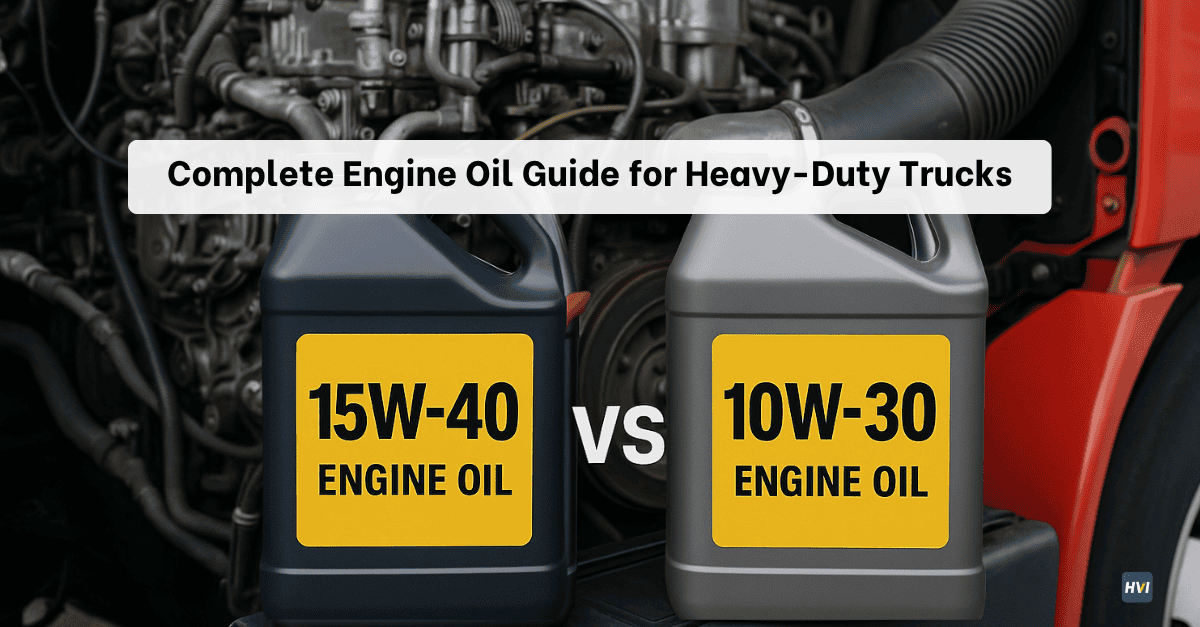
When comparing 10W30 engine oil vs 15W40, fleet managers and heavy equipment operators often face a crucial decision. Both are popular choices for commercial vehicles, but they serve different purposes.
| Characteristic | 10W30 Engine Oil | 15W40 Engine Oil |
|---|---|---|
| Cold weather performance | Better flow at lower temperatures | Thicker at cold temperatures |
| Hot weather protection | Good for moderate climates | Superior in extreme heat |
| Fuel economy | Generally better | Slightly lower |
| Load protection | Suitable for medium loads | Better for heavy loads |
| Ideal applications | Mixed fleets, moderate climates | Heavy-duty diesel engines, hot climates |
For most fleet operations, 15W40 has traditionally been the go-to choice for heavy-duty diesel engines. However, with advancements in 10W30 formulations, many newer engines are now designed to use 10W30 for improved fuel economy while maintaining adequate protection.
10W30 vs 10W40: understanding the subtle differences
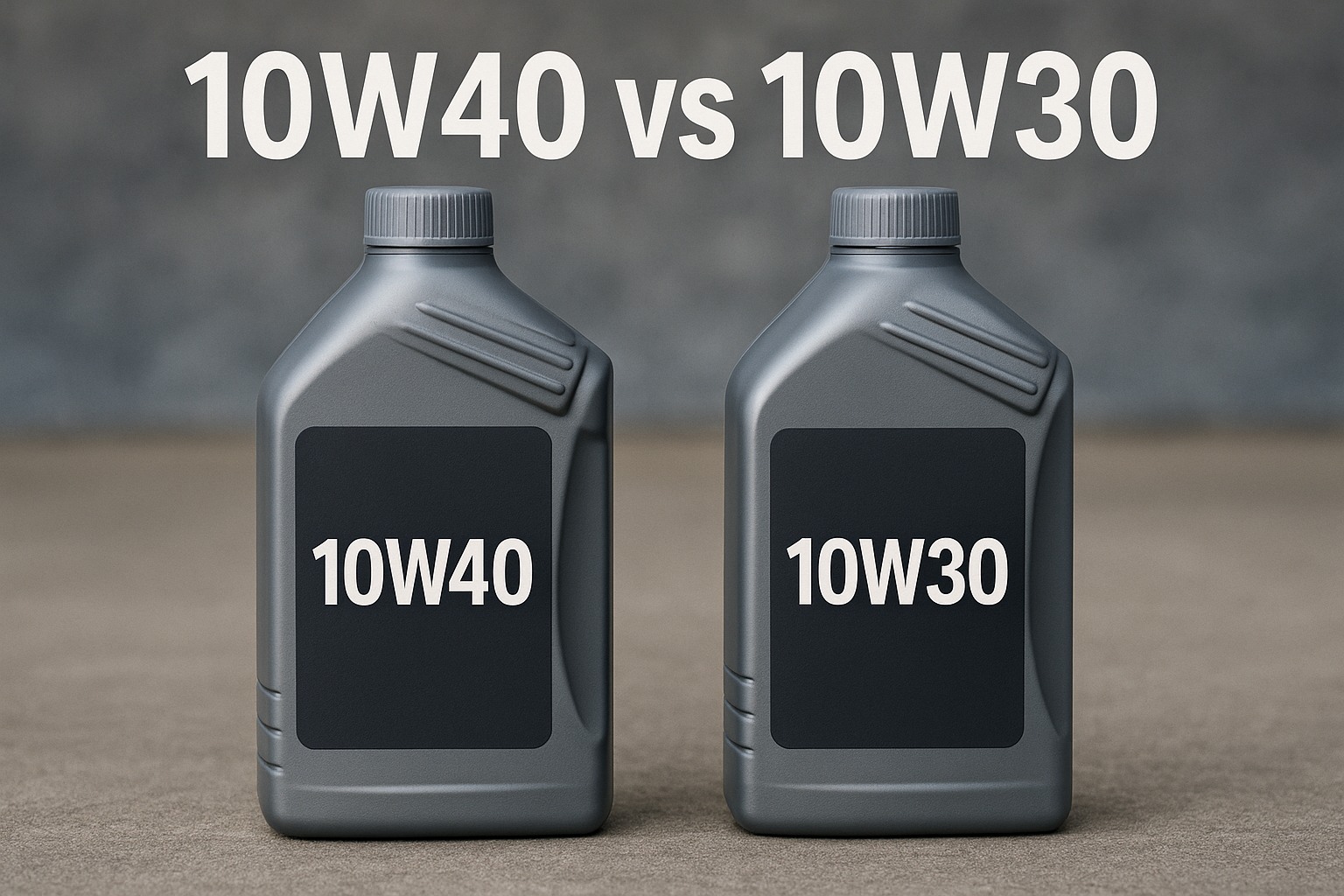
The comparison between 10W30 and 10W40 is one of the most common considerations for vehicle owners and fleet managers. Both have the same cold temperature rating (10W) but differ in their operating temperature viscosity.
Thinner at operating temp
Better for cooler climates and newer engines with tighter tolerances, with improved fuel economy.
Thicker at operating temp
Offers more protection for older engines or those operating in hotter conditions.
For fleet vehicles and trucks that operate primarily in moderate climates with temperatures ranging from 0°F to 100°F (-18°C to 38°C), 10W30 engine oil often provides the ideal balance of protection and efficiency.
Not sure which oil grade is right for your fleet? Our team can help you select the perfect oil for your specific vehicles and operating conditions. schedule a consultation to determine the optimal oil viscosity for your fleet.
Can you put 10W30 oil in a 5W20 engine? Understanding oil compatibility
A common question from vehicle owners and maintenance technicians is whether they can put 10W30 oil in a 5W20 engine. While it's physically possible, it's generally not recommended for several reasons.
Always consult your vehicle's owner manual or the equipment manufacturer's specifications before making any substitutions. For fleet managers, maintaining manufacturer-recommended oil specifications is crucial for warranty compliance and optimal performance. track all your vehicles' oil requirements in one place with our fleet management system.
10W30 alternatives: 20W40 and 20W50 comparisons
When comparing 10W30 against 20W40 or 20W50, it's important to understand that these heavier alternatives serve specific purposes.
10W30 vs 20W40
20W40 is significantly thicker in cold temperatures, making it less suitable for cold starts but potentially offering more protection for older engines with looser tolerances. In most modern fleet applications, 10W30 provides better overall performance due to its superior cold-weather properties.
10W30 vs 20W50
20W50 is one of the thickest commonly available motor oils, designed for high-temperature, high-stress operations. While it provides excellent protection in extreme heat, it's too thick for most standard fleet operations, especially in colder climates. 10W30 offers better year-round performance for most commercial vehicles.
Fleet manager insight: Standardizing your fleet on 10W30 engine oil can simplify inventory management and reduce costs while maintaining optimal protection for most vehicles. Learn how to optimize your oil inventory.
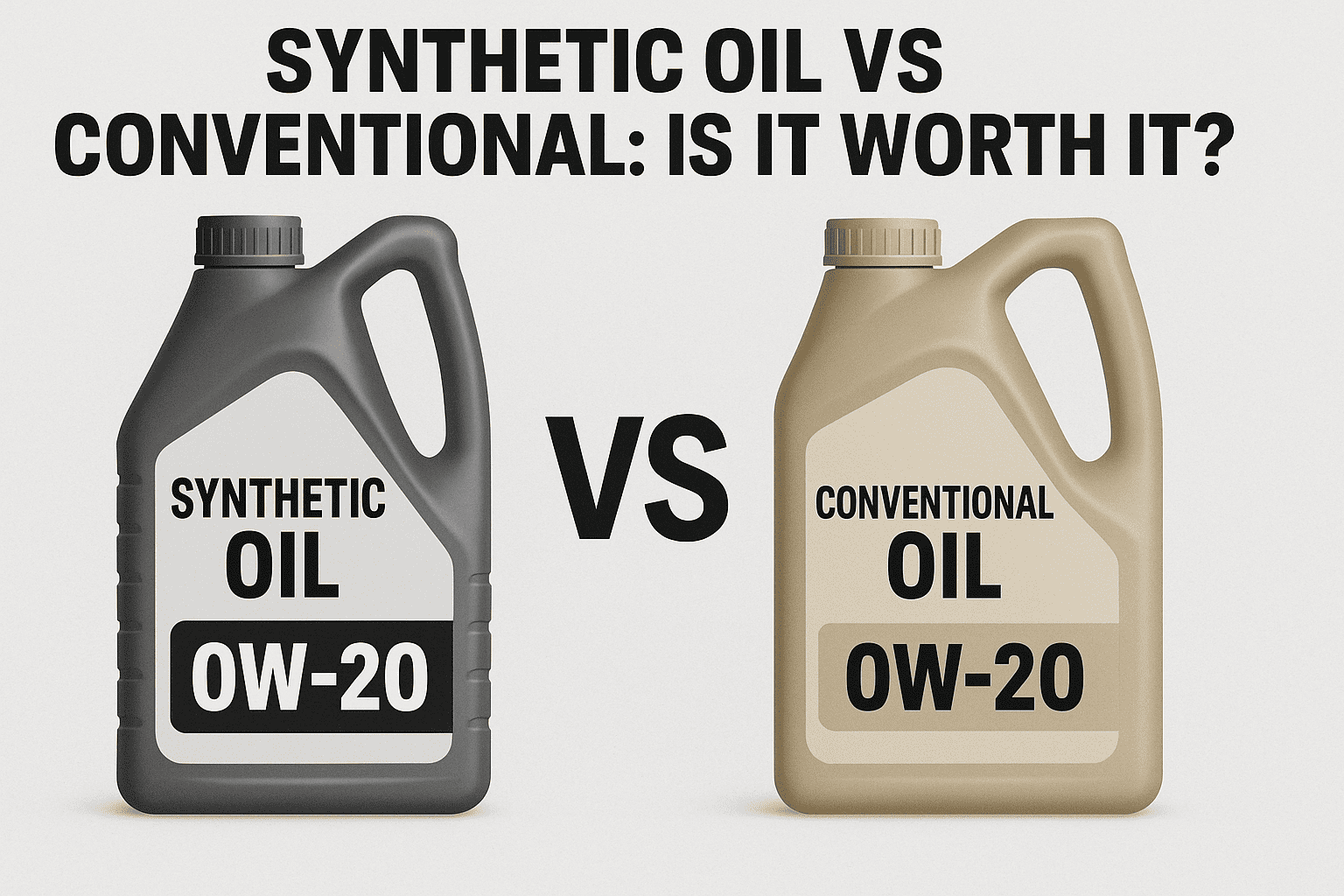
Choosing the best 10W30 engine oil: conventional vs. synthetic
Not all 10W30 engine oils are created equal. When selecting the best 10W30 for your fleet or heavy equipment, you'll need to decide between three formulations.
Conventional 10W30
Made from refined crude oil, more affordable but requires more frequent changes.
Synthetic blend 10W30
A mix of conventional and synthetic oils, offering a good balance between performance and cost.
Fully synthetic 10W30
Engineered molecules providing superior protection, longer change intervals, and better performance across temperature extremes.
For modern fleets and heavy equipment, fully synthetic 10W30 engine oil often provides the best long-term value despite its higher initial cost, due to extended drain intervals and enhanced protection.
Where to buy 10W30 engine oil: from retail to bulk purchases
Depending on your needs, 10W30 engine oil is widely available from various sources.
Retailers (AutoZone, Autobarn)
Convenient for small quantities and emergency purchases.
5-gallon containers
More economical for small fleets and frequent oil changes.
Barrel / bulk
Bulk purchasing options for large fleet operations.
Premium brands
Amsoil, Shell Rotella, Mobil Delvac, and other specialty formulations designed specifically for commercial applications.
Fleet managers should consider establishing relationships with distributors for regular bulk deliveries of 10W30 to ensure consistent quality and cost savings. start tracking your oil consumption and costs to optimize your purchasing strategy.
10W30 applications in heavy industrial machinery
Beyond automotive applications, 10W30 engine oil is widely used in various heavy industrial machinery and equipment. Always consult the manufacturer's specifications for your specific equipment to determine if 10W30 is appropriate.
Manage your fleet oil changes more efficiently — automated reminders, performance analytics, and cost tracking in one place. sign up free to optimize your 10W30 oil-change intervals and reduce downtime, or book a demo to see oil tracking built around your equipment.
10W30 engine oil technical specifications
For those interested in the technical details, here are the key specifications of 10W30 engine oil.
These details help engineers and maintenance professionals select the right product for specific applications and operating conditions. get personalized recommendations based on your fleet's technical requirements.
Pro tip — oil analysis is worth the investment: Regular oil analysis costs far less than premature engine repairs. For fleet vehicles using 10W30, implement a sampling program that tests oil every 10,000 miles or per your OEM recommendations. This simple step can identify potential issues before they cause catastrophic failures and help extend oil drain intervals when conditions permit.
10W30 engine oil life and maintenance
Understanding how to maximize 10W30 engine oil life is crucial for efficient fleet management and minimizing downtime. The life expectancy of 10W30 depends on several factors.
Engine condition
Newer engines with tighter tolerances typically extend oil life.
Driving conditions
Severe service (short trips, extreme temperatures, dusty environments) shortens oil life.
Oil quality
Synthetic 10W30 typically lasts 2–3 times longer than conventional formulations.
Filtration
Advanced filtration systems can significantly extend oil life.
For optimal maintenance with 10W30 engine oil, follow these five practices:
Follow manufacturer-recommended change intervals as a baseline.
Implement oil analysis programs to determine actual oil condition rather than changing based solely on mileage.
Consider bypass filtration systems for fleet vehicles to extend drain intervals.
Monitor oil consumption; an increase may indicate engine wear or oil degradation.
Keep comprehensive maintenance records to track oil performance over time.
Ready to implement a data-driven oil maintenance program? start tracking your fleet's oil performance today and potentially save thousands on unnecessary oil changes.
Important — never mix oil viscosities or types: While topping off with a different brand of 10W30 is generally acceptable in an emergency, never mix different viscosities (like 10W30 with 15W40) or different types (conventional with synthetic) unless absolutely necessary. Mixing can compromise the additive packages and reduce overall protection. If mixing is unavoidable, plan for an early oil change.
Top 10W30 engine oil brands for fleet and heavy machinery
When it comes to selecting the best 10W30 engine oil for your fleet, these top brands consistently deliver exceptional performance.
When selecting from these top brands, consider your specific operating conditions, OEM recommendations, and fleet composition for optimal results.
Conclusion: is 10W30 engine oil good for your fleet?
The verdict
So, is 10W30 engine oil good for your fleet and heavy equipment? The answer depends on your specific circumstances, but in many cases the answer is yes. 10W30 offers an excellent balance of cold-start protection, operating temperature stability, and fuel economy benefits that make it ideal for modern fleets operating in moderate climates. With advancements in oil technology, today's 10W30 formulations provide protection that rivals heavier oils while delivering superior efficiency. By understanding the comparisons between 10W30 and 15W40, 10W40, 20W40, and 20W50, you can make an informed decision about the best lubricant for your equipment and operating conditions. Regular oil analysis and following manufacturer recommendations will always yield the best results, regardless of which viscosity you choose.
When in doubt, consult with an oil analysis laboratory or your equipment manufacturer for specific recommendations tailored to your operation. schedule a free consultation with our fleet maintenance experts to develop an optimized oil management strategy.
Frequently asked questions about 10W30 engine oil
What does the 10W30 mean in engine oil?
The "10W30" designation follows the SAE viscosity classification system. The "10W" indicates the oil's winter (cold temperature) viscosity rating, with the "W" standing for "winter." The "30" represents the oil's viscosity at normal operating temperature (100°C/212°F). This multi-grade rating means 10W30 flows like a 10-weight oil in cold conditions but provides protection like a 30-weight oil when the engine is hot.
Is 10W30 good for high mileage engines?
10W30 can be suitable for high mileage engines, especially in moderate climates. As engines age and clearances increase, a slightly thicker oil like 10W30 (compared to 5W20 or 0W20) may help reduce oil consumption and provide better protection. However, for very high mileage engines (over 150,000 miles), specialized high-mileage formulations with seal conditioners and additional anti-wear additives might be more beneficial regardless of viscosity. Track your high-mileage vehicles' oil consumption to make data-driven maintenance decisions.
Can I use 10W30 instead of 5W30 engine oil?
In most cases, 10W30 can be substituted for 5W30 in moderate to warm climates without issues. Both have the same operating temperature viscosity (30), but 5W30 flows better in colder temperatures. If you live in a region where temperatures regularly drop below 0°F (-18°C), 5W30 would be the better choice for cold starts. Always consult your vehicle's owner manual for the manufacturer's recommendations.
How often should 10W30 oil be changed in heavy-duty trucks?
Heavy-duty trucks using 10W30 typically require oil changes every 10,000–15,000 miles for conventional oil or 25,000–35,000 miles for premium synthetic formulations under normal operating conditions. These intervals vary based on the manufacturer's recommendations, operating conditions (severe service may require more frequent changes), oil analysis results, filtration systems in use, and fuel quality and consumption. Many fleet operators implement oil analysis programs to optimize drain intervals beyond manufacturer recommendations while ensuring adequate protection. Learn how to extend your oil change intervals safely with our expert guidance.
Does 10W30 oil burn faster than 10W40?
10W30 may burn slightly faster than 10W40 in older engines or those with worn components because it's thinner at operating temperature. The higher viscosity of 10W40 (40 vs. 30) creates a thicker oil film that may better seal gaps in worn piston rings or valve guides, potentially reducing oil consumption. However, in properly maintained engines without excessive wear, the difference in oil consumption between 10W30 and 10W40 should be minimal.
Is synthetic 10W30 better than conventional 10W30?
Yes, synthetic 10W30 generally outperforms conventional 10W30 in several ways: better temperature stability at both high and low extremes, improved resistance to oxidation and breakdown, enhanced protection against engine deposits, extended drain intervals (typically 2–3 times longer), superior flow characteristics at startup, and better fuel economy in most applications. For fleet vehicles and heavy equipment, the higher initial cost of synthetic is usually offset by extended drain intervals, reduced downtime, and better protection.
What happens if I use 10W30 instead of 15W40 in my diesel engine?
Using 10W30 instead of 15W40 in a diesel engine that specifies 15W40 could potentially lead to reduced protection under heavy loads due to lower high-temperature viscosity, increased oil consumption in engines designed for thicker oils, and possible warranty implications if problems develop. However, many modern diesel engines are now specifically designed for 10W30 to improve fuel economy while maintaining adequate protection. Before switching, consult your engine manufacturer's recommendations and consider implementing oil analysis to monitor engine wear.
Can 10W30 be used in all seasons?
10W30 engine oil is suitable for year-round use in moderate climates where winter temperatures rarely drop below -20°F (-29°C). It provides good cold-start protection while maintaining adequate thickness at normal operating temperatures. In extremely cold regions, a lower "W" rating like 5W30 or 0W30 would provide better cold-weather performance. Conversely, in very hot climates or for severe service applications, a higher operating viscosity like 10W40 or 15W40 might be more appropriate. Get seasonal oil recommendations for your specific region.
What's the difference between 10W30 diesel and gasoline engine oil?
While both share the same viscosity rating, 10W30 diesel and gasoline oils differ in their additive packages. Diesel 10W30 contains higher levels of detergents and dispersants to handle soot, higher TBN (Total Base Number) to neutralize acidic combustion byproducts, and often more robust anti-wear additives. Gasoline 10W30 is formulated with different detergents and lower ZDDP (zinc) levels to protect catalytic converters. Diesel-specific oils typically carry API classifications like CK-4 or FA-4, while gasoline oils use SP or SN. Some oils are formulated for both and will list multiple service classifications.
How much does 10W30 oil weigh?
A gallon of 10W30 engine oil weighs approximately 7.0–7.3 pounds (3.2–3.3 kg), with slight variations depending on formulation and additives. For fleet managers calculating shipping or storage: a 55-gallon drum weighs about 385–400 pounds (175–181 kg), a quart (0.946 liter) weighs approximately 1.75–1.83 pounds (0.8–0.83 kg), and a 5-gallon pail weighs about 35–36.5 pounds (15.9–16.6 kg). The specific gravity typically ranges from 0.865 to 0.895 at 15°C (60°F), used to calculate its weight relative to water.
Start your free fleet oil management trial
Join fleet managers who have optimized their 10W30 maintenance schedules and saved up to 15% on annual lubricant costs — with custom oil-change interval recommendations, oil analysis interpretation, automated maintenance reminders and inventory alerts, and comprehensive oil performance reporting and cost analysis.
No credit card required · Save up to 15% on lubricant costs · Oil tracking + analysis + automated reminders + cost reporting in one platform