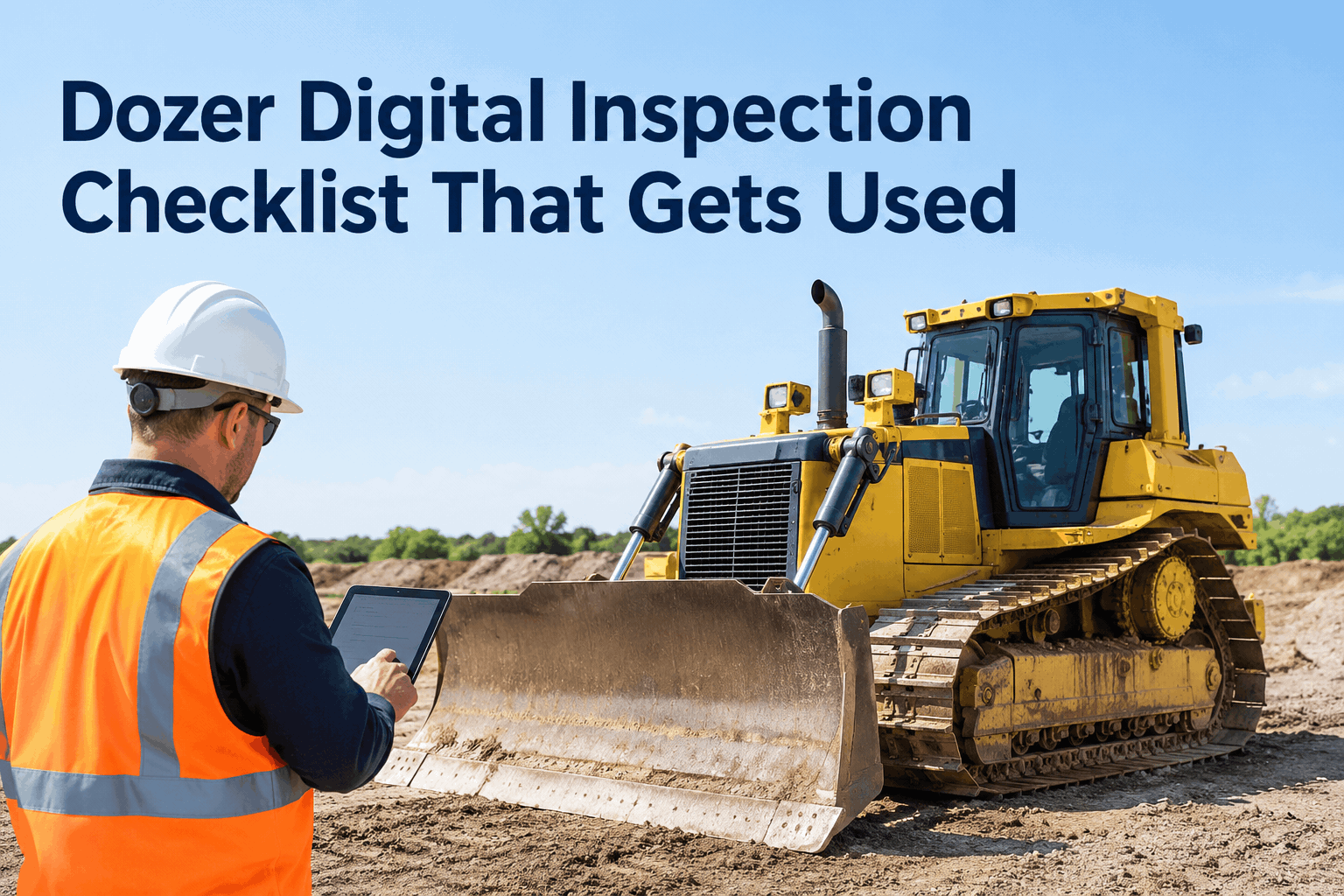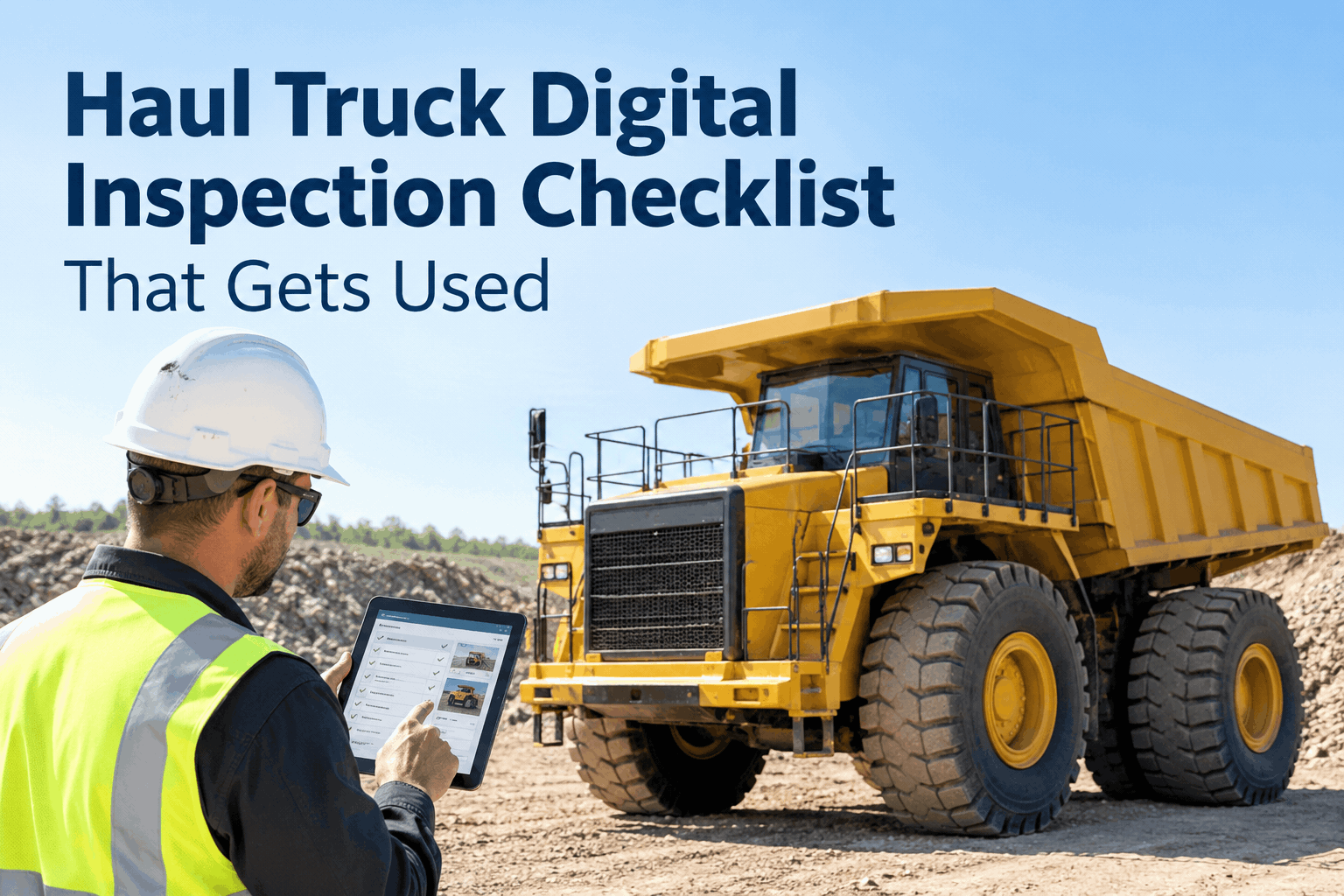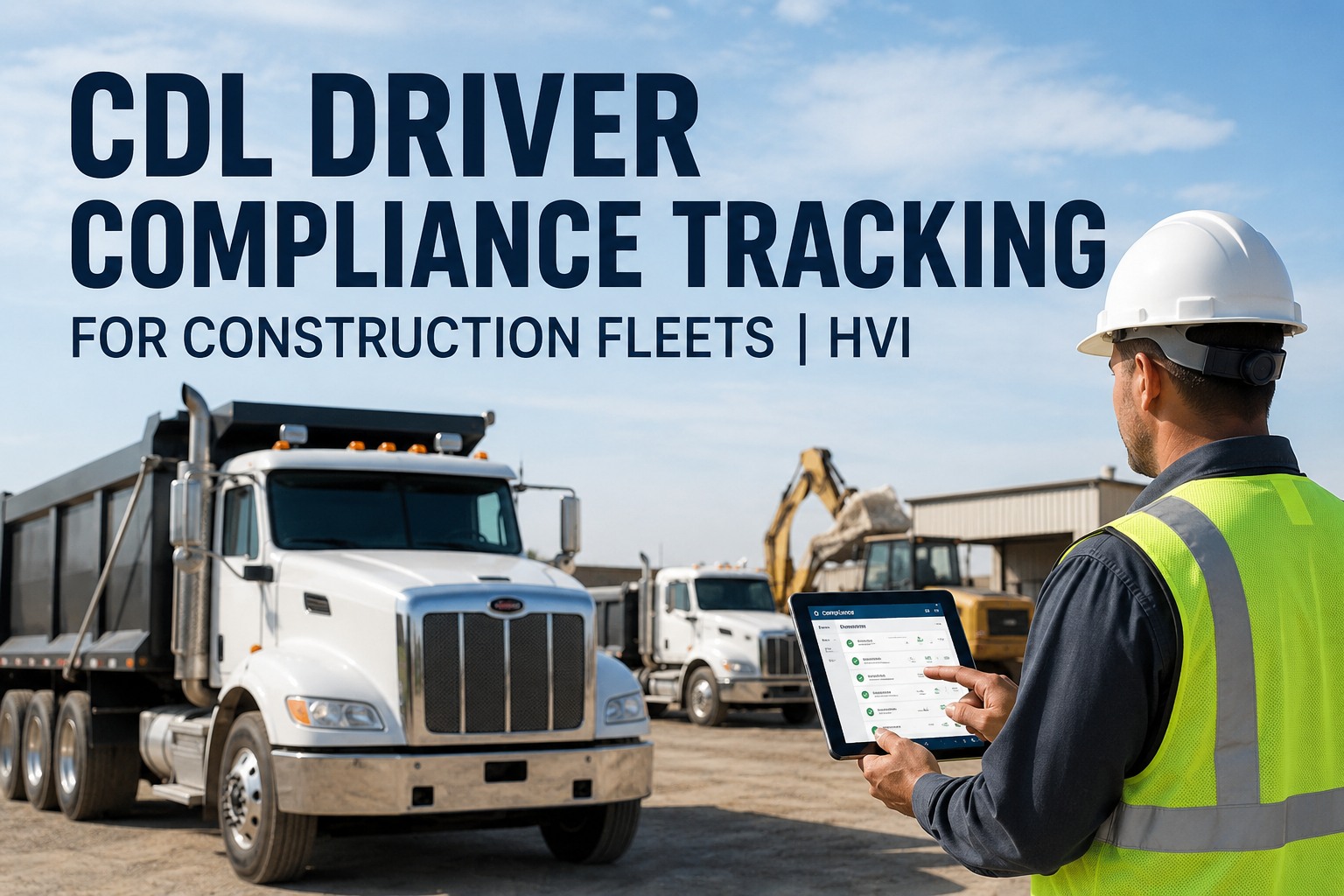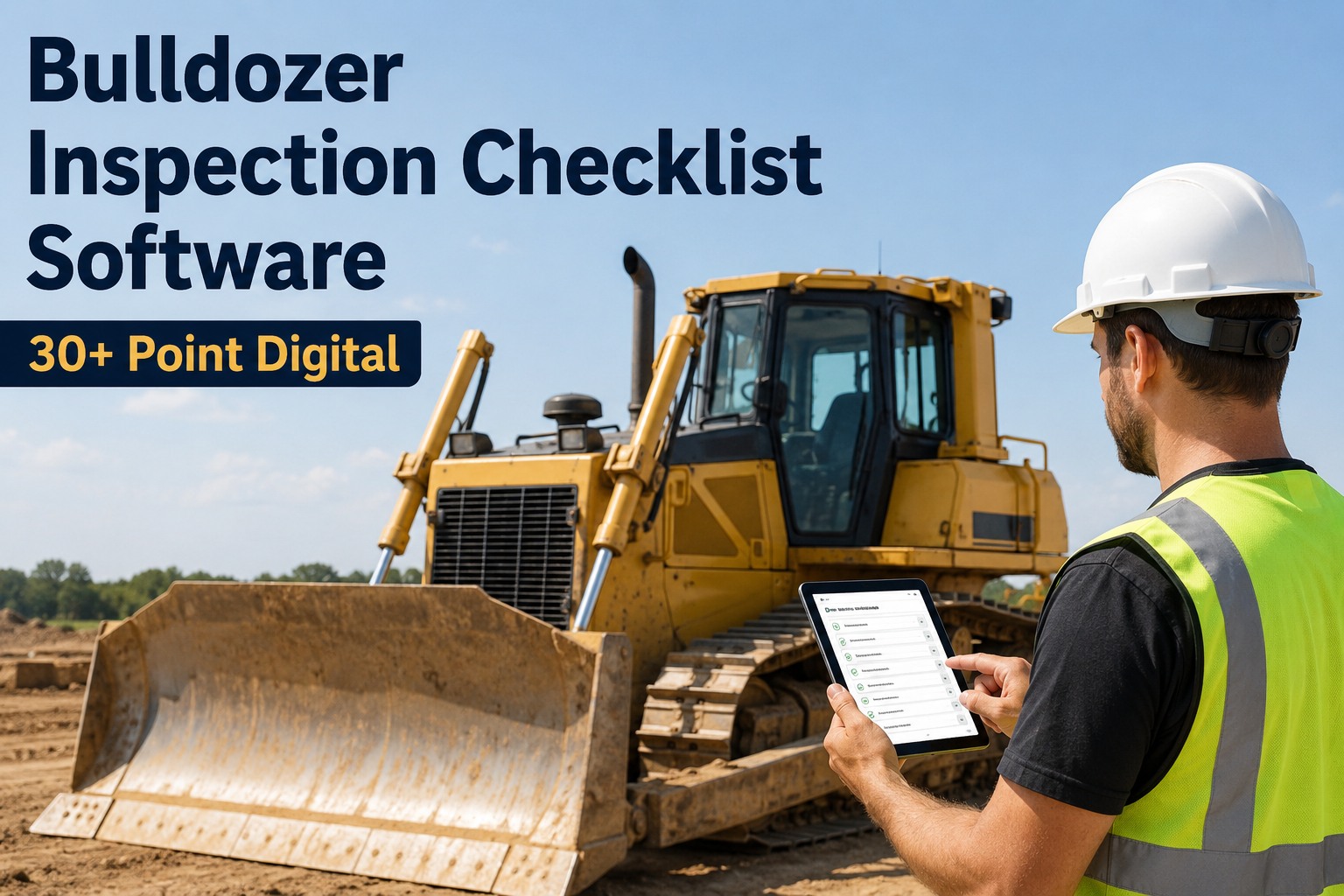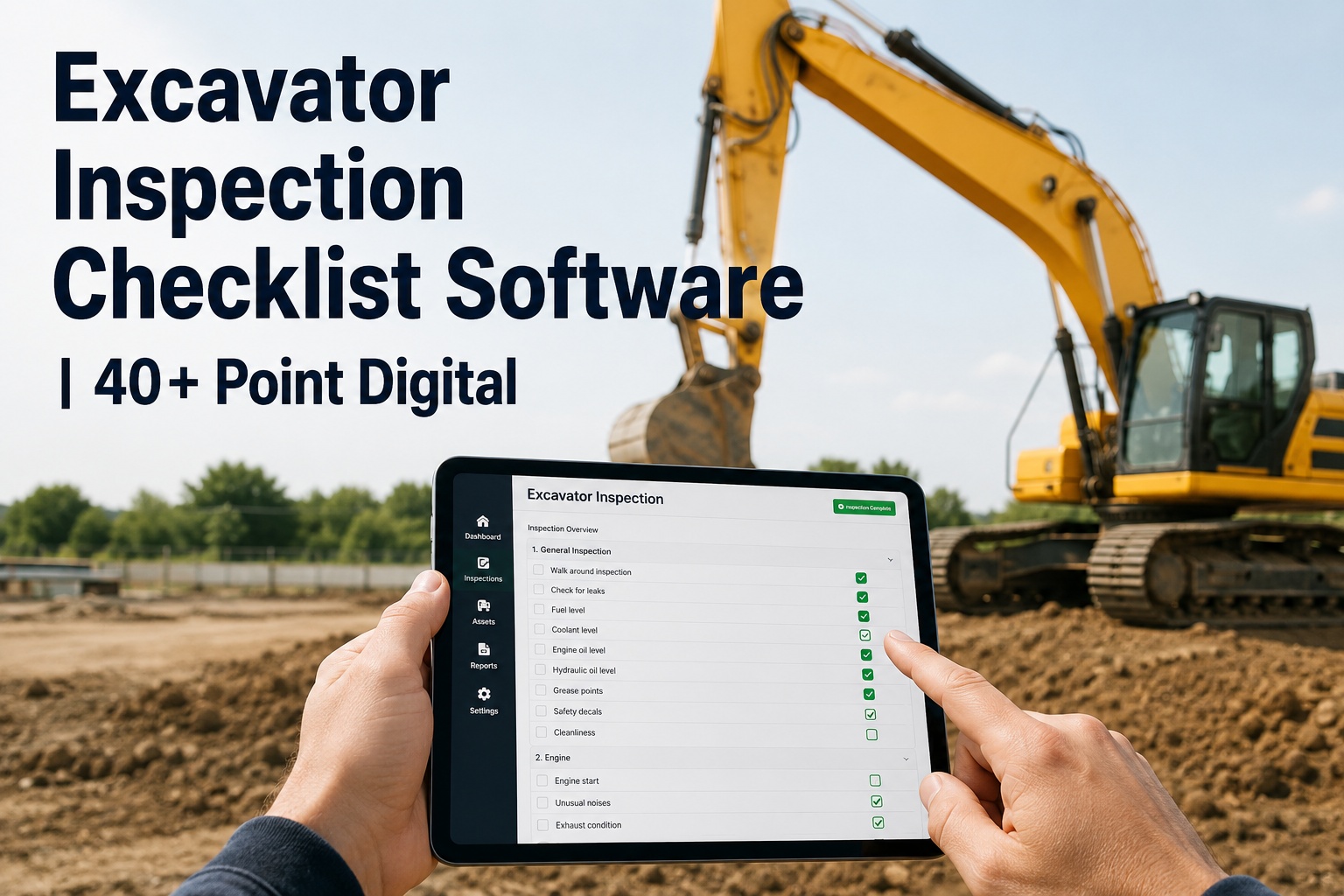
A paper form filled out in 90 seconds, signature and all, isn't an inspection — it's a liability wearing an inspection's clothes. A mobile-first equipment inspection app only earns that name if operators actually use it on a rushed morning, not just on the demo. Book a demo to see what operators on your sites would actually tap through.
Give Operators a Mobile-First Inspection They'll Actually Complete
Standardize inspections across every machine on the jobsite, cut the paper-sheet lag between a flagged defect and a work order, and give supervisors a dashboard instead of a filing cabinet.
The problem was never that operators don't care. It's that an 8-minute paper form on a 5:00 AM start, with the sheet sitting in a cab for days before it reaches anyone who can act on it, gets rushed, lost, or filled out from memory. That's not a training gap — it's a workflow built to be skipped.
What a mobile-first inspection actually fixescompletion rates, not just a nicer form
Across HVI's own customer rollouts, the pattern repeats: paper-based fleets typically complete well under 65% of required inspections, with a meaningful share of "completed" forms filled out in under 90 seconds — faster than anyone could actually walk the machine. Moving the same checklist to a phone, with a submit button that won't let a flagged item through unanswered, changes that number inside weeks, not quarters. See the full completion-rate case study for the numbers behind this.
The four things that decide if an inspection app gets usednot features — friction
Operators don't abandon inspections because they're careless. They abandon them because the process is slower, less convenient, or less forgiving than just skipping it. Book a demo to see how little friction an HVI inspection actually has on a real phone, not a slide.
Pre-loaded asset data and tap-to-answer items mean a real walkaround still takes minutes, not a form that invites shortcuts.
Remote sites and basements with no signal still get a completed, timestamped inspection — it syncs the moment a connection returns.
A defect with a photo attached is self-explanatory to the shop — no guessing what "hose leaking" actually looked like three days later.
A flagged item has to be acknowledged before the inspection closes — no silent pencil-whip, no defect that quietly disappears.
One app, every machine on the jobsitea mixed fleet doesn't need a mixed set of tools
The same mobile inspection workflow runs across your whole fleet, with a different checklist per machine type but one dashboard for supervisors. A few examples of what that looks like in practice:
Every checklist is built for the machine it's attached to, but defects, work orders, and inspection history all land in the same place for whoever's running the fleet.
What happens the moment an operator submitsthis is where paper forms go quiet — and where HVI starts working
Tied to that specific machine's record, with the photo and operator attached.
The shop sees the job on their board without anyone re-typing the finding.
Outstanding defects and overdue inspections are visible across every site, not just the one you're standing on.
Paper vs. mobile, measured in completionsame operators, same machines, different odds the inspection actually happened
Based on completion-rate ranges reported across HVI customer rollouts and comparable digital inspection case studies; your baseline will vary by fleet. Sign up free and see your own completion rate climb within the first week.
From a safety manager overseeing three construction sites
I used to find out an inspection was skipped when the machine broke down, not before. Paper sheets technically existed, they just weren't telling me anything true.
Now I can see which machines haven't been inspected today before 7 AM, from my phone, across all three sites. That visibility alone changed how fast we catch problems — it's not even about the paperwork anymore.
Frequently asked questions
What makes an inspection app "mobile-first" instead of just a mobile version of a paper form?
It's built for a phone from the start — fast tap-to-answer items, offline capability, and photo capture on flagged items, rather than a PDF form shrunk down to fit a screen.
Does the app work on remote jobsites with no cell signal?
Yes. Inspections complete and save on the device offline, then sync automatically the moment the phone reconnects — no lost inspection, no re-doing it later.
Can the same app cover excavators, dozers, cranes, and other equipment types?
Yes. Each machine type gets its own checklist, but every inspection, defect, and work order lands on one shared dashboard for supervisors and maintenance.
How are flagged defects turned into repair work orders?
When an operator flags an item, HVI generates a work order automatically with the photo and description attached, so the shop sees the job without anyone re-typing it.
How long does it take to get operators actually using the app?
Most fleets have checklists built and operators inspecting within the first week, with completion rates visibly improving inside the first 30 to 90 days.
Give your operators an inspection they'll actually finish
Phone-based checklists for every machine type, photo-verified defects, automatic work orders, and a supervisor dashboard that shows what's overdue before it becomes a breakdown. No credit card, no hardware to install.
- Mobile checklist built for every machine type
- Offline-capable, photo-verified inspections
- Defect-to-work-order routing turned on
- Live completion-rate dashboard across sites