Low emission construction equipment used to be a niche ask on a few marquee projects. Now it turns up in bid requirements, owner sustainability targets and green building credit submissions — and the contractors who win that work can prove how clean their fleet actually runs. This guide covers the levers that lower a fleet's emissions and the records that back them up. Book a demo of fleet fuel and emissions records to see where the proof comes from.
Low Emission Construction Equipment & the Records That Earn Green Credits
Lowering a construction fleet's footprint isn't one switch — it's cleaner engines, less fuel burned, and documentation that stands up on a green building submission. The first two save money on every job. The third is what turns the effort into credits and winning bids.
Cleaner Engines, Tier by Tierhow low emission construction equipment got that way
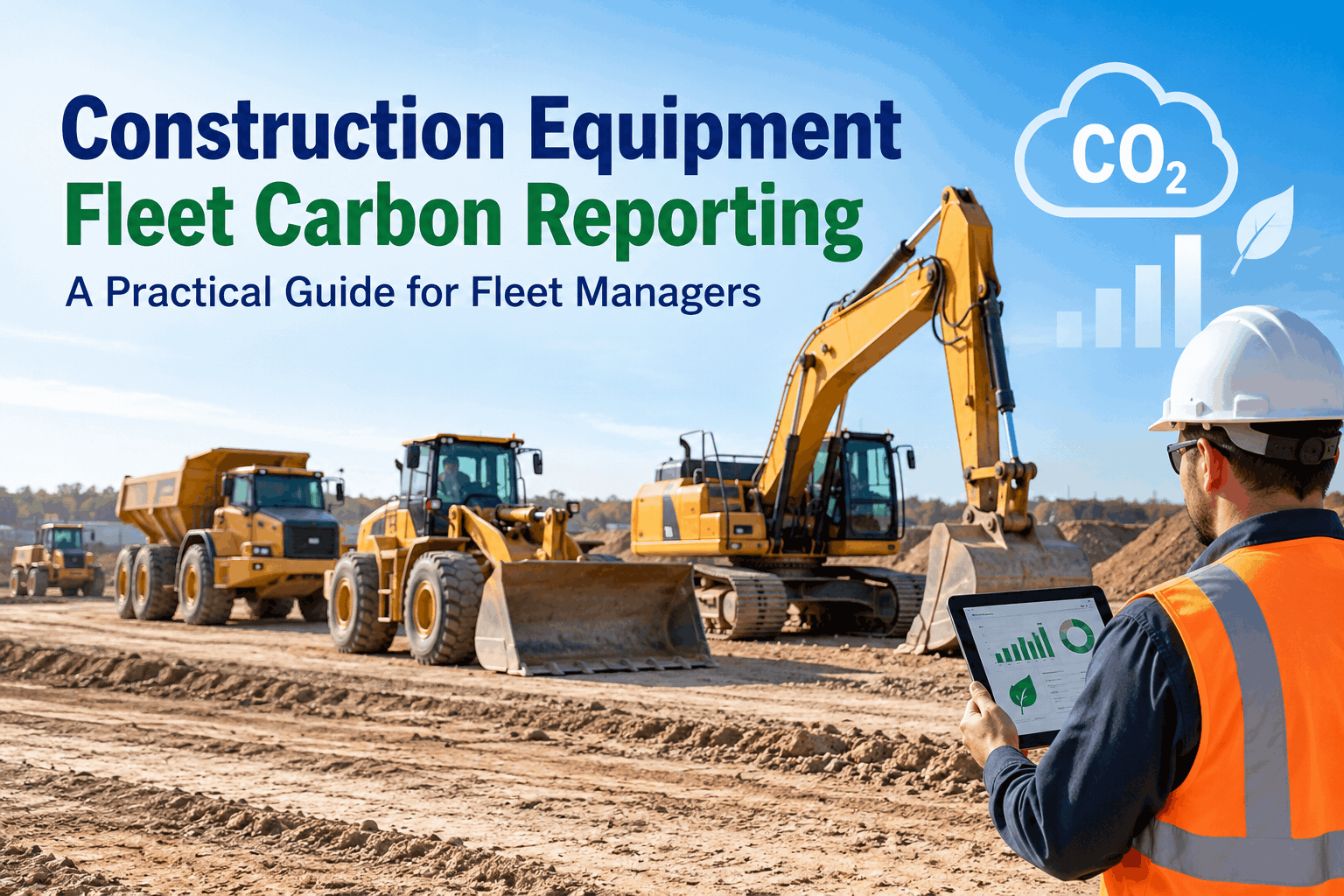
The biggest single step change in low emission construction equipment came from EPA's nonroad diesel engine tiers. Each tier tightened the limits on particulate matter and nitrogen oxides, and Tier 4 Final — the current standard — cut them dramatically compared with the older iron still common on jobsites.
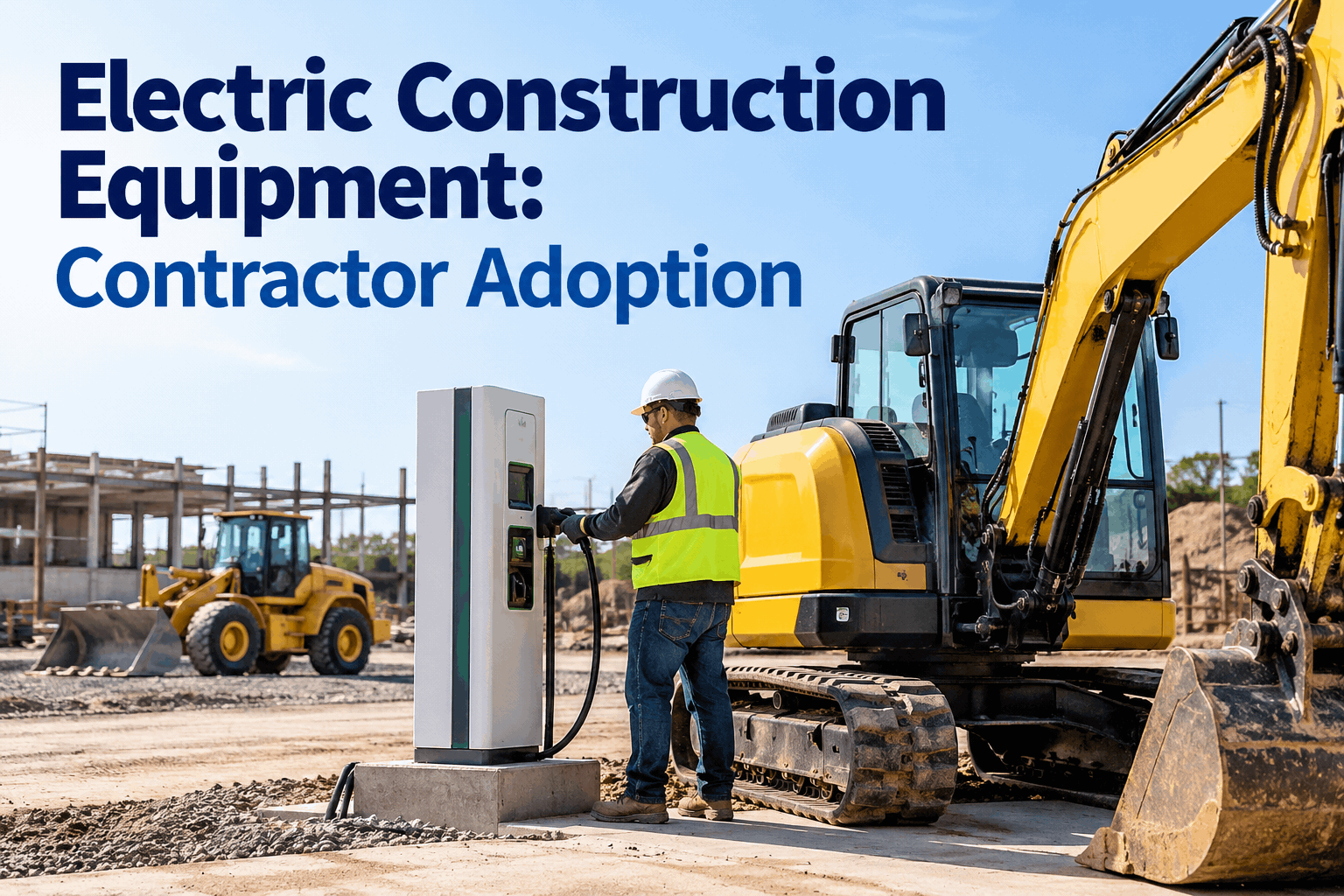
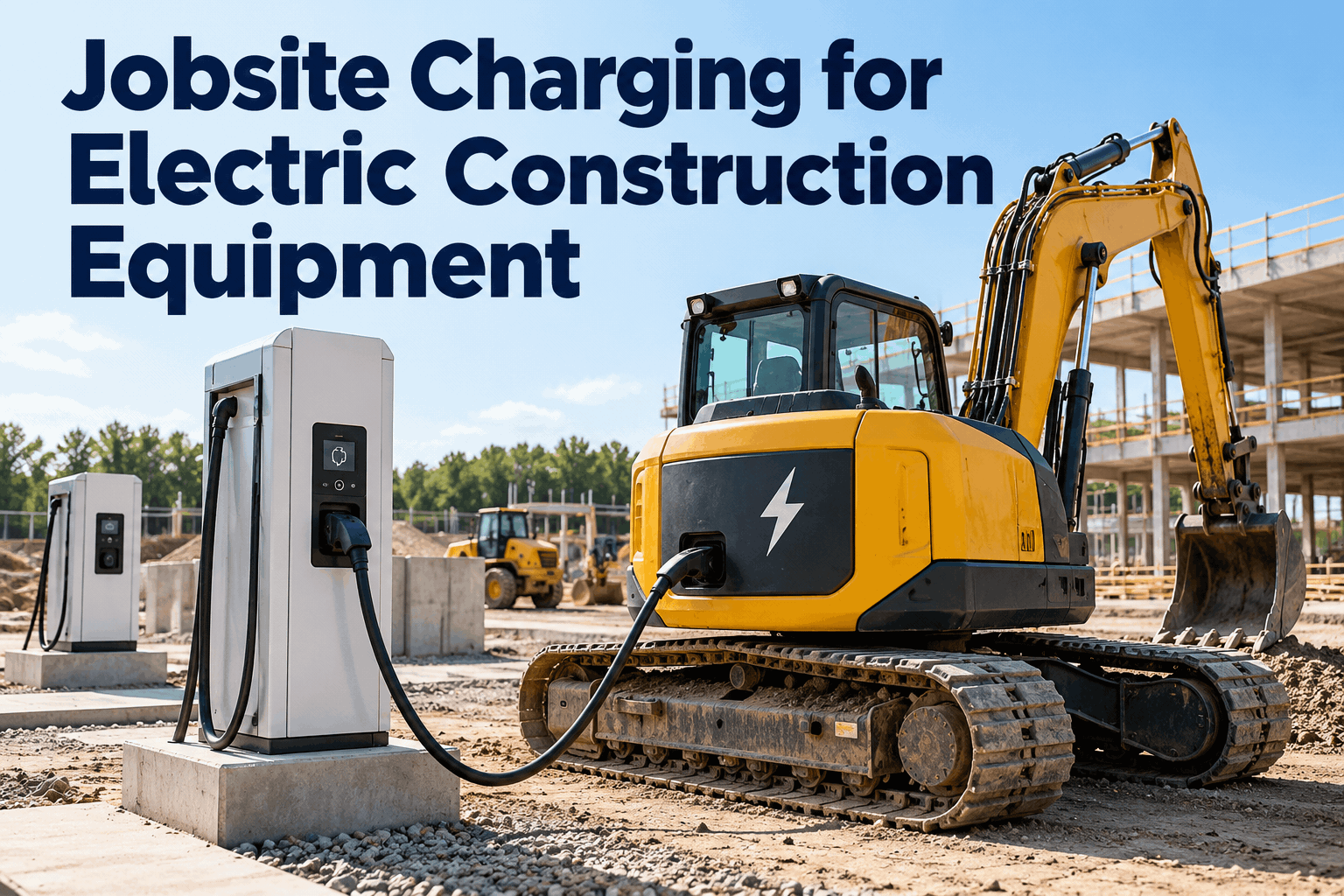
Newer isn't only about the engine tier, though — hybrid excavators and fully electric compact machines are now real options for emissions-sensitive jobs, especially indoor or urban work where exhaust and noise matter. Whichever route a fleet takes, the key for reporting is knowing exactly which machine ran which job. Book a demo of equipment-level records, or explore HVI fuel management software for the burn side.
Burning Less Is the Cheapest Winsustainable construction equipment starts before you buy anything
New iron is expensive; burning less of what you already run is free. Most of a fleet's realistic near-term emissions cut comes from three operational levers — no capital purchase required — which is why sustainable construction equipment strategy starts with how machines are used, not just what's in the yard.
Cut idle time
An idling machine burns fuel and emits while doing no work. Idle reduction is often the single largest fast win — and it shows up directly in the fuel log.
Right-size the machine
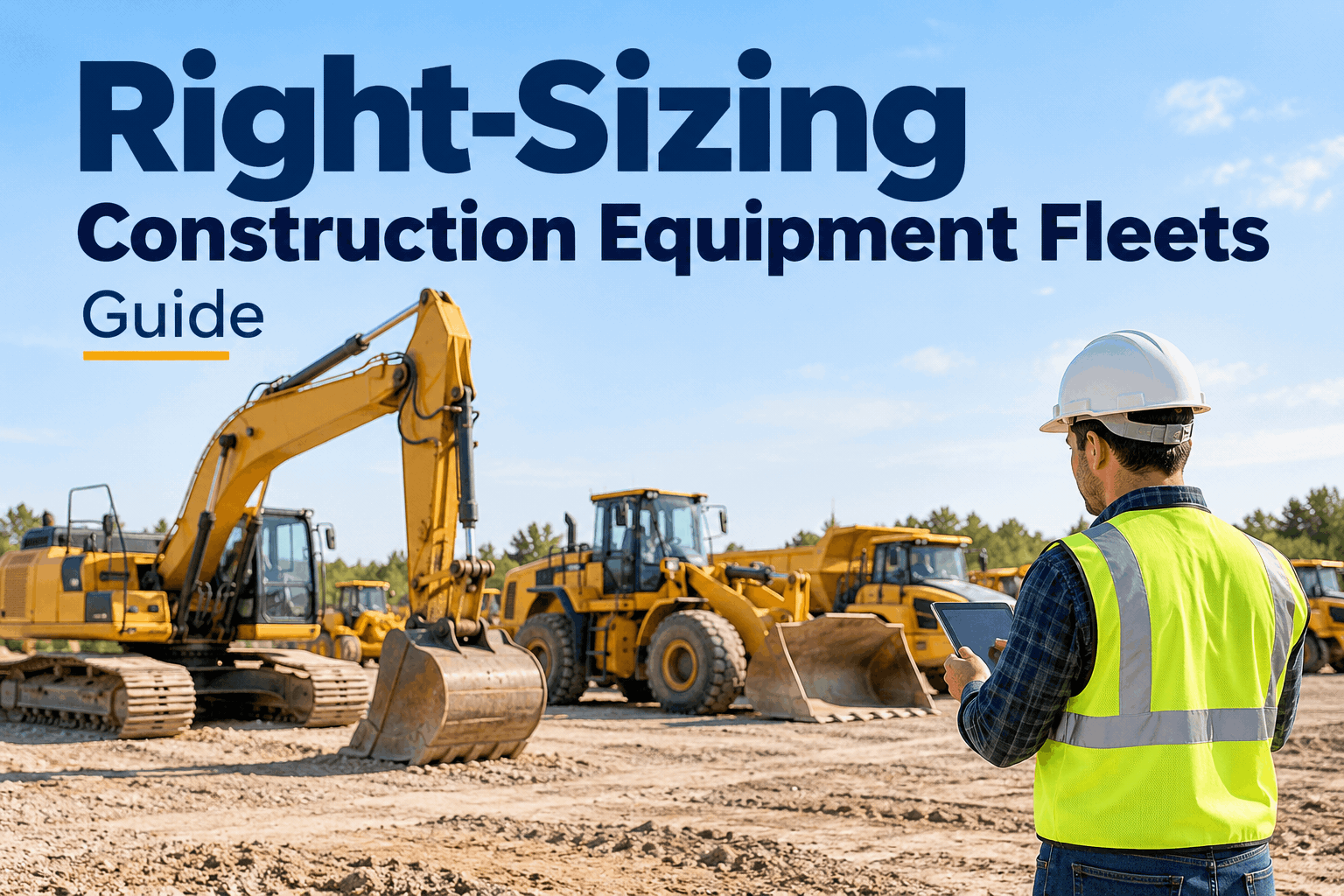
A machine too big for the task burns more than one matched to it. Matching iron to the job trims fuel per unit of work moved.
Keep it maintained
Clean filters, correct tire pressure and a healthy engine all cut fuel burn. A machine out of tune emits more for the same work.
Every one of these levers leaves a trail in the data you already collect — fuel issued, hours run, services done. The trick is capturing it in a form you can actually report from. Sign up free and start logging fuel by machine so idle and efficiency trends become visible instead of guessed.
Green Building Credits Are Earned by Evidencehow equipment records support a green building submission
Here's the part that trips teams up: green building credits — whether through LEED or an owner's own sustainability scorecard — are awarded on documented performance, not good intentions. A project team assembling a submission needs numbers, and much of that data comes straight off the equipment on site.
A quick, honest note: a CMMS like HVI doesn't issue credits or certify a building — that's the project's green rating body and its design team. What it does is hold the fleet-side evidence in one exportable place, so the sustainability manager isn't chasing fuel receipts across six job trailers the week a report is due. See how HVI analytics and reporting turns that data into a summary, and book a demo of exportable fleet reporting.
The Sustainability-Reporting Readiness Checklistwhat to have in place before a green building submission is due
You don't want to discover what a report needs the week it's due. This is the fleet-side record set to have running from day one of an emissions-sensitive project, each item observable and exportable.
- Fuel logged per machine, not per yard total
- Hour-meter readings captured on a cadence
- Idle vs working time trackable
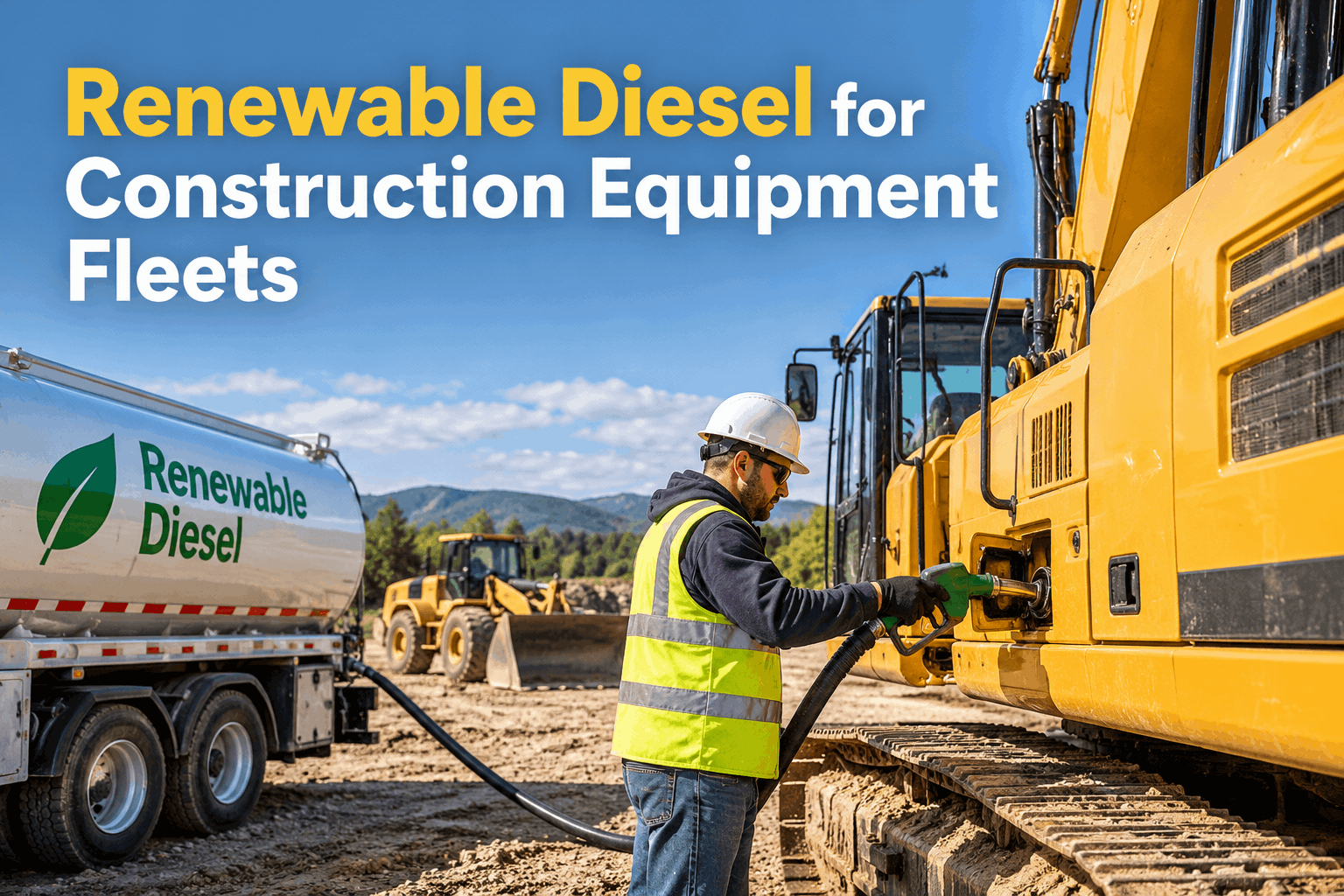
- Fuel type recorded (diesel, renewable diesel, electric)
- Make, model and engine tier per asset
- Electric / hybrid units flagged
- Which machine ran which job
- Aftertreatment (DPF/SCR) service current
- Maintenance history stored and signed
- Records exportable to a report format
- Date-stamped, not reconstructed later
- One source the whole team can pull from
Run this from the start and the report is a download, not a scramble. For how records become signed and auditable, see HVI digital equipment inspections, or book a demo of report-ready equipment records.
What the Record Looks Likeconstruction fleet emissions tracking in one place
This is the fleet-side view a sustainability manager actually pulls from — fuel and hours by machine, engine type on the asset, and an export button, so the numbers behind a green claim are traceable to a real unit on a real day.
The idle flag on the Tier 3 loader is the kind of thing that only shows up when fuel is tracked per machine — and it's both an emissions win and a cost saving once someone acts on it. Sign up free and see your fleet's fuel by machine.
From the Fielda sustainability manager on what the reports really need
Everyone wants to talk about buying electric machines, but the credit submission doesn't care about intentions — it wants numbers. The year we started logging fuel per unit instead of per fill-up, our reporting went from a two-week fire drill to an afternoon. The data was always there; we just finally had it in one place we could export.
Bringing It Togetherthe honest path to a lower-emission construction fleet
A lower-emission fleet runs on three levers: cleaner iron like Tier 4 Final and electric machines, less fuel burned through idle reduction and upkeep, and documentation solid enough to earn green building credits. The first two cut cost on every job; the third is what turns the effort into winning bids and verified claims. Low emission construction equipment is the headline — but the records behind it are what the report actually grades. Keep that evidence in one exportable place and sustainability reporting stops being a scramble.
Keep your fleet's emissions evidence export-ready
Fuel by machine, hours, engine tier and maintenance history — logged as you go and exportable when a green building submission needs it. HVI holds the fleet-side records in one place, so the proof behind a lower-emission claim is already there.
No credit card · Fuel & maintenance records in one place · Set up in days
Low emission construction equipment & green credits: FAQs
What counts as low emission construction equipment?
Broadly, machines that emit less per hour of work — most commonly current-tier diesel engines (EPA Tier 4 Final), plus hybrid and fully electric equipment. Running cleaner also includes operational measures like idle reduction and good maintenance, which lower emissions from the iron you already own without buying anything new.
How does equipment affect green building credits?
Green building programs and owner scorecards award credit for reduced construction-related emissions, and that requires documented data — fuel consumed, equipment hours, engine types and idle-reduction measures. The equipment and fuel records are supporting evidence the project team submits; the rating body awards the credit, not the fleet software.
Does HVI calculate my carbon footprint or issue LEED points?
No. HVI is a fleet inspection, maintenance and fuel-records platform — it stores and exports the fuel, hours and maintenance data a sustainability report draws on. It doesn't certify buildings, award LEED points or replace a carbon-accounting specialist. It keeps the fleet-side evidence organized and export-ready so reporting is faster and traceable.
What's the cheapest way to lower fleet emissions?
Burning less of the fuel you already use — mainly through idle reduction, right-sizing machines to the task, and keeping engines maintained. These need no capital purchase and cut both emissions and fuel cost. Tracking fuel per machine is what makes the savings visible so you know which units to act on first.
What data do I need for construction emissions reporting?
Typically fuel consumed by machine, equipment hours and utilization, each unit's make/model/engine tier, fuel type, and any idle-reduction measures — plus maintenance records that show the fleet was kept in good order. Captured per machine and date-stamped as you go, this exports cleanly into a report instead of being reconstructed from receipts.