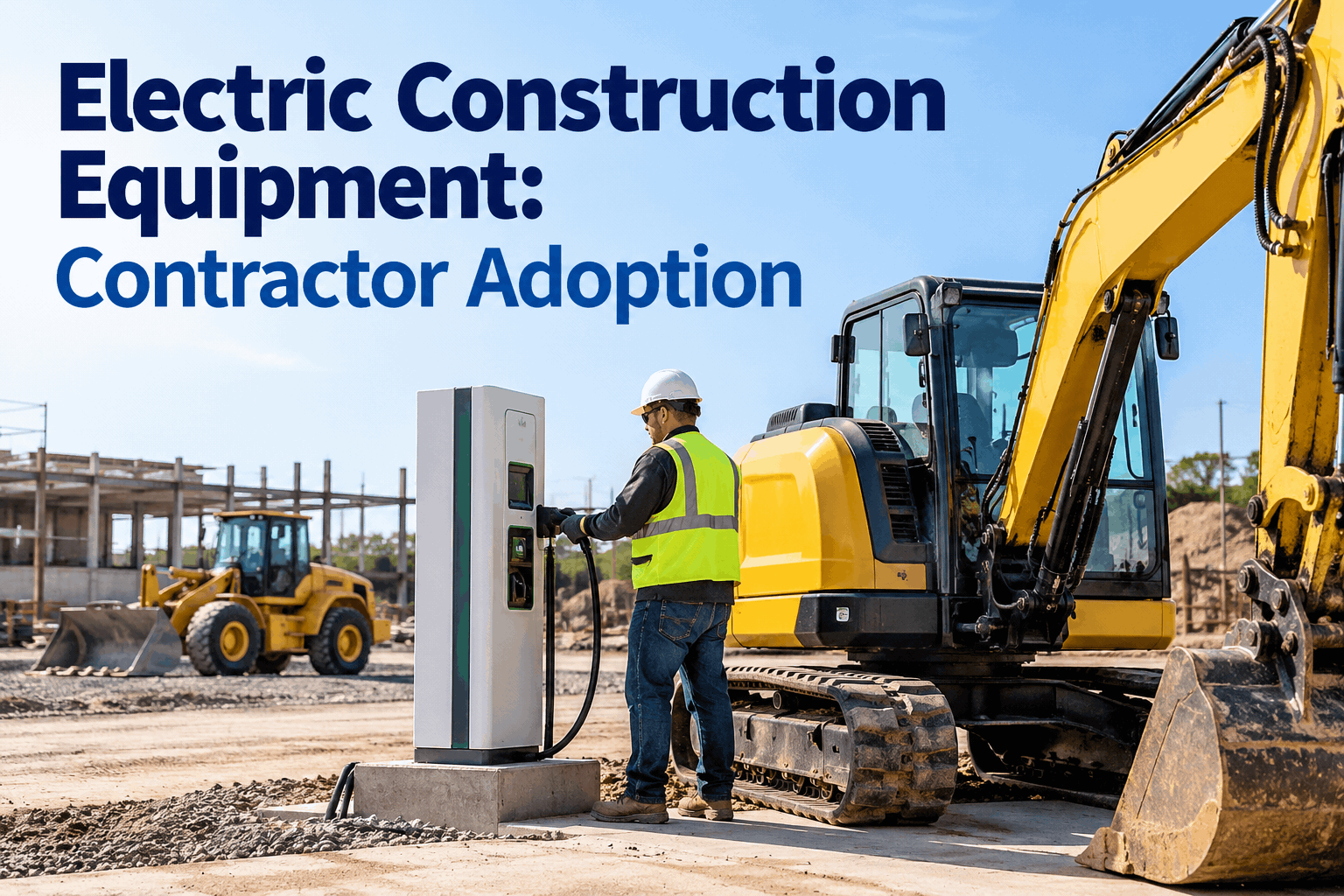
Electric construction equipment has crossed from novelty to real option — the machines work, incentives exist, and clients increasingly ask for lower-emission jobs. But adopting it isn't a switch you flip; it's a transition you plan. Phase it in deliberately — pilot, learn, scale — and electric becomes a genuine edge instead of an expensive experiment. The contractors winning with it aren't the boldest, they're the most methodical. Book a demo of mixed-fleet tracking.
Electric Construction Equipment Is Adopted in Phases, Not All at Once
The smart way in isn't to electrify the whole fleet overnight — it's to pilot one machine on the right job, learn, and scale what works. Here's the roadmap contractors actually use.
Every contractor feels the pull toward electric equipment now — emissions rules tightening, clients writing sustainability into tenders, fuel and maintenance costs that electric can undercut. And every contractor also feels the hesitation: the machines cost more up front, the charging is a question mark, and nobody wants to be the one who bought a fleet they couldn't keep running. Both reactions are right. The answer isn't to ignore electric or to bet the business on it — it's to adopt it the way you'd trial any new method: carefully, on one job, with your eyes on the numbers. Done that way, the risk shrinks and the learning compounds.
The honest casewhat's driving electric construction equipment adoption — and what's holding it back
A good adoption decision needs both sides on the table. Here's the honest picture of what's pulling contractors toward electric and what's genuinely still in the way — so you plan around the barriers instead of being surprised by them.
- Lower fuel and maintenance cost per hour
- Zero local emissions — urban & indoor jobs
- Far quieter — night work, noise-restricted sites
- Tender and ESG requirements favoring low-emission
- Incentives and grants offsetting the premium
- Higher purchase price — a real upfront barrier
- Charging infrastructure on temporary sites
- Runtime limits for heavy, continuous duty
- Operator and technician unfamiliarity
- Thin used market and resale uncertainty
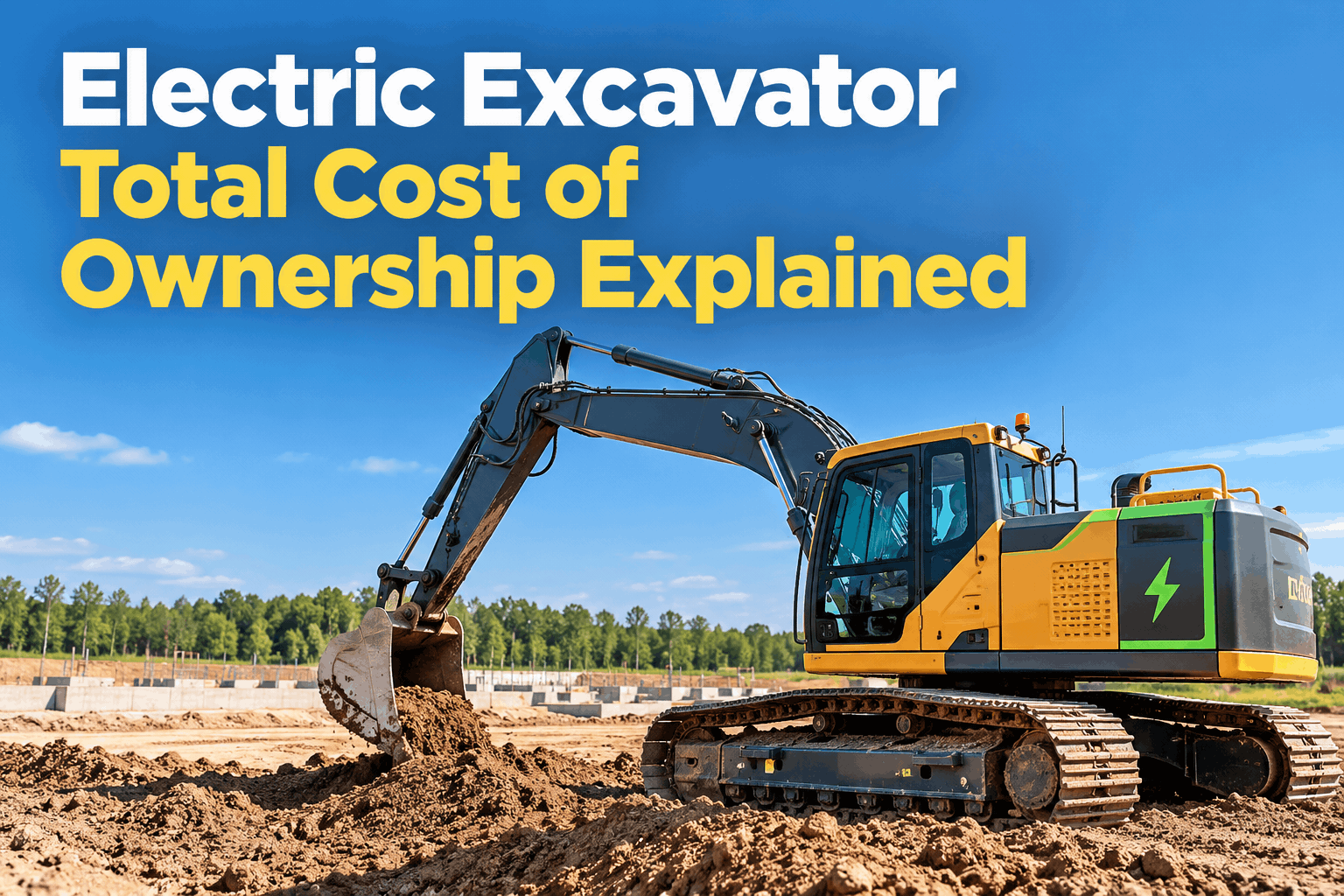
Notice that most of the barriers are plannable — charging, training, picking the right job — not permanent blockers. That's exactly why a phased rollout works: it tackles each barrier on one machine before you scale. The cost side is its own analysis — see the electric excavator total cost of ownership breakdown. Book a demo of fleet cost tracking.
The adoption roadmapfour phases from first look to scaled fleet
Contractors who adopt electric well follow the same arc: they prove it small before they grow it. Each phase answers a question and earns the right to the next — so you're never over-committed to something you haven't tested on your own work.
- 1Assess fitLook at your jobs and find the ones electric suits — high utilization, urban, single-shift, near power. Not every job qualifies yet, and that's fine.
- 2Pilot one machineBuy or rent a single electric unit — often a compact machine — and run it on a real job. Rental is a low-risk way to test before you commit capital.
- 3Train & measureGet operators and technicians comfortable, and track the machine's real cost, uptime and charging against the diesel it replaces.
- 4Scale what worksOnce the pilot proves out on your numbers, grow electric into the jobs where it won — and keep the rest on diesel for now.
The whole point of the phased approach is that each step is cheap to reverse. A rental pilot that doesn't work out costs you a rental, not a fleet. By the time you scale, you're not guessing — you're repeating something that already worked on your own jobs. See what electric machines are available today, and start free and track your pilot machine.
Where to startthe first electric machine most contractors should pilot
The pilot machine makes or breaks your first impression of electric, so pick it to win. The best first candidates share a profile — they fit electric's strengths and sidestep its current limits.
Pick a compact machine, on a busy urban job, at a site with power, and you've stacked the deck for a successful pilot — the fairest test of whether electric fits your operation. The charging side of that is its own plan — see how to plan jobsite charging infrastructure. Book a demo of pilot tracking.
Three things to plancharging, training and maintenance — the adoption essentials
Beyond picking the machine, three things decide whether adoption sticks. Plan all three before the pilot and electric runs smoothly; skip any one and it stumbles.
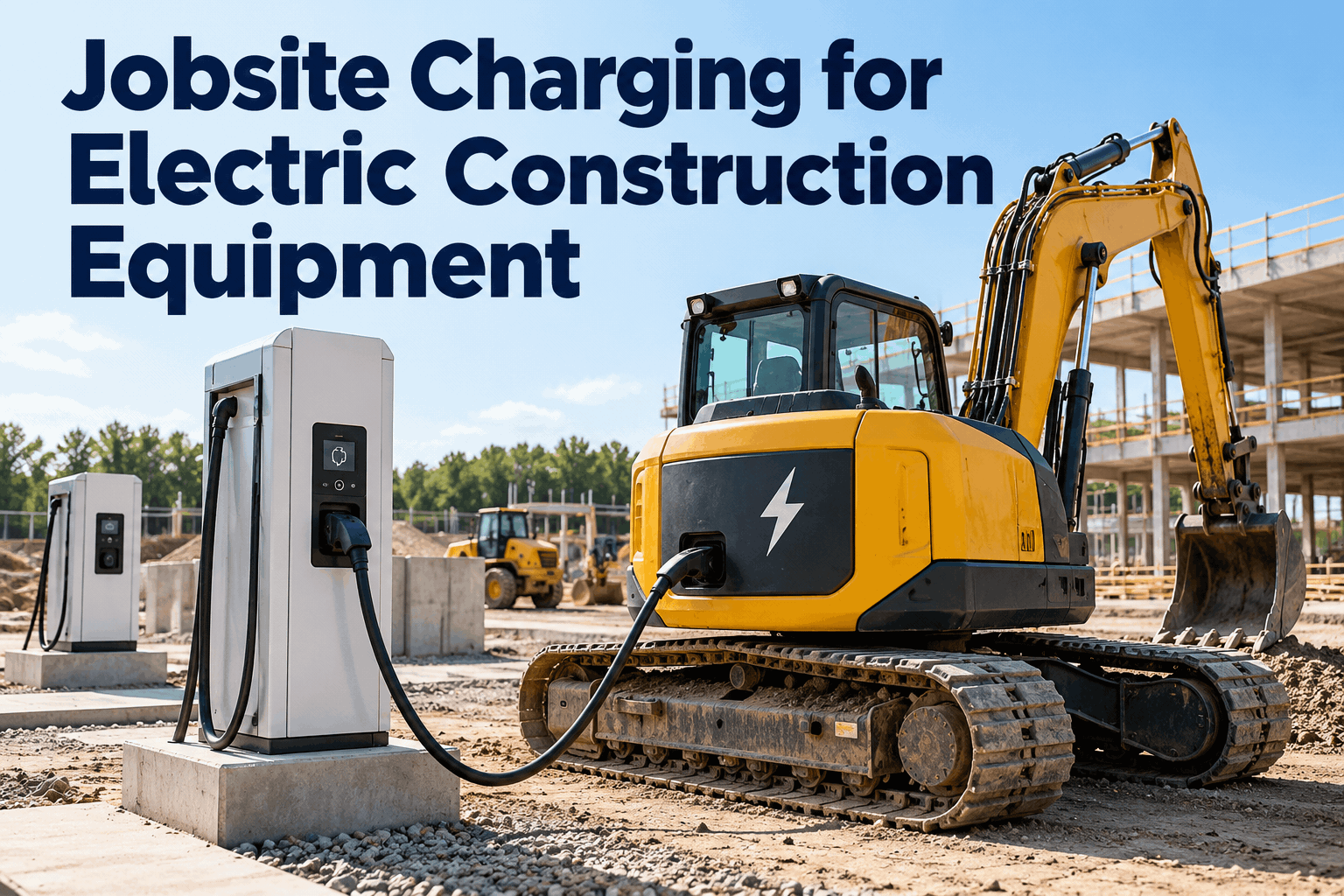
Where and how the machine charges, and whether it fits the work schedule. The single biggest practical hurdle on temporary sites — plan the power before the machine arrives, not after.
Operators run electric machines differently — regenerative controls, no engine cues, battery awareness — and technicians need high-voltage safety basics. A little training turns skeptics into advocates.
Electric means less servicing but different servicing — battery, cooling and high-voltage checks replace oil and exhaust. Your inspection and PM routines need updating, not discarding.
All three are learnable, and the pilot is where you learn them — on one machine, at low stakes, before they matter across a fleet. The maintenance piece in particular is where a records system earns its place: new check points, same discipline. Explore digital inspections for electric machines.
Are you readythe electric adoption readiness checklist
Before you commit to a pilot, run your operation through this list. Any "no" is a gap to close in the plan — better found now than mid-job with an expensive new machine.
- You've identified a job that suits electric
- The pilot machine fits that job's duty cycle
- You'll rent or buy one unit, not a fleet
- Charging is planned for the pilot site
- Operators will get the training they need
- Maintenance routines are updated for electric
- You'll track the pilot's real cost and uptime
- You can compare it against a diesel equivalent
- Success criteria are agreed before you start
- You know what a successful pilot would unlock
- Incentives and grants are factored in
- Diesel stays the plan where electric doesn't fit
Twelve confident "yes" answers mean you're ready to pilot electric with the odds on your side — a real test, not a gamble. Book a demo to plan your pilot.
The mixed-fleet realitywhy adoption means managing electric and diesel together
Here's the truth no adoption guide should skip: for years you'll run electric and diesel side by side. Adoption isn't a clean switchover — it's a growing electric slice inside a fleet that's still mostly diesel, and that mixed reality is its own management job.
Electric and diesel units have different inspections, different service and different costs — but they work the same jobs and need managing as one fleet, not two silos.
The only way to know if electric is winning is to compare it against diesel on the same metrics — cost per hour, uptime, maintenance — which means tracking both the same way.
HVI tracks inspections, maintenance and cost for electric and diesel in one system — so the transition stays measured and you can prove, machine by machine, where electric earns its place.
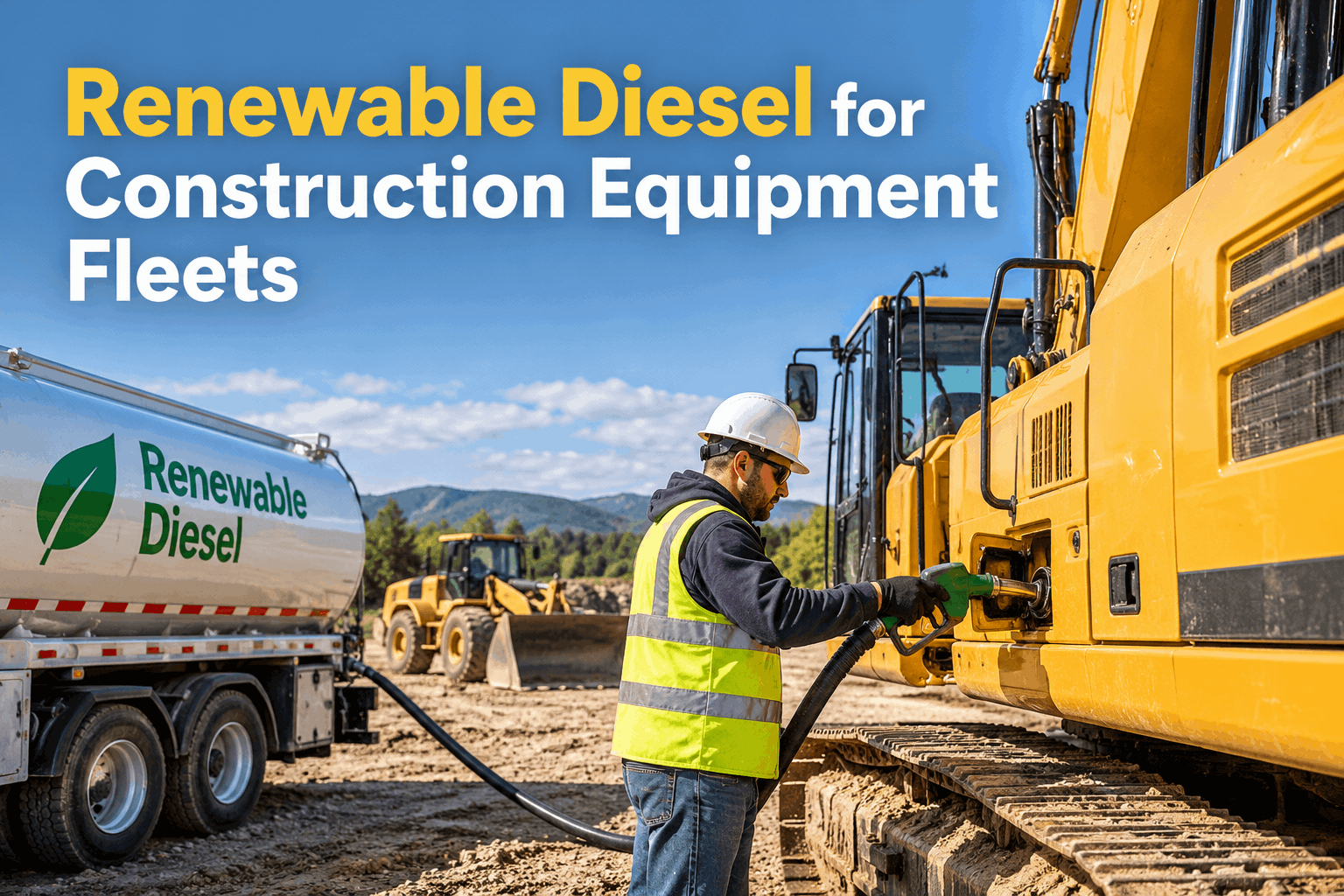
That's the honest role for a maintenance platform in electrification: not selling the machines, but keeping the mixed fleet inspected, serviced and measured so every adoption decision rests on your data. It's also how you keep a cleaner-fuel path open for the jobs electric can't take yet — see renewable diesel as the bridge for non-electric jobs. Book a demo of mixed-fleet management.
The pilot on recordproving electric on your own numbers
A pilot only earns a scale-up if you can show it worked. When the electric machine's cost, uptime and inspections run against it alongside its diesel equivalent, the verdict reads off one view. Here's that record.
That record turns "electric feels good" into "electric paid off on this job, so let's do more of it" — a decision you can defend to an owner or a board. It's built from the inspections and maintenance HVI already tracks for every machine. Explore electric-vs-diesel cost reporting.
From a construction fleet manager phasing in electric equipment
The pressure to go electric was coming from everywhere — clients, the board, the regulations down the road — and the temptation was to make a big splashy commitment. I'm glad we didn't. We rented one electric mini excavator for an inner-city job where the noise and emissions rules actually made it the better machine, trained two operators on it, and tracked everything against the diesel mini we'd normally use. It won on that job, clearly, so we bought two more for similar work and left the rest of the fleet diesel for now. Adopting it one proven step at a time meant I was never explaining a expensive mistake to the owner — just showing him the numbers from a machine that was already earning.
Electric construction equipment adoption — FAQs
How should a contractor start adopting electric construction equipment?
Phase it in: assess which jobs suit electric, pilot one machine — often a rented compact unit — on a real job, train operators and track the results, then scale into the work it proved out on. Each step de-risks the next, so you never over-commit.
What's the best first electric machine to pilot?
A compact machine — a mini excavator or compact loader — on a high-utilization urban or indoor job at a site with charging access. That profile plays to electric's strengths and sidesteps its current limits, giving the pilot the fairest shot at success.
What are the main barriers to adopting electric equipment?
Higher purchase price, charging infrastructure on temporary sites, runtime limits for heavy continuous work, operator and technician unfamiliarity, and resale uncertainty. Most are plannable rather than permanent, which is why a careful phased rollout works.
Does electric construction equipment need different maintenance?
Yes — less of it, but different. Battery, cooling and high-voltage checks replace oil, filters and exhaust servicing, and technicians need high-voltage safety basics. Your inspection and PM routines need updating for electric, not discarding.
How does HVI help with electric equipment adoption?
HVI doesn't sell or charge equipment — it manages the mixed fleet through the transition. It tracks inspections, maintenance and cost for electric and diesel in one system, so you can compare them on real data and prove, machine by machine, where electric earns its place.
Bring electric into your fleet without betting the business
Electric construction equipment is a real edge for contractors who adopt it in phases — pilot one machine, prove it on your numbers, scale what works. HVI keeps the mixed fleet inspected, serviced and measured so every step rests on your data, not a vendor's promise. Book a demo and plan your rollout.
No credit card · No hardware · Manage electric and diesel together from day one