A wheel loader runs a tight, repetitive cycle all shift — load, haul, dump, reverse — and that relentless duty is exactly why its running cost creeps up through the maintenance side: tires scrubbed on the pile, an articulation joint that grinds without grease, a transmission service pushed a week too far. Wheel loader maintenance software fixes that by running every service on engine hours, tracking tire and driveline cost per machine, and keeping the full repair history where a fleet manager can read it. A service comes due as a scheduled work order, and cost-per-hour becomes a real number instead of a guess. Book a demo to see a loader's cost and record live.
Wheel Loader Maintenance Software for Fleets
Engine-hour PM, articulation and driveline service, tire cost tracking and full work-order history — one maintenance record per loader, and a real cost per hour.
A wheel loader's maintenance isn't the engine's story — it's the tires that scrub against the pile, the articulation joint that steers every cycle, and the transmission and driveline that take the shock of loading. Those wear on hours and cycles, and their cost only becomes predictable when it's tracked per machine. Run a wheel loader service on a calendar and you'll service the idle ones too soon and lose a joint or a transmission on the busy ones.
Where a loader's cost per hour goeswhy wheel loader maintenance software tracks cost by system
The reason a loader is worth digitizing on the maintenance side is cost-per-hour — and most of it isn't fuel. It's tires, scheduled services, repairs and driveline wear, and until each is tracked against the machine, the number is a guess. Wheel loader maintenance software turns it into a figure you can quote and compare across the fleet.
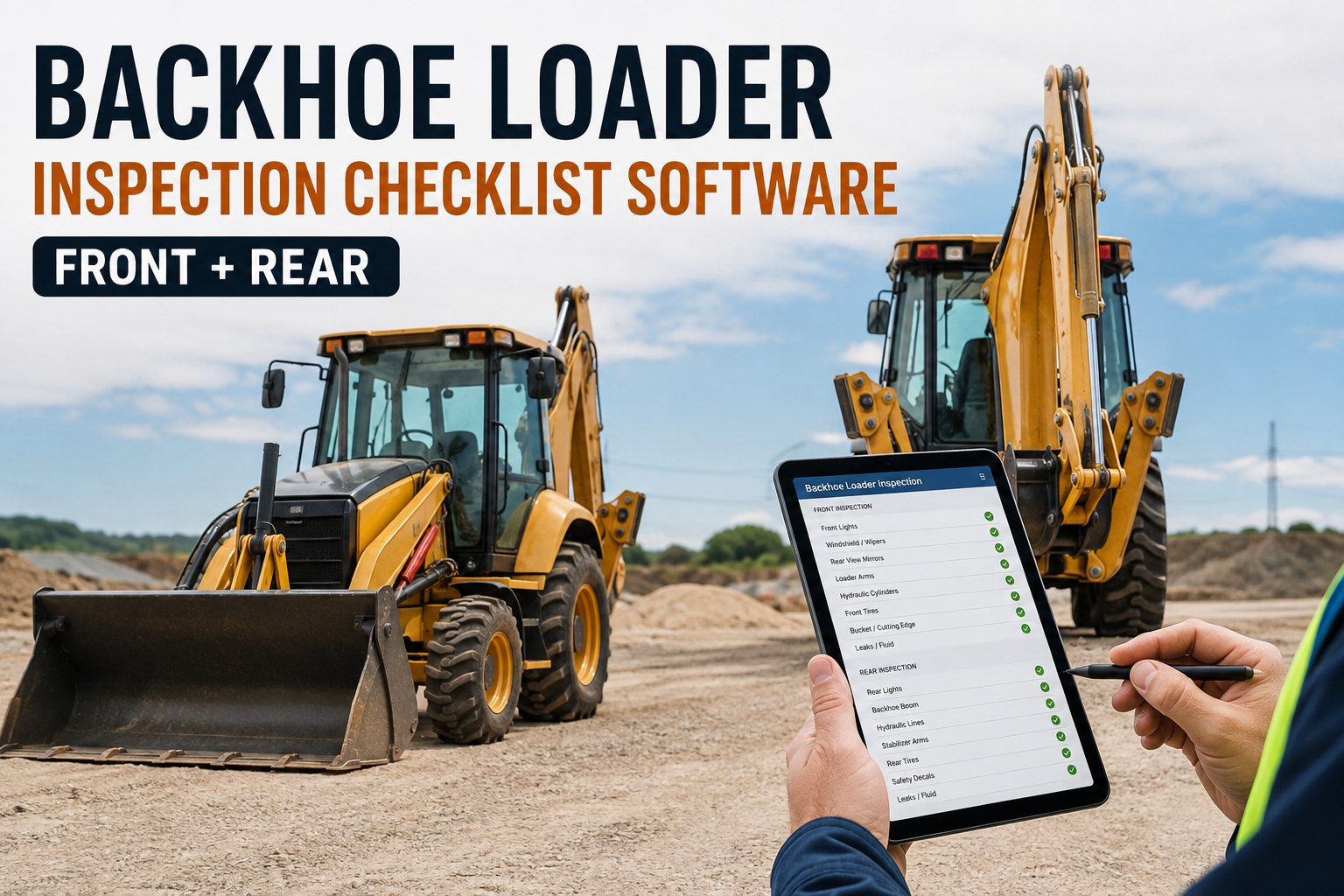
This is the maintenance side of the loader — separate from the pre-shift walkaround on our wheel loader inspection checklist software, this page is about the service schedule and the cost records behind it. HVI runs it on a configurable preventive maintenance system that holds every loader's service on its own hour clock.
Maintenance by engine hourswhy a wheel loader PM schedule runs on hours, not the calendar
A loader running two shifts on a quarry face reaches its services far faster than one that sat between jobs. Tie the schedule to a date and you'll service one too early and the next too late. Wheel loader preventive maintenance fires on engine hours per machine — engine, hydraulic and driveline services all on the same clock. Here's the ladder the software should drive.
Set it once and the software counts the hours, so a maintenance management workflow raises each service as a scheduled work order instead of a missed one. You can start a free trial and load your own hour schedules in an afternoon.
The loader maintenance software checklistwhat to require before you standardize on a platform
Score any shortlist against this before you commit. These are the capabilities that decide whether software actually runs your loader maintenance program — or just stores a form. A tool worth standardizing a fleet on should tick nearly every line.
A platform that meets these runs the program instead of filing it, as part of the wider construction equipment maintenance HVI supports, with parts and inventory tied to each job — a loader schedule is live in an afternoon.
Where loader maintenance actually hidesthe articulation joint and driveline a generic PM plan under-services
The reason a wheel loader needs its own schedule is the systems a generic plan under-tracks: the articulation joint that steers every cycle, and the transmission and driveline that take the shock of loading. Both wear on hours and cycles, both are expensive once neglected, and both are easy to miss on a one-size plan.
The center hinge steers every load-and-reverse cycle, and its pins and bearings take the full twist. On schedule it's grease and a check; off schedule it's play, then a bushing kit, then downtime. Software keeps the greasing interval and the wear history on the record so a loose joint is caught as a trend, not a failure.
The powershift transmission and axles absorb the shock of every bucket of material, and their oil degrades on hours and load. A missed service is far more expensive than the oil. Software holds each interval per loader and raises it as a work order with the parts listed, so a transmission is serviced before it slips.
Keeping these on hours is the difference between a planned spend and a surprise one. For loaders working mine faces, see our mining wheel loader inspection guide. Book a demo to see the driveline schedule.
The record you're actually buyingwhat a wheel loader looks like inside the platform
What you're evaluating is this view: the loader's hours, its next services, its open work orders and the tire and repair cost against them — the single maintenance record a planner reads to build the week and quote the job.
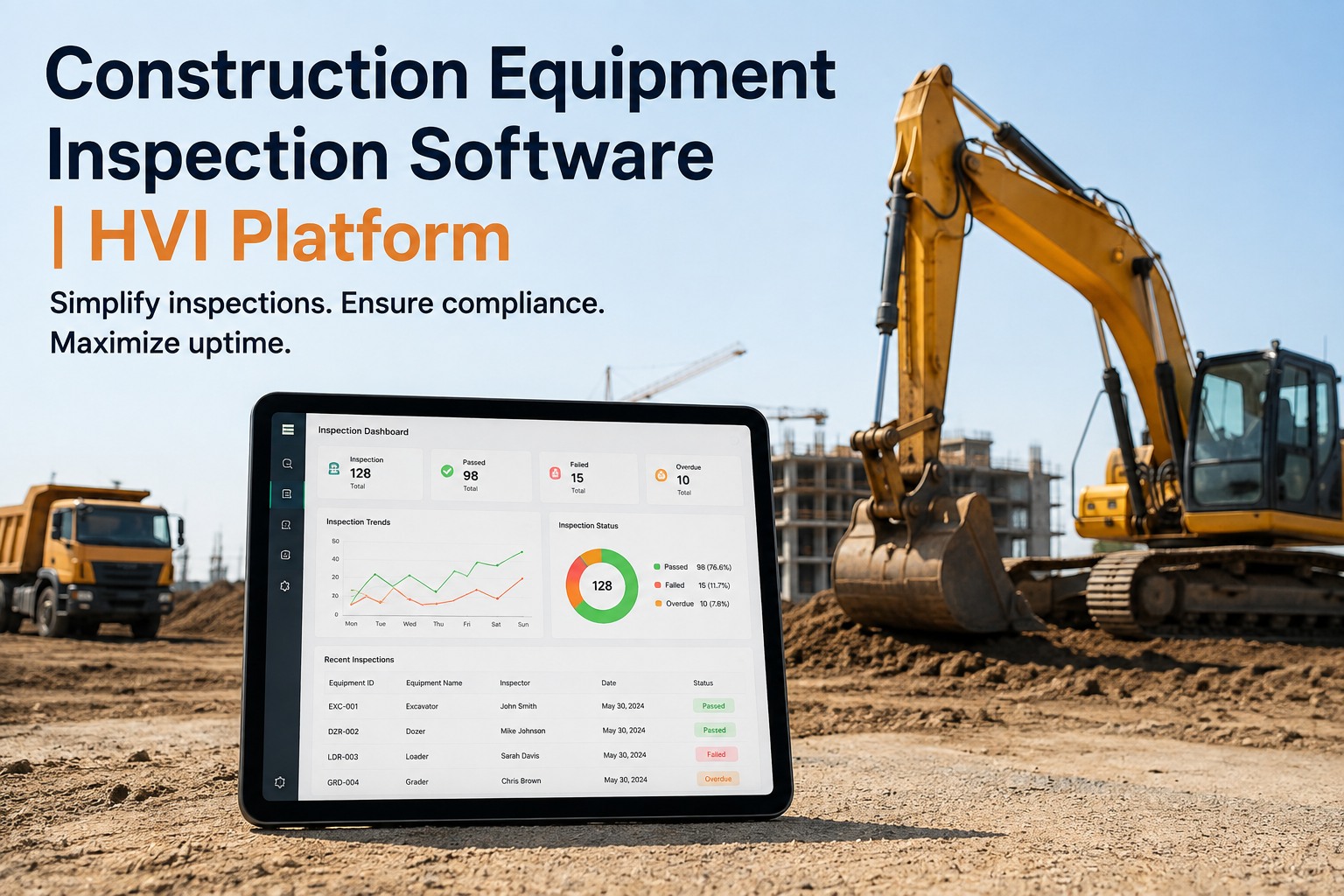
When the planner builds the week, they read this record and the analytics and reporting dashboard behind it — which turns the whole loader fleet's services and cost into the numbers the maintenance meeting runs on.
From an aggregate fleet manager on digitizing the loaders
We knew the loaders were our most expensive machines to run, but we couldn't say why or which one — the tire spend and the service costs lived in different spreadsheets, and the articulation greasing was whoever remembered. Once every service ran on engine hours and the tire and repair cost sat against each loader, cost-per-hour finally became a number I could put on a quote. And the articulation joints stopped surprising us, because the greasing was on the schedule and the wear was on the record. The busy loaders get serviced on time now, and the quiet ones aren't serviced for nothing.
Wheel loader maintenance FAQs
What is wheel loader maintenance software?
How is this different from loader inspection software?
Can it schedule PM by engine hours instead of calendar?
Does it track tire and repair cost per loader?
How long until it's running on our loaders?
Run the whole loader fleet on hours and cost
Wheel loader maintenance software turns a calendar guess into one maintenance record per loader — every service on its hours, the tires and driveline tracked for cost, and each repair run from defect to parts to sign-off. Bring the demo, load your schedules, and turn cost-per-hour into a number you can quote.