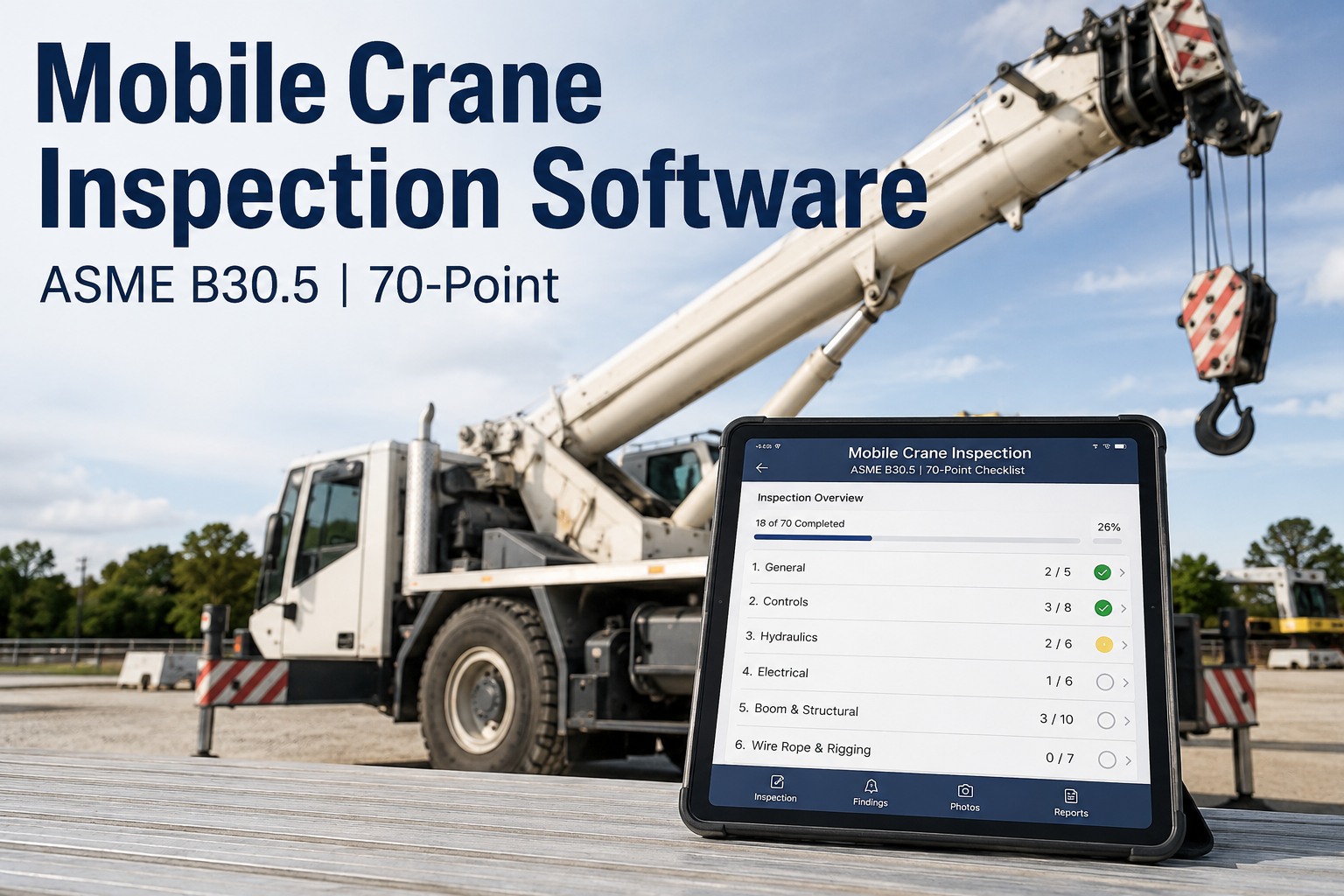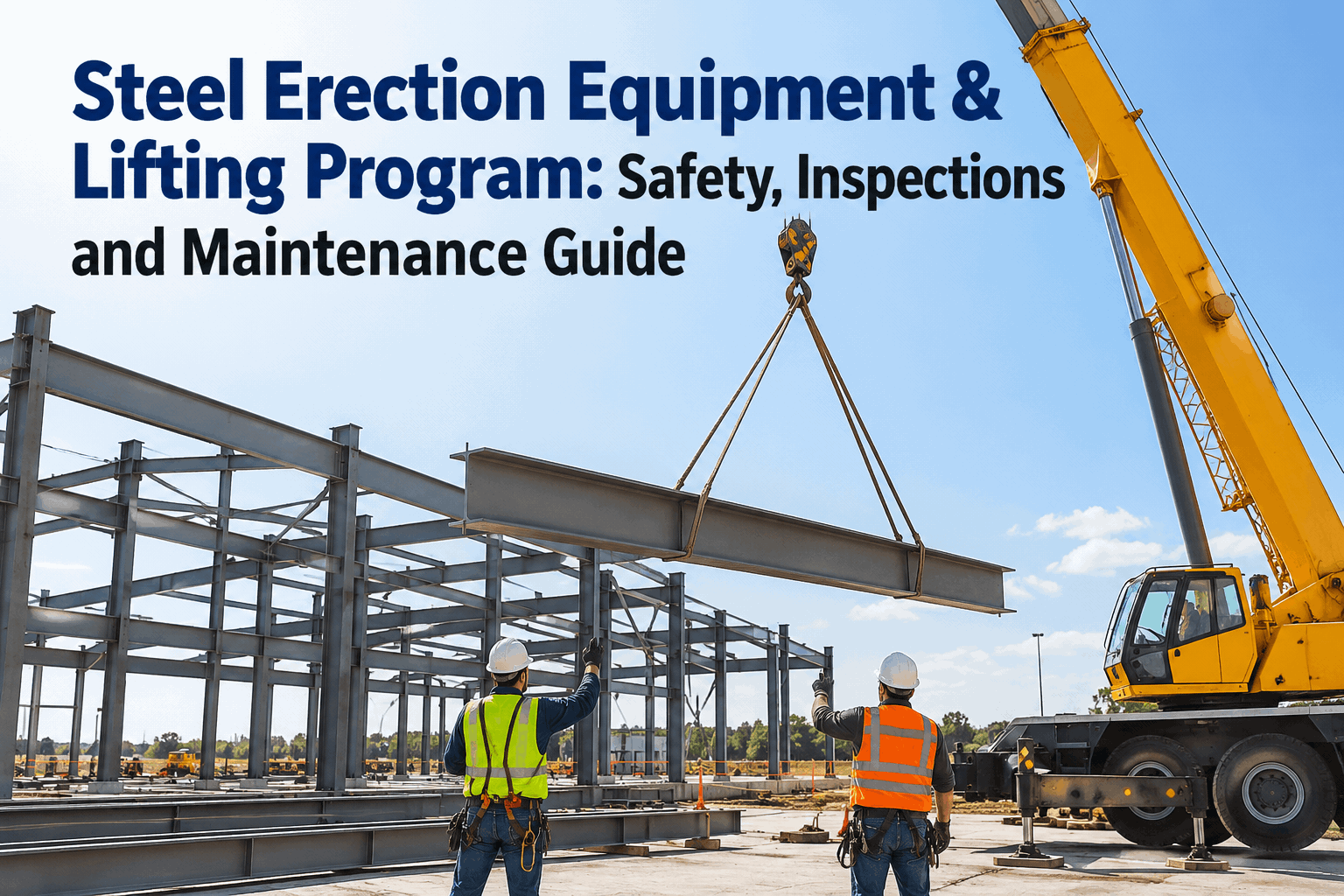
Steel erection equipment readiness is decided before the first beam leaves the ground. A crane may be available, yet an unresolved rigging defect, missing lift inspection or overdue service can stop the pick. This guide helps steel erection teams coordinate equipment checks, lifting controls and repair follow-up without confusing a maintenance record with an approved lift plan.
The beam is ready. Is the lifting system?
One lifting operation depends on several separate checks: crane condition, rigging integrity, aerial-lift readiness and an authorized lift plan. Make each inspection, defect and maintenance action visible before the crew commits to the pick.
Four checks behind every safe pick
Steel erection lifting safety is not a single checklist. Each link needs its own owner and evidence, while the lift director and qualified personnel retain authority over the operation.
Crane & lifting machine
Pre-use checks, required inspections, maintenance status and out-of-service defects.
Rigging & attachments
Slings, hooks, shackles, spreader beams and gear-specific rejection criteria.
Access equipment
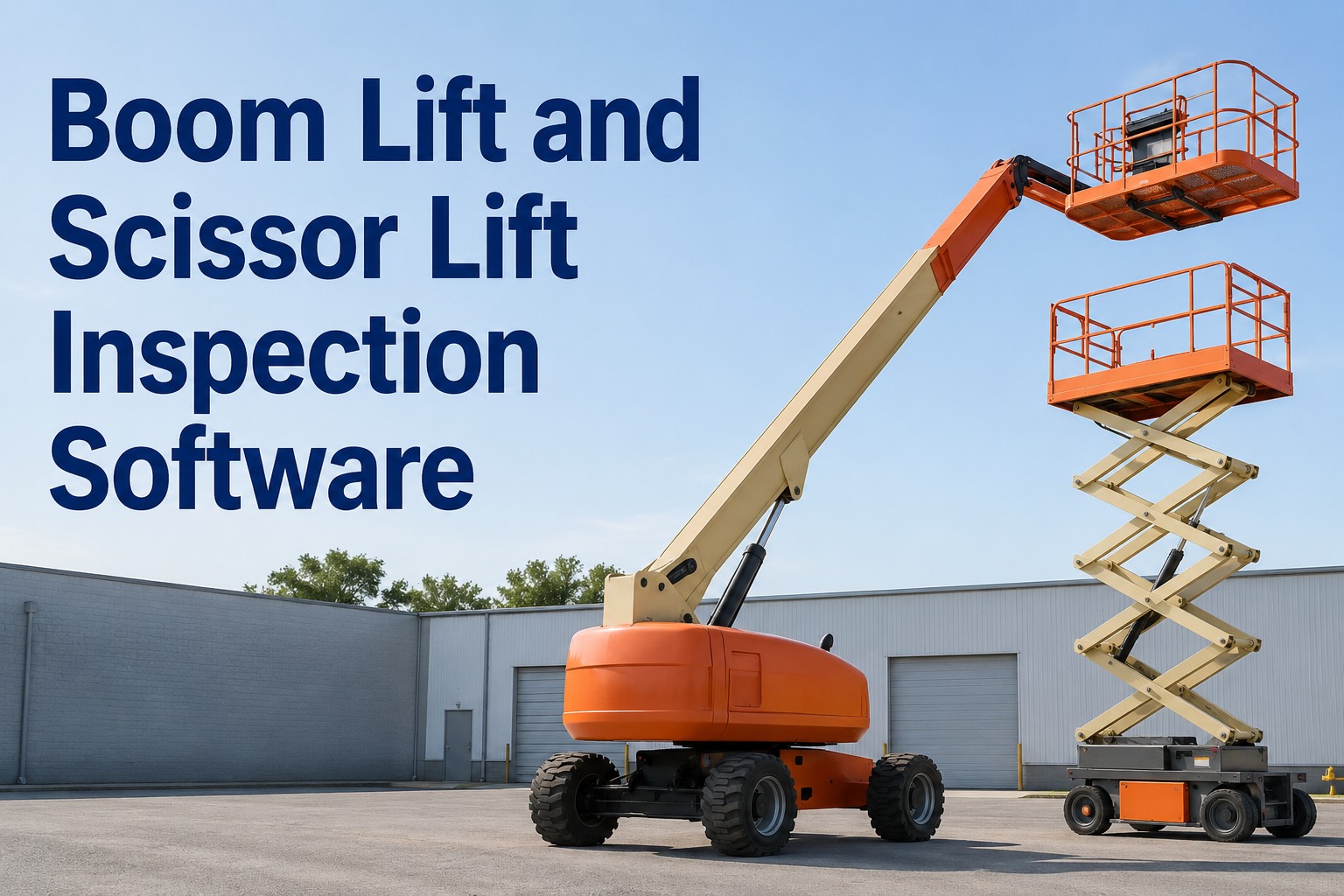
Boom lifts, scissor lifts and work platforms checked before use and serviced.
Lift planning & release
Load, radius, ground conditions, exclusion zones, communications and authorization.
Important distinction: HVI can help organize equipment records, inspections and maintenance follow-up. A qualified lift plan, engineering assessment and operational go/no-go decision must follow applicable site rules and regulations.
Inspect the equipment you actually use
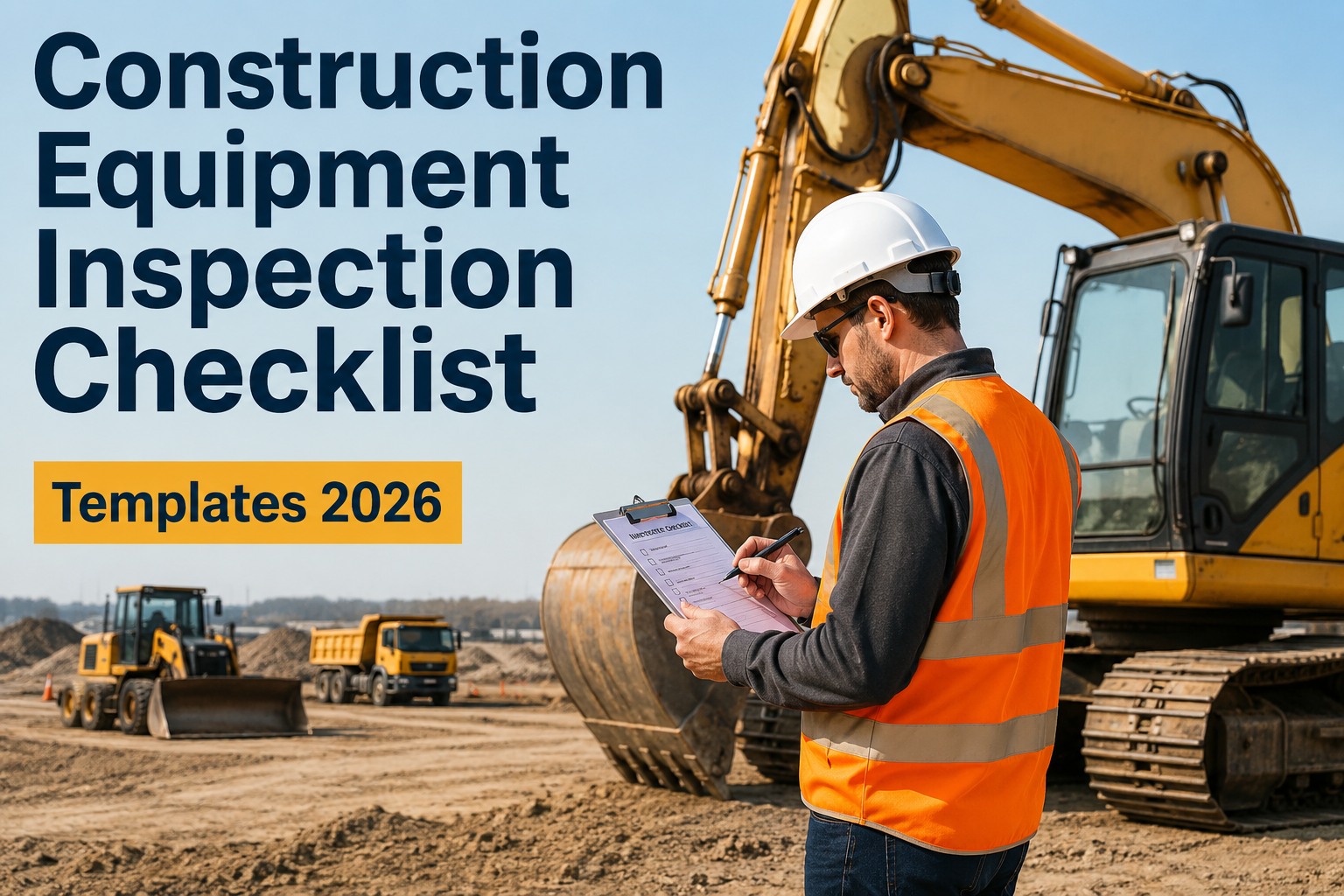
Use configurable checklists that reflect the machine, manufacturer instructions and site conditions—not one generic form for every lift.
Controls, brakes, safety devices, wire rope, leaks, tires/outriggers and manufacturer-required items
Equipment-specificIdentification, rated capacity, wear, cuts, deformation, cracks, corrosion and removal criteria
Before useEmergency lowering, controls, guardrails, tires, alarms, leaks and operating surface
Pre-operationIdentification, connection points, condition, limits and inspection documentation
Per deviceKnow which lifting assets need attention before the next shift
Bring inspection records, equipment status and maintenance follow-up into a consistent workflow for your steel erection teams.
From delivery to the next approved lift
Every handoff is a chance for an equipment fault to disappear into a phone call. Give each change of condition a recorded next step.
Receive & register
Identify machine, attachments, location, service history and required documents.
Inspect & document
Record checks before use and flag defects that require immediate action.
Repair & maintain
Assign work, record parts/labor and capture the repair outcome.
Verify & return
Confirm corrective action and required authorization before the asset is reused.
Example defect: damaged sling
An inspector identifies damaged sling material. The crew removes it from service and logs the asset ID, condition and photo. Replacement or approved corrective action is documented before the gear returns to service.
Example PM: boom lift
Use manufacturer-based hour and calendar triggers for service. Review upcoming work against the erection schedule and arrange a replacement asset if planned downtime affects site access.
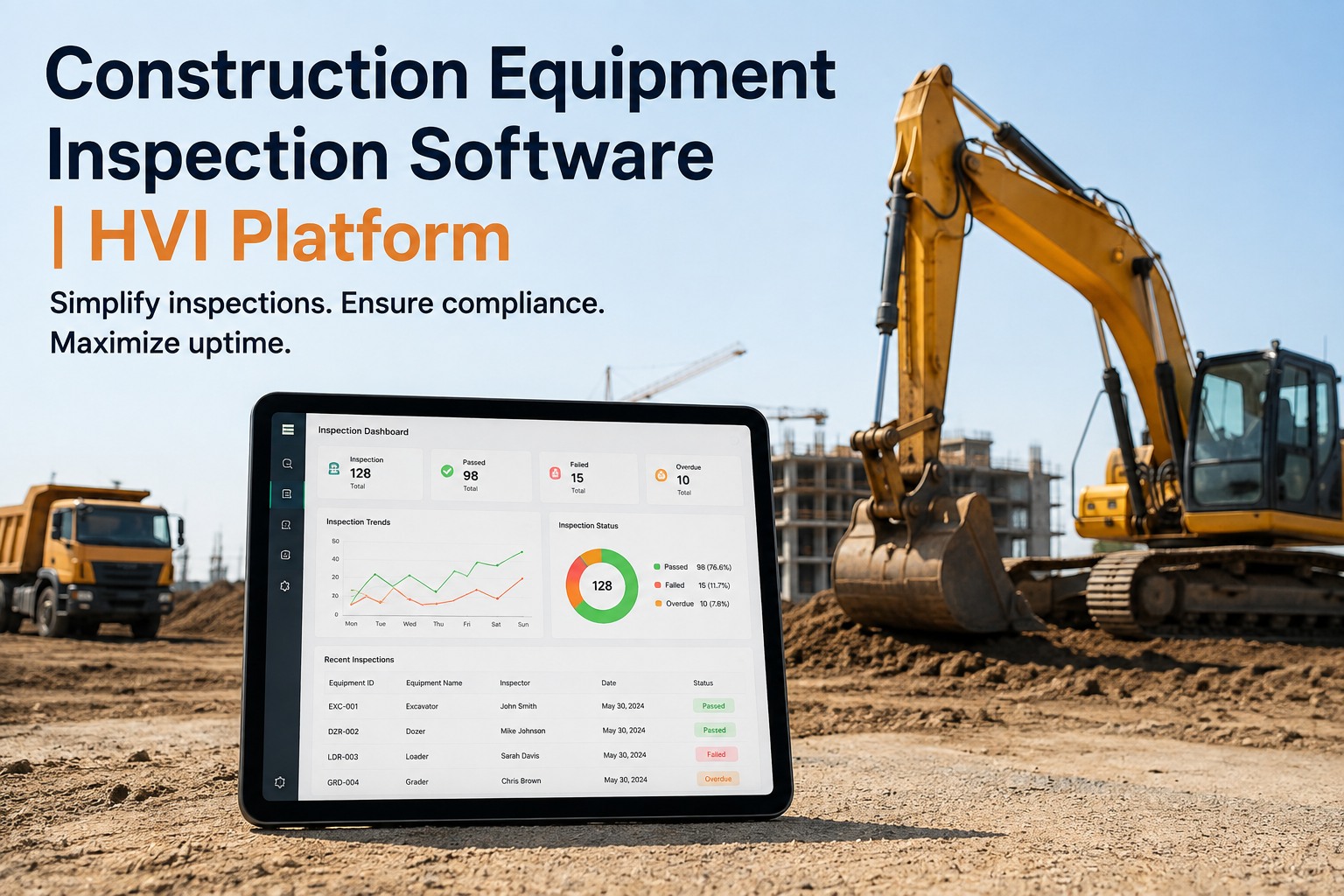
A weekly readiness board that prompts action
These are example management categories, not live HVI data. The objective is to surface exceptions early enough to act on them.
Which assigned assets lack required checks?
What remains tagged out or awaiting repair?
What service could conflict with the lift schedule?
For contractors coordinating multiple jobsites, a consistent record is often more useful than another disconnected spreadsheet. Book an HVI Demo to Explore Inspection and Maintenance Tracking →
Build a repeatable lifting-equipment program
Start with the assets and defects that create the highest operational exposure, then expand once the workflow is being followed in the field.
Inventory critical assets
List cranes, lifts, rigging sets and attachments with IDs, owners and locations.
Standardize inspections
Match checklists to manufacturer guidance, applicable requirements and site procedures.
Connect defects to work
Define out-of-service controls, repair ownership and verification records.
Review exceptions
Check missing inspections, overdue PM and open critical defects weekly.
Steel erection equipment: quick answers
Practical questions from safety, fleet and site supervisors.
What equipment should a steel erection inspection program cover?
Include cranes and hoists, rigging gear, lifting attachments, aerial work platforms and supporting equipment. Define inspection criteria for each category based on its manufacturer, use and applicable rules.
How often should cranes and rigging be inspected?
Inspection timing depends on equipment type, use, manufacturer requirements and governing standards. Pre-use checks and periodic or other required inspections serve different purposes. Do not use one blanket frequency for every asset.
What should happen when rigging equipment fails inspection?
Remove affected equipment from service under site procedures, identify the defect, prevent reuse, and document approved corrective action or replacement. Return it to service only after required verification and authorization.
Can maintenance software replace a steel erection lift plan?
No. Software can support equipment inspection and maintenance records, but it cannot replace site-specific lift planning, competent or qualified personnel, engineering review or operational authorization.
How can HVI support a steel erection equipment program?
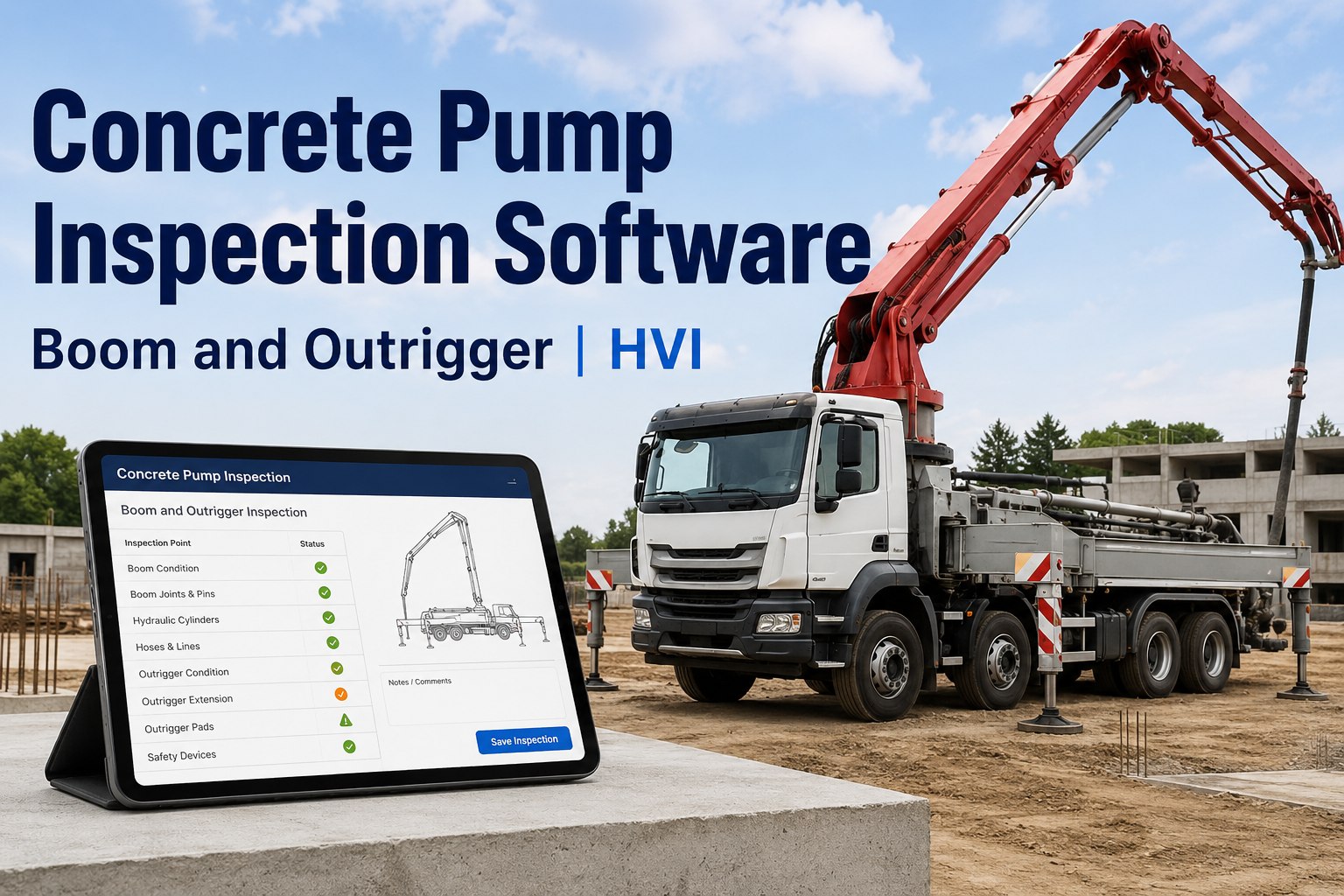
HVI can help maintain equipment asset records, configurable inspection checklists, preventive maintenance schedules, defect reports and maintenance histories so managers can follow up on equipment readiness across jobsites.
Keep lifting equipment records ready for the next job
See how HVI supports equipment inspections, planned maintenance and defect accountability—while your qualified team controls lift planning and release.