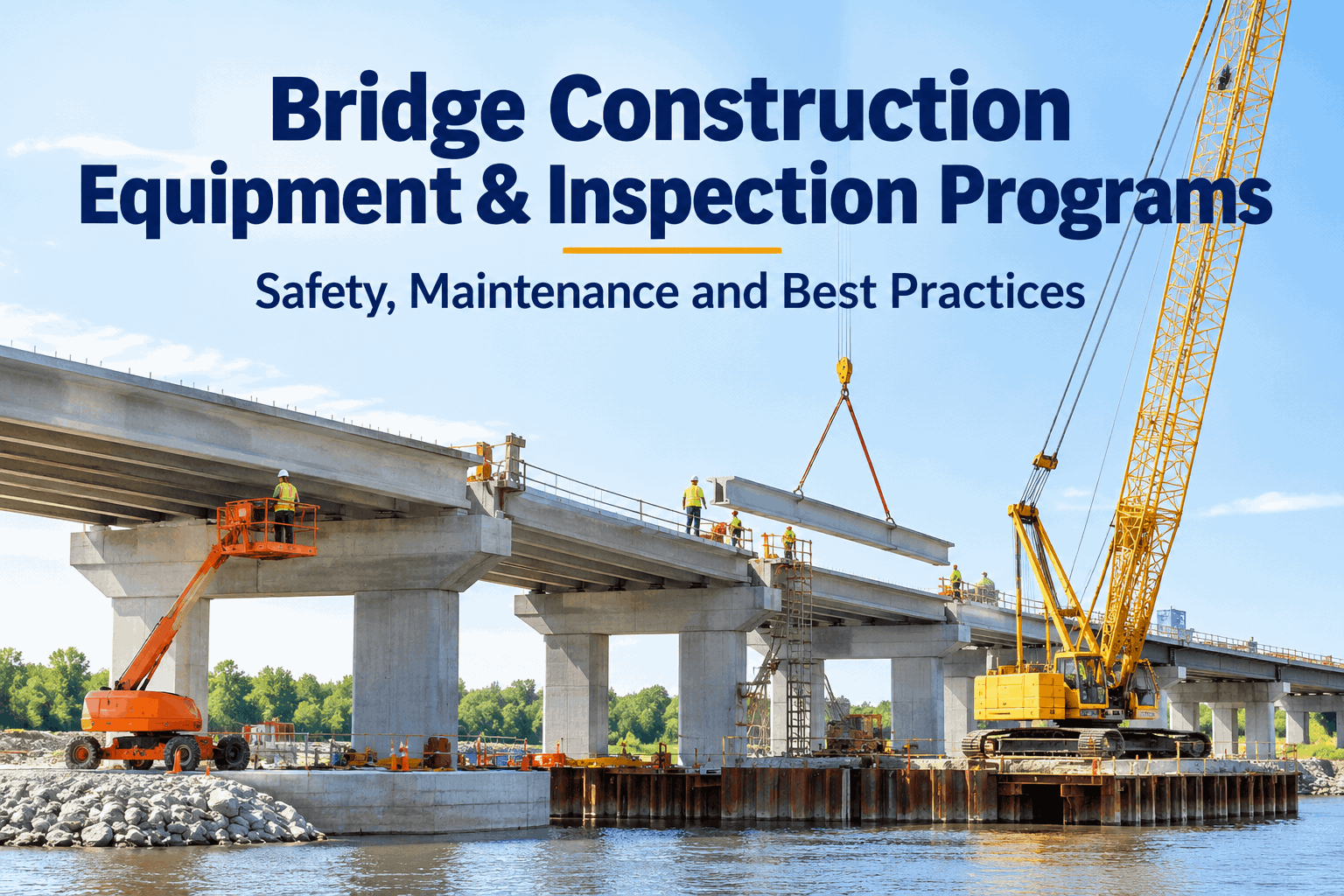
A bridge crew can have a crane on site, an access lift in position and the next girder ready—yet still lose the lift window when a rigging defect or overdue inspection appears at the last minute. Bridge construction equipment works across changing spans, elevations and access conditions, so readiness must be verified for each machine before the shift begins. This guide explains how to organize equipment inspections, maintenance and defect follow-up without confusing equipment records with lift-plan approval.
The span is ready. Is every machine cleared to work?
One missed inspection can stall an entire lift window. Build a visible readiness trail for cranes, access equipment, rigging and support assets—from the yard to the bridge deck.
A bridge lift depends on more than a crane
Four equipment groups need different checks—but one shared view of readiness.
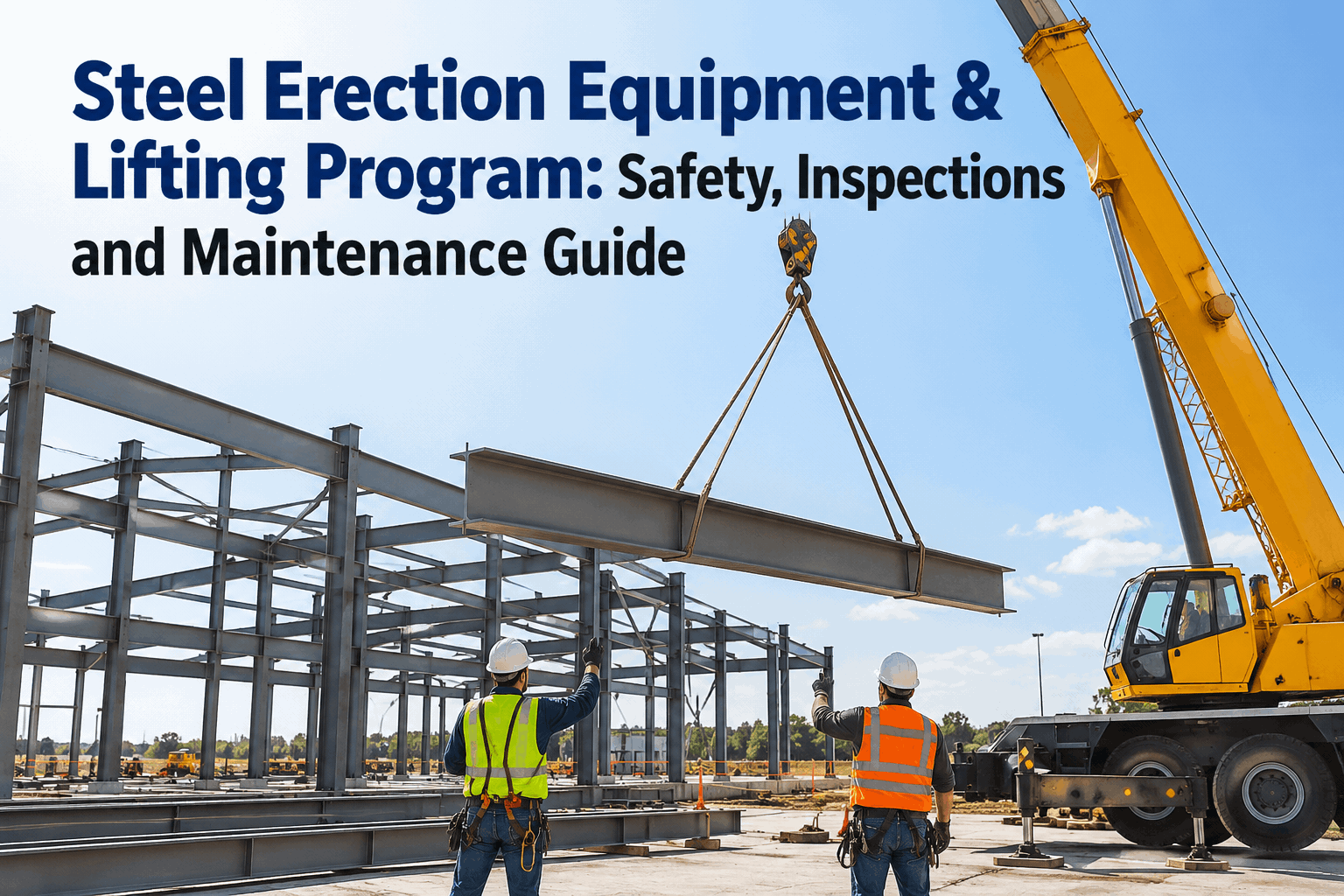
Cranes & lifting plant
Check inspection records, condition findings and maintenance restrictions before equipment is assigned.
LIFTINGRigging & attachments
Identify slings, shackles, spreader beams and lifting accessories; remove damaged items from service.
RIGGINGAccess equipment
Record boom-lift, scissor-lift and platform checks before work at height.
ACCESSSupport equipment
Track generators, compressors, telehandlers and site vehicles that keep the work moving.
SUPPORTA complete lift plan also requires qualified planning, ground/support verification, communication and site-specific authorization. Equipment records support that process; they do not approve the lift. Book an HVI Demo to Explore Bridge Equipment Readiness Tracking →
Follow the equipment from arrival to release
The biggest gaps happen at handoffs, not just during operation.
Confirm asset ID, assigned location and current inspection documents.
Complete the relevant pre-use check and flag any abnormal condition.
Assign repairs, restrict unsafe equipment and retain defect history.
Confirm repair and required reinspection before returning to use.
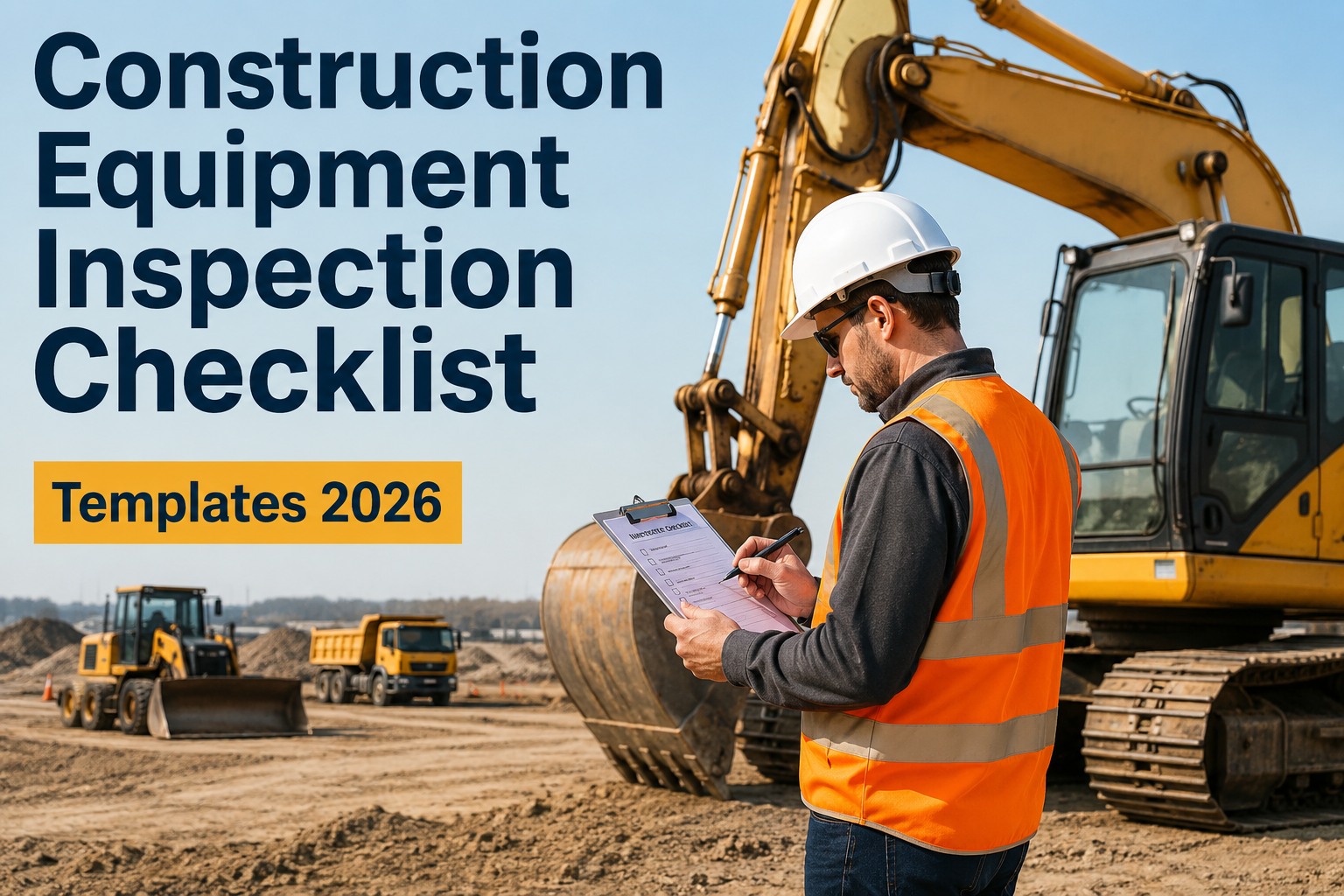
Bridge construction equipment inspection checklist
Use equipment-specific templates rather than a single generic walkaround.
Mobile crane
Leaks, structural damage, controls, safety devices, wire rope condition and current inspection documentation.
Rigging gear
Identification, rated capacity, cuts, distortion, corrosion, damaged hooks and inspection status.
Aerial lifts
Guardrails, controls, emergency lowering, tires/outriggers and platform condition.
Access & support
Generators, telehandlers, temporary access equipment and any project-specific attachments.
Inspection frequency and competent-person requirements vary by equipment, manufacturer, jurisdiction and conditions of use. Follow applicable rules and site procedures. Book an HVI Demo to See Configurable Crane and Lift Checklists →
Plan maintenance around the construction sequence
Bridge equipment may sit idle for days, then face intense use during a narrow work window.
Use meter readings, dates, inspection findings and manufacturer instructions to set service tasks. Keep repair evidence with each asset instead of relying on verbal handovers. Book an HVI Demo to See Preventive Maintenance Scheduling →
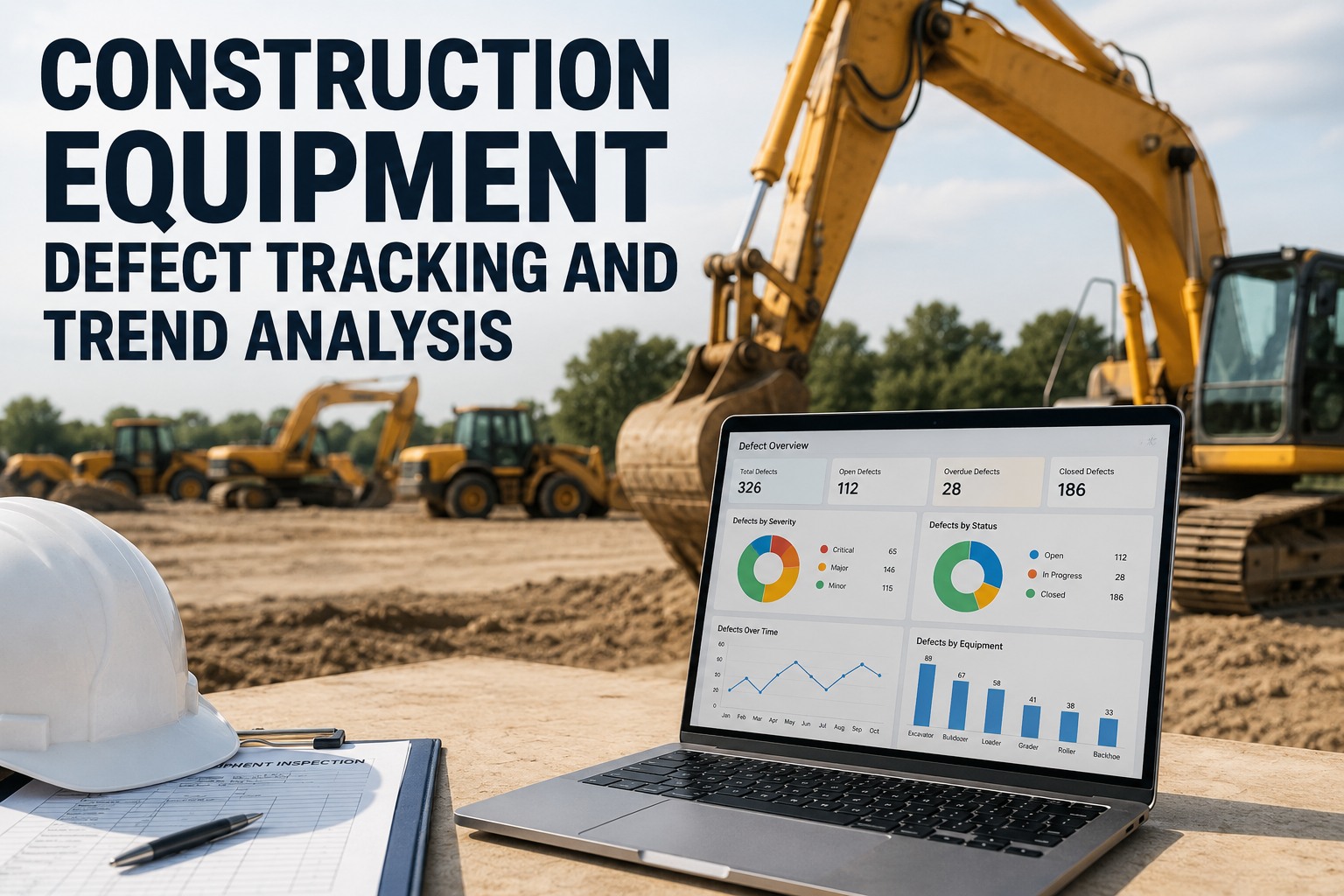
Make defects impossible to lose in the handover
A fault should have an owner, a repair record and a verification step—not just a note in the shift log.
A sling is found with visible damage during pre-use inspection.
Do not put it back into service while the team looks for a replacement. Tag or segregate it according to site procedure, record the defect and obtain suitable replacement equipment.
HVI can support the record trail from inspection finding to maintenance follow-up; the authorized site team determines safe release. Sign Up Free to Begin Tracking Equipment Defects →
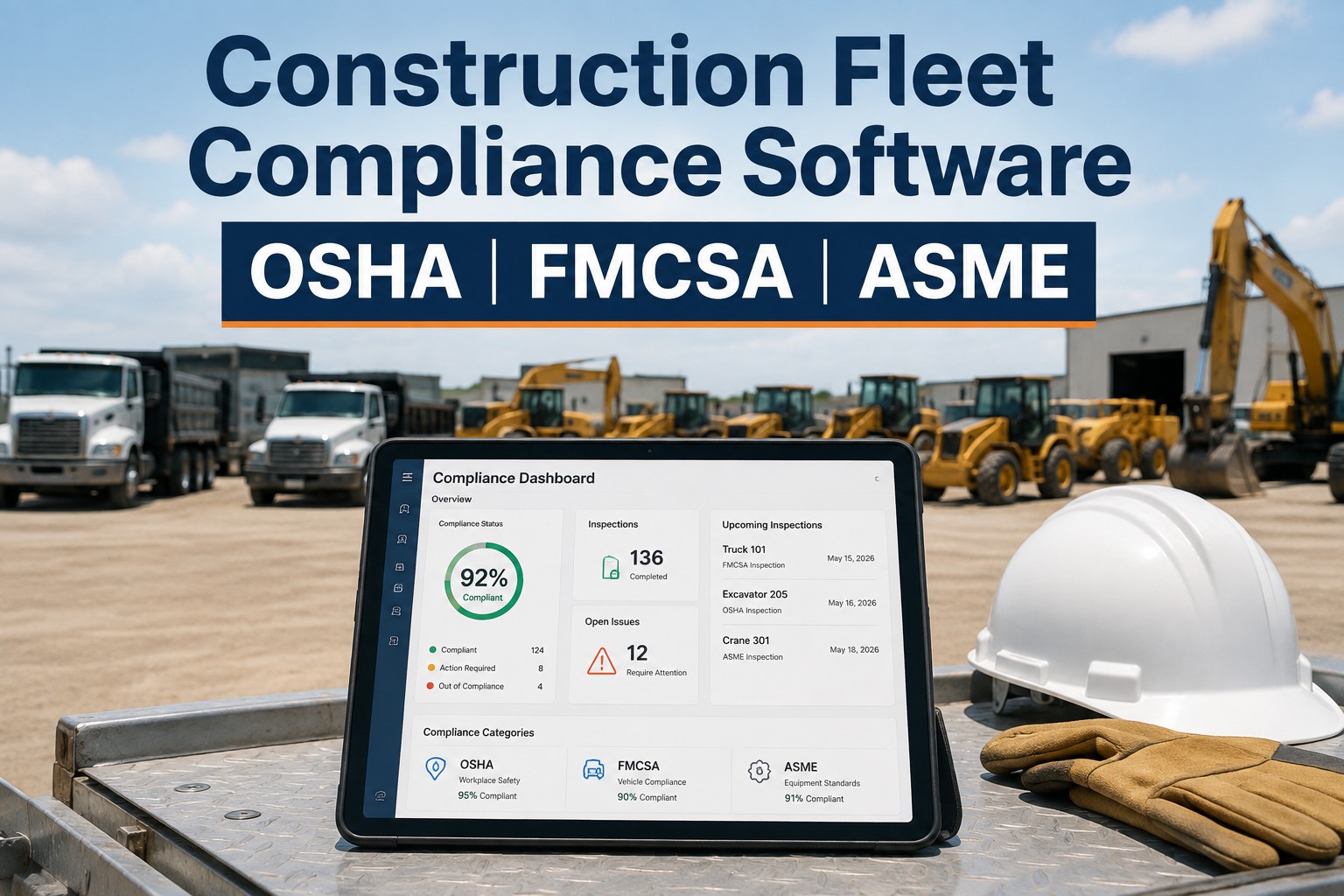
Review readiness before every critical work window
A short exception review is more useful than a dashboard full of unprioritized counts.
At the morning coordination meeting, review the actual equipment list against the planned work. This avoids assuming that yesterday’s available machine is ready today. Book an HVI Demo to Review Equipment Maintenance and Inspection Records →
Bridge construction equipment: frequently asked questions
Quick answers for equipment managers and safety supervisors.
What equipment should a bridge construction inspection program cover?
Include cranes, lifting accessories, access platforms, telehandlers, generators, support vehicles and other equipment used on the project. Assign inspection criteria based on the asset and its operating conditions.
How often should bridge construction cranes and rigging be inspected?
There is no single frequency for every asset. Requirements depend on applicable regulations, manufacturer instructions, inspection type, service conditions and site procedures. Qualified personnel should determine and perform required checks.
Can digital inspection software replace a lift plan?
No. Digital inspections document equipment condition and findings. Lift planning, load calculations, ground conditions, rigging selection and lift authorization remain separate responsibilities of qualified site personnel.
What happens when an inspection finds a safety-critical defect?
Stop using or restrict the affected equipment as required, identify and document the issue, arrange authorized corrective action and verify the necessary inspection or acceptance before return to service.
How can HVI help bridge construction equipment managers?
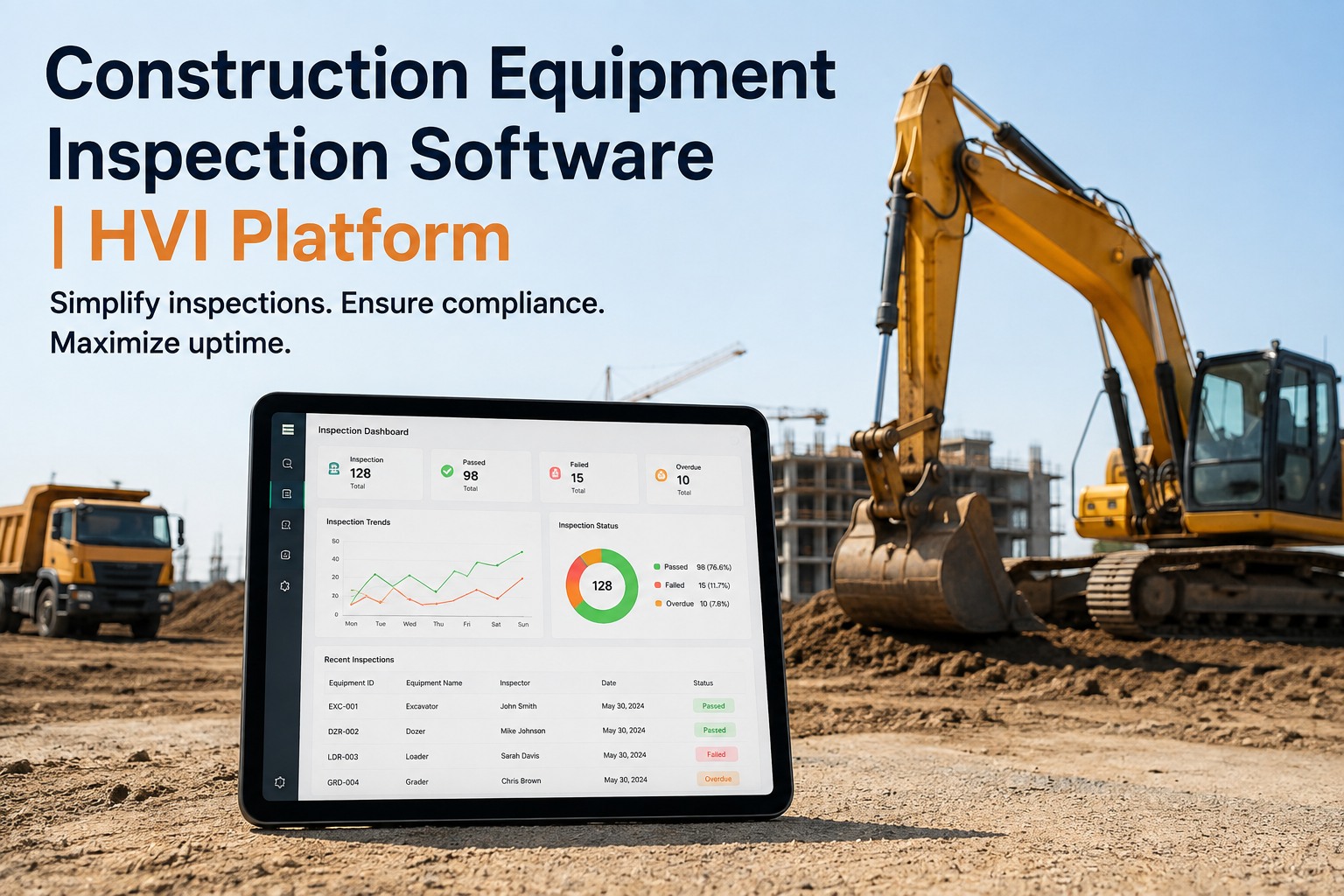
HVI supports asset records, configurable digital inspection checklists, preventive maintenance scheduling, defect documentation and maintenance history so teams can organize equipment readiness information.