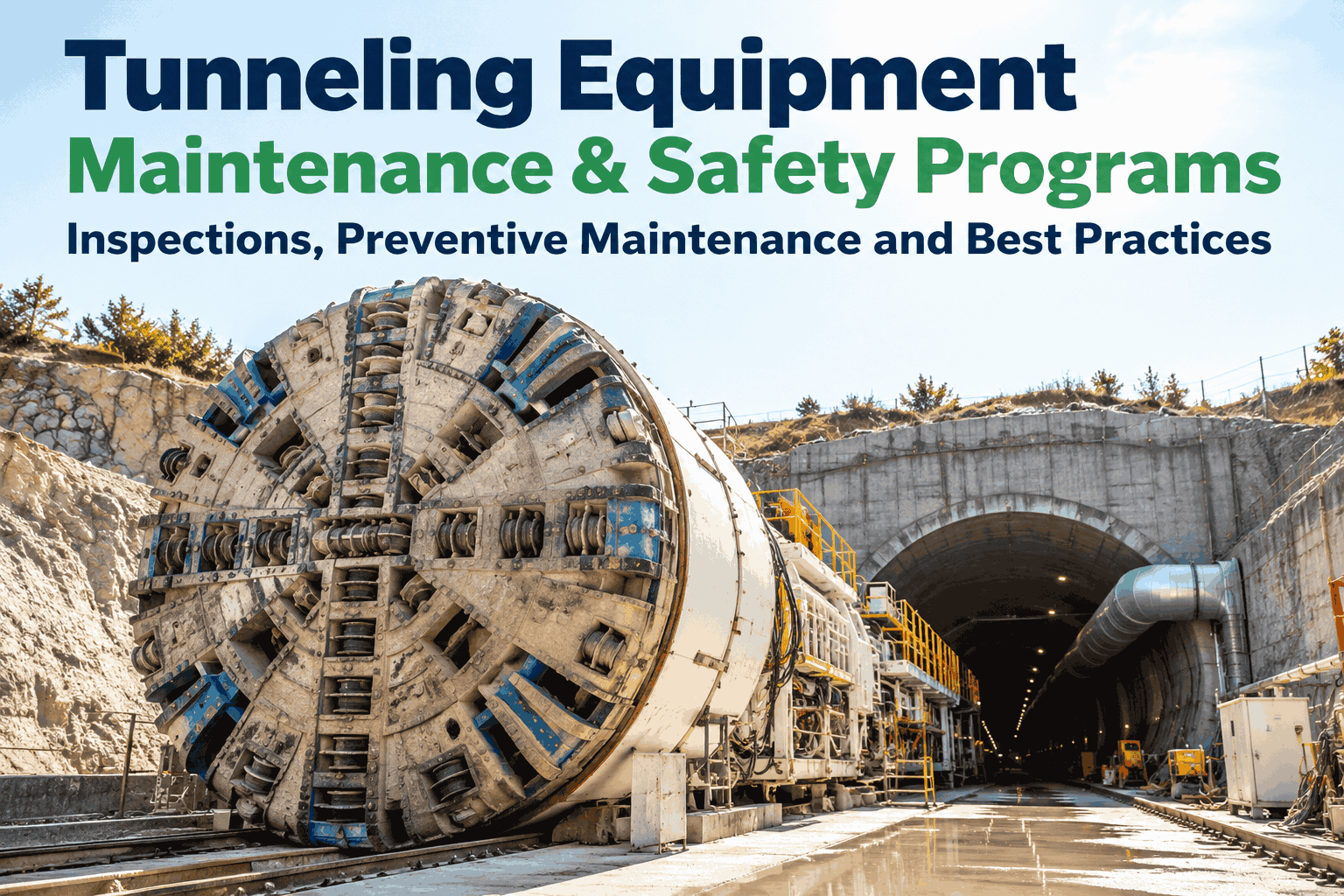
A tunnel boring machine can be mechanically sound while a failed conveyor, ventilation fan or hydraulic hose still stops underground progress. Effective tunneling equipment maintenance means inspecting the entire working system, recording defects before the next shift and scheduling repairs around limited underground access. This guide shows how to organize that program—and where Book an HVI Demo to See Underground Equipment Inspections fits.
The cutterhead is ready.
Is the rest of the tunnel?
Keep TBMs, roadheaders, support equipment and essential services on a shared inspection-to-repair plan—before one overlooked asset interrupts the heading.
One heading. Multiple failure points.
Map the equipment chain before deciding what to inspect, service or hold.
Underground production depends on more than the primary excavator. A working TBM or roadheader can still be immobilized by failed muck removal, power distribution, pumps, ventilation or access equipment. Maintain a named asset record for each critical item, with an owner, inspection interval and defect history.
Make the pre-shift check equipment-specific.
Different machines fail differently. Your checklists should reflect those risks.
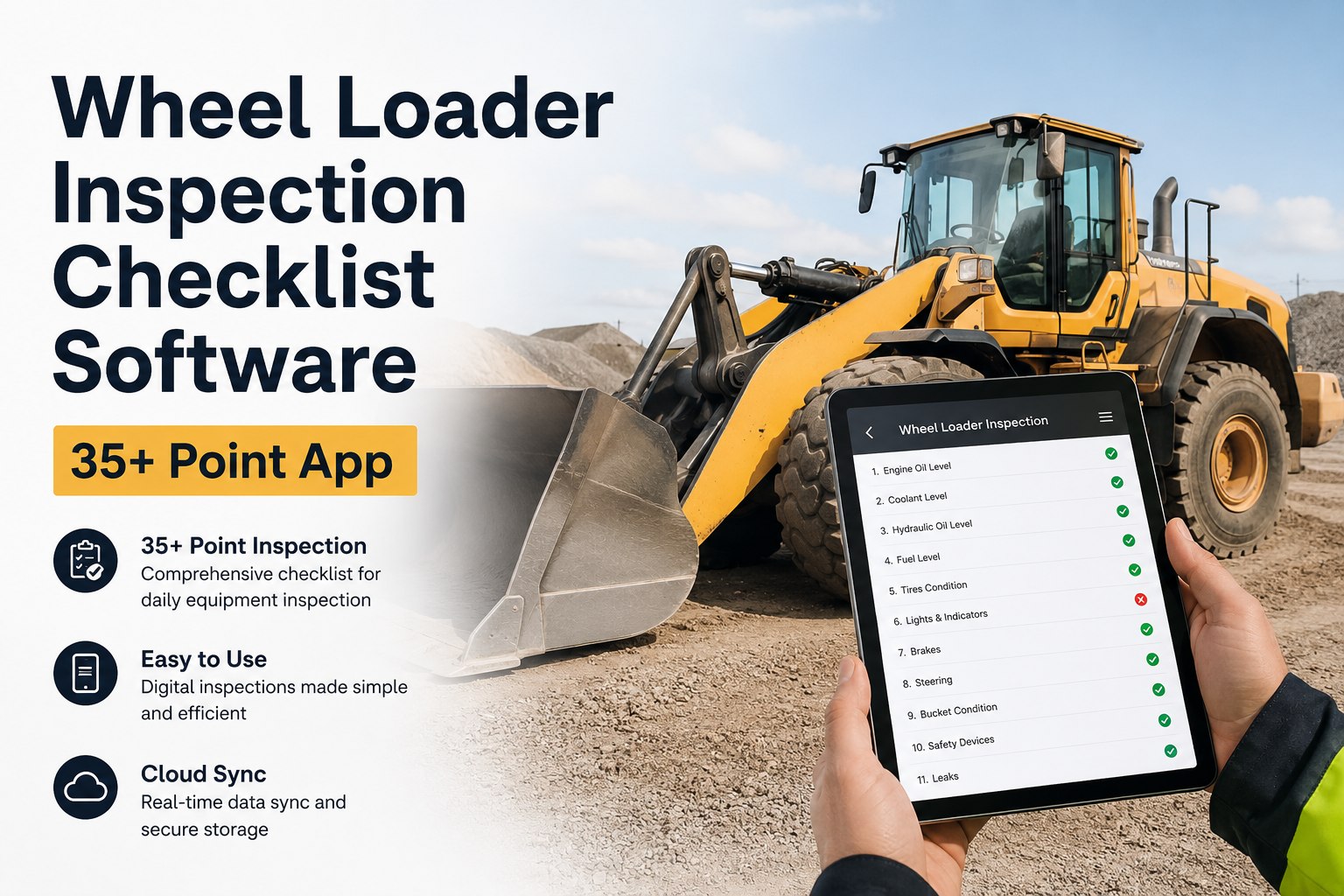
TBM / roadheader
- Cutting tools, wear and visible damage
- Hydraulic leaks, hose routing and guards
- Conveyor interface and abnormal vibration
- Emergency stops and manufacturer checks
Conveyor / muck removal
- Belt tracking, rollers and guards
- Transfer-point buildup and spillage
- Pull-cords and accessible stop devices
- Drive temperature and unusual noise
Ventilation / dewatering
- Fan condition, duct integrity and connections
- Pump leaks, suction and discharge condition
- Backup equipment readiness
- Inspection of alarms by authorized personnel
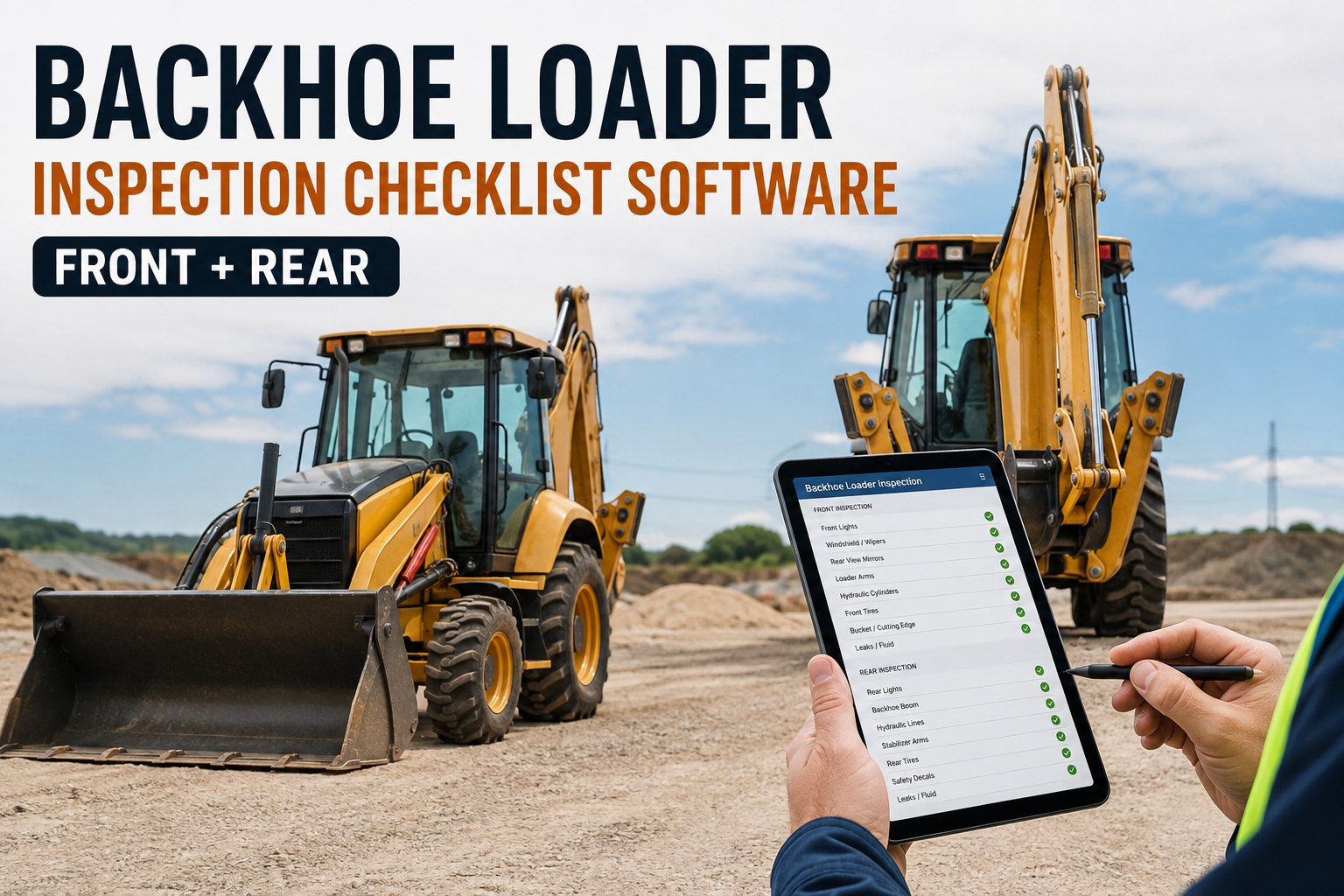
Underground support fleet
- Brakes, steering, tires or tracks
- Lights, alarms and visibility
- Fire protection and fluid leaks
- Outstanding defects and service status
Use manufacturer instructions, site risk assessments and applicable local rules to set exact checks. Any safety-critical defect requires the site’s approved stop-use and isolation process—not just a digital status update. Sign Up Free to Build Equipment Inspection Checklists.
Schedule service around access, hours and wear.
Preventive maintenance must fit tunnel conditions and manufacturer requirements.
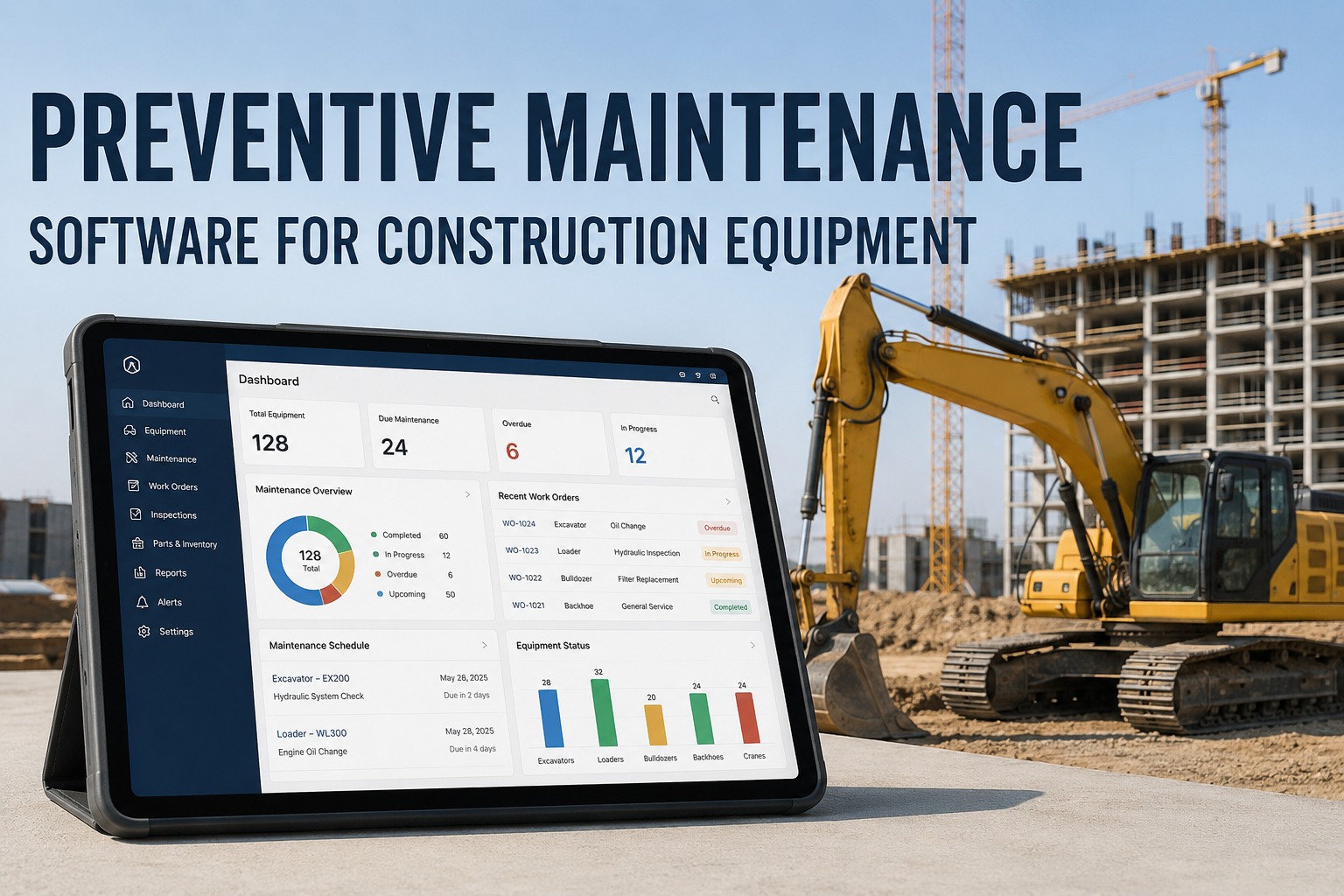
Underground access is constrained and service windows are costly. Build equipment-specific plans using operating hours, elapsed time, inspection findings and duty severity. Plan consumables and isolation requirements before a machine is released for work.
These are maintenance categories, not universal service intervals. Set intervals using OEM guidance and competent site engineering. Book a Demo to See Preventive Maintenance Scheduling.
A defect is not closed when someone says “fixed.”
Capture the finding, assign the repair and document the verification.
Conveyor idler overheating
Operator records heat/noise → supervisor assesses risk and isolates equipment if required → technician replaces the idler → authorized person verifies operation and records release.
Give the next shift an exception list—not a stack of paper.
Surface the few equipment issues that can change the work plan.
Five items for every handover
- Equipment removed from service or under restriction
- Open defects and who owns the next action
- PM tasks due during the next work window
- Critical support-system readiness
- Repair verification and authorization status
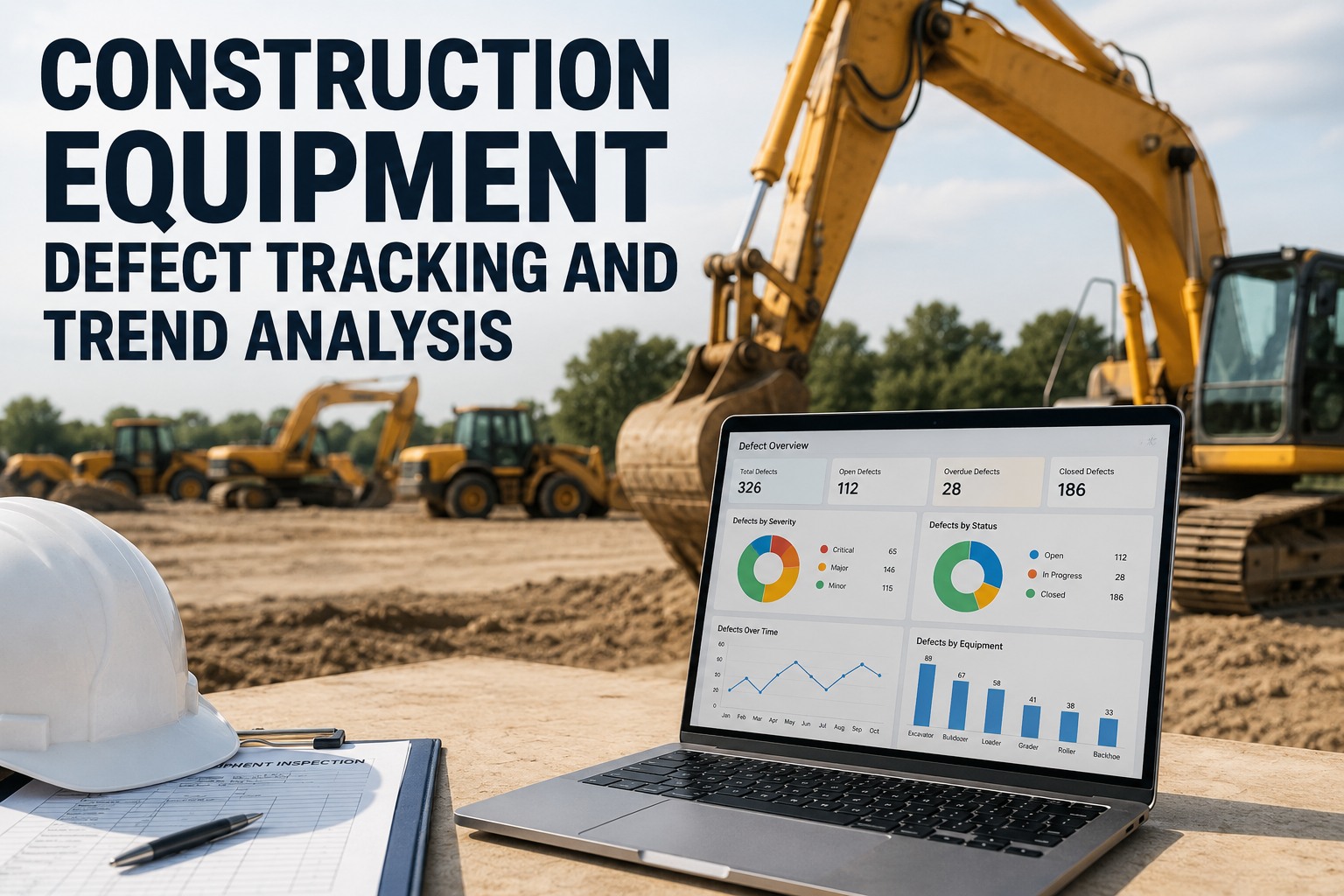
A useful weekly review also tracks inspection completion, overdue PM, repeat defects and repair closure time. Sign Up Free to Start an Equipment Maintenance Register.
Build the program in four manageable stages.
Start with the assets most likely to stop the heading.
Register
List TBMs, roadheaders, conveyors, pumps, fans and support machines; assign IDs and owners.
Standardize
Create asset-specific inspection templates and defect severity rules.
Schedule
Enter OEM-based PM tasks and define repair responsibilities.
Review
Check open defects, overdue tasks and repeat failures in weekly reviews.
Tunneling equipment maintenance FAQs
Quick answers for maintenance managers and underground supervisors.
What should a tunneling equipment maintenance program include?
An asset register, equipment-specific pre-shift inspections, OEM-based preventive maintenance, defect reporting, repair records, competent verification and shift handover procedures.
How often should a tunnel boring machine be inspected?
Inspection frequency depends on the TBM manufacturer, operating conditions, site risk assessment and applicable requirements. Use pre-shift checks and scheduled detailed inspections appropriate to the machine and duty.
Which underground support equipment needs maintenance tracking?
Include conveyors and muck haulage, ventilation fans and ducting, dewatering pumps, power distribution, loaders, access equipment and other systems whose failure can interrupt safe tunneling operations.
How should a safety-critical defect be handled?
Follow the site’s approved stop-use, isolation and escalation procedure. Record the defect, assign qualified repair personnel and obtain required verification before authorized return to service.
How can HVI help tunneling contractors?
HVI can support asset records, configurable inspection checklists, preventive maintenance scheduling, defect documentation, work orders and maintenance history. It does not replace engineering controls, live underground monitoring or competent safety decisions.