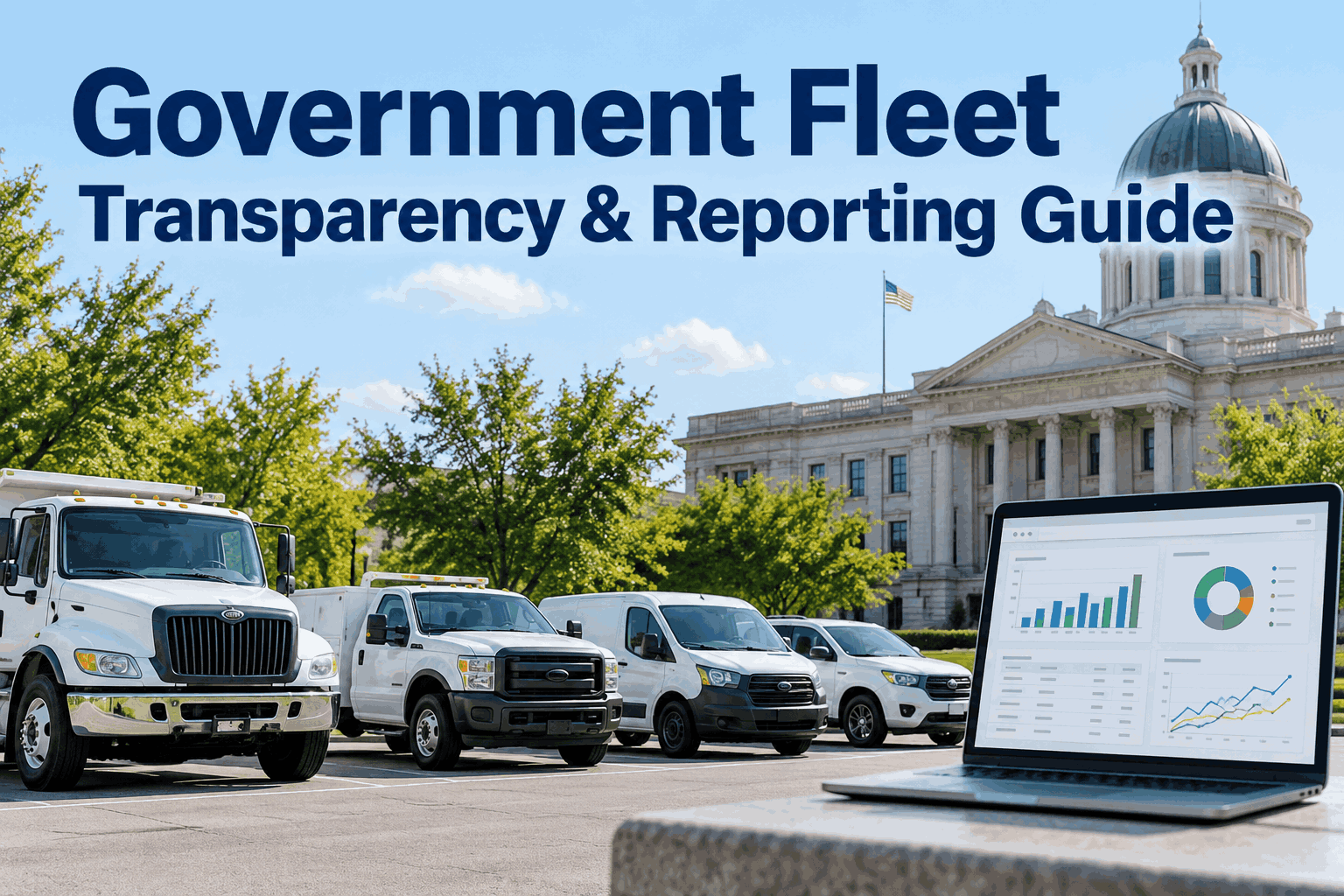
Government fleet transparency becomes difficult when a simple question—what are we spending, which vehicles are being used, or why is availability changing—requires hours of reconciling spreadsheets. Consistent fleet records give public-sector leaders a clearer way to explain costs, utilization, maintenance activity and performance without turning every management review or data request into a new reporting project.
Make Every Fleet Number Easier to Explain
A credible fleet report needs more than a polished chart. HVI helps connect inspections, maintenance activity and fleet records so managers can review the operational evidence behind the numbers they share.
Public fleet reporting serves several audiences at once. A fleet director may need operating detail, finance may want costs by asset or department, a city manager may need a concise performance view, and a public-records process may require supporting information. The answer is not to publish every field in the maintenance system. It is to make important fleet measures consistent, explainable and easier to trace back to their source.
Government Fleet Transparency Starts With Consistent Source Records
A dashboard cannot repair inconsistent source data. If one department records downtime differently from another, maintenance costs omit certain work, or vehicle identifiers change between spreadsheets, the final report can look precise while still creating difficult questions.
Keep vehicle and equipment records identifiable across inspections, service and reporting.
Retain completed maintenance activity rather than relying only on a monthly total.
Connect reported defects and inspections with the assets they relate to.
Make clear which period and population each reported measure represents.
If the reader cannot tell what a metric includes—or the fleet team cannot reproduce it later—the reporting process needs stronger foundations.
HVI can help keep maintenance records and work history connected to the assets behind fleet reporting. See how HVI can give your government fleet a more traceable reporting foundation.
Build Public Fleet Reporting Around Five Explainable Questions
Government fleet reporting becomes easier to understand when it starts with questions instead of a wall of KPIs. The exact measures will vary by agency, but most management conversations come back to a small group of operational questions.
Review maintenance and other tracked fleet costs using a consistent reporting basis.
Use available mileage, hours or appropriate activity records to understand asset use.
Review preventive and corrective maintenance activity instead of showing cost alone.
Define how availability or out-of-service status is measured before comparing results.
Use inspections, defects and maintenance history to add context to performance measures.
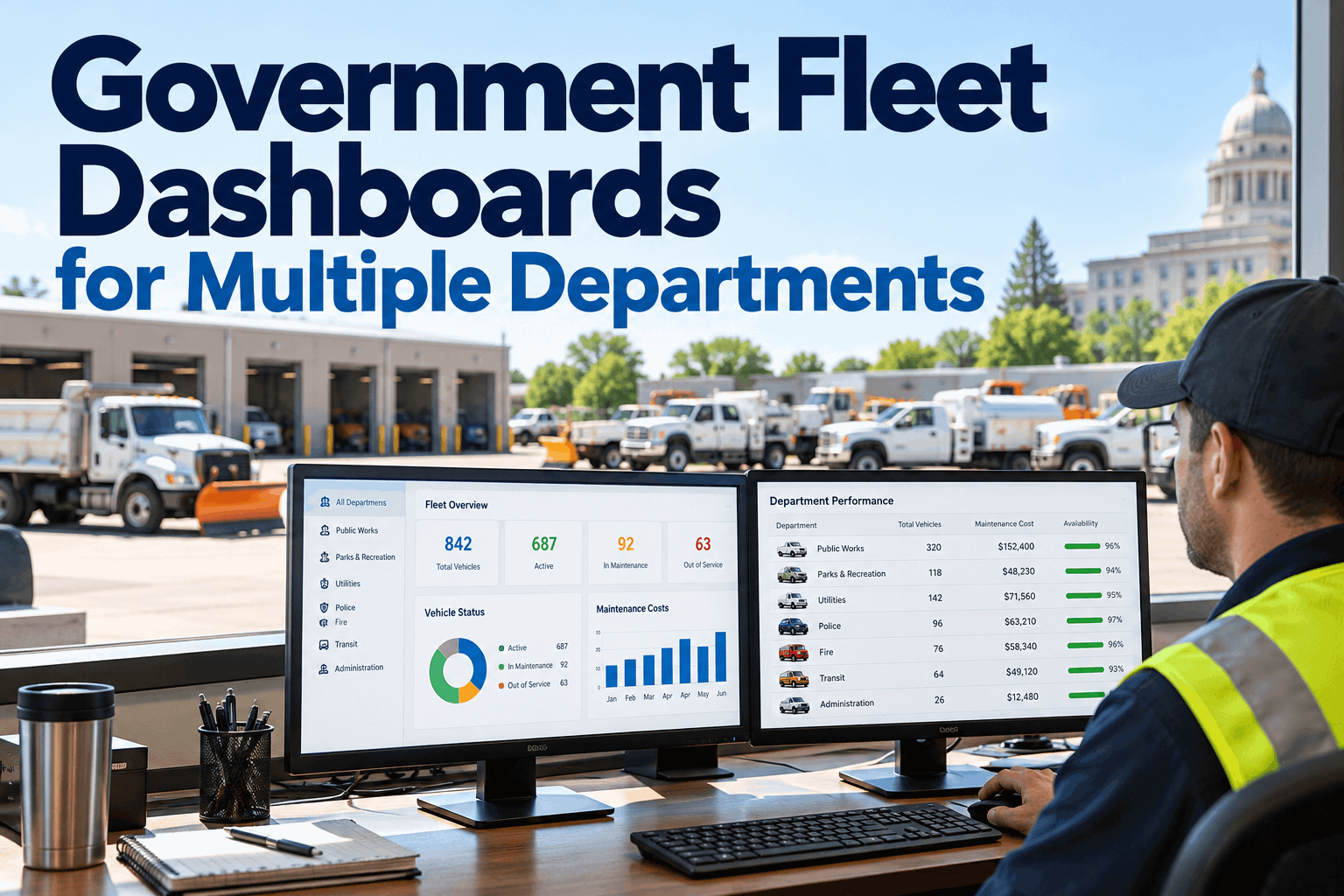
The goal is not to force every agency into the same scorecard. A refuse fleet, police fleet, parks department and public works operation may need different measures. HVI's analytics and reporting capabilities can help managers review information already being captured through fleet operations. See how HVI can bring your most important public fleet measures into a more consistent review process.
A Government Fleet Dashboard Is Only as Clear as Its Metric Definitions
Words such as utilization, availability, maintenance cost and downtime can sound self-explanatory until two departments calculate them differently. Before a metric reaches an executive report, budget presentation or external dataset, document what it means.
Whether required fleet assets were available for operational use during the reporting period.
Define the department, vehicle class, active status and any legitimate exclusions.
Use a clear reporting window so comparisons refer to equivalent periods.
Identify the system records used to determine service or out-of-service status.
A changed formula can create a trend that is really a reporting change.
Compare assets only where mission, usage and measurement make the comparison meaningful.
Incomplete records should be visible rather than silently treated as zero.
A cost increase may reflect heavier use, aging assets or a major repair—not automatically poor performance.
This discipline also makes internal reviews more useful. Instead of debating which spreadsheet is correct, managers can focus on why the measure changed and what action is appropriate. See how HVI can help your team review fleet performance from connected operating records.
Government Fleet Reporting Should Change Detail—not Change the Facts
A technician, fleet director, finance team and city manager do not need the same level of detail. Transparency works better when each reporting layer uses the same underlying records but presents the information at the level the audience needs.
Individual inspections, maintenance work and asset history.
Trends, exceptions and operational questions requiring action.
Selected information presented according to policy, purpose and applicable disclosure requirements.
Each government organization should decide what information can be released, at what level of detail, and through which public channel based on its policies, privacy requirements, records obligations and jurisdiction.
The value of a connected fleet system is that the summary does not need to begin from scratch every time the audience changes. See how HVI can keep fleet operations and management reporting connected without turning your CMMS into a public-data portal.
Turn Fleet Data Requests Into a Trace-Back Process, Not a Spreadsheet Hunt
The real test of fleet transparency often comes after a report is distributed. Someone asks why a number changed, which assets are included, what maintenance drove a cost increase or whether the underlying records can be reviewed.
Check the measure, fleet population and reporting period.
Identify the units and departments contributing to the change.
Review the work and asset history behind the summary.
Separate real fleet changes from reporting or data-quality issues.
Government open-data programs themselves often distinguish between raw and cleaned datasets. Fleet teams should similarly watch for inconsistent names, missing values, duplicate records and changing definitions before treating operational data as reporting-ready.
Digital fleet inspections and connected maintenance records can reduce the number of disconnected sources a manager has to reconstruct later. See how HVI can make the records behind your next fleet performance question easier to find and review.
Government Fleet Transparency Should Make Questions Easier to Answer
Good government fleet transparency does not mean publishing every maintenance note or building the largest possible dashboard. It means maintaining consistent records, defining important measures, reporting them with appropriate context and being able to trace a summary back to the fleet activity behind it.
HVI brings inspections, maintenance workflows, asset history and reporting closer together so public fleet managers can spend more time understanding performance and less time rebuilding the data trail.
Government Fleet Reporting FAQs
What is government fleet transparency?
Government fleet transparency is the practice of maintaining and reporting fleet information in a way that makes important operational and financial measures understandable and supportable. Depending on the organization, this can include fleet costs, utilization, maintenance activity, availability, asset information and other performance measures. Transparency does not necessarily mean making every internal fleet record public.
What should a public fleet dashboard report?
The appropriate measures depend on the fleet's mission and available data. Useful reporting areas can include maintenance costs, utilization, availability, preventive maintenance activity, asset condition and other operational measures. Each metric should have a clear definition, reporting period, fleet population and data source before it is compared or published.
How can a municipal fleet improve reporting accuracy?
Start by standardizing asset identities, metric definitions and source records. Keep inspections, maintenance work and asset history consistently associated with the correct units, review missing or inconsistent data, and avoid changing calculation methods without documenting the change. A repeatable reporting process is usually more valuable than manually rebuilding a different spreadsheet for every request.
Does fleet transparency require publishing all fleet data as open data?
No. Internal management reporting, accountability reporting and public open-data publication are different activities. A government organization should determine what information is appropriate for public release based on its policies, privacy considerations, public-records requirements and applicable jurisdiction. HVI supports fleet operations, records and reporting rather than serving as a dedicated government open-data publishing portal.
How can HVI support government fleet reporting and accountability?
HVI can help centralize fleet inspections, maintenance workflows, preventive maintenance activity, asset records and maintenance history so managers have a more consistent operational record base for reporting and review. Its analytics and reporting capabilities can then help teams examine fleet information without positioning the software as a substitute for an agency's disclosure policies or public open-data platform.