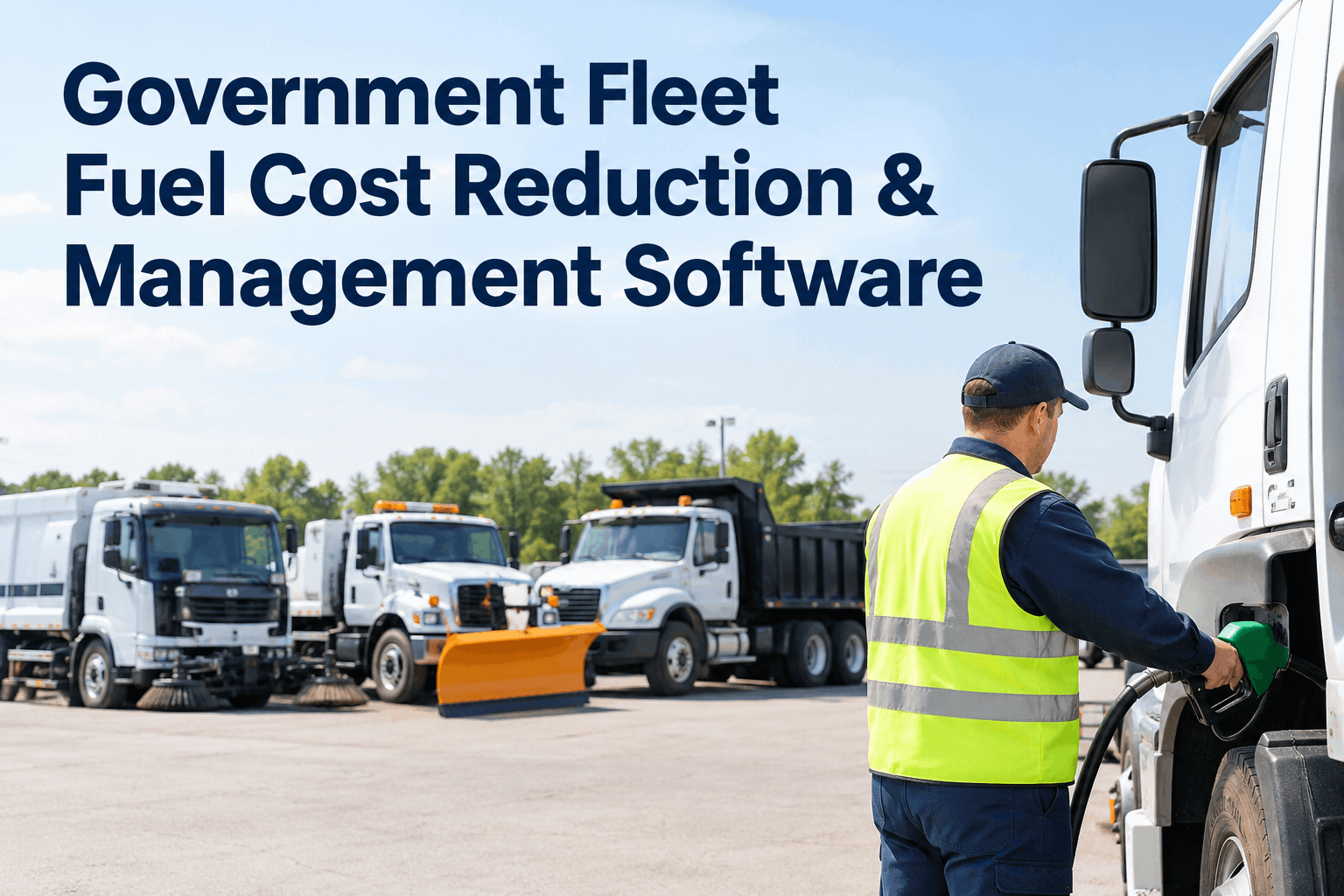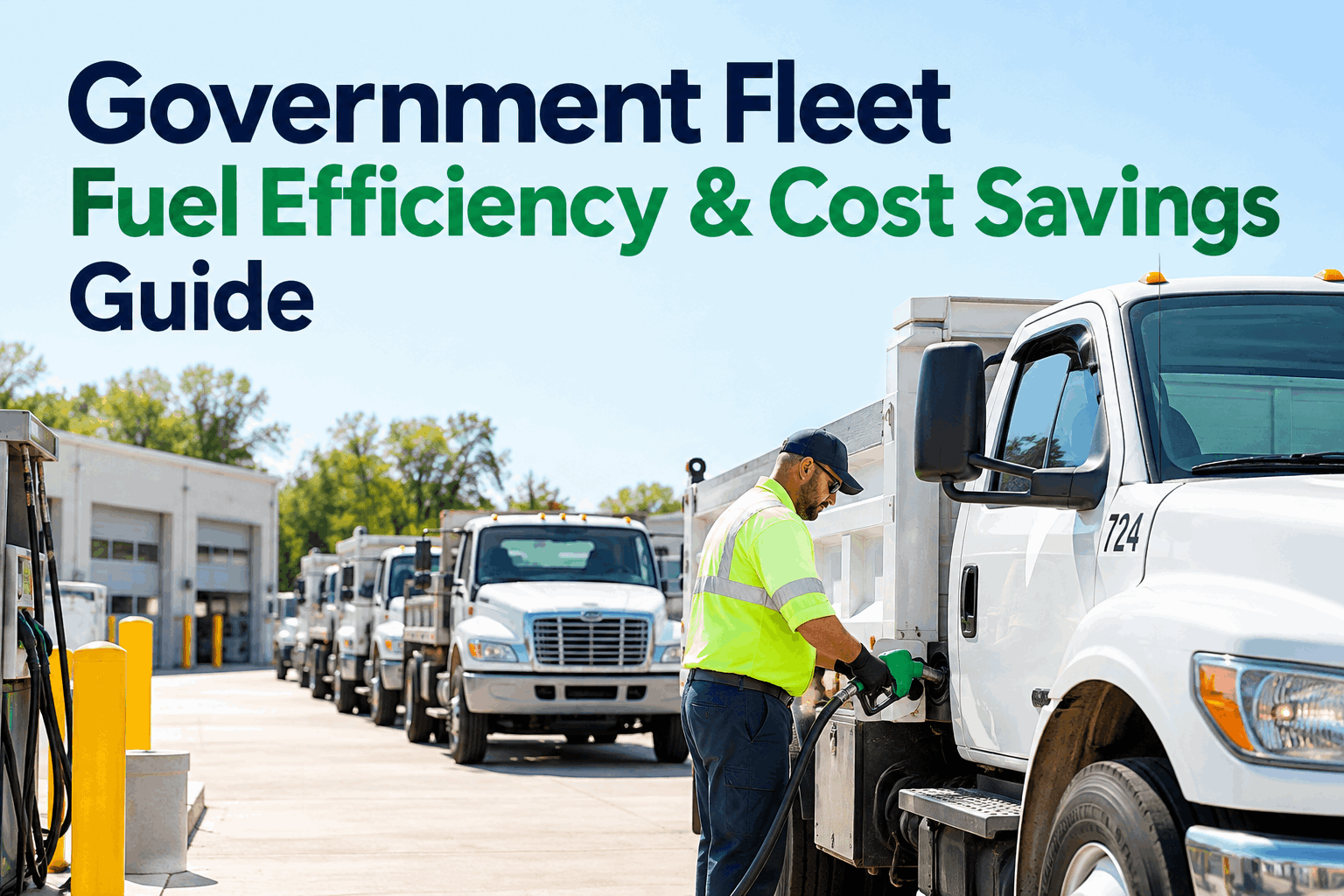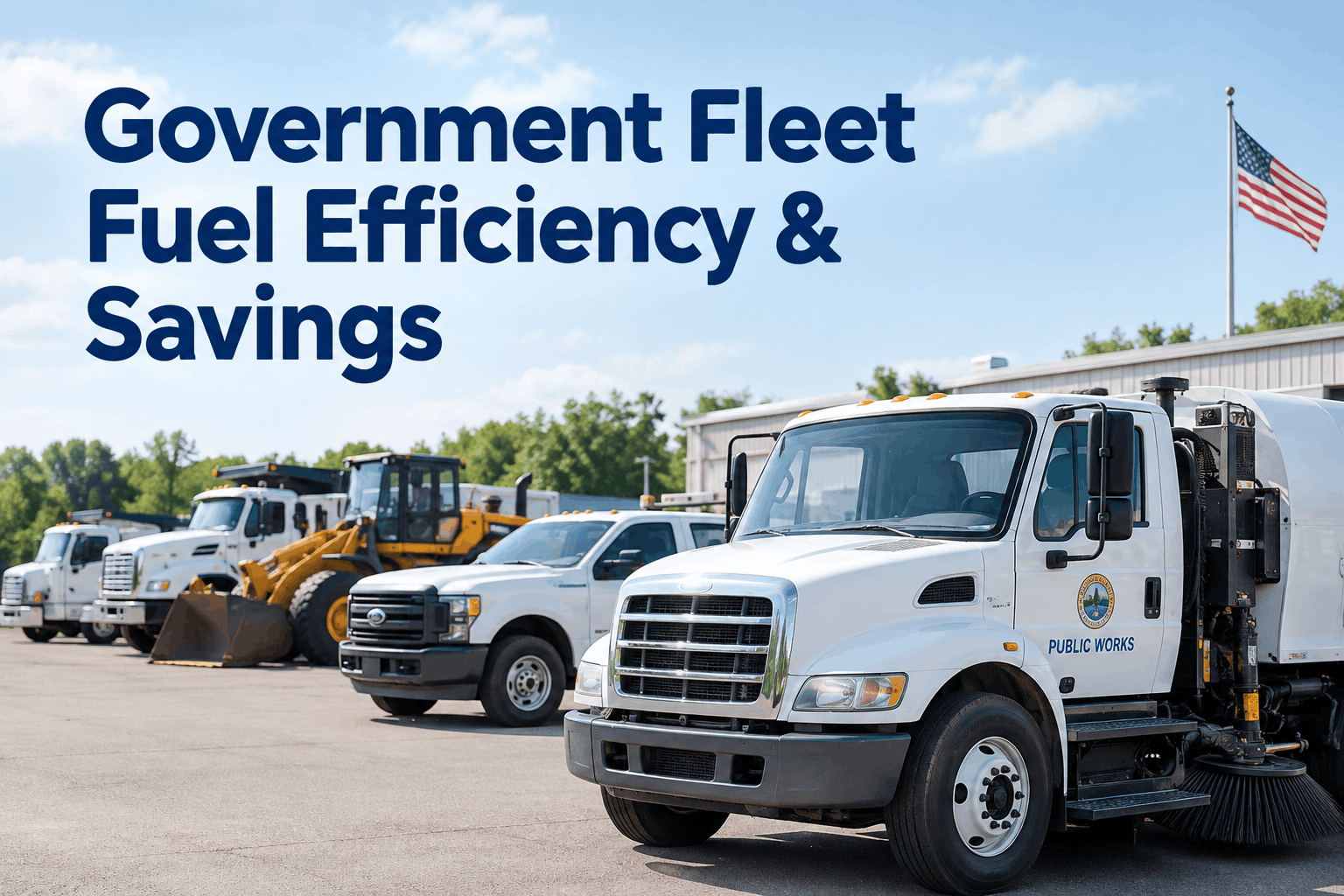
Fuel is one of the largest controllable lines in any public fleet budget — often near a quarter of operating cost — and much of it is pure waste you can win back without buying a single new vehicle. The catch for government fleets is that the savings have to be proven: fuel is public money, targets are often mandated, and every claim has to survive a council review. Fuel efficiency isn't one tactic; it's a small program of connected levers built on data you can defend. See fuel and maintenance data connected in one place
Most of Your Fuel Waste Comes From Four Places — and Every One Is Measurable
Comprehensive programs recover 15–25% of fuel spend. Here's the waste breakdown that shows where it hides.
The numbers above are recoverable, but only if you can see where the fuel goes per vehicle and prove the savings over time. Below is the one thing that makes public-fleet fuel work different from a commercial fleet, the four levers of an efficiency program, and how the data turns it all into a report a council will actually approve.
The public-fleet twist: not all idle is waste
Here's what a generic fuel-savings playbook gets wrong for government fleets. On a public fleet, a lot of idle is the job. A patrol unit running its electronics, a fire apparatus on scene, a public-works truck powering a lift or a compressor, an ambulance keeping the cabin ready — that engine is idling for a legitimate operational reason. A blanket "no idling" rule that ignores this is unworkable and gets ignored. The win is separating the two.
Productive idle
PTO work, scene operations, cabin climate for crews, equipment power. This is the mission — tracked and excepted, not penalized.
Waste idle
Warm-ups that run too long, engines left on during breaks, "just for a minute" that becomes twenty. This is the recoverable spend.
Capturing idle with engine-level accuracy and weather-aware exceptions — so a legitimate extreme-temperature HVAC run doesn't get flagged as waste — is exactly how a public fleet targets the real problem without fighting its own crews. Our full fleet idle reduction guide goes deeper on the coaching side. Book a demo to see productive vs waste idle separated per vehicle.
The four levers of a public-fleet fuel program
Fuel efficiency isn't a single switch — it's four levers pulling together, each targeting a different waste stream and each tied to data you already generate. This is where the program meets the platform that runs it.
Fuel tracking & benchmarking
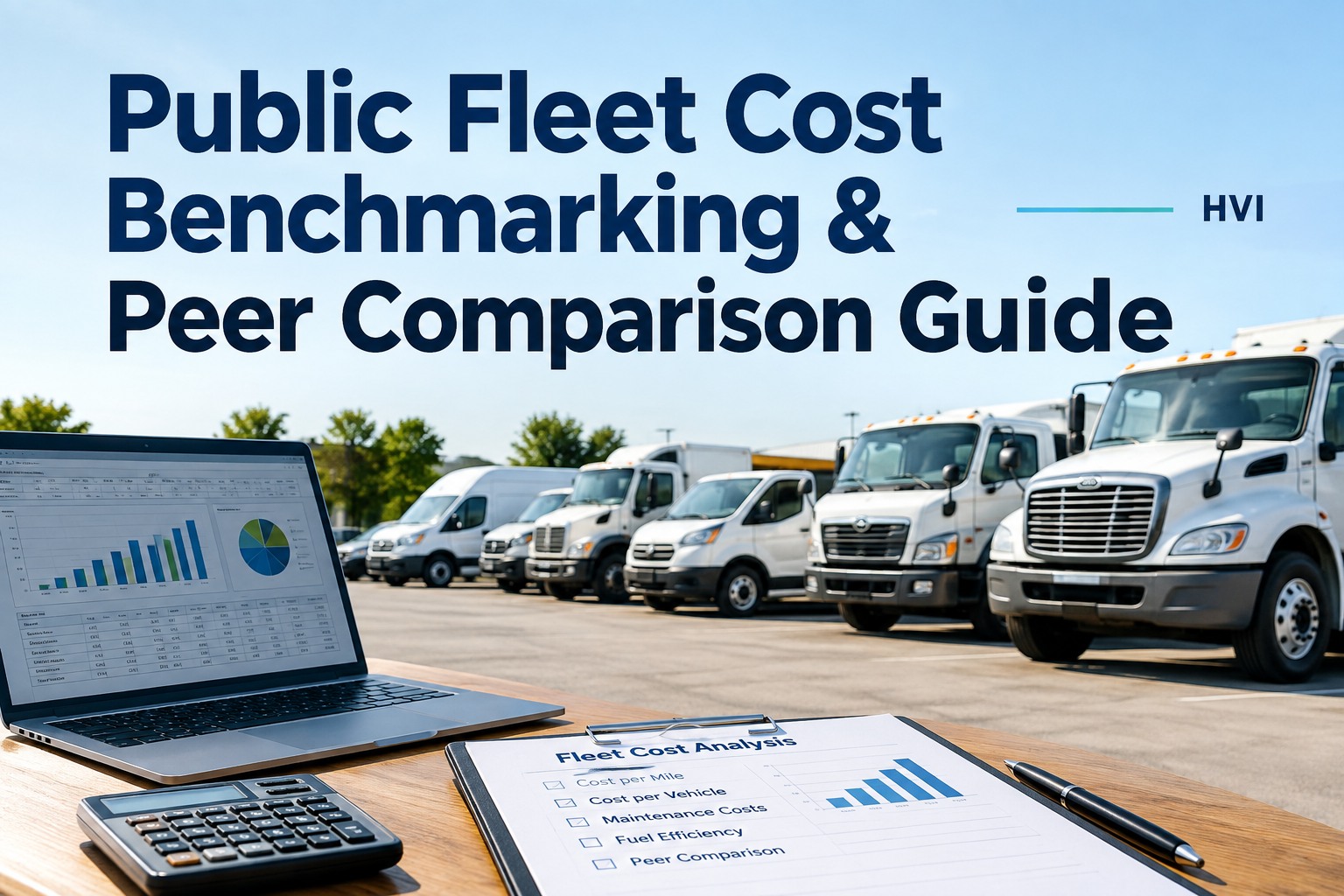
Capture cost, gallons, and MPG per vehicle so you can benchmark each unit against its class and surface the outliers burning far more than their peers.
HVI: Fuel LogsIdle reduction, done fairly
Separate productive idle from waste, coach the real outliers, and track the fleet idle percentage down over time — without penalizing the mission.
HVI: Fuel + Idle DataMaintenance that protects MPG
Under-inflated tires cost ~3% MPG; a neglected engine burns more. PM triggered on meter, calendar, or condition keeps every vehicle at its efficient best.
HVI: Any-Trigger PMMixed-propulsion ready
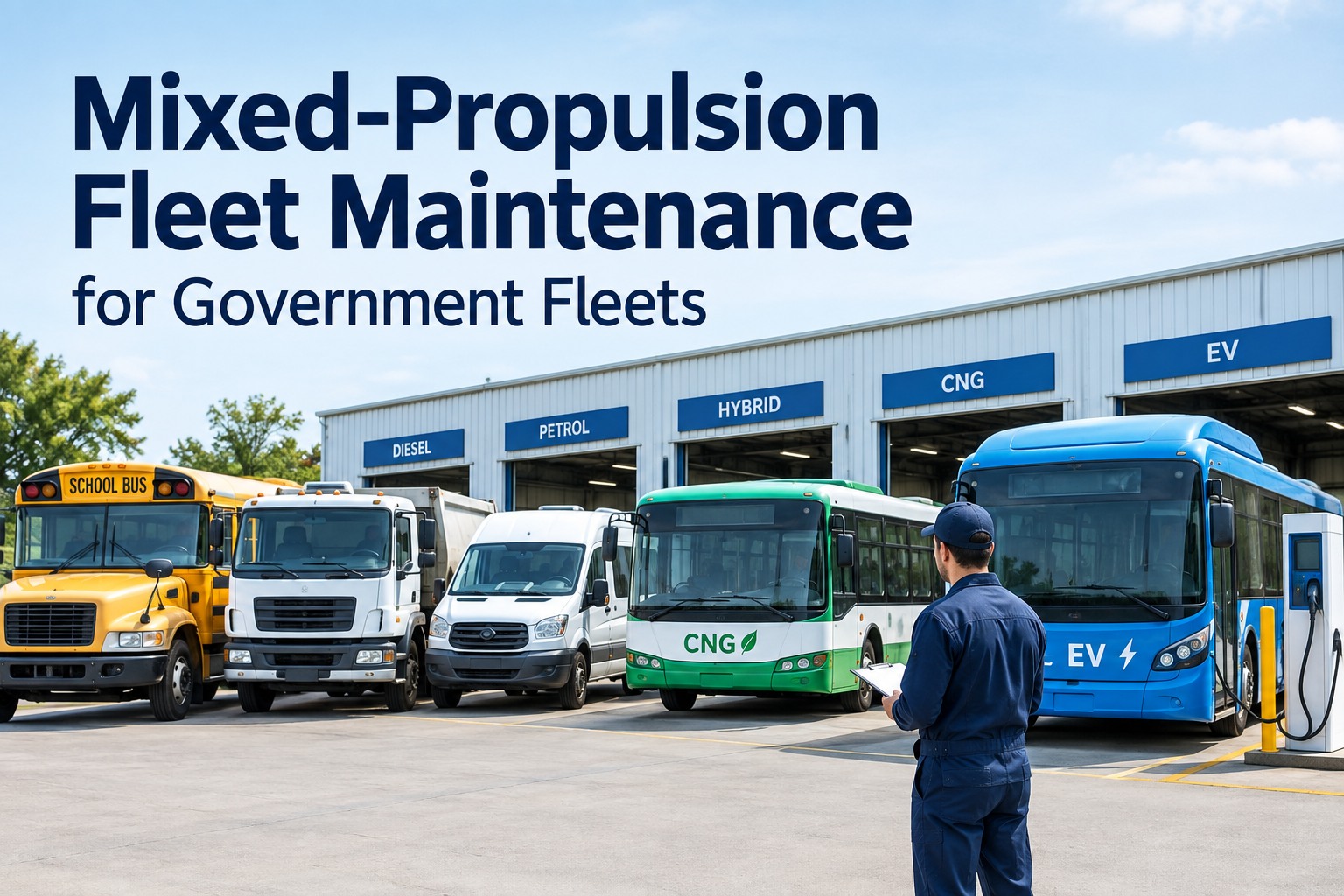
As the fleet adds hybrids and EVs, each powertrain needs its own service regime and efficiency baseline — managed with templates per propulsion type.
HVI: Templates per PropulsionPulled together, these four levers attack the waste breakdown from the hero at every source at once — which is why comprehensive programs recover far more than any single tactic on its own. Start free and connect fuel, idle, and PM data per vehicle.
What the savings look like over a year
Fuel savings arrive in waves, not all at once. Setting the right expectation matters for a public fleet, where a council wants to know both the quick win and the full-program payoff. Here's the realistic curve.
Quick wins — idle policy, tire pressure, the worst routes. Low effort, immediate.
Driver coaching, PM discipline, and routing changes take hold across the fleet.
The complete program, measured and sustained — the number you take to budget.
The point of showing the curve is credibility: you can promise a modest, certain quick win now and a larger, evidenced result by year-end — both backed by the same tracked data rather than a vendor's optimistic pitch. Book a demo to see savings trended against your baseline.
Turning it into a report council will approve
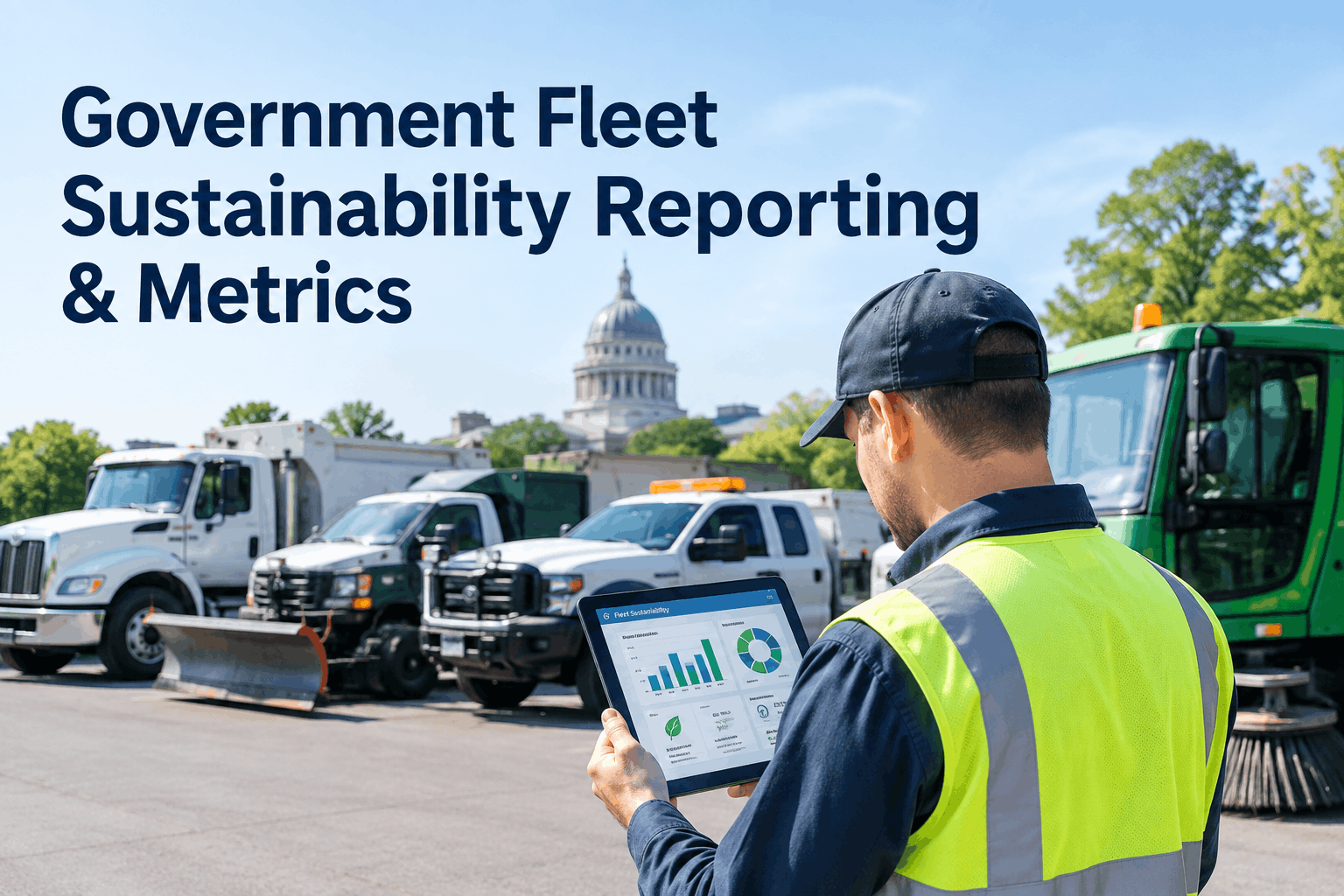
Everything above only matters if you can prove it. For a government fleet, the deliverable isn't just lower fuel spend — it's defensible evidence of it: fuel cost per vehicle trended down, idle percentage falling, MPG holding or improving as PM stays current, and the dollar savings calculated against a documented baseline. That's the difference between "we think we saved money" and a line-item a finance officer signs off on.
A fuel-efficiency program a public fleet can't document is one it can't defend at budget time. Per-vehicle fuel, idle, and MPG data, trended against a baseline and exportable on demand, is what turns operational effort into an approved capital and operating case — and into evidence for sustainability and emissions targets too.
Because the same platform holds the fuel logs, the maintenance history, and the utilization data, the report assembles itself from the work you're already doing — not a separate month-end scramble across spreadsheets. That's what makes the program repeatable year after year. Start free and build the fuel-efficiency evidence as you go.
From a government fleet manager who ran the program
Fuel was almost a quarter of our budget and I couldn't tell the council where it went. Once we separated real idle from the crews that genuinely need to run equipment, the coaching stuck — and within a year we were down about 18% on fuel per mile. We bought nothing. We just measured the fleet we had, and could prove the savings at budget time.
Frequently asked questions
How much can a government fleet realistically save on fuel?
A comprehensive program typically recovers 15–25% of total fuel spend within a year, without replacing any vehicles. Savings arrive in waves: quick wins like idle policy, tire pressure, and fixing the worst routes deliver 5–10% in the first month; coaching, PM discipline, and routing add another 10–15% over three to six months. Since fuel can be around a quarter of a public fleet's budget, even the low end is a substantial recurring saving — and because it's measured against a documented baseline, it's a number you can defend at budget time.
How is fuel efficiency different for a public fleet than a commercial one?
The biggest difference is idle. On a public fleet, a lot of idling is legitimate work — patrol electronics, fire apparatus on scene, public-works equipment power, ambulance cabin readiness. A blanket no-idling rule is unworkable and gets ignored, so the goal is separating productive idle from waste and coaching only the real outliers. Public fleets also face mandated sustainability and emissions targets, and every saving must be defensible because it's public money. That's why the program centers on per-vehicle data and evidence rather than a one-size-fits-all crackdown.
Does maintenance really affect fuel consumption?
Yes, more than most fleets expect. Under-inflated tires alone cost around 3% in fuel economy, and a neglected engine — clogged filters, worn components, ignored warning indicators — can quietly cost 0.3 to 0.8 MPG per vehicle. Across a fleet, that "maintenance drag" is a meaningful share of total fuel waste. Preventive maintenance triggered on actual meter readings, calendar intervals, or observed condition keeps each vehicle running at its efficient best, which is why maintenance discipline is one of the core levers of a fuel-efficiency program, not a separate concern.
How does fuel efficiency work across a mixed ICE, hybrid, and EV fleet?
Each powertrain has its own efficiency baseline and service regime, so a mixed fleet can't run on one template. Internal-combustion vehicles are measured on MPG and idle; hybrids and EVs on energy use, with very different maintenance needs. The practical approach is templates per propulsion type, so each vehicle is benchmarked against the right peers and serviced correctly. This matters increasingly under electrification mandates, where a fleet runs mixed propulsion for years and needs one system that handles all of it.
What data do I need to prove fuel savings to a council?
A defensible case needs per-vehicle fuel cost and MPG trended over time, idle percentage falling against a baseline, maintenance kept current, and the dollar savings calculated from a documented starting point — not one aggregate number. The key is a baseline captured before the program starts, so every later figure measures against it. When fuel logs, maintenance, and utilization live in one system, that report assembles from work you're already doing and exports on demand — turning effort into an approved budget line and evidence for emissions targets.
Turn your fuel budget into a number you can cut — and defend
HVI connects fuel logs, any-trigger preventive maintenance, and propulsion-specific templates to every vehicle, so a public fleet can find the waste, fix it at the source, and prove the savings against a baseline. Run a fuel-efficiency program that lowers spend, meets sustainability targets, and holds up in front of a council — all from the fleet you already have.
No credit card · Per-vehicle fuel, idle & MPG · Baseline-backed savings reports