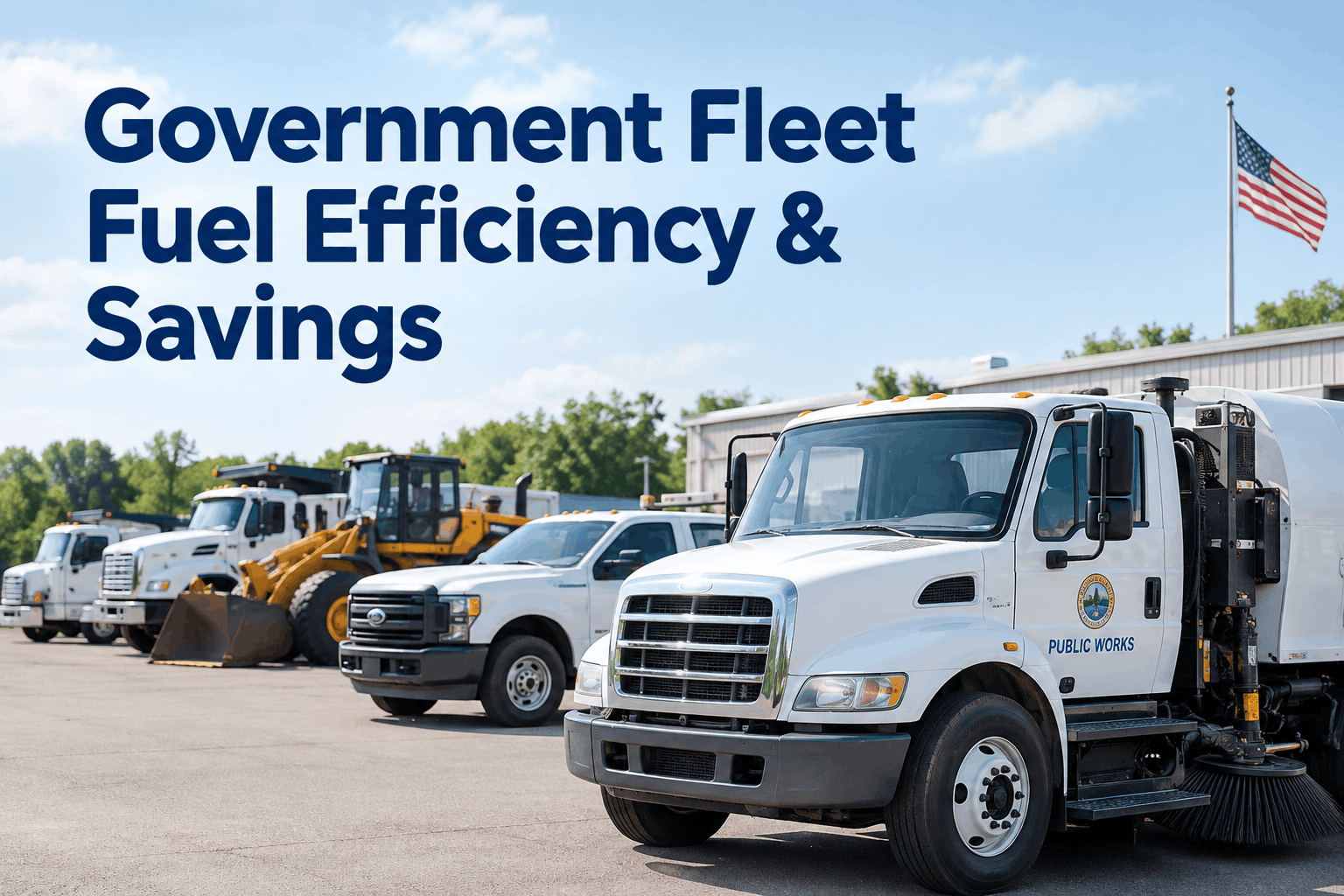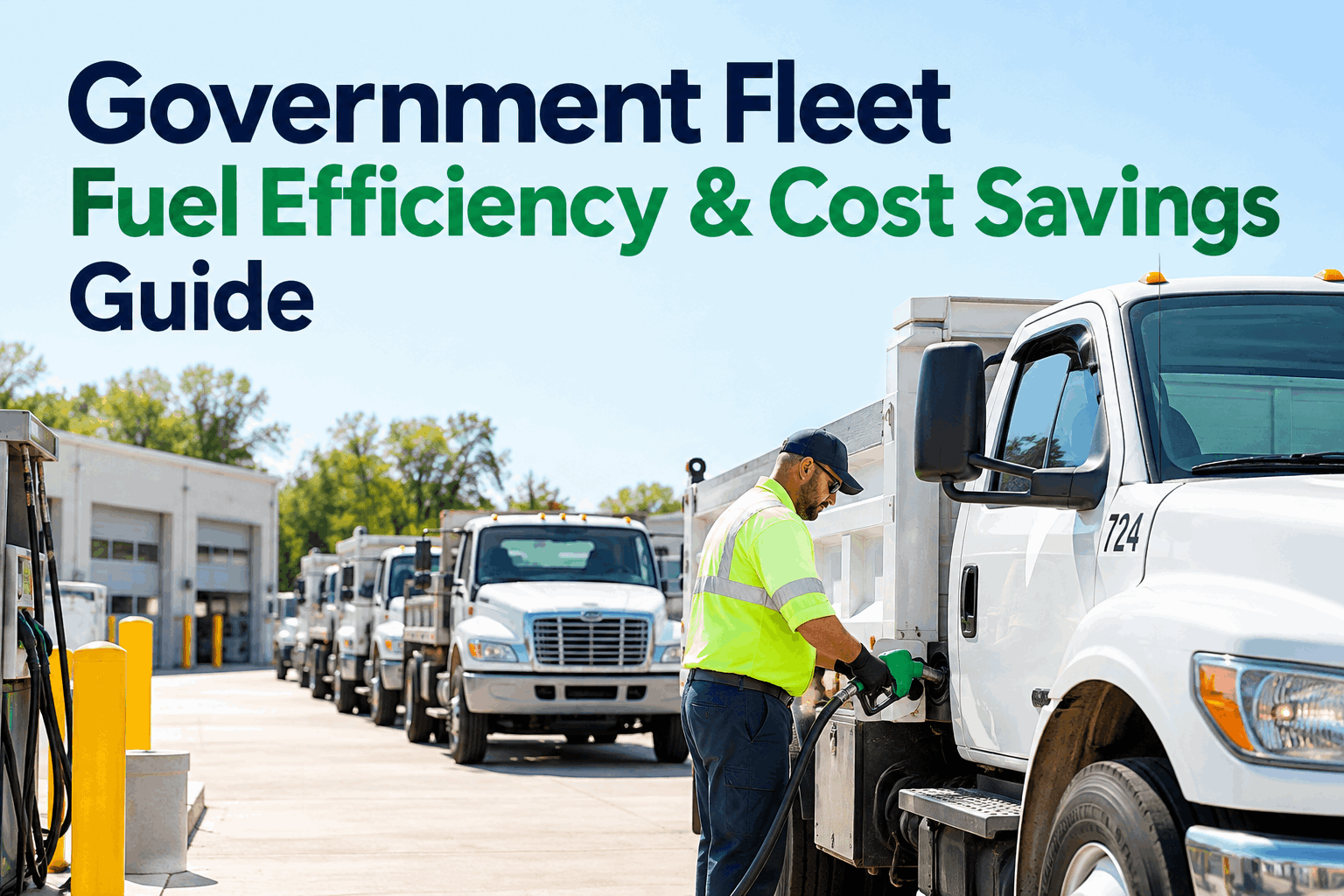
Government fleet fuel efficiency improves when managers can see fuel use at the vehicle level instead of stopping at a monthly fuel total. Comparing gallons, cost, mileage, operating context and maintenance history can reveal which units deserve attention and help public fleets investigate fuel waste before it becomes an accepted part of the budget.
Your Fuel Bill Tells You What You Spent. Your Vehicles Tell You Why.
Turn individual fuel entries into a vehicle-by-vehicle efficiency picture. Find unusual consumption, compare similar units and connect fuel changes with maintenance history before deciding what needs action.
A fuel-efficiency program should not begin by assuming that every high-consuming vehicle is wasteful. Police vehicles, utility trucks, snow equipment, refuse units and public works assets can have very different missions. The useful question is whether a vehicle is consuming more fuel than its own history or comparable units would reasonably suggest—and what changed when the pattern appeared.
Start Government Fleet Fuel Efficiency With Asset-Level Data
A fleet-wide fuel bill can rise because fuel prices increased, vehicles travelled farther, operating hours increased or individual units became less efficient. Looking only at total spend mixes those causes together. Vehicle-level fuel records give managers a better starting point for separating price, activity and consumption.
That asset-level approach also aligns with federal fleet-management guidance, which emphasizes collecting and managing vehicle-level data for better fleet decisions. HVI's fuel management tools can keep fuel entries connected to individual assets instead of treating fuel as one undifferentiated fleet expense. See how HVI turns government fuel entries into vehicle-level cost history.
Compare Fuel Consumption Fairly Before Calling It Waste
A dump truck should not be benchmarked against an administrative sedan, and a vehicle operating PTO equipment should not automatically be judged by the same MPG target as a similar-looking road unit. Useful fleet fuel benchmarking starts with comparable duty cycles, vehicle classes and operating missions.
For federal fleets in particular, asset-level data and operating characteristics help managers select appropriate fuel-reduction strategies. For municipal fleets, the same analytical principle is useful even when federal reporting requirements do not apply. See how HVI can make per-vehicle fuel history easier to compare during monthly fleet review.
What Can Cause Government Fleet Fuel Consumption to Rise?
Once a vehicle becomes an outlier, the next step is diagnosis—not blame. Higher fuel use can reflect legitimate mission demand, additional mileage or operating hours, idle-heavy work, a transaction problem, changing routes or loads, or a maintenance condition that deserves attention.
Fuel records show that consumption changed; they do not automatically prove why. Use maintenance, inspection, operational and—where available—telematics evidence to verify the cause before taking corrective action.
This is where connecting fuel history to maintenance management records becomes useful. A manager can review whether a consumption change overlaps with inspection findings, service history or recurring defects instead of analyzing fuel in isolation. See how HVI connects vehicle fuel history with the maintenance record behind the asset.
Fuel Efficiency Can Be an Early Maintenance Question
Vehicle condition can influence fuel economy. Maintenance practices such as keeping tires correctly inflated and following recommended service requirements can support efficient operation, while broader mechanical or operating problems may also change vehicle efficiency. A fuel trend should therefore be treated as a prompt to inspect—not as an automatic diagnosis.
HVI can turn a verified issue into scheduled preventive maintenance or a documented maintenance action while retaining the previous fuel history. That creates a useful before-and-after record for later fleet review.
A Practical Government Fleet Fuel Cost Reduction Cycle
The strongest fuel-efficiency programs repeat the same management loop: capture accurate records, establish a fair baseline, identify meaningful exceptions, investigate the reason, act where appropriate and then measure again. This turns fuel management from a monthly accounting exercise into an ongoing fleet improvement process.
For mixed fleets, the most useful efficiency measure may vary by asset. MPG works for many road vehicles, while engine-hour or mission-based comparisons can be more meaningful for some public works equipment. HVI's fleet reporting and analytics can help keep those asset records available for recurring management review. See how HVI can support a repeatable government fleet fuel-review process.
Government Fleet Fuel Efficiency FAQs
How can a government fleet improve fuel efficiency?
Start with reliable asset-level fuel and usage data, establish appropriate baselines, compare similar vehicles, investigate meaningful outliers and correct verified operational or maintenance problems. Strategies can also include reducing unnecessary idling, maintaining vehicles properly, improving routing or driving practices where appropriate, right-sizing vehicles to their missions and selecting more efficient replacement vehicles.
Which government fleet fuel metrics should managers track?
Useful measures can include gallons consumed, fuel cost, cost per vehicle, mileage, MPG where appropriate, fuel price, change from the vehicle's historical baseline and comparisons with similar units. Fleets with telematics may also analyze idling and driving behavior. The right measures depend on the asset and its mission.
Why should fuel consumption be tracked by individual vehicle?
Fleet-wide totals can show whether overall spending or consumption increased but may not explain which assets caused the change. Vehicle-level records make it easier to identify outliers, compare similar units, investigate unusual transactions and connect consumption changes with maintenance or operational history.
Can maintenance problems increase fleet fuel consumption?
Vehicle condition can affect fuel economy. Tire inflation, appropriate maintenance and other mechanical factors can influence efficiency, but a fuel-economy change does not identify a specific mechanical failure by itself. Managers should treat an unusual fuel trend as a reason to inspect the vehicle and review its operating conditions.
How does HVI help government fleets manage fuel costs?
HVI helps fleets keep fuel entries and costs associated with individual vehicles and connect those records with inspections, maintenance history and fleet reporting. This can make it easier to identify unusual consumption patterns and investigate them using the asset's broader history. HVI does not automatically prove the cause of higher fuel consumption; fleet teams still need to review the relevant operational and maintenance evidence.
Turn Government Fleet Fuel Data Into Decisions You Can Act On
Track fuel by asset, compare consumption trends and keep maintenance history close to the numbers so your team can investigate unusual fuel use instead of accepting it as another monthly expense.