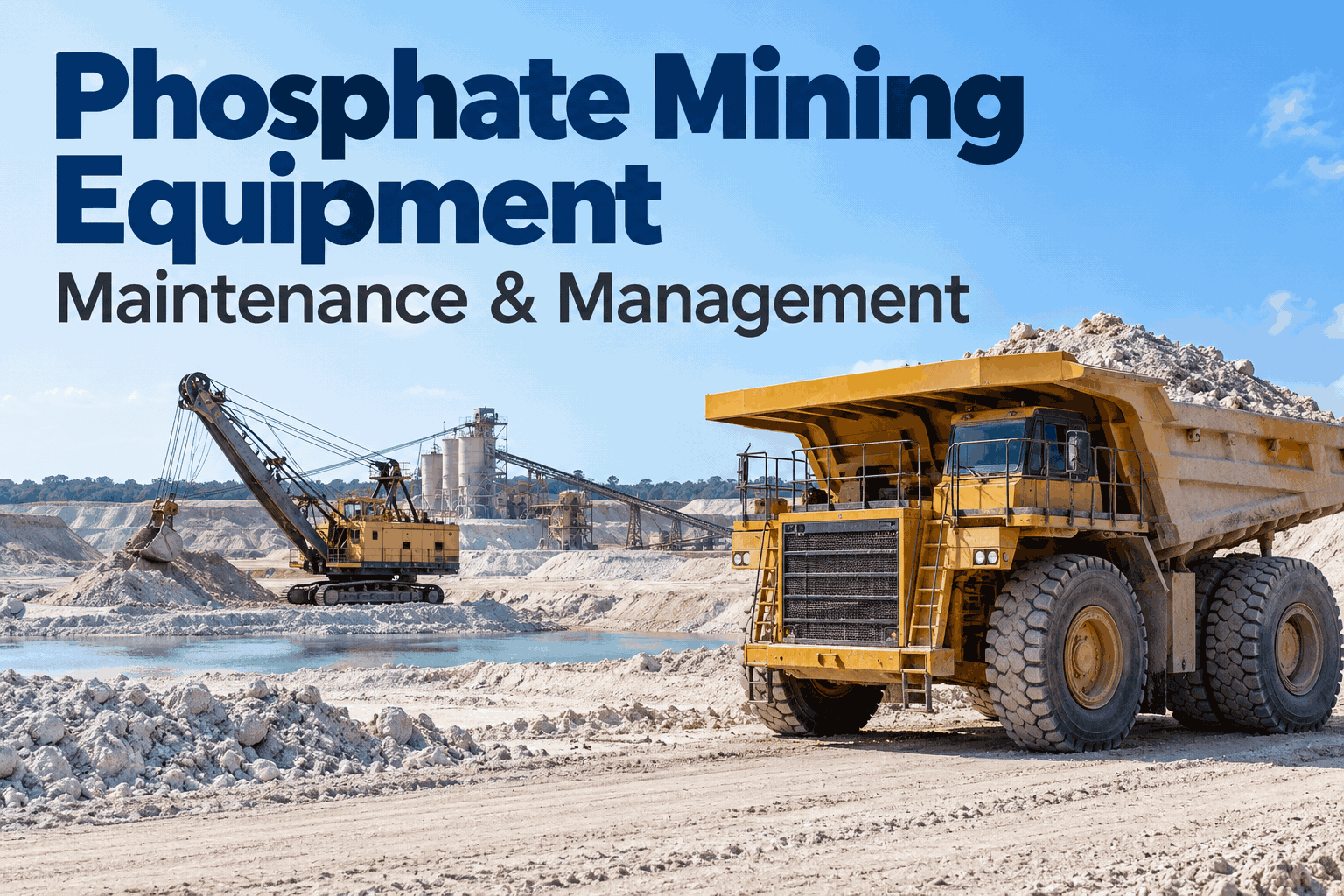
Phosphate mining equipment works through a demanding combination of abrasive material, wet handling, heavy loads and continuous production pressure. A worn dragline component, blocked slurry pump or failed conveyor can interrupt more than one machine. This guide shows maintenance managers what to inspect, which wear parts to plan for and how to organize preventive work across the mine and processing plant. Book a demo of HVI mining equipment maintenance to see how equipment inspections and work orders can be managed together.
Keep Phosphate Mining Equipment Ready — From Pit to Plant
Turn inspections, wear-part replacements and preventive maintenance into a coordinated equipment plan. Track the assets that move ore, handle slurry and keep beneficiation running.
Where Equipment Reliability Is Won match the maintenance plan to the actual phosphate mining process
Phosphate operations differ by deposit, extraction method and processing circuit. Some use large draglines to remove overburden; others rely on excavators, haul trucks or dredging. Processing can include washing, screening, classification, flotation and slurry handling. Build the asset register around your actual flow—not a generic mine checklist.
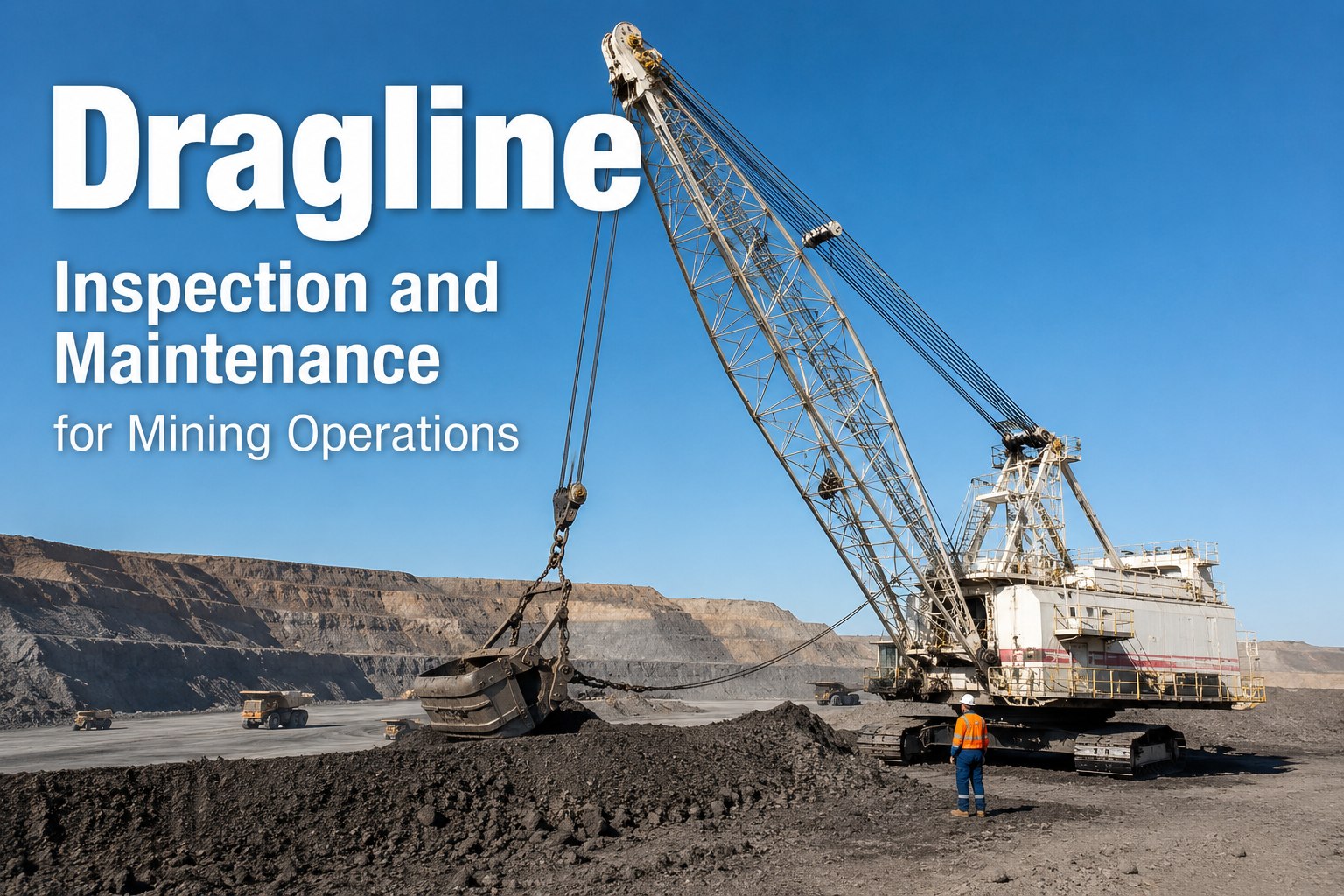
Draglines & excavators
Inspect ropes, buckets, pins, bushings, slew components, lubrication points and structural condition according to the OEM program.
Haul trucks & conveyors
Review brakes, tires, suspension, belt alignment, rollers, transfer points, guards and material buildup.
Dredges & slurry pumps
Check seals, liners, impellers, suction conditions, hoses, corrosion and leakage; apply site-specific isolation procedures.
Screens & beneficiation
Monitor screen media, bearings, vibration, chutes, pumps and material-handling equipment.
Exposure bars are conceptual illustrations of maintenance considerations, not measured risk scores or industry benchmarks.
Phosphate Equipment Inspection Checklist use machine-specific inspections instead of a one-size-fits-all form
A useful inspection captures condition, severity, asset identity, operating hours and the action required. Use the following as a starting point, then adapt it to manufacturer instructions, your site risk assessment and applicable rules.
Safety-critical defects must follow the site's hold, isolation and authorization procedures. A digital inspection record supports traceability; it does not replace competent technical assessment. Sign up free to start phosphate equipment inspections and organize defects by asset.
Abrasive Wear vs. Corrosion: Two Different Maintenance Problems prioritize the right inspection evidence and spare parts
Abrasion & impact
Ore, sand and slurry remove material from contact surfaces.
- Measure liner, impeller and wear-plate condition.
- Compare with OEM wear limits and historical life.
- Reserve replacements before the planned outage.
Moisture & corrosion
Wet service and local chemistry can accelerate deterioration.
- Check coating breakdown, corrosion and leaks.
- Review seals, washdown exposure and drainage.
- Document condition trends and corrective action.
Wear rates and corrosion mechanisms vary by material, water chemistry, equipment design and operating conditions. Use measured site data to set intervals.
Build a Wear-Parts Replacement Plan the stockroom should support the outage plan, not react after failure
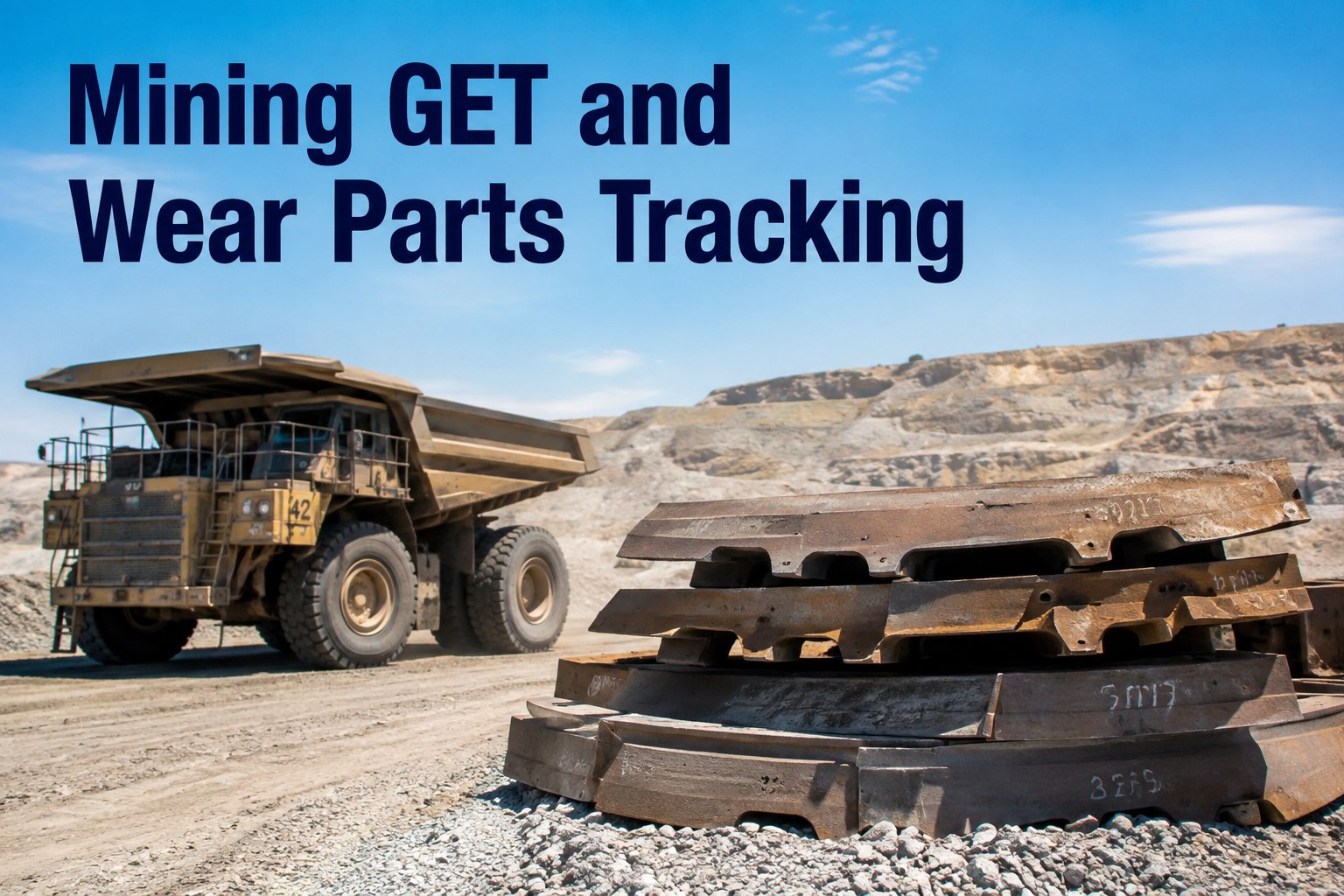
Critical wear parts should be planned using actual consumption, replacement lead times and production consequences. A component can be inexpensive yet still cause a long outage if it is unavailable when the machine stops.
What stops production or creates a safety concern if this part fails?
Link replacements to asset, hours, date and reason.
Include supplier lead time and site receiving delays.
Confirm parts, labor, isolation and access before the job starts.
Turn Equipment Findings Into a Planned Job a practical maintenance loop for phosphate mines
Record a pump leak, belt defect or worn bucket component against the right asset.
Determine severity, operating restrictions and the need for immediate isolation.
Scope the work order; confirm parts, technicians and safe access.
Align preventive or corrective work with production and plant availability.
Document completion, inspect as required and retain maintenance history.
HVI's equipment inspections, preventive maintenance schedules, work orders and parts records can support this workflow. The system organizes records and assignments; personnel still make safety and operating decisions. Book a demo of HVI inspection-to-repair workflows to evaluate the process for your site.
The 30-Day Phosphate Equipment Maintenance Reset start with the highest-consequence assets, then expand
List draglines, mobile equipment, conveyors, pumps and processing machines with IDs and service meters.
Create equipment-specific inspection templates and defect severity rules.
Review PM intervals, overdue work orders and critical parts availability.
Track repeat defects, overdue PM, stockouts and downtime reasons; adjust priorities.
Start with a few assets where downtime is most disruptive. Compare maintenance history and inspection findings before extending the process to the whole operation.
What to Look for in Phosphate Mining Maintenance Software evaluate the daily workflows before choosing a system
Equipment-level recordsAsset IDs, service hours, history and condition evidence.
Configurable inspectionsDifferent checks for draglines, pumps, mobile fleet and conveyors.
Preventive maintenancePlanned work tied to the appropriate equipment service intervals.
Work order follow-throughDocument reported defects, assignments, repairs and closure.
Parts & inventory visibilityReview stock and usage for wear-critical components.
Maintenance reportingSee overdue work, recurring defects and cost patterns.
In a demo, use one actual maintenance scenario—such as a recurring slurry pump liner replacement—and ask the vendor to show the full record from inspection through work order and parts use. Book a demo of HVI phosphate equipment maintenance to walk through that scenario.
Keep phosphate mining equipment inspection, PM and repair records connected
HVI helps maintenance teams organize equipment checks, scheduled service, work orders and parts records in one fleet maintenance workflow. See how it fits your mine's assets and maintenance routines.
Phosphate Mining Equipment Maintenance: FAQs
What equipment is used in phosphate mining?
Equipment depends on the deposit and extraction method. Operations may use draglines, excavators, haul trucks, dredges, conveyors and slurry pumps. Processing plants commonly use screens, pumps and other beneficiation equipment. The maintenance plan should reflect the site's actual equipment and process.
What are the biggest phosphate mining equipment maintenance challenges?
Common challenges include abrasive wear, wet-service corrosion, component fatigue, contamination, material buildup and coordination between mining and processing equipment. The highest-priority risks vary by asset, duty cycle and local conditions.
How often should phosphate mining equipment be inspected?
Inspection frequency should follow OEM requirements, applicable regulations, site risk assessments and observed equipment condition. Daily or pre-use checks may be appropriate for certain assets, while detailed component measurements follow planned service intervals.
How do maintenance teams manage phosphate mine wear parts?
They identify critical components, track replacement history and operating hours, review stock and supplier lead times, and stage parts before planned outages. Actual wear measurements and OEM limits should guide replacement decisions.
How can HVI support phosphate mining equipment maintenance?
HVI can help organize equipment inspections, preventive maintenance, work orders, maintenance history and parts inventory records. Teams can use those records to coordinate follow-up and review recurring issues. HVI does not replace site safety procedures or qualified equipment assessments.