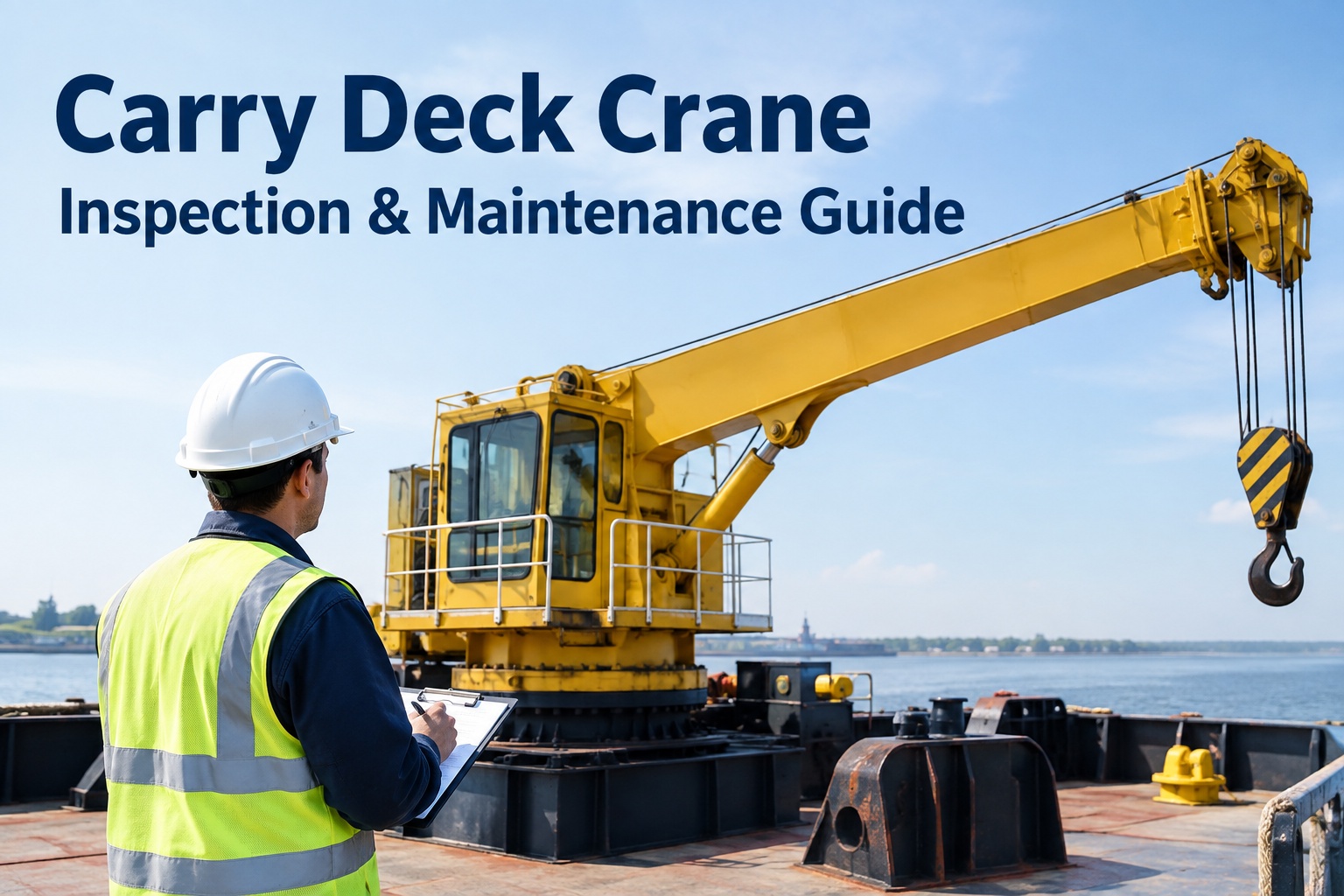
A carry deck crane sneaks through its morning functional walkaround, but three pick-and-carry moves into a congested plant turnaround, an outrigger interlock bypass fails or the hydraulic boom extension cylinder begins creeping under load. With dual duties as both a mobile pick-and-carry unit and a stationary outrigger-supported crane, carry deck cranes endure combined mechanical stresses that vehicle-first spreadsheets miss. Managing high-consequence lifting assets requires systematic, audit-ready inspection cadences. Book a demo to see automated crane PM scheduling in action
Carry Deck Crane Inspection & Maintenance Guide
LMI sensors, boom wear pads, wire rope, and outrigger hydraulics. Toggle below to compare how hours-based telemetry safeguards industrial lifting versus reactive paper logs.
Paper inspection sheets sit in crane cabs for weeks. A hairline weld fissure or an uncalibrated Load Moment Indicator (LMI) goes unlogged until a red-tag shutdown halts the entire turnaround project.
Daily operator reporting routes defects directly to mechanics in real time. Operators log wire rope strand breaks, hydraulic drift, and outrigger lock valve play from their mobile devices with timestamped photo proof.
Structured preventive maintenance cut unplanned crane downtime and keeps industrial lifting operations compliant under OSHA 1926.1412 and ASME B30.5 standards.
A carry deck crane operates in low-headroom factory bays, chemical refineries, and tight laydown yards where precise steering and compact lifting are mandatory. Unlike standard rough-terrain or all-terrain cranes, these units combine a 360-degree rotating boom with a flat carry deck designed to haul heavy loads across the yard. This dual operational mode exposes the chassis, outrigger boxes, and boom telescope cylinders to intense torsional stresses that demand rigorous preventive maintenance.
4 High-Stress Inspection Focus Areas on a Carry Deck Cranemechanical, structural, and control failure modes that demand daily checks
Because carry deck cranes frequently execute pick-and-carry operations without outriggers, stability tolerances are exceptionally tight. Any skipped hydraulic check or neglected wear pad directly threatens site safety.
Inspect boom sliding pads, extension cables, and hydraulic cylinders. Excessive pad clearance causes boom sag, side play, and binding during multi-stage extension.
Verify that the Load Moment Indicator (LMI) and Anti-Two Block (A2B) switches trip properly. A sticking microswitch or pinched signal wire leads to catastrophic two-blocking.
Test holding valves on all four outrigger vertical jacks. Any hydraulic drift or weeping lock valve can cause crane tipping during high-angle lifting.
Check 4-wheel steer linkages, crab-steering hydraulics, deck tie-down rings, and tire load ratings. Overloading the carry deck causes severe frame cracking.
Field mechanics must be equipped to flag boom play and cylinder leaks immediately. Schedule an operational demo to see how HVI structures digital crane checklists
Scheduled Maintenance Cadence for Industrial Carry Deck Cranestransitioning from emergency field repairs to structured hour-based PM intervals
A carry deck crane combines diesel powertrains with specialized hydraulic hoists, swing bearings, and structural telescoping booms. Establishing strict preventive maintenance cycles based on machine operating hours prevents unexpected boom seizures and expensive hoist overhauls.
| Interval | Inspection Scope | Key Mechanical & Safety Tasks | Status |
|---|---|---|---|
| Daily / Shift | Pre-Operation Safety | Test A2B switch, inspect hook safety latch, check hydraulic leaks, verify load chart | Mandatory |
| Monthly (250 Hrs) | Hydraulics & Wear Pads | Check outrigger drift, grease turntable slewing ring, measure boom wear pad shims | Routine PM |
| Quarterly (500 Hrs) | Hoist & Running Gear | Inspect wire rope strands for fatigue/kinks, service hoist brake, check 4-wheel steer joints | Deep Service |
| Annual | Structural & LMI Recert | Non-destructive weld testing, calibrate LMI pressure transducers, perform rated load test | Statutory Audit |
Modern fleets achieve up to a 25% reduction in annual maintenance costs by deploying well-planned PM schedules, systematic follow-up processes, and detailed parts and labor tracking. Sign up free to configure hour-based crane maintenance schedules in HVI
Manual Paper Logs vs. Digital Crane CMMS Managementhow digital work orders safeguard crane safety and eliminate paperwork lag
Relying on physical inspection clipboards leaves industrial facilities exposed to missing compliance records, delayed repairs, and severe safety liabilities during third-party site audits.
Paper Checklists & Whiteboards
- Checklists stay inside the crane cab until the end of the shift or week.
- Worn hoist cables or weeping cylinder seals go unflagged until catastrophic failure.
- No photographic proof of structural boom fatigue or outrigger jack drift.
- High administrative burden to locate historical proof for OSHA/ASME audits.
HVI Connected Inspection Software
- Mobile daily operator reporting delivers real-time notifications of flagged defects.
- One-click work order creation assigns mechanics and tracks parts consumption directly.
- Signed PDF inspection reports record photos, notes, and repair authorizations.
- Auditable cloud records eliminate paper printing and cut compliance management overhead.
By automating maintenance workflows and inspection reporting, operations recover software investment with an average 3-month payback period. Book a demo to see how HVI connects crane inspections with automated work orders
From a maintenance manager running plant turnaround cranes
We run five carry deck cranes across our manufacturing and staging yards. On paper inspections, operators would check off the boom and outriggers in thirty seconds just to start the pick-and-carry jobs. We had a cylinder lock valve stick open on a 15-ton deck crane that nearly dropped an exchanger bundle.
Moving to HVI changed our safety culture immediately. Our operators now submit their daily walkaround with mandatory photo checkpoints on the hoist cable, hook latch, and outrigger pads. If a boom wear pad is out of tolerance, a work order reaches my shop immediately. We haven't had an unplanned crane outage in over 14 months.
Frequently asked questions
What are the most critical daily checks for a carry deck crane?
A daily carry deck crane inspection must confirm the operational status of the Anti-Two Block (A2B) limit switch, verify Load Moment Indicator (LMI) readings, inspect the wire rope for broken wires or kinks, check hook throat opening and safety latch condition, verify outrigger holding valves against drift, and ensure the load chart matches the boom and outrigger configuration.
How does pick-and-carry duty impact carry deck crane maintenance?
Pick-and-carry operations subject the crane's tires, axle locks, steering knuckles, and boom pivot pins to severe dynamic loading and road vibration without outrigger support. As a result, tires must be maintained at exact rated inflation pressures, axle oscillation locks must be inspected for proper engagement, and carry deck tie-down points must be routinely checked for weld cracks.
How often should boom wear pads be inspected and shimmed?
Boom wear pads should be visually inspected every month or 250 operating hours, and measured for clearance according to OEM specifications (such as Broderson, Grove, or Shuttlelift guidelines). If clearance exceeds tolerances, pads must be shimmed or replaced to prevent boom chatter, internal hydraulic cylinder side-loading, and scoring on telescope boom sections.
What are the OSHA requirements for mobile crane monthly inspections?
OSHA 29 CFR 1926.1412 requires that monthly mobile crane inspections be conducted by a qualified person and documented in writing. The documentation must include the inspection date, the signature of the inspector, and an equipment identifier. These records must be maintained for at least three months, making a digital inspection platform ideal for audit tracking.
How does HVI software streamline crane preventive maintenance?
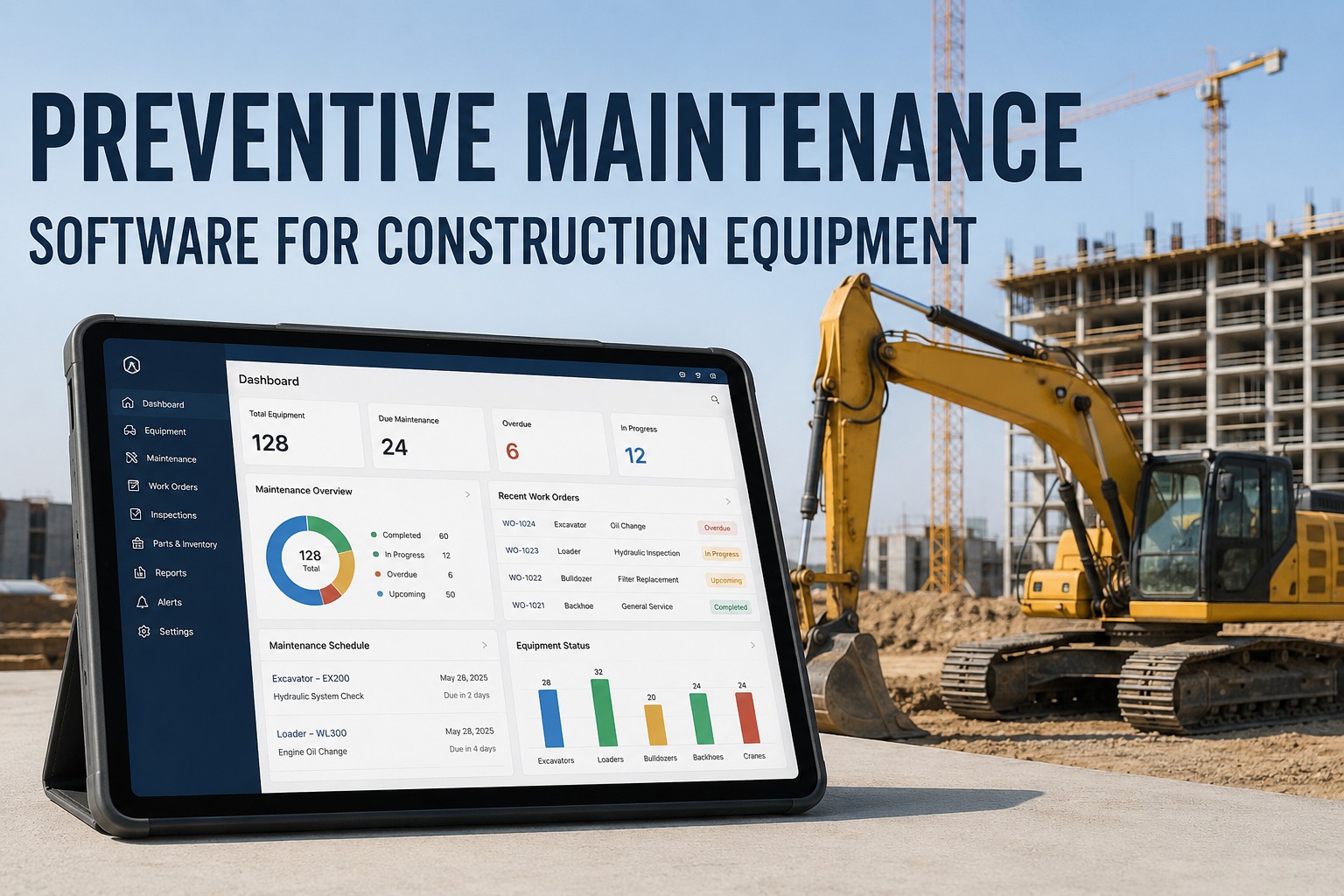
HVI allows maintenance teams to configure hour-based and calendar-based preventive maintenance schedules for all lifting equipment. When operators log defects or fluid leaks during pre-trip DVIRs, the system instantly alerts supervisors and generates one-click work orders to assign mechanics and track replacement parts.
Eliminate Blind Spots Across Your Carry Deck Crane Fleet
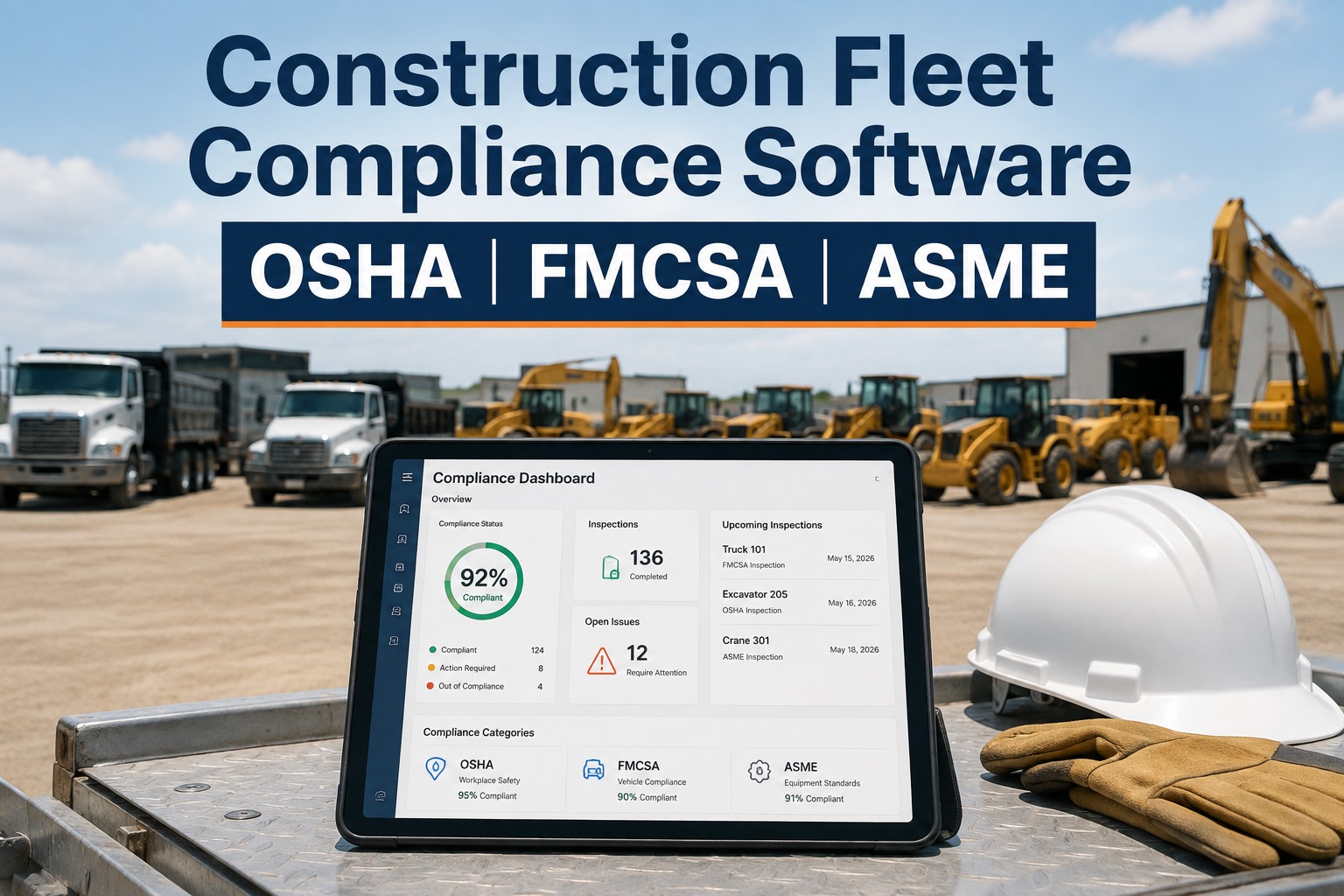
Ensure your carry deck cranes, rigging, and mobile lifting equipment remain safe and fully compliant. Deploy digital checklists, automate meter-based PM schedules, and generate signed audit records in one integrated platform.
No credit card required · Configurable crane templates · Average 3-month ROI payback




.png)