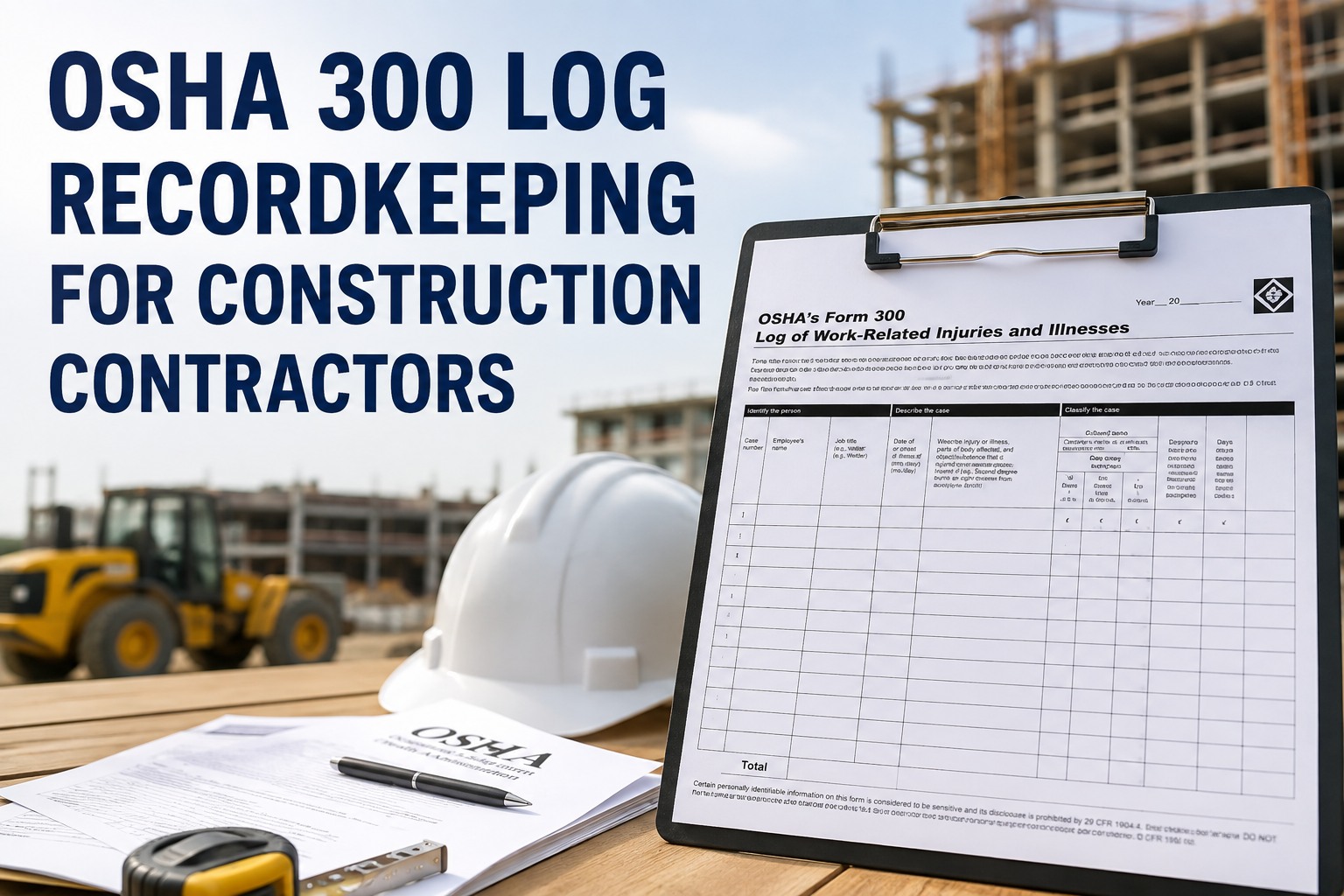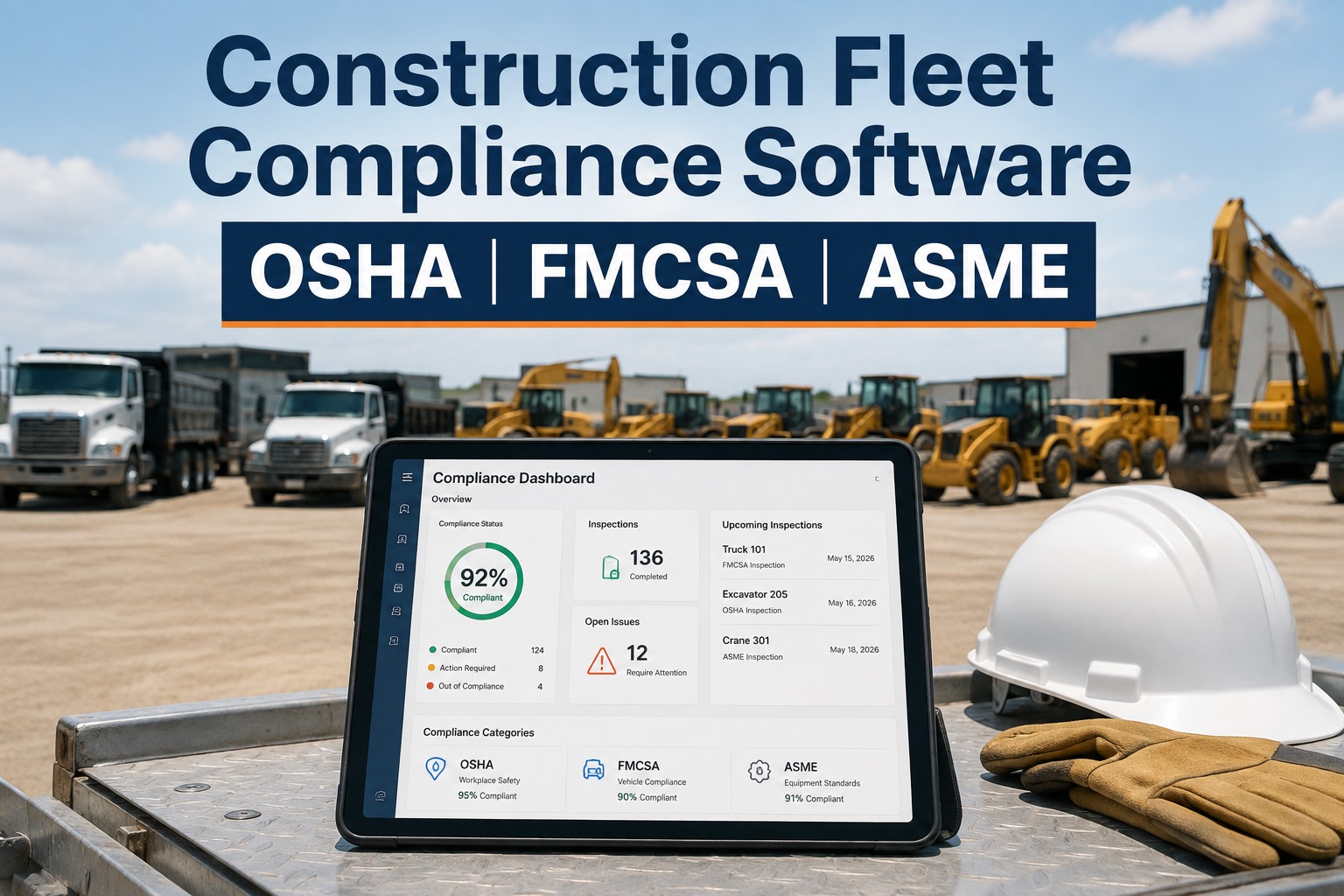
You already bought the water attachment for the cut-off saw and the HEPA vacuum for the grinder. The problem is that when an OSHA compliance officer asks about a concrete cutting job from three months ago, none of that equipment proves anything. OSHA silica 1926.1153 compliance is won or lost on documentation: the standard gives you two paths, Table 1 specified controls or your own exposure assessment with objective data, and both require you to show the control was actually in place during the task. A vacuum in the gang box is not a control in use. This guide walks through the Table 1 tasks contractors hit most, the written exposure control plan, competent person duties, medical surveillance triggers, and how to build a record that survives an inspection. If you want to see how task-level photo records work on real jobs, you can book a 30-minute walkthrough of digital silica documentation before you finish reading.
The control was running. Can you prove it?
Table 1 tells you exactly which engineering control to use for 18 common construction tasks. It does not tell you how to prove, six months later, that the water was flowing and the vacuum was on. That gap is where citations live.
What OSHA asks for
- Which Table 1 task was performed, and when
- Which specified control was in place during it
- Who the designated competent person was
What most contractors have
- A water tank receipt from the equipment dealer
- A written plan nobody has opened since onboarding
- Text-message photos that never made it to a file
Table 1 controls vs. objective data: which path fits your work?
1926.1153 gives you a fork in the road, and most mixed-fleet contractors should take the left one. Table 1 is a pre-approved menu: match the task, run the specified control, and you are exempt from exposure monitoring for that task. The catch is that you must fully and properly implement it, and you must be able to show that you did.
Table 1: specified controls
Use the engineering control, work practice and respiratory protection listed for your exact task and equipment. No air monitoring required, no exposure assessment math. Best for contractors doing standard work: cutting, drilling, grinding, jackhammering, crushing.
The trade-off: every deviation matters. If Table 1 says water delivery at the blade and your saw ran dry for an hour, you were outside Table 1 for that hour and needed another basis of compliance.
Objective data + exposure assessment
Assess each worker's exposure using air monitoring data or objective data (studies, industry data, prior sampling) showing the task stays below the PEL. Then apply controls based on what you find. Best for unusual tasks, new equipment, or work Table 1 does not list.
The trade-off: you own the science. Your data must reflect the actual materials, conditions and work practices on your sites, and it must be documented well enough to defend years later.
Whichever path you run, the record-keeping burden lands in the same place: the task level. A demo of task-level control verification shows how crews capture the control-in-use photo at the moment of the cut, not at the end of the week.
The five Table 1 tasks that get contractors cited
These are the tasks where the control exists on paper and fails in practice, usually because the water tank ran empty, the vacuum filter clogged, or the task ran longer than the four-hour respirator threshold.
| Table 1 task | Specified control | Respirator trigger | Where it breaks down |
|---|---|---|---|
| Handheld power saws (any blade diameter) | Water delivered continuously to the blade | Over 4 hours per shift, outdoors or enclosed | Water tank empties mid-cut; nobody logs the refill or the dry interval |
| Walk-behind saws | Water delivered continuously to the blade | Over 4 hours per shift indoors or enclosed | Long slab cuts cross the 4-hour line with no respirator on site |
| Jackhammers & handheld breakers | Water spray to suppress dust, or local exhaust | Over 4 hours per shift, any location | Demo runs all day; water hose "gets in the way" and disappears |
| Handheld grinders for mortar removal | Shroud + HEPA-filtered vacuum (99.97% efficiency) | Any duration, indoors or outdoors | Filter clogs, suction drops, grinding continues anyway |
| Drilling (handheld or rig-mounted) | Water or dust-collection system per Table 1 entry | Varies by equipment and duration | Dust collector left on the truck for "just a few holes" |
Notice the pattern: none of these failures are equipment failures. They are verification failures. The water truck, the HEPA vacuum and the dust shroud are assets, and they need the same discipline as your trucks and trailers. Contractors who track dust-control equipment as maintained assets catch the empty tank and the clogged filter before the compliance officer does.
Your silica exposure control plan: the four records that matter
The written exposure control plan is not a binder exercise. OSHA expects it to describe the tasks, the controls, the housekeeping methods and the procedures for restricting access, and it expects a competent person making frequent and regular inspections of job sites, materials and equipment. Here is what that looks like as a living system instead of a PDF.
Task inventory with controls mapped
List every silica-generating task your crews actually do, mapped to its Table 1 entry or your exposure assessment. Update it when you buy new equipment or take on new work types. This is the spine of the plan.
Competent person designation, per site
Name the person, in writing, who can identify silica hazards and has authority to fix them. On a multi-site operation that means a designation per crew, not one name on a corporate document.
Control-in-use verification, per task
The competent person's frequent and regular inspections need a record: date, task, control observed in operation, deficiencies found, corrections made. A timestamped photo of water flowing at the blade is worth a page of narrative.
Housekeeping and restricted access
No dry sweeping, no compressed air where it can be avoided, HEPA vacuuming instead. Document the housekeeping method and any areas where you restricted access during high-exposure tasks.
A plan that lives in a CMMS instead of a binder gets reviewed because the review is scheduled, not remembered. You can see how scheduled plan reviews and competent-person checklists run in HVI in one short session.
Turn silica compliance from memory into a record
Task-level checklists, photo proof of controls in use, and dust-suppression equipment on its own PM schedule. See it on your own jobs.
The 30-day trigger and the respirator trap
Medical surveillance is required for any worker who must wear a respirator for silica for 30 or more days in a year under Table 1, or who is exposed at or above the action level for 30 or more days. The exam includes chest X-rays and pulmonary function tests, and the records must be kept for the duration of employment plus 30 years. That is a long tail of liability for a trigger most contractors track in their heads.
How the trap springs
A laborer jackhammers five hours a day, three days a week, for a summer. Nobody counted the days. By August he is past 30 days of required respirator use with no medical surveillance offered, and your respirator program, fit tests and training records are all exposed at once. Remember: respiratory protection drew 1,953 citations in FY2025, and silica jobs are where inspectors go looking for them.
How you stay ahead of it
Log respirator-required tasks against named workers as they happen. When a worker approaches the 30-day threshold, the system flags it and the surveillance exam gets scheduled before the trigger, not after the citation. The same log doubles as your exposure record for any future claim. Teams that walk through worker-level exposure logging in a demo usually find two or three people already near the threshold.
Four ways HVI closes the silica documentation gap
Control-in-use inspection templates
Build a checklist per Table 1 task: water flowing, shroud attached, vacuum running, respirator worn past four hours. The crew lead completes it on any phone with a required photo, timestamped and GPS-stamped at the point of work.
Dust-control equipment on PM
Water trucks, spray tanks, HEPA vacuums and dust shrouds become tracked assets with their own preventive maintenance schedules. Filter changes and pump checks fire work orders automatically, so the control works when the task starts.
Threshold and overdue alerts
Respirator-day counts, competent-person inspection intervals and plan review dates all carry due and overdue alerts. Nothing depends on a safety manager's memory during the busy season.
Audit-ready retrieval in seconds
When OSHA or a client's auditor asks about a specific date and task, you pull the complete record, photos included, from your phone. No binders, no group-chat archaeology, no "let me get back to you."
What one undocumented week actually costs
Take a 25-person sitework contractor running two saw-cutting crews. During a five-day hospital expansion job, the water pump on one walk-behind saw fails on day two. The crew keeps cutting dry to stay on schedule. Nobody writes it down.
With the pump on a PM schedule and a daily control-in-use checklist, day two looks different: the checklist fails, a work order opens against the saw, the crew switches to the backup unit, and the whole episode is documented as a corrected deficiency, which is exactly what inspectors want to see. If your crews still report this stuff by text message, it is worth ten minutes to start logging control checks free and see the difference on your next job.
Silica compliance, condensed
- Pick your path deliberately. Table 1 covers 18 tasks with specified controls and no monitoring burden. Anything outside it needs an exposure assessment backed by objective data.
- The control in place is not the control in use. Water tanks empty, filters clog, hoses vanish. Verification at the task level is the whole game.
- Name your competent persons per site. Frequent and regular inspections need a named inspector and a written record, not a job title on a plan cover.
- Count respirator days. Thirty days in a year triggers medical surveillance with records kept 30 years past employment. Track it as it happens.
- Treat dust-control gear as fleet assets. Water trucks, vacuums and shrouds need PM schedules and work orders like any other equipment that keeps you legal.
- Build for the audit, not the inspection. Timestamped, photo-backed records retrieved in seconds turn an OSHA visit from a scramble into a formality.
My gripe was never the rule, it was the proving. We had the vacuums, we had the water kits, and I still spent two days after an inspection digging through foremen's camera rolls to show a control was running on one Tuesday in March. Now my guys snap the checklist before the saw starts, and I track one number: control checks completed versus cuts logged. When those two match, I sleep fine.
Dan Whitfield, Safety & Compliance Manager, mid-size concrete and sitework contractor
OSHA silica 1926.1153: your questions answered
What is the difference between Table 1 and doing my own exposure assessment?
Table 1 is a pre-approved list of 18 common construction tasks with the exact engineering control, work practice and respirator requirement for each. Follow it fully and properly and you skip air monitoring entirely. The alternative path requires you to assess each worker's exposure using your own air sampling or objective data, then apply controls based on the results. Most contractors doing standard cutting, drilling and grinding work choose Table 1 because it is simpler, but you must document that the specified control was actually in use during the task.
What are the silica PEL and action level under 1926.1153?
The permissible exposure limit is 50 micrograms of respirable crystalline silica per cubic meter of air, averaged over an 8-hour shift. The action level is 25 micrograms. Exceeding the action level triggers exposure assessment obligations, and 30 or more days at or above it in a year triggers medical surveillance for that worker. Dry cutting or grinding concrete can exceed both within minutes, which is why engineering controls come first.
Who counts as a silica competent person and what must they do?
A competent person is someone you designate who can identify existing and foreseeable silica hazards and has the authority to take prompt corrective action. Under 1926.1153 they must make frequent and regular inspections of job sites, materials and equipment to implement the written exposure control plan. On multi-crew operations you need a designated person per site, and their inspections should leave a dated, signed record. Digital checklists make that record automatic; you can book a demo to see competent-person inspection templates in action.
When is medical surveillance required for silica exposure?
Medical surveillance is required for any worker who must wear a respirator for silica work for 30 or more days per year under Table 1, or who is exposed at or above the action level for 30 or more days per year. The baseline exam includes a medical history, chest X-ray and pulmonary function test, with follow-up exams every three years. Records must be retained for the duration of employment plus 30 years, so tracking respirator days accurately from day one is essential.
How do I prove a Table 1 control was in use during a past job?
You need a task-level record created at the time of the work: the date, the task, the control observed in operation, and ideally a photo showing water flowing or the vacuum connected. Receipts for equipment purchases prove ownership, not use. A mobile inspection app lets the crew lead capture that proof in under a minute on any phone, timestamped and stored against the job. You can sign up free and build your first silica checklist the same day.
Make every cut, drill and grind audit-proof
HVI turns your silica exposure control plan into task-level checklists with photo proof, dust-control equipment PM, and records you can pull in seconds. See it running on your own crews.
Free to start - Works on any phone - No card needed