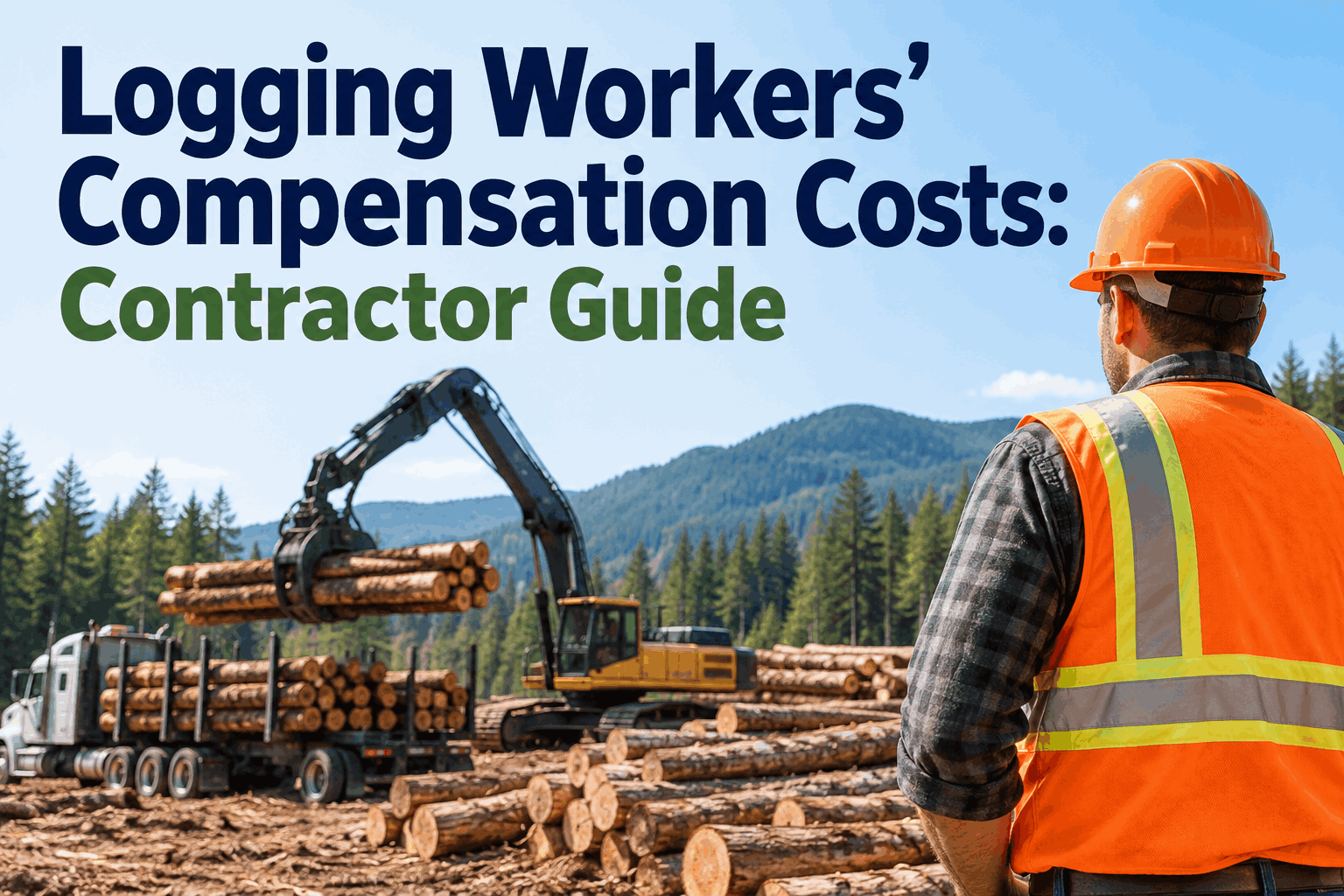
Logging workers compensation costs are shaped by more than an insurance rate alone. Classification, payroll exposure, claim history, experience rating and the severity of workplace injuries can all affect the insurance picture, while logging contractors can focus operationally on stronger inspections, incident records, hazard follow-through and documented safety practices.
Understand What Sits Behind Logging Workers' Compensation Costs
Separate insurance-rating factors from the field conditions your operation can actually manage—and build better records around inspections, incidents and preventive action.
ClassificationType of work performed
Payroll / ExposureRated exposure base
Loss ExperienceClaims and rating history
Rating FactorsJurisdiction and insurer variables
For logging company owners and safety managers, the useful distinction is between factors used to calculate insurance costs and operating conditions that the company can influence. HVI belongs on the operational side: organizing inspections, incident information, equipment findings and follow-up records—not calculating insurance premiums or promising a particular insurance outcome.
What Drives Logging Workers Compensation Costs?
Workers' compensation pricing is not a simple company safety score. The calculation can involve classification, payroll or another applicable exposure base, loss experience, experience rating where applicable, jurisdictional rules, insurer pricing and other adjustments. The exact method depends on the policy and state.
The type of work being insured affects the applicable workers' compensation classification and its underlying loss expectations.
The applicable exposure base helps determine how much activity is being insured under the classification.
Prior losses may affect experience-rating calculations and how an insurer evaluates an account.
State rules, carrier methodology, policy structure and applicable credits or adjustments can also influence cost.
A quoted logging workers comp rate from another contractor is not automatically transferable to your business. Classification, exposure, jurisdiction, claims and policy details can differ.
Safety software does not control all of these insurance variables. What it can support is a more consistent operational record. See how HVI can organize inspections, incidents and logging safety records in one workflow.
Where Safety Performance Connects With the Cost Conversation
Instead of treating workers' compensation as only an insurance-renewal issue, logging contractors can examine the operational events that sit upstream of claims. Equipment defects, unsafe conditions, incidents and incomplete follow-up are all areas where better field visibility can support loss-prevention efforts.
Inspect, evaluate and repair
→ Inspection + repair historyRecord, assign and address
→ Safety findingDocument and review
→ Incident recordInvestigate the pattern
→ Trend + action historyFor logging operations, OSHA 1910.266 requires logging machines and vehicles used in logging operations to be maintained in serviceable condition and inspected before initial use during each workshift, with unserviceable equipment addressed before work begins. Those requirements make consistent inspection records operationally important beyond insurance alone.
Digital inspections can help standardize how those checks are recorded. See how HVI can connect logging inspection findings with maintenance and safety follow-through.
Experience Modification: Understand the Role Without Oversimplifying It
An experience modification factor, often called an experience mod or EMR, is commonly used in workers' compensation experience rating to compare an employer's loss experience with expected losses under the applicable rating methodology. It should not be treated as a direct measurement of whether a logging company is safe or unsafe.
The specific methodology, eligibility requirements, experience period and treatment of losses depend on the applicable rating system.
Review the applicable experience-rating worksheet and methodology with your insurer, broker, agent or qualified workers' compensation adviser.
Review equipment, task, location and recurring safety records to identify areas that may deserve preventive attention.
The second question is where operational data becomes especially useful. HVI analytics and reporting can help teams review patterns across their own records without representing that those analytics calculate or change an experience modification factor.
Build a Logging Loss-Prevention Record Before Renewal
A useful safety record is built throughout the year, not assembled for the first time when an insurance renewal approaches. Logging contractors can create a clearer operating history by consistently documenting inspections, incidents, responses and recurring findings.
Keep equipment and vehicle inspection records searchable by asset, date and finding.
Capture what happened along with task, equipment, location and other useful context.
Show the repair, training, inspection or other response assigned after a finding.
Look across records for repeat equipment defects, tasks or operating conditions.
Inspections, safety records, incident history, action visibility and reporting.
Premiums, classifications, insurer underwriting decisions or experience-rating outcomes.
A consistent safety management record gives managers a better operational view of prevention activity. See how HVI can keep logging safety findings and their follow-up records connected.
Use Claims and Incident History to Set Prevention Priorities
Past claims should not be treated only as financial transactions. When combined with internal incident and inspection records, they can help a contractor ask better questions about where injuries or serious exposures are occurring and what operational response may be appropriate.
Increase attention where defects or serviceability issues recur.
Evaluate whether incident history identifies work requiring additional attention.
Feed recurring terrain, environmental or work-area issues into job planning.
OSHA's logging standard includes training requirements covering safe performance of assigned tasks, safe use and maintenance of tools and machines, and recognition and control of hazards associated with the employee's work. Operational history can help managers decide where to investigate further while applicable training requirements still need to be evaluated independently.
Logging Workers Compensation: Frequently Asked Questions
What affects logging workers compensation costs?
Workers' compensation costs can be influenced by factors such as classification, payroll or the applicable exposure base, loss experience, experience rating where applicable, state rules, insurer pricing and other policy adjustments. The exact calculation varies by jurisdiction and policy.
Why can logging workers comp rates differ between contractors?
Two contractors may have different classifications, payroll exposure, operating locations, claim histories, experience-rating factors, insurers or policy structures. A rate quoted for one logging business therefore may not represent another contractor's actual workers' compensation cost.
What is a workers compensation experience modification?
An experience modification is an experience-rating factor produced under an applicable rating methodology using an employer's historical loss experience and expected losses. Eligibility, calculation rules and the experience period depend on the rating system that applies to the employer.
Can safety management reduce logging workers compensation premiums?
Safety management can support injury prevention and stronger operational documentation, but a specific premium reduction should not be assumed. Insurance pricing depends on multiple rating and underwriting factors. Contractors should discuss premium impacts with their insurer, broker or qualified workers' compensation adviser.
How can HVI support logging workers compensation risk management?
HVI can help logging contractors organize equipment inspections, safety findings, incident records, follow-up activity and operational reporting. This can improve visibility into the company's own safety activity, but HVI does not calculate premiums, set insurance rates or determine experience modification factors.
Build the Safety Record Behind Better Risk Management
Give owners and safety managers one place to review inspections, incidents, recurring findings and completed follow-up across logging operations.