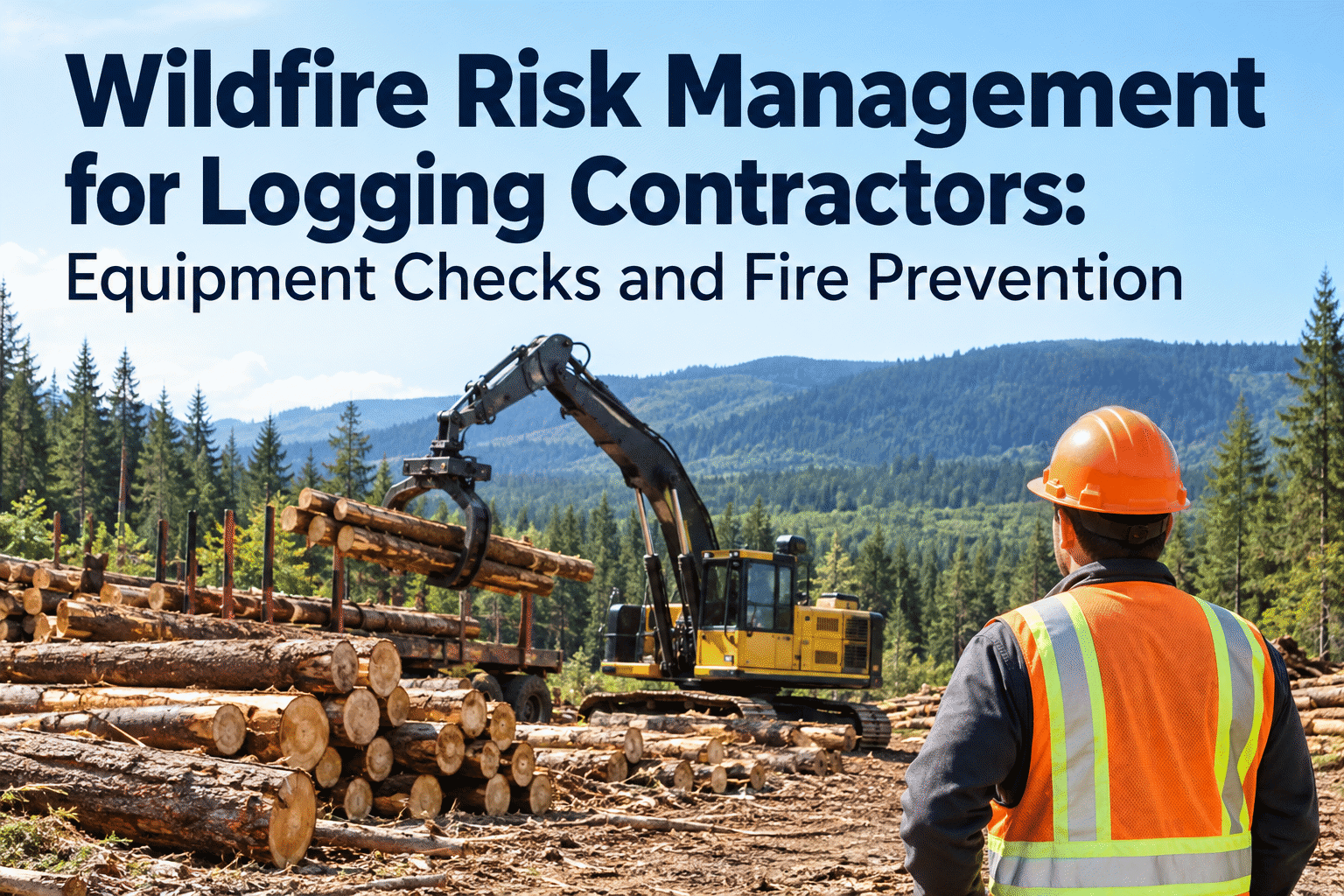
Wildfire risk management for logging contractors starts before equipment enters a dry work area. Crews need clear stop-work triggers, daily ignition-source inspections, practical fire watch arrangements, and records of defects corrected. This guide explains how to build a workable prevention routine across remote logging sites.
Stop ignition risks before the next shift begins
Build a repeatable logging fire prevention plan around machine condition, changing fire danger, crew responsibilities and documented corrective actions.
Build the plan around conditions, not a fixed calendar
Logging wildfire risk changes with weather, fuels, equipment activity and local restrictions. Supervisors should review conditions at the start of each shift and again when operations change.
Fire danger and restrictions
Check the responsible land or fire authority's current danger ratings, permits, industrial activity restrictions and shutdown requirements.
Ignition exposure
Assess exhaust heat, dry debris, damaged electrical components, hot work and refueling near combustible vegetation.
Response capability
Confirm communications, access routes, trained personnel and required suppression equipment before work begins.
Operational rule: local laws, permits and authority-issued restrictions take precedence over any general checklist in this guide.
Inspect the ignition sources that matter most
Use equipment-specific checklists and manufacturer instructions. A defect that creates an immediate fire hazard calls for isolation and evaluation before return to service.
Exhaust and heat shielding
Check damaged shields, exhaust leaks, abnormal heat and vegetation packed around hot components.
Debris and fluid leaks
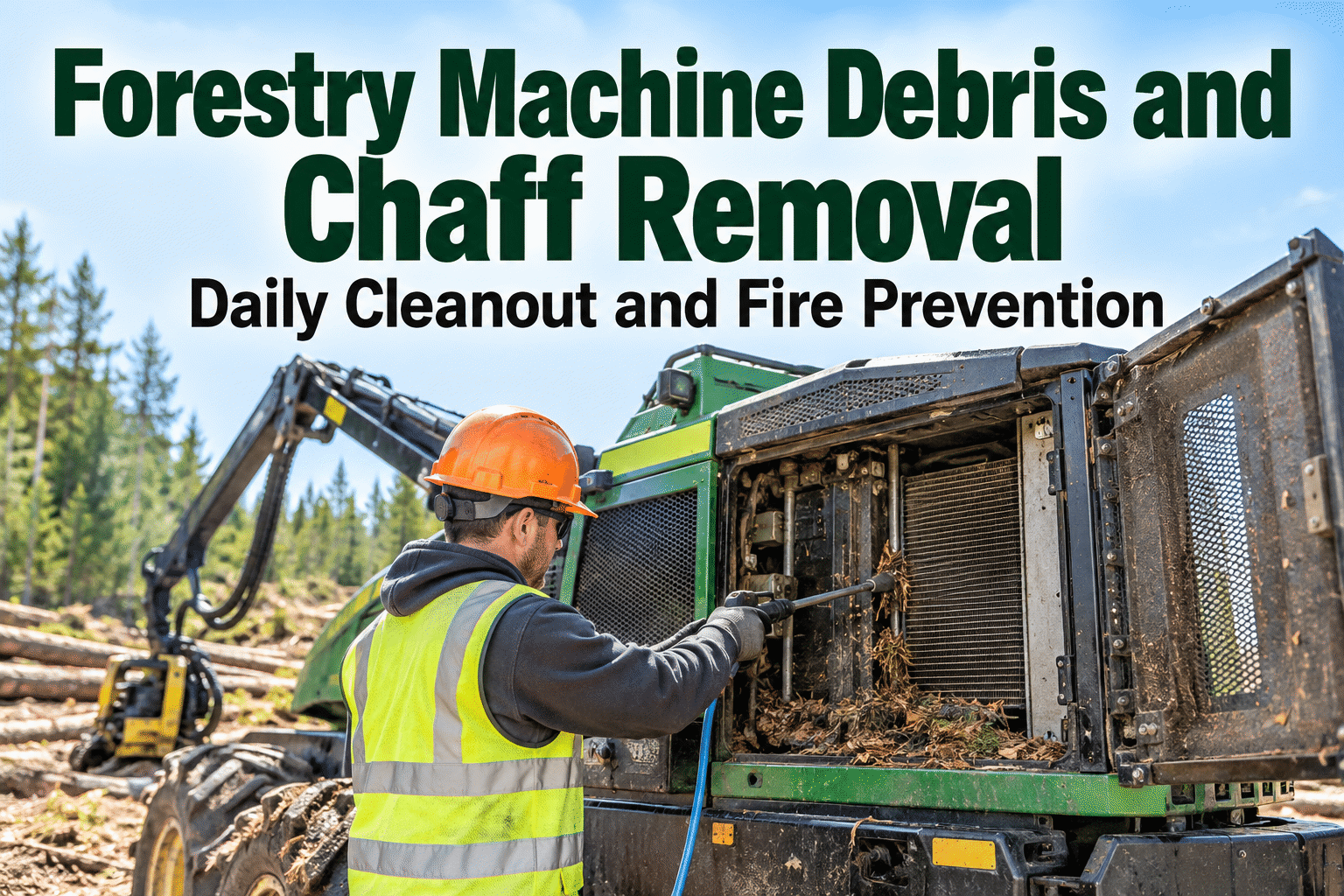
Remove combustible buildup safely and identify hydraulic oil, fuel or lubricant leaks before dispatch.
Electrical and suppression equipment
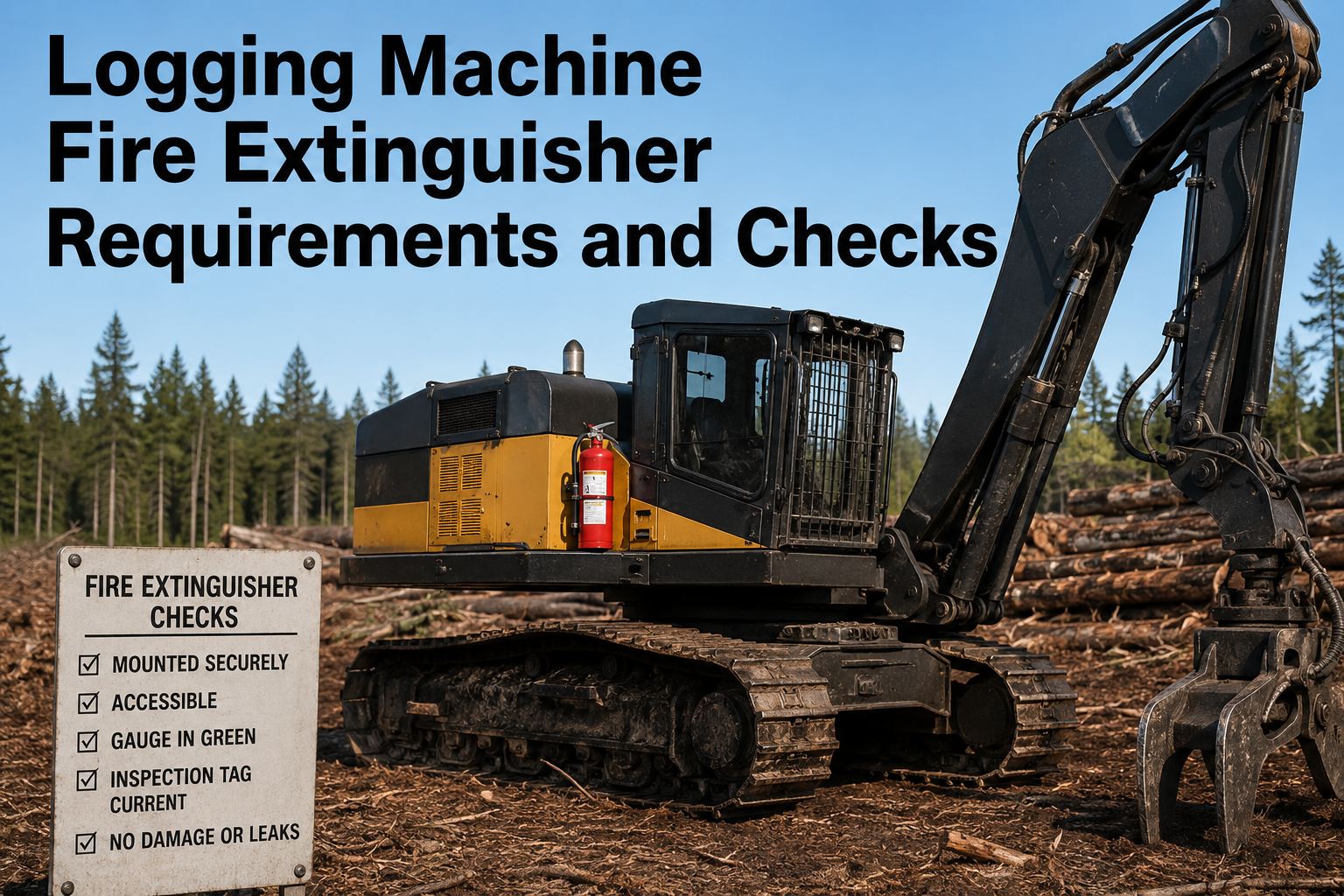
Review damaged wiring, battery connections, extinguishers and fitted fire-suppression systems where applicable.
Machine-specific protection
Inspect spark arrestors where required and confirm serviceability against manufacturer and site requirements.
A simple fire-risk decision gate for supervisors
Keep the decision visible and assign one accountable person to approve any change in work status.
Proceed with controls
Site restrictions permit work; machine checks pass; required response resources are available.
Pause and correct
A manageable deficiency is found. Correct it, document the action and reassess before starting.
Stop / do not dispatch
A restriction prohibits activity, a serious ignition hazard remains or required emergency readiness is absent.
These are illustrative internal decisions, not official fire danger categories. Follow site-specific emergency plans and applicable authority instructions.
Make equipment fire checks part of daily maintenance
Use inspection findings and maintenance records to make unresolved ignition risks visible before the next shift.
Set separate controls for refueling, hot work and shutdown
Refueling and fuel transfer
Choose approved locations, manage ignition sources, inspect hoses and fittings, provide spill response resources and record exceptions. Do not refuel in unsafe conditions.
Welding and hot work
Apply the required permit process, clear or protect combustible materials, position suitable fire protection and assign a trained watch for the duration required by local rules.
Parking and end-of-shift
Park away from dry vegetation when practicable, inspect for hot debris, follow shutdown procedures and document any post-operation fire watch required by the site plan.
Need a consistent defect trail? Book a Demo to review HVI inspection-to-work-order workflows.
Design the fire watch and response chain before work starts
Emergency response is not just an extinguisher on a machine. Teams need an understood sequence, verified communications and a safe escalation process.
Recognize
Spot smoke, flame, abnormal heat or a dangerous condition.
Alert
Notify crew and emergency contacts using the site protocol.
Protect
Stop work, keep people safe and evacuate as directed.
Respond
Only trained, equipped personnel take actions permitted by the emergency plan.
Record
Preserve inspection, incident and corrective-action evidence.
Do not delay emergency notification to complete digital records. Never direct untrained personnel to fight a wildfire.
Turn failed checks into verified maintenance actions
A ticked checklist is insufficient when a fire-related defect remains open. Link each defect to a named owner, a repair decision and a verified return-to-service record.
Debris near exhaust
Operator flags heat-area buildup during pre-start.
Clean and investigate
Maintenance assigns the correction and checks for underlying causes.
Reinspect before release
Responsible staff confirm the hazard is addressed and record the outcome.
See how this could fit your crew's process: Book a Demo for forestry equipment maintenance records.
Track leading indicators, not only fire incidents
Completed pre-start fire checks ÷ required checks
Unresolved defects by severity and age
Elapsed time from reported hazard to verified closure
Required watches documented ÷ watches planned
Use Start Free to keep inspection and maintenance history together or Book a Demo to discuss field reporting.
A practical four-week rollout
Review exposure
Identify machines, high-risk tasks, applicable restrictions and response resources.
Standardize checks
Set machine-specific inspection items, defect severity and stop-use rules.
Practice response
Train crews on reporting, fire watch assignments and emergency communication.
Audit the records
Review missed inspections, repeat defects, overdue actions and supervisor decisions.
Logging wildfire prevention FAQs
What should a logging equipment fire prevention inspection include?
Inspect hot surfaces and exhaust shielding, combustible debris, fluid leaks, damaged electrical components, extinguishers and fitted suppression systems. Add manufacturer- and site-specific items, including spark arrestors where required.
When should logging operations stop because of wildfire danger?
Stop whenever applicable authority restrictions, permits or the site emergency plan require it. Also stop affected equipment when serious ignition hazards cannot be controlled. Do not substitute a generic fire danger number for local requirements.
How should forestry contractors document fire watch activities?
Record the responsible person, location, activity, start and end times, checks performed, abnormal findings and escalation actions. The watch duration and staffing should follow local requirements and the site plan.
Can HVI automatically predict wildfires or enforce fire restrictions?
No such capability is assumed here. HVI can be used to organize equipment inspections, defects and maintenance records; fire danger monitoring, operational authorization and emergency response remain the responsibility of the contractor and relevant authorities.
How do maintenance records support wildfire risk management?
They help show when ignition-related defects were found, what repairs were completed, who verified the correction and whether equipment was returned to service. This makes recurring problems and overdue actions easier to review.
Build a documented wildfire-prevention routine
Give logging crews a clearer way to record equipment checks, track ignition-related defects and verify corrective maintenance before release.