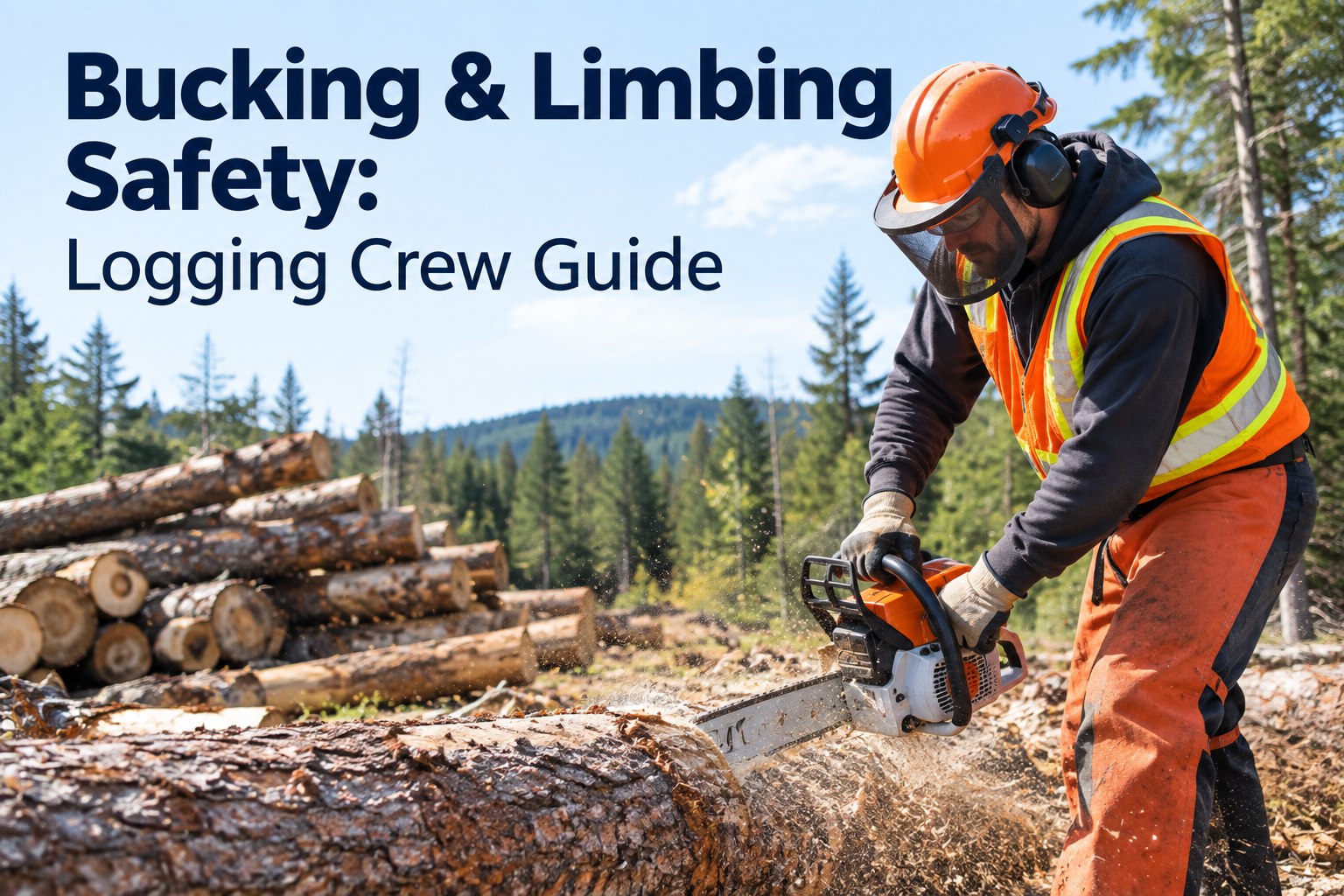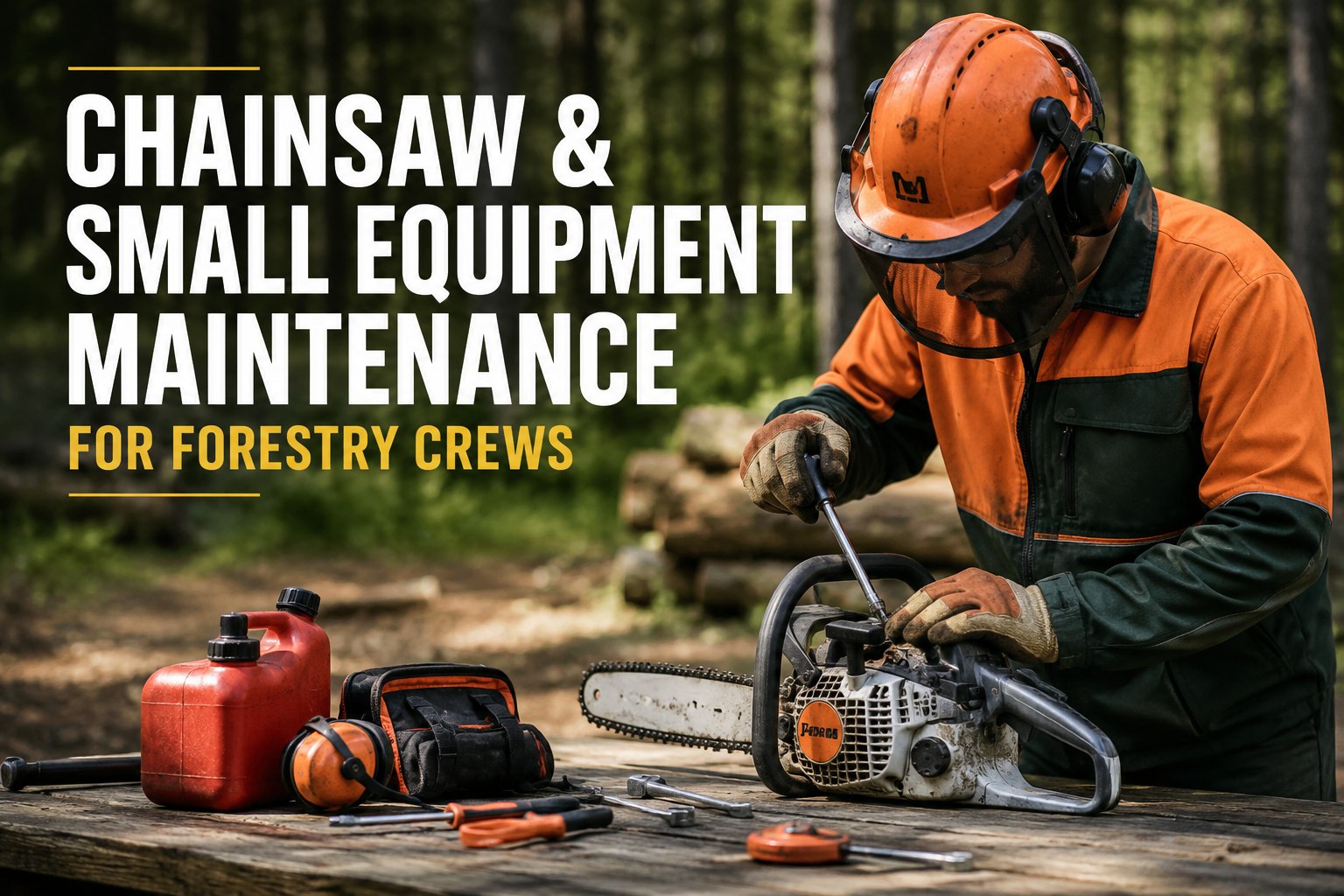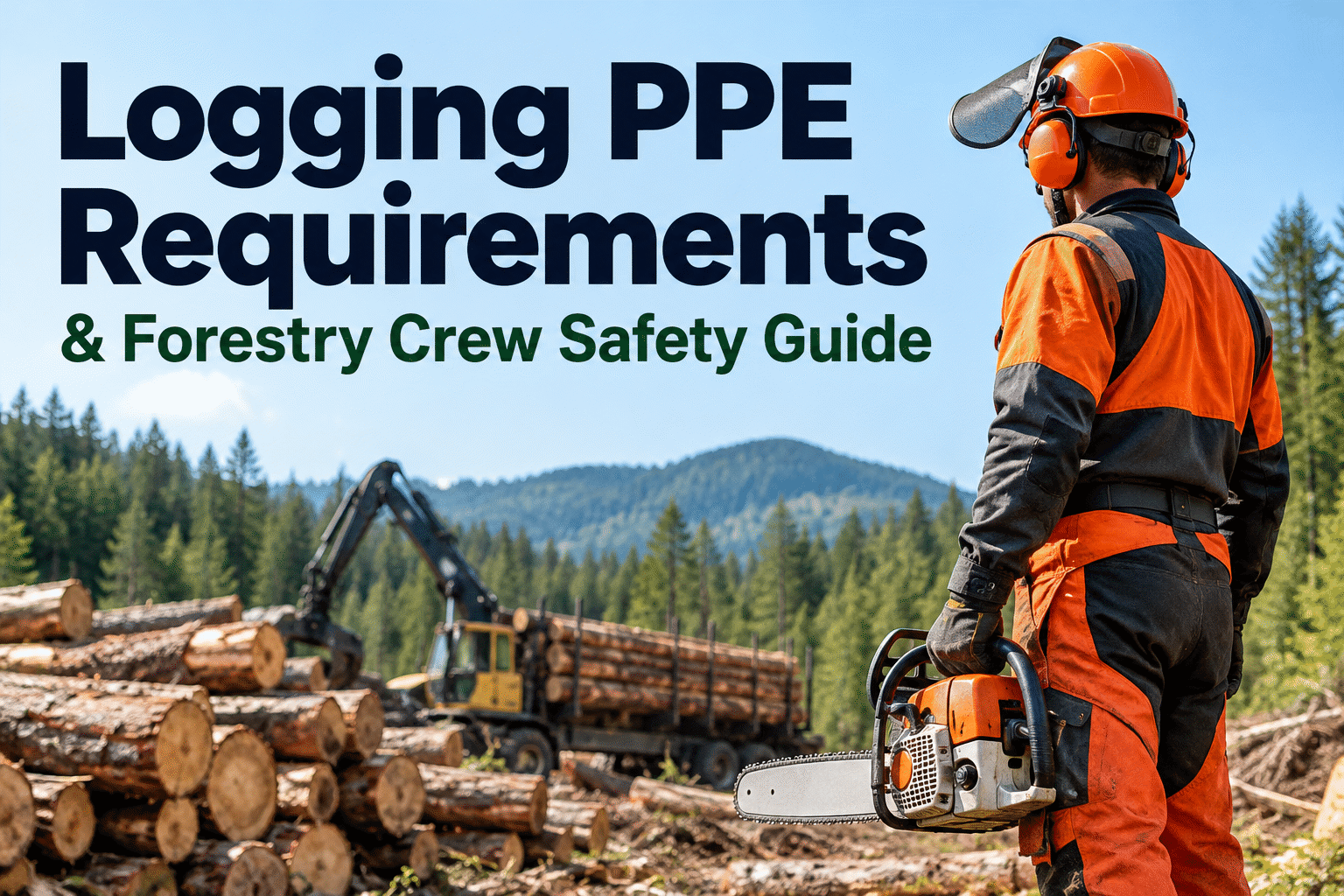
Logging PPE requirements are about matching protection to the work: chainsaw cutting, felling, loading, equipment operation and travel through uneven terrain create different hazards. Helmets, eye and hearing protection, leg protection and footwear need to be selected, checked and used correctly—not simply listed on a form. This guide explains the core requirements, practical crew checks and how to document equipment-related safety issues with HVI. Book an HVI demo to see the inspection workflow.
The right PPE for the task. The right checks before the cut.
Build a logging PPE program around real exposure: overhead hazards, moving chains, flying chips, high noise and slippery ground. Then connect daily safety observations with documented equipment inspections and repairs.
PPE selection must follow the task hazard assessment, applicable rules and manufacturer instructions.
Logging PPE requirements: what belongs in the field kit?
OSHA's logging standard, 29 CFR 1910.266, addresses several PPE categories for logging operations. The exact combination depends on duties, hazards and applicable exceptions. Use the table as a planning aid, not a substitute for the regulation or a site-specific assessment.
Head protection
Use suitable protective helmets where falling or flying objects present a head injury hazard. Inspect shells, suspension and damage before use.
Felling · loading · overhead workEye and face protection
Choose eye protection for chips, sawdust and flying debris. A face shield may supplement, but does not automatically replace, required eye protection.
Cutting · brushing · chippingHearing protection
Provide and use suitable hearing protection when noise exposure requires it. Assess actual exposure rather than assuming one machine's noise level applies to all crews.
Chainsaws · chippers · machinesChainsaw leg protection
Chainsaw operators generally need cut-resistant leg protection meeting the logging standard's requirements, subject to its specific exceptions.
Chainsaw operationProtective footwear
Footwear must be suitable for logging hazards and provide the required protection, traction and support on uneven, wet terrain.
All exposed ground crewsHand protection and task gear
Choose gloves and other protection through the hazard assessment, considering grip, cuts, vibration, handling and entanglement risks.
Handling · maintenance · site tasksKeep machine-condition checks alongside crew safety routines. Book a demo to review digital forestry equipment inspections.
One jobsite, different PPE exposure
A single blanket PPE list can miss important differences between a sawyer, a loader operator and a mechanic. Start with the task and document the hazards before selecting protection.
Examples are illustrative. PPE is one layer of control; safe operating procedures, guarding, exclusion zones and training remain necessary.
Make forestry equipment safety checks easier to document
Keep machine inspections consistent, flag defects and track corrective maintenance without relying on loose paper records.
A practical logging PPE inspection checklist
Before work begins, supervisors can use a quick visual review to identify damaged or unsuitable PPE. The same meeting should address machine defects and changing site hazards.
Worker protection: six field checks
- Helmet: shell and suspension intact; correct fit and service condition.
- Eye / face: clear lenses, secure fit, no cracks or impaired visibility.
- Hearing: correct type, fit and condition for assessed noise exposure.
- Leg protection: correct coverage, secure fasteners, no damaging cuts or contamination.
- Footwear: adequate traction, protective condition and support.
- Task suitability: PPE matches today's activity and site conditions.
What happens when a check fails?
Protection fits, functions and suits the assigned task.
Replace or adjust PPE; reassess the task before exposure.
Stop the affected task until required protection and controls are in place.
HVI supports equipment inspection and maintenance documentation; it is not represented here as a dedicated individual PPE-issuance or fit-testing system.
For machine-side defects identified during the same pre-start meeting, sign up to organize equipment inspections and follow-up maintenance.
How OSHA requirements fit into a forestry PPE program
In the United States, OSHA's logging operations standard (29 CFR 1910.266) is a central reference for covered logging work. Related PPE, occupational noise and training provisions may also apply. Coverage, exemptions and state-plan requirements must be evaluated for the actual employer and operation.
Assess the hazard
Identify falling-object, chainsaw, noise, debris, terrain and equipment hazards by task and work area. Reassess when conditions change.
Select suitable protection
Check the applicable logging provisions, manufacturer instructions and relevant performance standards before buying or issuing PPE.
Train and supervise
Teach when PPE is needed, how it is worn, its limitations, inspection, care and replacement. Confirm workers can apply the training.
Document corrective action
Keep hazard reviews and safety follow-up records appropriate to the program; document machinery defects through equipment inspection and repair records.
PPE cannot compensate for poorly maintained forestry machinery
A damaged muffler can increase noise exposure; a loose guard can increase debris risk; a leaking hydraulic line can introduce slip or contact hazards. Inspecting equipment is therefore an important companion to worker PPE selection.
Exhaust and muffler defects
Unusual noise or damaged components should trigger inspection and repair before continued operation where unsafe.
Missing shields or guards
Exposed moving parts or flying debris call for equipment isolation and corrective action—not simply additional PPE.
Cab doors, seals and glazing
Damaged enclosures can reduce protection from noise, debris and weather during equipment operation.
Leaks, damaged steps and handholds
Record defects affecting safe access, footing and maintenance work, and track repairs to closure.
A digital equipment record helps teams follow each issue from inspection to repair. Book an HVI demo for forestry defect and work-order tracking.
Connect equipment safety observations to maintenance action
HVI's role is the machine-side workflow. Crew PPE selection, worker training, hearing testing and issuance records remain part of the employer's separate safety program.
Inspect
Run equipment checks on forestry vehicles and machinery.
Record
Document the asset, observed defect and condition.
Repair
Organize corrective maintenance through work orders.
Review
Maintain service history and plan preventive work.
Build a workable PPE and equipment safety routine
A repeatable process is more useful than a long checklist nobody uses. Roll out the controls in manageable stages and assign clear ownership.
Review tasks and hazards
Map crews, chainsaw work, machinery and exposure conditions. Identify applicable requirements.
Check PPE and train crews
Verify suitable protection, fit, condition, training and replacement procedures.
Standardize pre-start checks
Pair crew safety briefings with machinery inspections and a clear stop-work route.
Review defects and close gaps
Follow up on equipment repairs, recurring failures and missed inspection actions.
Logging PPE requirements — FAQs
What PPE is required for logging workers?
Depending on the task and hazards, protection can include head, eye, hearing, foot and chainsaw-resistant leg protection. OSHA's logging standard, 29 CFR 1910.266, contains specific provisions and exceptions. Employers should assess each task and verify applicable federal or state requirements.
Do logging workers need chainsaw chaps?
Logging workers operating chainsaws generally need appropriate leg protection under the logging standard, subject to defined exceptions. The material, coverage and suitability matter; review the actual regulation and product specifications for the task.
Are face shields enough when using a chainsaw?
A face shield alone may not provide the required eye protection against flying particles. Select suitable eye protection and use a face shield as additional protection where the hazard assessment calls for it.
How often should forestry PPE be inspected?
Inspect PPE before use and whenever damage, contamination or changed conditions raise concern. Follow manufacturer replacement criteria and applicable employer procedures. Do not continue using compromised protective equipment.
Can HVI manage logging PPE compliance?
HVI can support the equipment side of a forestry safety program through digital machinery inspections, defect records, maintenance work orders and service histories. It does not automatically validate individual PPE compliance, conduct hearing tests or guarantee OSHA compliance.
Support safer forestry operations with organized equipment inspections
Protect workers through task-appropriate PPE and strong site procedures. Use HVI to document equipment condition, address defects and keep maintenance histories accessible.
For equipment records—not automated PPE verification.