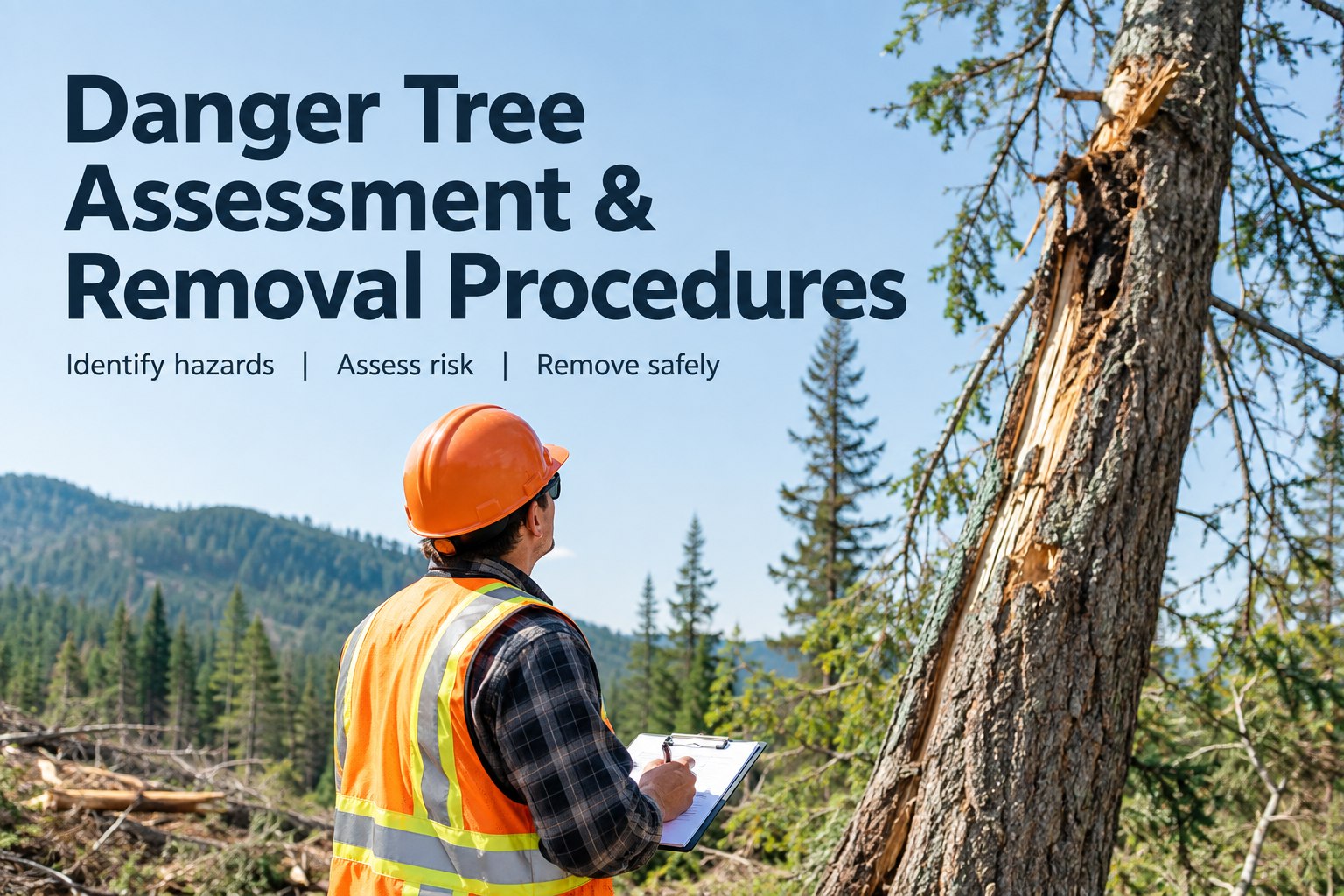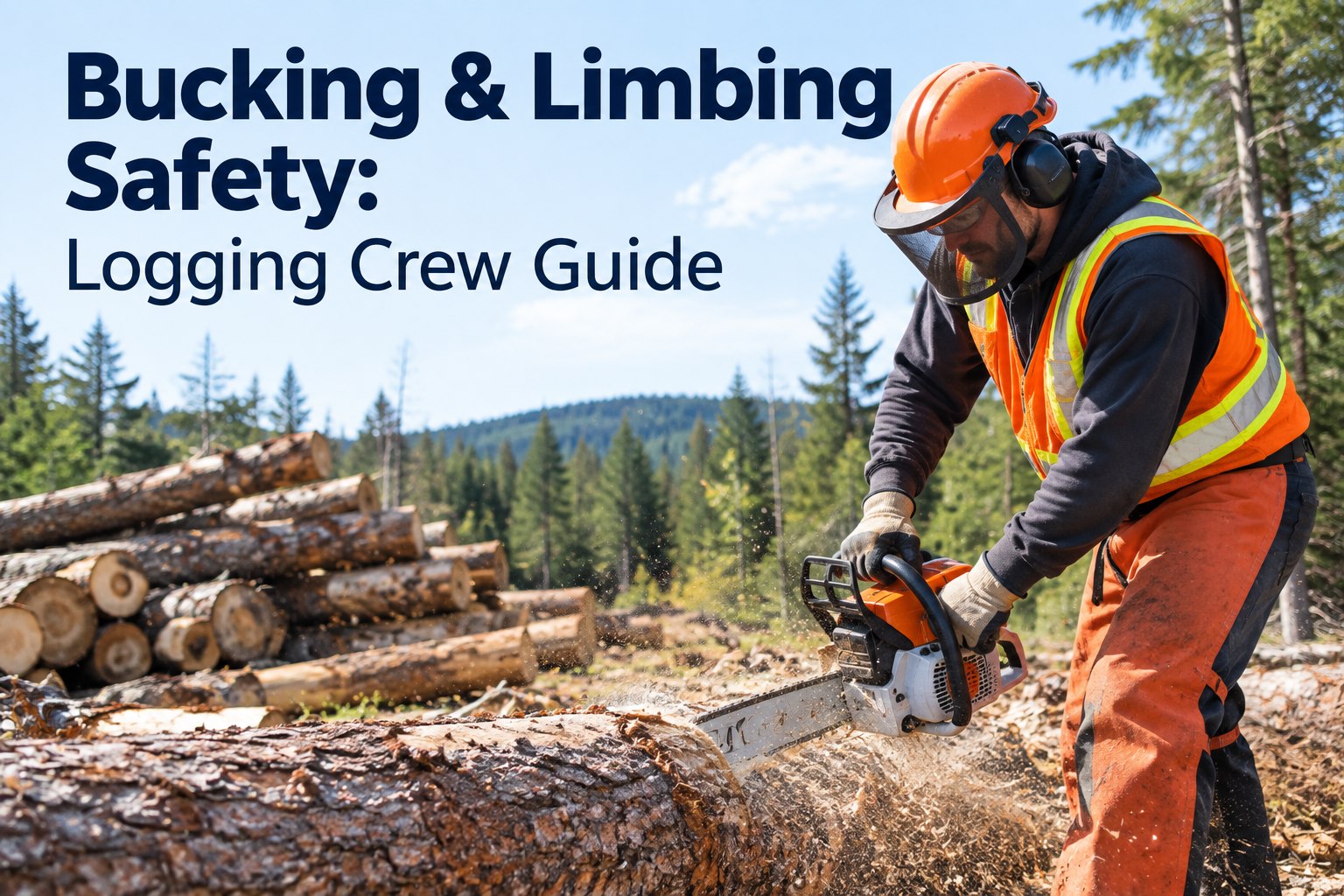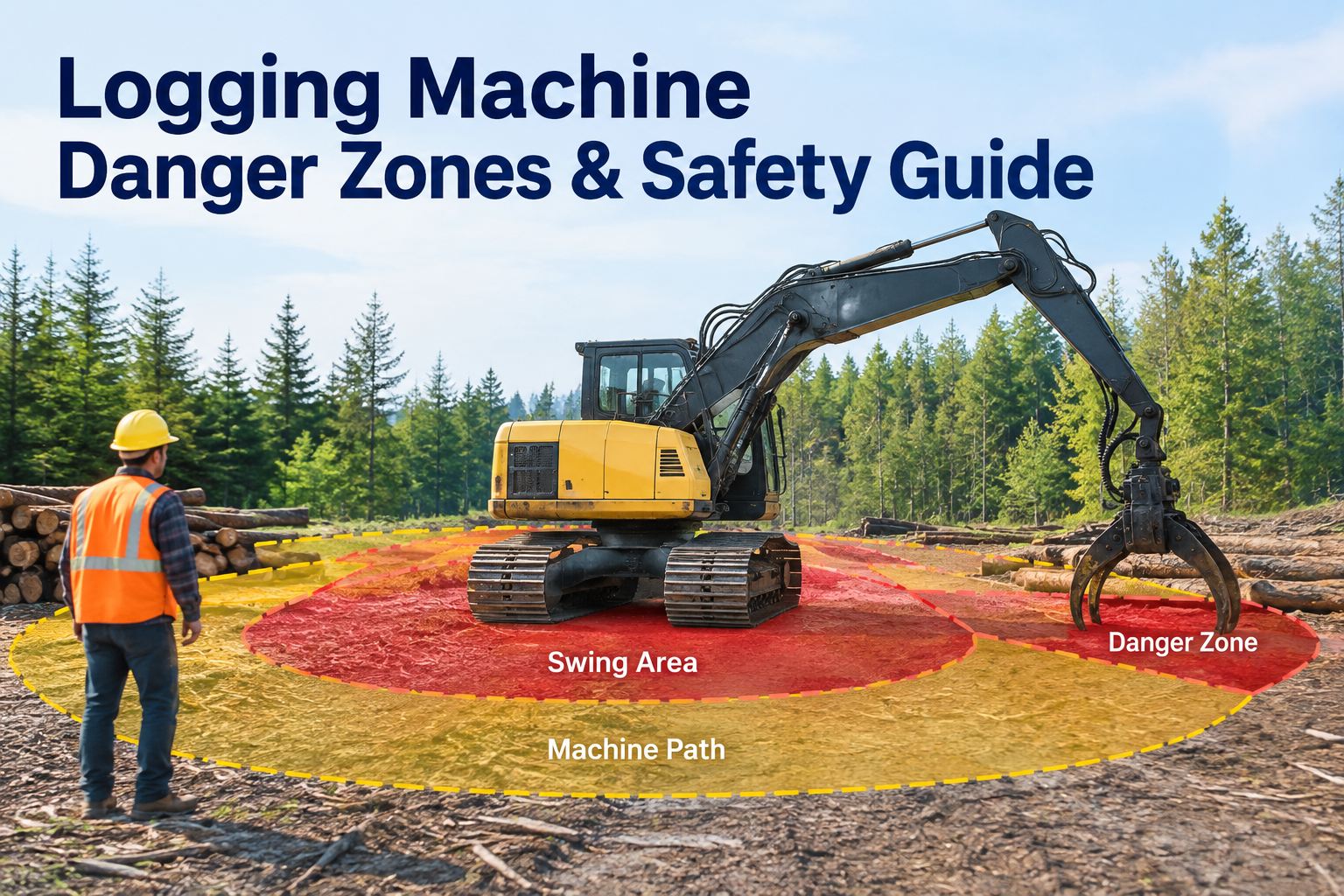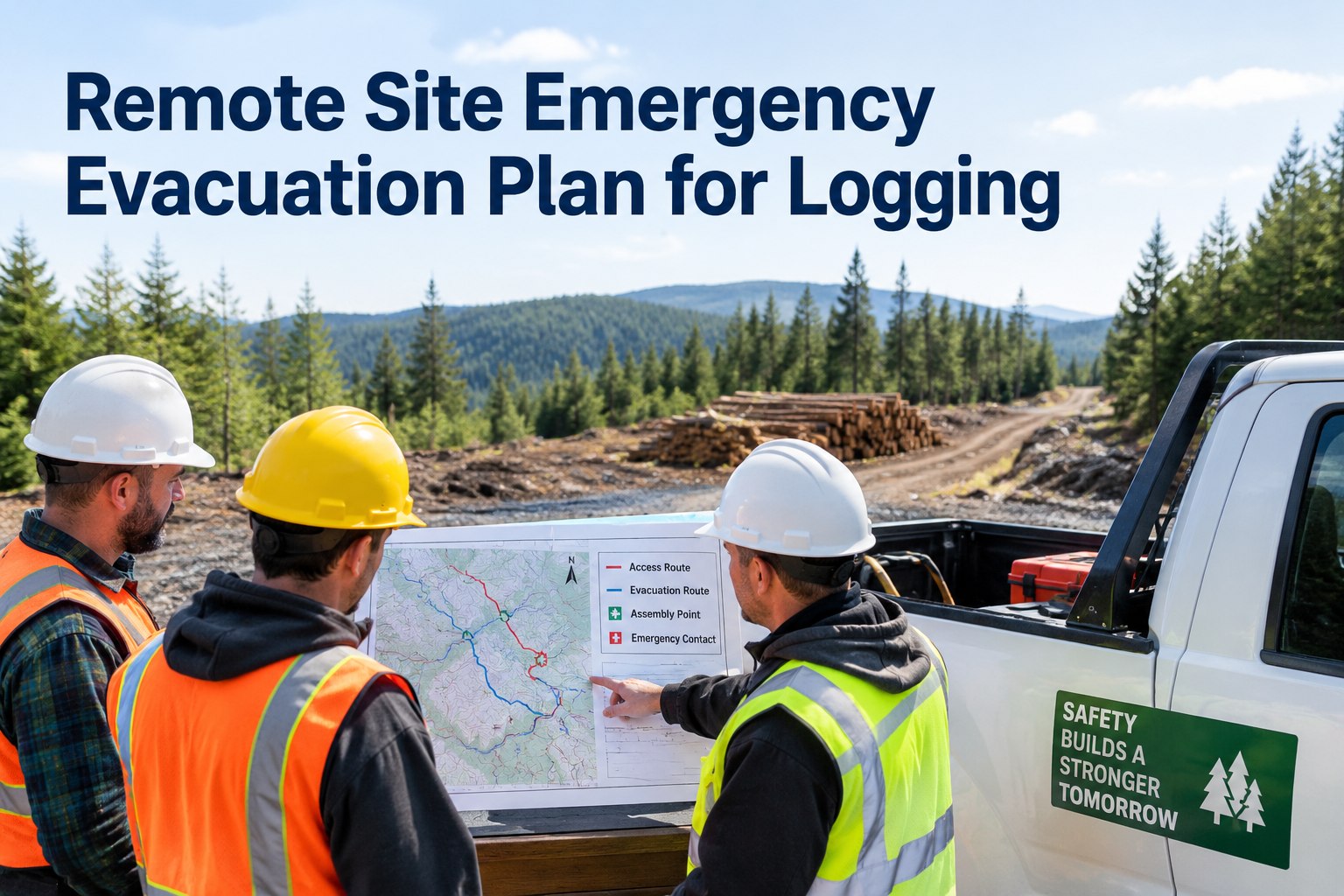
A faller takes a heavy side-bind from a cedar root ball 40 miles down an unpaved logging spur, resulting in a compound arterial trauma. With cell service dropped two mountain passes back,and dusk settling in, an emergency protocol buried in a crew truck binder is useless during the golden hour. Life-saving timber harvest extractions demand an active, verified remote site evacuation plan before the first chainsaw touches wood. Book a demo to see automated forestry evacuation workflows
Remote Site Emergency Evacuation Plan for Timber Harvesting
Active extraction telemetry, landing zone clearance, GPS handoffs and satellite relays. Switch below to see the operational difference between static cab paper and live emergency tracking.
Active landings advance up the timber block weekly, but paper binder sheets list coordinates from initial timber cruise setup. Flight dispatch wastes crucial minutes trying to reconcile timber sales spur codes with washed-out forest roads.
Supervisors log updated landing coordinates and satellite check-ins during morning tailboards, syncing emergency route packets offline across field tablets. Life-flight receives verified coordinates, obstacles, and frequencies immediately.
Automated forestry safety checklists cut medevac dispatch delays and keep logging contractors compliant with OSHA 29 CFR 1910.266 standards.
Timber harvesting involves heavy machinery, high-tension cables, and unpredictable tree binds on steep, isolated terrain. When serious injuries occur 30 or 50 miles from paved highways, regional EMS cannot respond on standard timelines. Survival depends entirely on whether your emergency extraction plan is operational or just sitting unread in a crew cab binder.
The 4 Mission-Critical Evacuation Pillarsfield-proven infrastructure bridging the gap between trauma and definitive surgical care
A dependable forestry evacuation plan divides emergency logistics into four operational focus areas. Overlooking any single layer causes delays when radios crackle with a real medical emergency.
Log exact latitude and longitude in decimal degrees for the active landing. Clear a minimum 100x100 foot touchdown area free of snags, yarder cables, slash piles, and standing trees.
Identify primary timber haul corridors alongside an all-weather secondary escape route. Mark seasonal washouts, active switchback clearances, bridge weight ratings, and padlocked forest gate combinations.
Establish dual-layer communication: industrial VHF trunk channels, satellite transponders, and designated high-ridge relay points. Maintain direct life-flight dispatch numbers rather than generic 911 routes.
Equip an on-site, 4WD transport rig with a Stokes litter, spine board, and specialized hemorrhage trauma kits. Verify certified wilderness first responders are present on every active cutting shift.
Logging crews cannot afford to guess radio frequencies or gate keys during emergency calls. Book a demo to see how HVI configures digital forestry safety templates
Paper Binder Protocols vs. Digital Safety Systemscomparing reactive cab paperwork with real-time mobile emergency management
Logging locations shift constantly as yarding operations advance deeper into drainages. Relying on paper clipboards leads to delayed ambulances, outdated coordinates, and regulatory compliance gaps.
Paper Binders & Verbal Briefings
- Landing coordinates stay fixed to initial setup sheets as cutting moves miles deeper.
- Emergency dispatch numbers sit in rain-damaged binders inside a supervisor pickup.
- Secondary road washouts or downed bridges go unlogged for contract haulers.
- Significant administrative effort required to locate historical tailgate safety records during audits.
HVI Connected Safety System
- Foremen update active landing coordinates on mobile tablets during daily check-ins.
- Critical evacuation routes and emergency dispatch frequencies are accessible completely offline.
- Haul road hazards, washouts, or locked gates trigger instant notifications to the operations team.
- Timestamped digital records and signed safety logs maintain continuous audit readiness.
Logging operators using structured safety schedules eliminate the audit gaps of paper logs while cutting overall maintenance and administrative costs. Sign up free to configure mobile forestry checklists in HVI
Standard Operating Cadence for Harvest Evacuation Protocolshow proactive logging operations operationalize remote site evacuation plans
A dependable evacuation framework requires routine execution. Integrating emergency route verifications into machine walkarounds and daily tailgate briefings ensures crews stay prepared.
| Interval | Responsible Role | Mandatory Life Safety Tasks | Audit Status |
|---|---|---|---|
| Daily Morning Tailboard | Hooktender / Rigging Slinger | Update active landing GPS coordinates, test satellite transponders, confirm extraction driver | Mandatory |
| Weekly Landing Shift | Site Foreman / Supervisor | Inspect secondary haul road clearance, clear slash around medevac LZ, check gate lock codes | Routine PM |
| Monthly Scheduled PM | Lead Mechanic / Safety Lead | Restock hemorrhage trauma packs, inspect litter harness systems, verify vehicle inverters | Compliance Check |
| Quarterly / Block Move | Contractor Operations Head | Conduct simulated medevac relay drill, update county life-flight dispatch files, verify repeater link | Statutory Audit |
Setting up recurring inspection cadences prevents confusion during high-stress medical calls. See how HVI automates forestry safety workflows
From a safety director managing timber harvest tracts
We had a faller take a heavy side-bind from a cedar root ball that caused a severe arterial bleed. We were operating 38 miles down an unnumbered logging spur off the highway. The old paper emergency sheet in our crew truck still listed coordinates from the previous landing down the drainage.
Because we had moved our morning safety checks to HVI, the foreman had updated the exact latitude and longitude that morning during his walkaround. We passed those digital coordinates over our sat-phone directly to life-flight dispatch. The helicopter touched down on our cleared spur in 28 minutes. That accuracy saved our worker's life.
Frequently asked questions
What are the essential elements of a remote site evacuation plan for logging?
A complete remote site evacuation plan must contain exact GPS coordinates (in decimal degrees) for the current active landing, designated helicopter landing zone (LZ) dimensions, detailed driving directions from the nearest paved highway, radio frequencies and repeater channels, satellite phone numbers, local medevac air dispatch direct lines, and designated wilderness first-aid responders on site.
How does OSHA 1910.266 regulate emergency response in forestry?
OSHA 29 CFR 1910.266 mandates that logging employers provide functional emergency communications at all active work sites, maintain first-aid kits at landing areas and on crew transport vehicles, ensure every crew member maintains valid first-aid and CPR certifications, and arrange rapid emergency transportation to definitive medical care before cutting operations begin.
How often should a logging remote site evacuation plan be updated?
The evacuation plan should be reviewed daily during morning tailboard safety meetings to confirm that GPS coordinates reflect the active working landing. A formal structural update must occur whenever the harvest footprint shifts to a new timber block, access road routes change, or seasonal weather degrades primary haul corridors.
What are the helicopter landing zone (LZ) requirements on a timber landing?
A field medevac landing zone generally requires a level 100x100 foot area cleared of standing snags, slash piles, overhead high-lead cables, and loose debris. The landing zone must be located upwind of active yarding dust and marked with high-visibility markers or signal panels to guide incoming medical aircraft.
How does HVI software support remote forestry safety and compliance?
HVI allows logging contractors to deploy standardized, mobile pre-shift checklists that capture GPS coordinates, verify first-aid supplies, and confirm communications equipment offline. Inspection records, hazard logs, and equipment defect work orders sync automatically when devices reconnect, generating audit-ready PDF records.
Protect Your Logging Crews with Structured Emergency Documentation
Ensure your remote harvest tracts, felling crews, and heavy iron remain safe and fully compliant. Deploy digital safety checklists, automate equipment maintenance, and maintain verified emergency records across your entire forestry operation.
No credit card required · Offline mobile capabilities · Comprehensive audit compliance