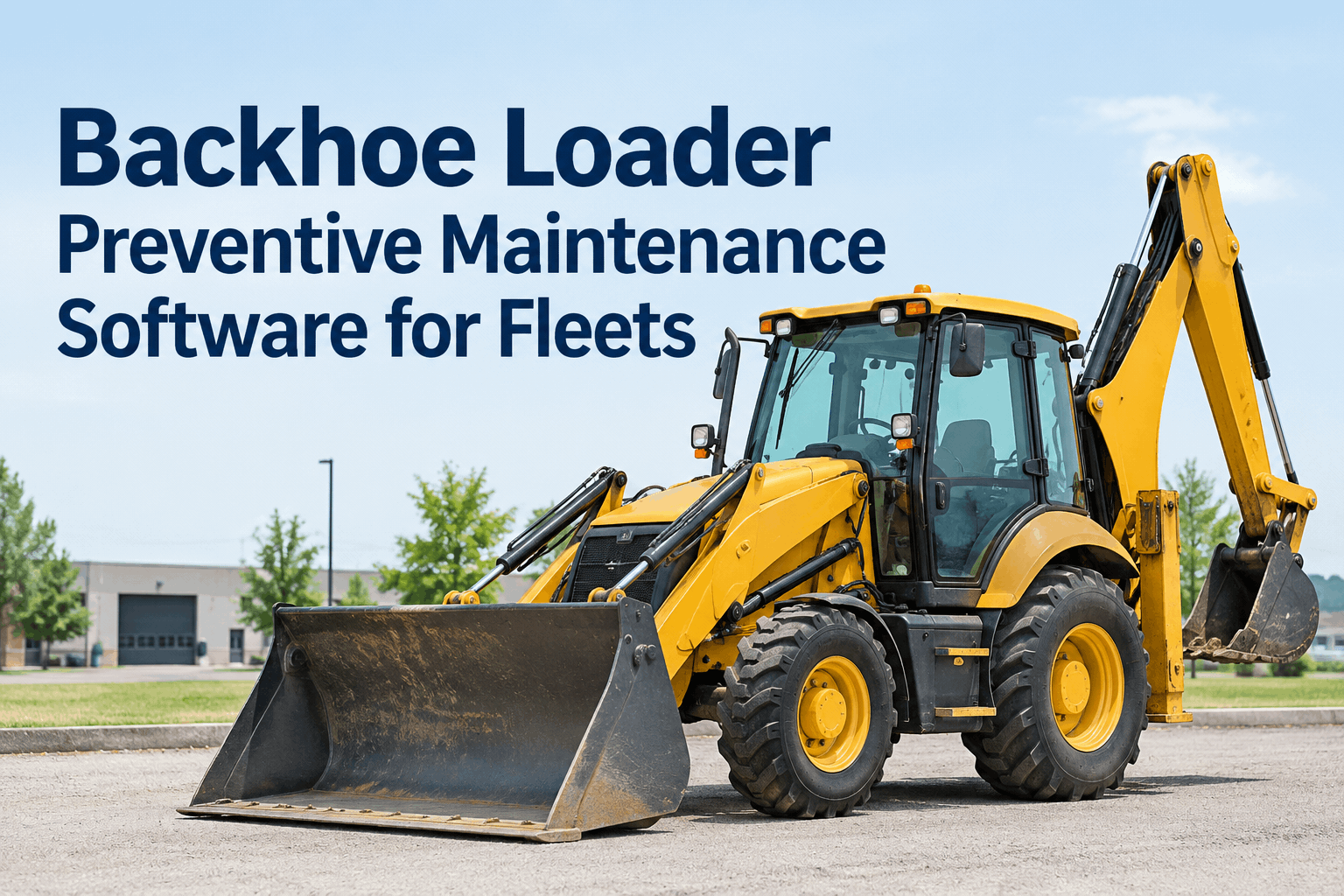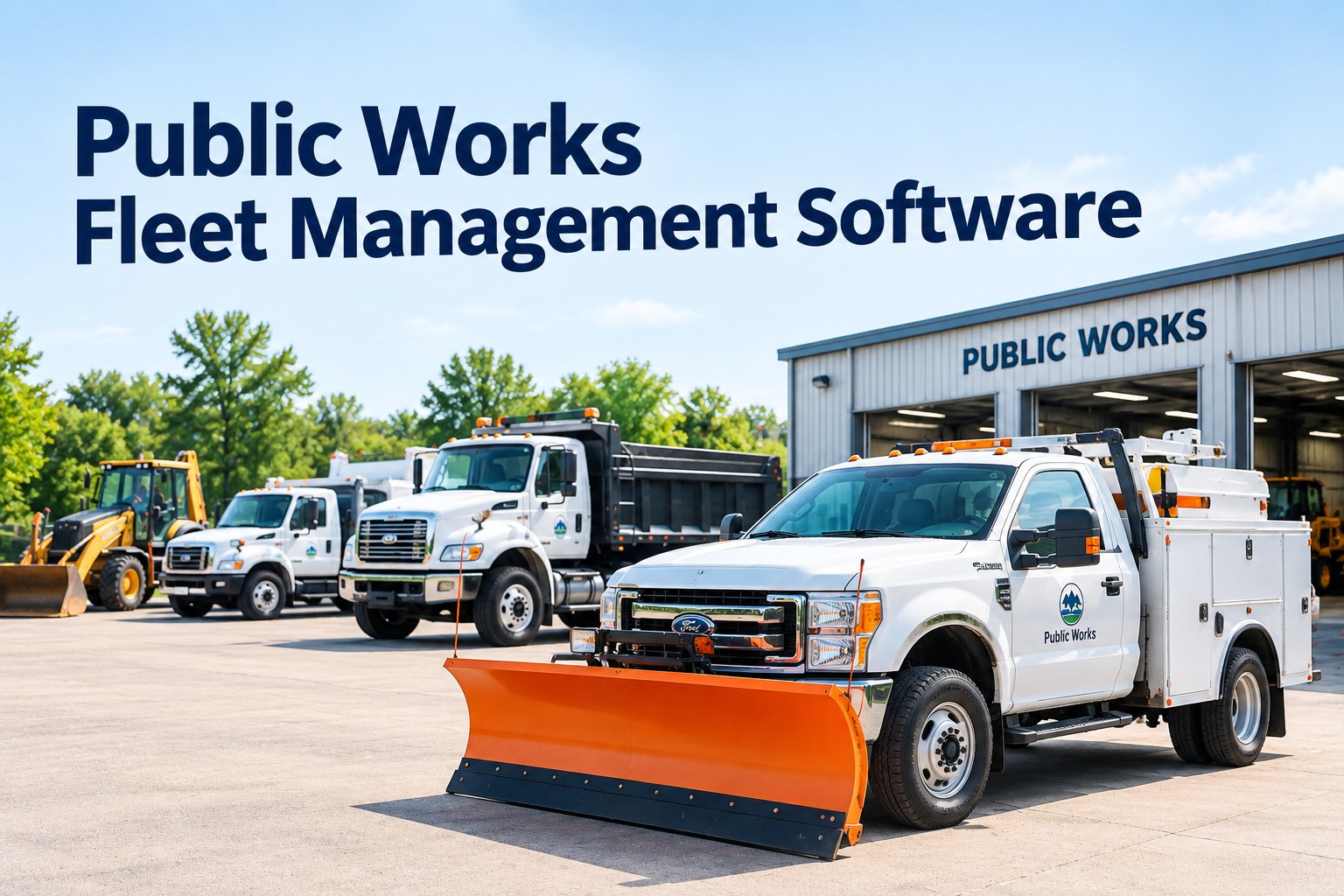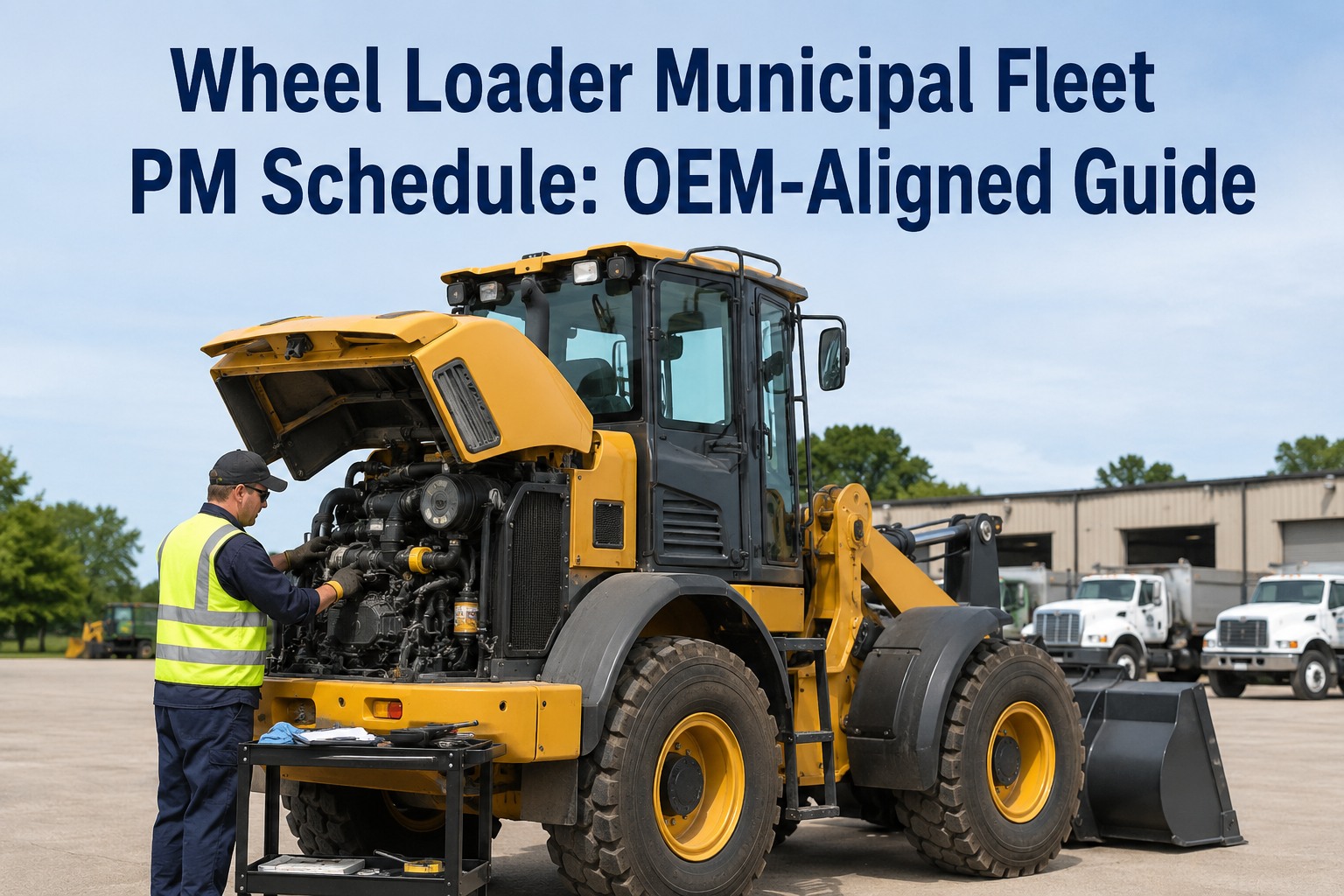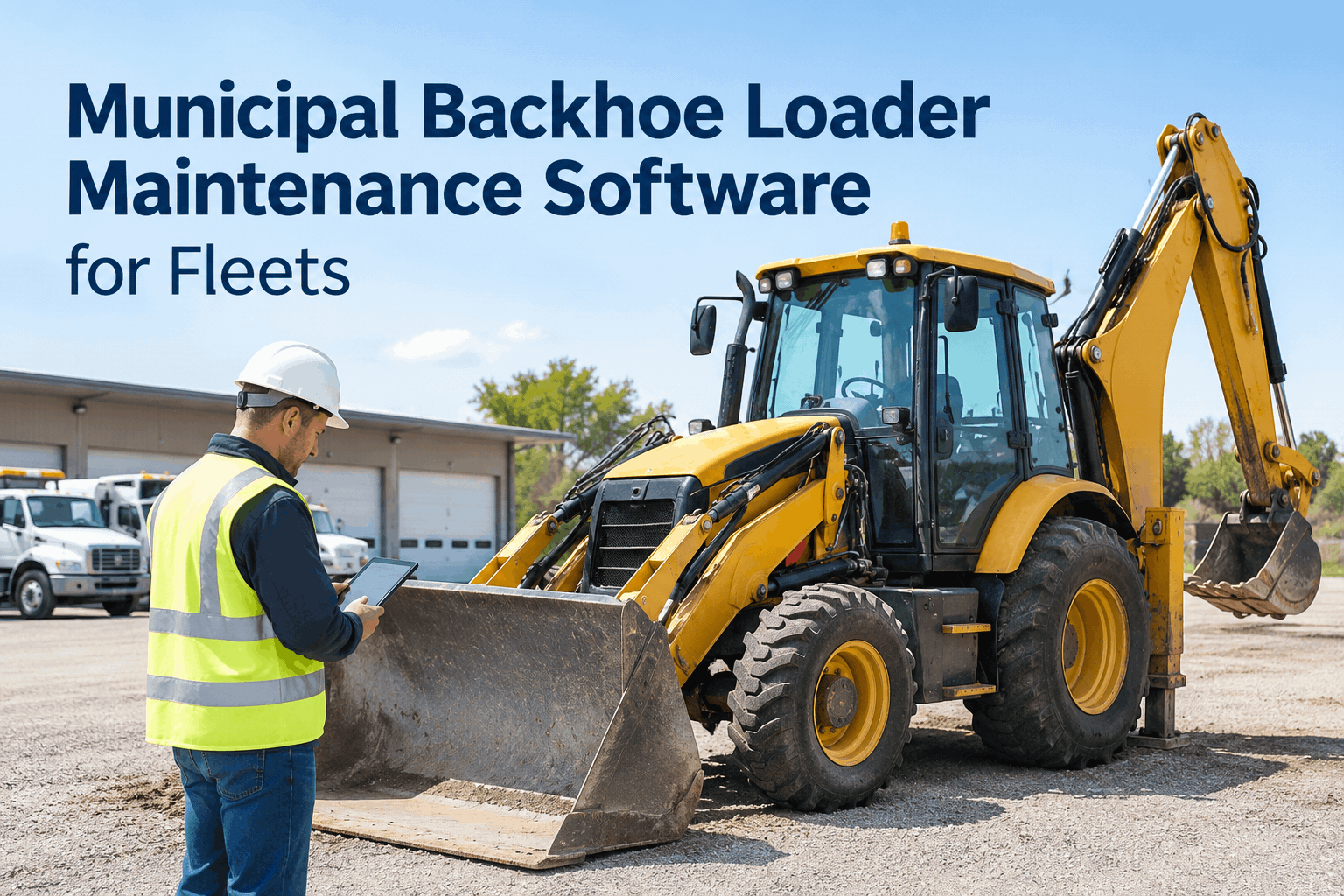
Tuesday's crew notices a stabilizer leg leaking down a little faster than usual, finishes the job, and parks the backhoe. Wednesday it's checked out to a different department for an emergency water-main break — nobody told that crew about the leak, because nobody had anywhere to tell them. Municipal backhoe loader maintenance software exists to close that exact gap between one operator and the next. See how HVI carries a defect across every handoff
A Pool Machine Is Only as Safe as Its Last Handoff
A municipal backhoe doesn't belong to one operator — Streets checks it out Monday, Water takes it Tuesday for an emergency call, Parks has it Thursday. HVI carries every flagged defect across that handoff, so the next crew sees it before they're mid-dig.
A contractor's backhoe has one operator who knows every quirk it has. A municipal backhoe gets checked out by whoever's on the schedule that day, across departments that rarely talk to each other — Streets in the morning, an emergency Water callout by lunch, Parks the next afternoon. The machine doesn't change hands once a season. It changes hands every shift, and the risk isn't just mechanical wear, it's the gap between what one crew learned and what the next crew knows.
Why a shared backhoe fails differently than an owned onethe handoff is the risk a single-operator checklist never accounts for
None of that is a defect a generic inspection checklist catches, because generic checklists assume one operator who already knows the machine's history. A shared fleet asset needs the history to travel with the machine, not live in one crew's memory. Book a demo to see a defect travel across a checkout automatically.
Where the handoff gap actually bitestwo checkpoints a single-owner checklist doesn't need, and a pool machine can't skip
Stabilizer legs
A municipal backhoe works far more varied ground than a single job site — street cuts, soft shoulders, playground turf. A stabilizer leg that held fine on one surface can fail on the next crew's ground if the leak that's been slowly worsening isn't flagged first.
Attachment couplers
A machine shared across departments swaps buckets, breakers, and augers far more often than a dedicated contractor unit. Each swap is a fresh chance for a loose pin to go unchecked by a crew that assumes the last department verified it.
Both are quick checks when the next crew knows to look — and both are exactly the kind of thing that falls through the gap between one operator's shift and the next. For the full hydraulic and structural walkthrough, see HVI's complete backhoe loader checklist software page. Start a free trial and put both checkpoints on your fleet's daily check.
Clipboard handoff vs. a record that follows the machinesame leak, two very different Wednesday mornings
- Tuesday's note sits in the cab or a logbook at the Streets yard
- Wednesday's Water crew checks the machine out from a different yard
- Nobody connects the note to the machine they're now using
- The stabilizer leg gives out mid-dig on an emergency call
- The emergency response stalls while a backup gets found
- Tuesday's crew flags the leak with a photo, through a daily operator check
- The flag opens a work order tied to that unit, not that yard
- Wednesday's Water crew sees the same flag at checkout, wherever they are
- The machine gets held or the crew works around it, by choice
- The emergency call still gets a backhoe that's actually sound
The leak was caught either way — what changes is whether the next department ever found out about it. Book a demo to see that same view of your shared fleet.
What to look for in municipal backhoe loader softwarea short list before it's protecting a machine five departments depend on
A defect record tied to the machine, not the yard
A flag logged by Streets needs to be visible to Water the next morning.PM scheduled by engine hours, not department ownership
Usage spreads across crews, so the hour meter is the only honest wear measure.A new crew can see status at checkout, not after
The window to catch a flagged issue is before the engine starts, not during the dig.Photo evidence on every flagged defect
A crew that's never met the previous operator needs more than a verbal description.Visibility across every yard and department
A fleet manager needs one view of the machine, regardless of which yard has it this week.Fast enough for an emergency callout
A crew dispatched to a water-main break can't afford a slow checkout check.HVI is built to clear every item on that list for municipal backhoe loaders and every other piece of shared public works equipment — start free and put your own pool equipment on one record this week.
From a public works operations manager who closed the handoff gap
We had three departments sharing two backhoes, and every one of them treated the machine as someone else's problem the second they parked it. A leak somebody noticed on a Tuesday job would still be there Thursday, because the note never left the yard it was written in.
Now a flagged defect follows the machine, not the crew. Whoever checks it out next sees exactly what the last department found, before they ever start digging. We've had a couple of close calls since we switched, and both times the next crew caught the flag at checkout instead of finding out the hard way.
Want your own shared equipment on a record that follows the machine? Book a 20-minute demo walked through your fleet.
Frequently asked questions
Why does a shared municipal backhoe need different tracking than a contractor's?
A pool machine changes operators and departments far more often, so a defect has to be visible to whoever checks it out next, not just the crew that found it.
Can a defect flagged by one department be seen by another before checkout?
Yes. A flagged defect attaches to the machine's record, so the next department sees it at checkout regardless of which yard logged it.
How should PM be scheduled for equipment shared across departments?
By engine hours rather than department ownership, since usage is spread across crews and the hour meter is the only consistent measure of actual wear.
What should be checked when an attachment is swapped between jobs?
Coupler pins and hydraulic connections should be verified at every swap, since a pool machine changes attachments more often than a dedicated single-owner unit.
Does HVI support equipment pooled across multiple public works yards?
Yes. Fleet managers get one view of each unit regardless of which yard or department currently has it checked out.
Let the next crew see what the last one found
HVI keeps every municipal backhoe loader's inspection and defect history on one record that follows the machine across departments, so a flagged stabilizer leak or a loose coupler reaches the next crew before the engine starts, not after.
No credit card · Defects follow the machine, not the yard · Built for shared equipment