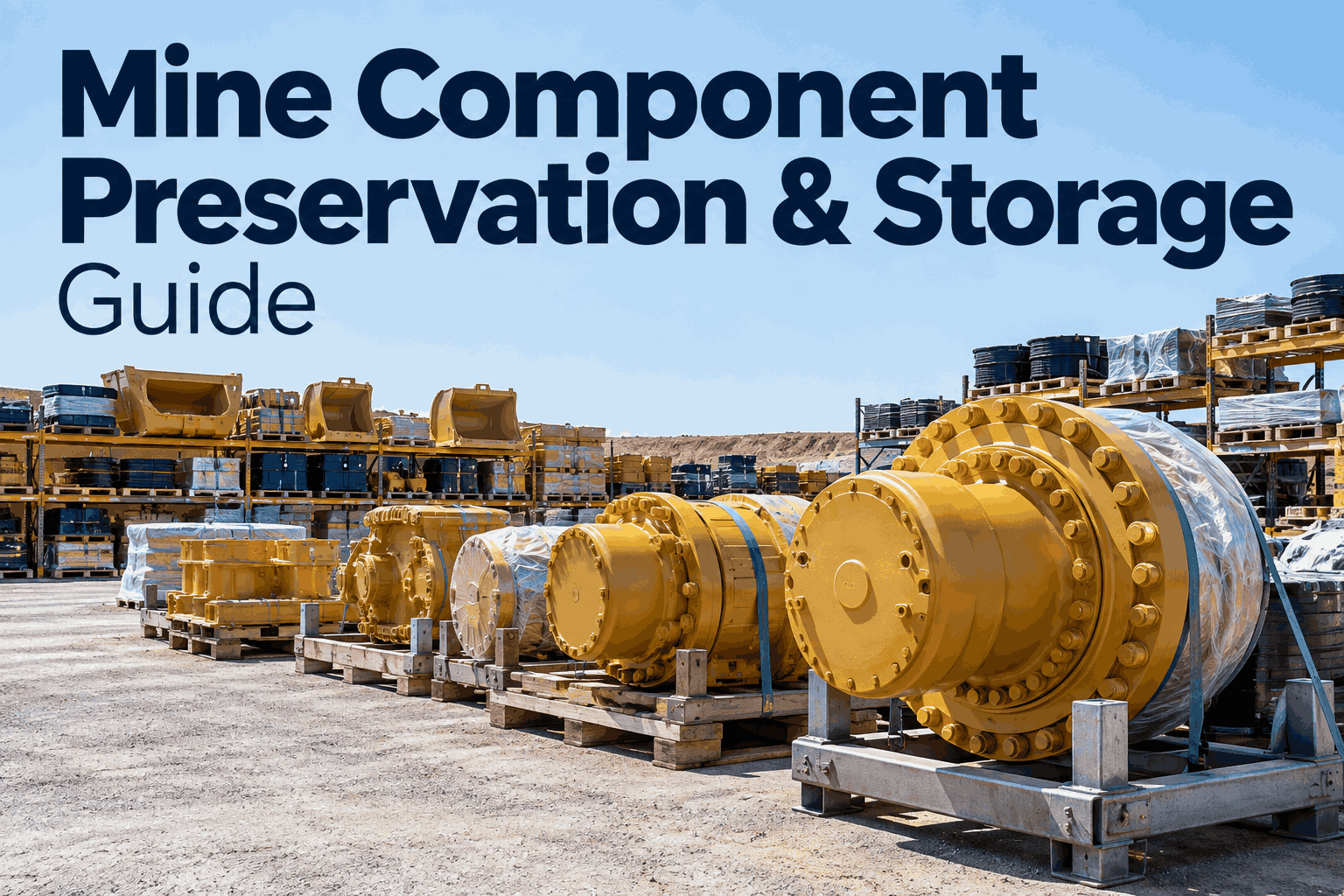
Mine component preservation is easy to overlook because a rebuilt engine, transmission, final drive or hydraulic component can appear safe once it reaches the warehouse. Storage time creates its own risks. Moisture, dust, damaged protective packaging, open ports, vibration and missed preservation activities can allow a valuable spare to deteriorate before it ever returns to a machine.
A Component Can Be in Stock Without Being Ready to Install
Protect stored mining components from receiving through installation. HVI helps teams identify components, record storage location and condition, schedule preservation checks and retain inspection history instead of relying on labels, spreadsheets and memory.
OEM and component-specific storage instructions remain the controlling reference because a sealed bearing, rebuilt engine, hydraulic cylinder and electronic module do not necessarily share the same preservation requirements. The management challenge is making sure each component's required actions are actually completed, documented and visible before installation.
Mine Component Preservation Begins When the Component Enters Storage
Preservation should not begin months later when someone notices a component has been sitting on a shelf. Receiving is the first opportunity to confirm identity, inspect packaging, document visible condition, verify protective measures and assign the correct storage location.
Match the component, serial or asset reference, source and condition to the receiving record.
Apply the applicable OEM, rebuilder or site procedure for packaging, ports and exposed surfaces.
Schedule inspections or preservation activities at the interval required for that component.
Confirm condition and preservation status before the component is issued to maintenance.
The storage clock does not stop because a component is expensive, rebuilt or rarely used. The longer it remains idle, the more important it becomes to know which preservation procedure applies and whether required checks remain current.
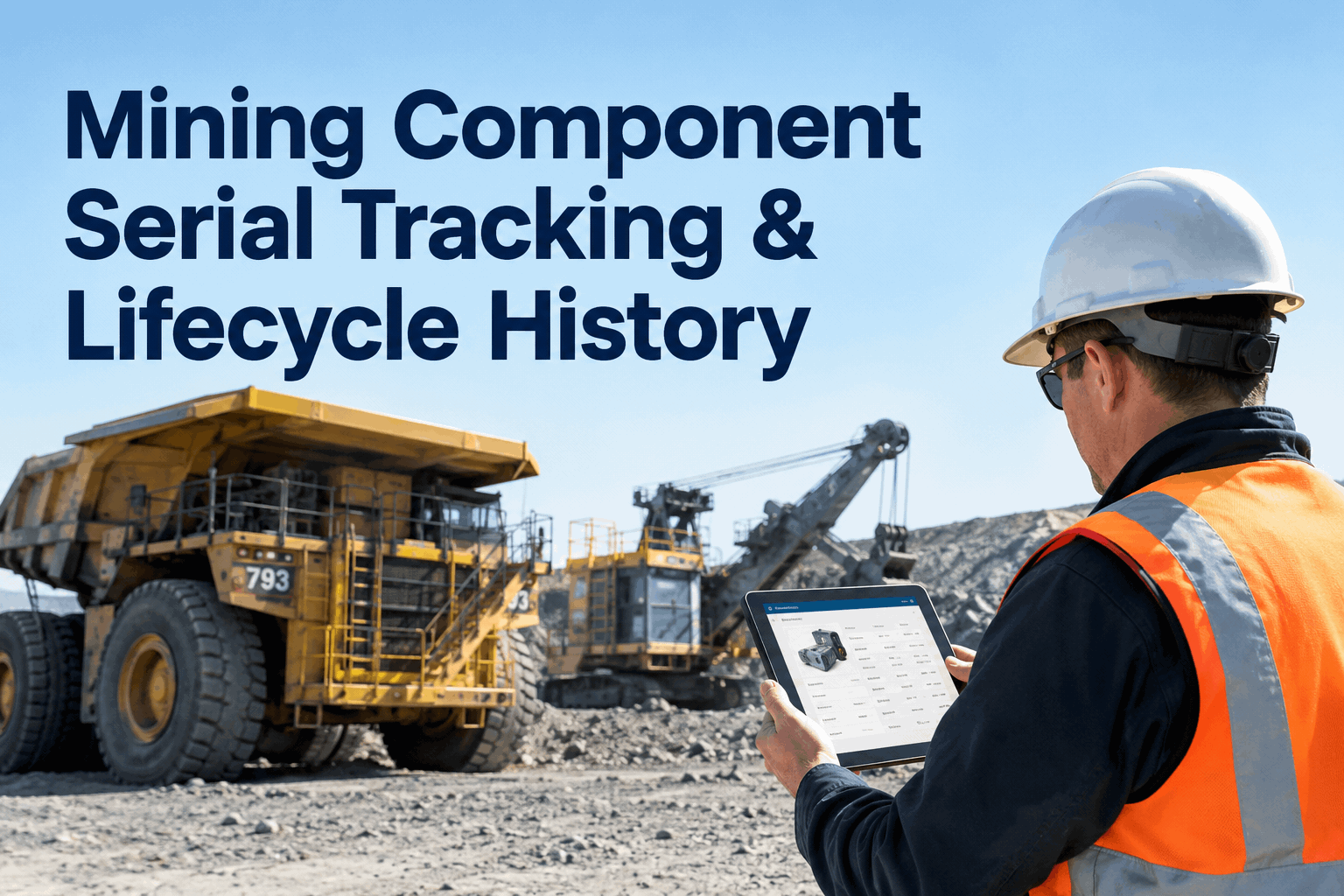
A component-level record makes this process easier to manage across a large mine inventory. Instead of asking when a spare was last inspected, teams can retain its receiving condition, storage location and preservation history together. See how HVI can keep stored component condition and preservation activity connected to one record.
Mining Component Storage Must Control the Routes of Deterioration
Storage deterioration rarely has one universal cause. Moisture can promote corrosion, dust can contaminate exposed surfaces, damaged packaging can remove a protective barrier and unsuitable handling can compromise an otherwise serviceable spare. Some components also have specific requirements related to vibration, orientation, lubricant condition or storage duration.
Humidity and temperature changes can create conditions that attack exposed metal surfaces.
Open or poorly protected interfaces create a route for contaminants to reach critical surfaces.
Certain components, including bearings, can have specific vibration-related storage requirements.
Torn wrapping, missing caps or damaged plugs can invalidate the protection expected during storage.
Caterpillar's contamination-control guidance recommends keeping parts in their original packaging until installation and protecting exposed cavities during component work. Bearing manufacturers such as SKF and Timken similarly emphasize clean, dry storage, intact packaging and protection from adverse environmental conditions. Exact limits and storage periods vary by product, so component-specific documentation should always control the procedure.
For mines managing large numbers of spare and rebuilt components, parts and inventory management provides a useful foundation for knowing what is held and where. See how HVI can add condition and preservation visibility to stored mining inventory.
Mine Component Preservation Needs a Schedule, Not a Handwritten Tag
A tag showing the date a component entered storage is useful, but it does not tell the whole story. Managers may also need to know which preservation procedure applies, what was checked, whether protection was renewed, whether an exception was found and when the next action becomes due.
This turns preservation from a warehouse memory exercise into scheduled maintenance work. The interval should come from the applicable OEM, rebuilder, supplier or approved site procedure—not from a generic interval applied to every component. HVI can then be used to schedule the required inspection or maintenance activity and retain its result.
Using preventive maintenance scheduling for repeat preservation tasks can make due work easier to see alongside other maintenance obligations. See how HVI can turn component preservation requirements into scheduled, reviewable maintenance activity.
Rotable Component Storage Needs Identity and Lifecycle Control
A rotable component moves through a different lifecycle from an ordinary consumable. A transmission, final drive, engine or major hydraulic assembly may move from service to removal, repair or rebuild, storage and eventually installation on another machine. Losing the identity or condition history between those stages weakens both maintenance planning and inventory confidence.
Record source machine, reason for removal and known condition.
Retain the work history and updated component status.
Track location, protection, inspections and preservation requirements while idle.
Connect the component to its next application without losing its previous record.
The storage phase matters because a successful rebuild does not guarantee that the component will remain in the same condition indefinitely. Preservation requirements continue until release, and installation readiness should be verified using the applicable technical procedure.
Connecting these stages creates a more useful component record than inventory quantity alone. See how HVI can help maintain component history from storage through its next maintenance event.
Stored Does Not Automatically Mean Installation-Ready
When production needs a component urgently, the warehouse issue transaction should not become the first time anyone asks whether its preservation is still current. A release check creates a deliberate handoff between storage and maintenance.
If a check identifies corrosion, contamination, damaged packaging or another exception, the component should follow the site's technical assessment process rather than being assumed fit because it is urgently required. HVI can document the finding and retain the resulting maintenance record, but it does not determine mechanical serviceability or override OEM acceptance criteria.
A digital inspection record can make that release decision easier to review later. Teams can use HVI inspection workflows to document condition checks and preserve supporting records. Mines moving away from spreadsheet-based component tracking can also start building component and inventory records in HVI.
Make Mine Component Preservation Visible From Storage to Installation
Mine component preservation is not simply a warehouse housekeeping task. Valuable rotables and heavy-equipment spares can spend significant time outside the machine, where packaging condition, contamination control, corrosion protection and scheduled preservation activities can affect their condition before installation.
HVI helps maintenance and warehouse teams retain component identity, inventory information, scheduled checks and maintenance history in a connected record. Technical preservation methods and acceptance criteria should always follow the applicable OEM, rebuilder, supplier and mine-site procedures.
Mine Component Preservation FAQs
What is mine component preservation?
Mine component preservation is the controlled protection and monitoring of spare, repaired or rebuilt components while they are stored before use. Depending on the component, this can involve suitable packaging, corrosion protection, contamination control, protected openings, environmental requirements and scheduled condition checks. The exact procedure should follow the applicable manufacturer, rebuilder, supplier and site requirements.
Why can mining components deteriorate while in storage?
Stored components can be affected by moisture, condensation, corrosion, dust, contamination, damaged packaging, unsuitable handling and other environmental conditions. Certain products can also have specific requirements for vibration, orientation, lubricant condition or maximum storage duration. Storage requirements therefore need to be determined for the specific component rather than assumed to be universal.
How often should stored mining components be inspected?
There is no single inspection interval suitable for every mining component. Inspection and preservation frequency should be based on the OEM, rebuilder or supplier instructions, the component type, preservation method, storage environment and approved mine-site procedure. A maintenance system can then schedule those requirements rather than applying an invented fleet-wide interval.
What should a component preservation record contain?
Useful records can include component identity, serial or component number, source, storage location, receiving condition, applicable preservation procedure, inspection dates, condition findings, preservation work performed, exceptions, supporting photos or documents, next required action and eventual installation or disposition. The required fields should reflect the mine's technical and inventory processes.
How can HVI help manage stored mining components?
HVI can help connect parts and inventory information with scheduled inspections, maintenance activity and component-level records. This gives maintenance and warehouse teams better visibility into where components are stored, what preservation work has been recorded and which actions are approaching. HVI supports recordkeeping and workflow management; it does not replace OEM preservation instructions or determine whether a component is mechanically fit for installation.