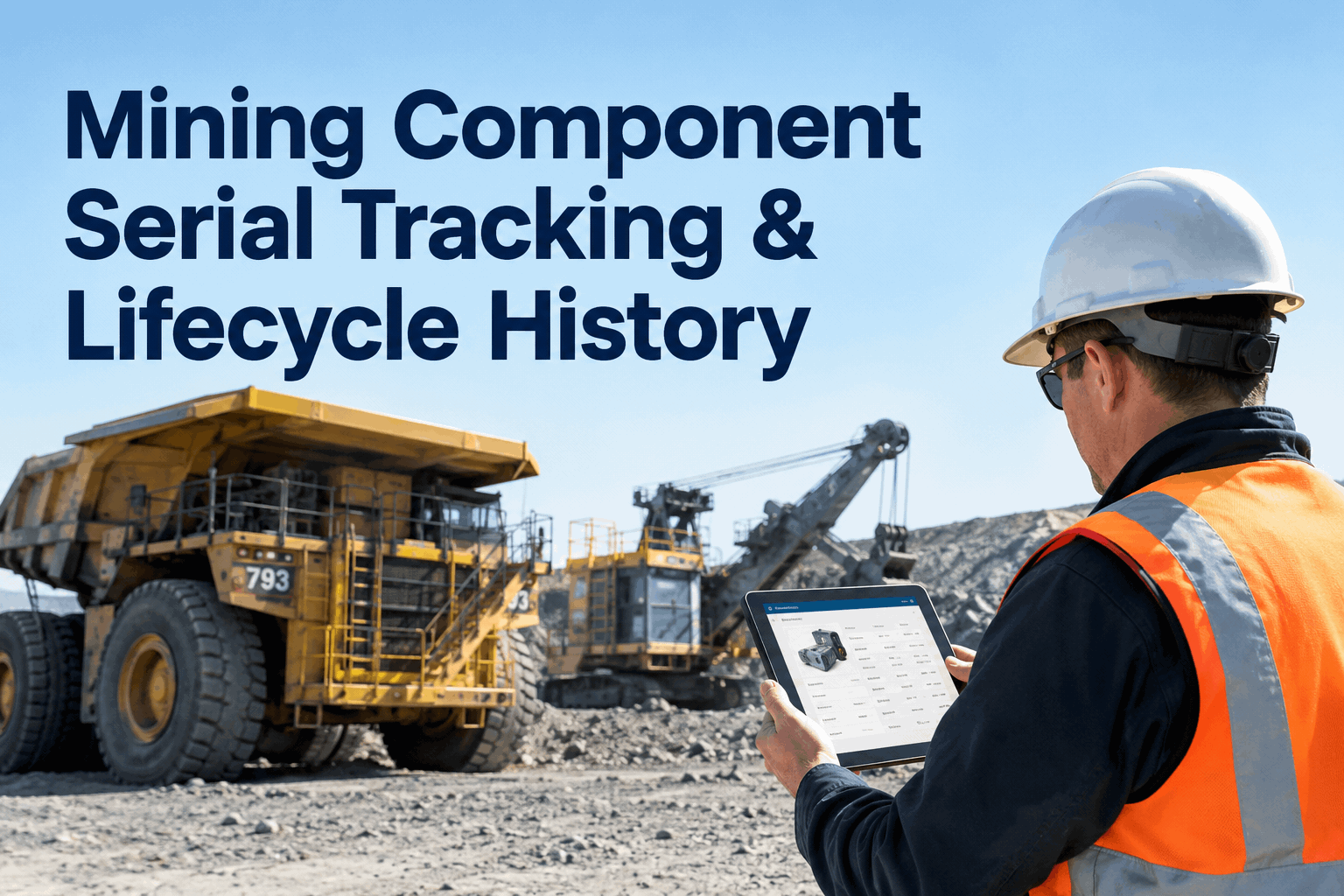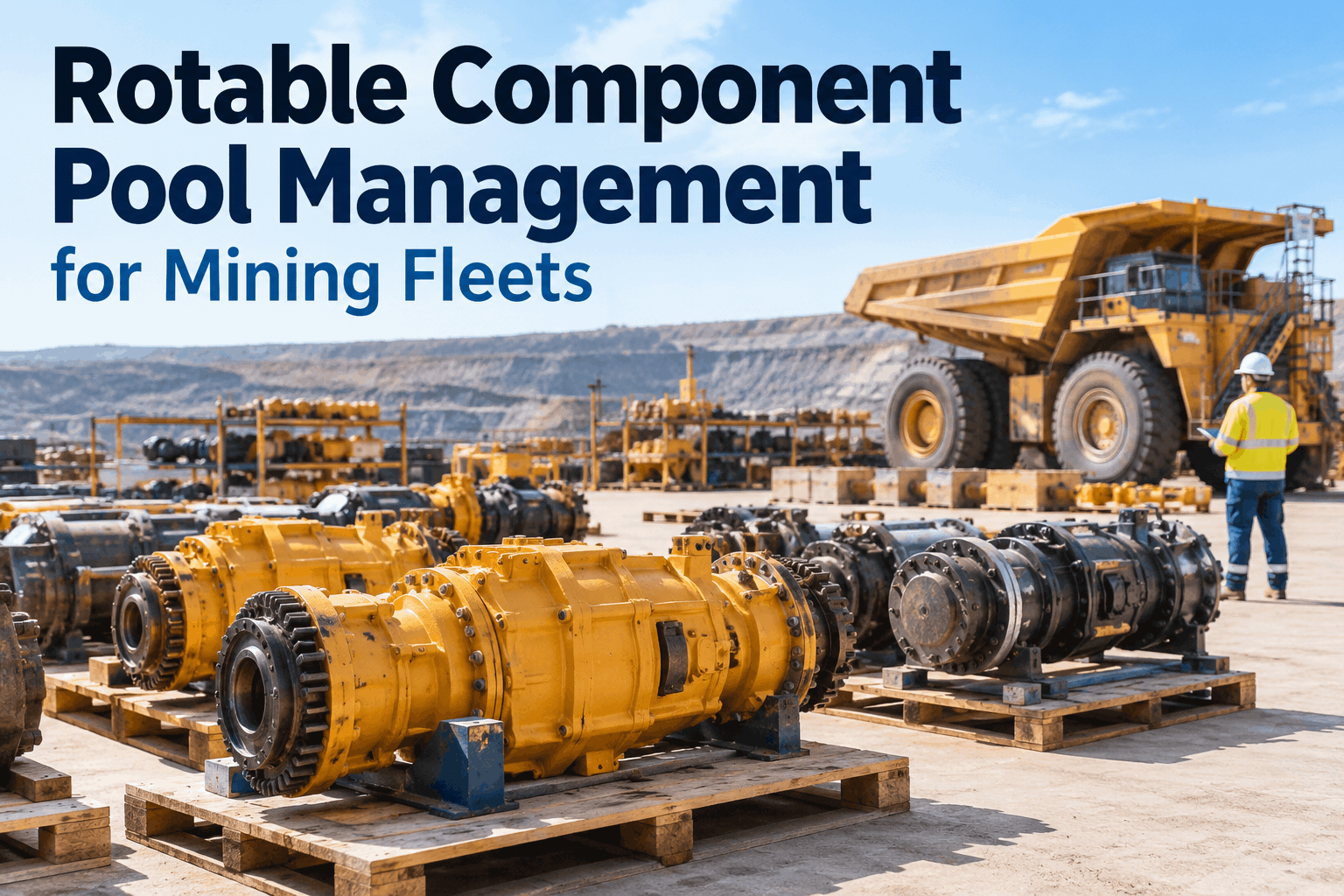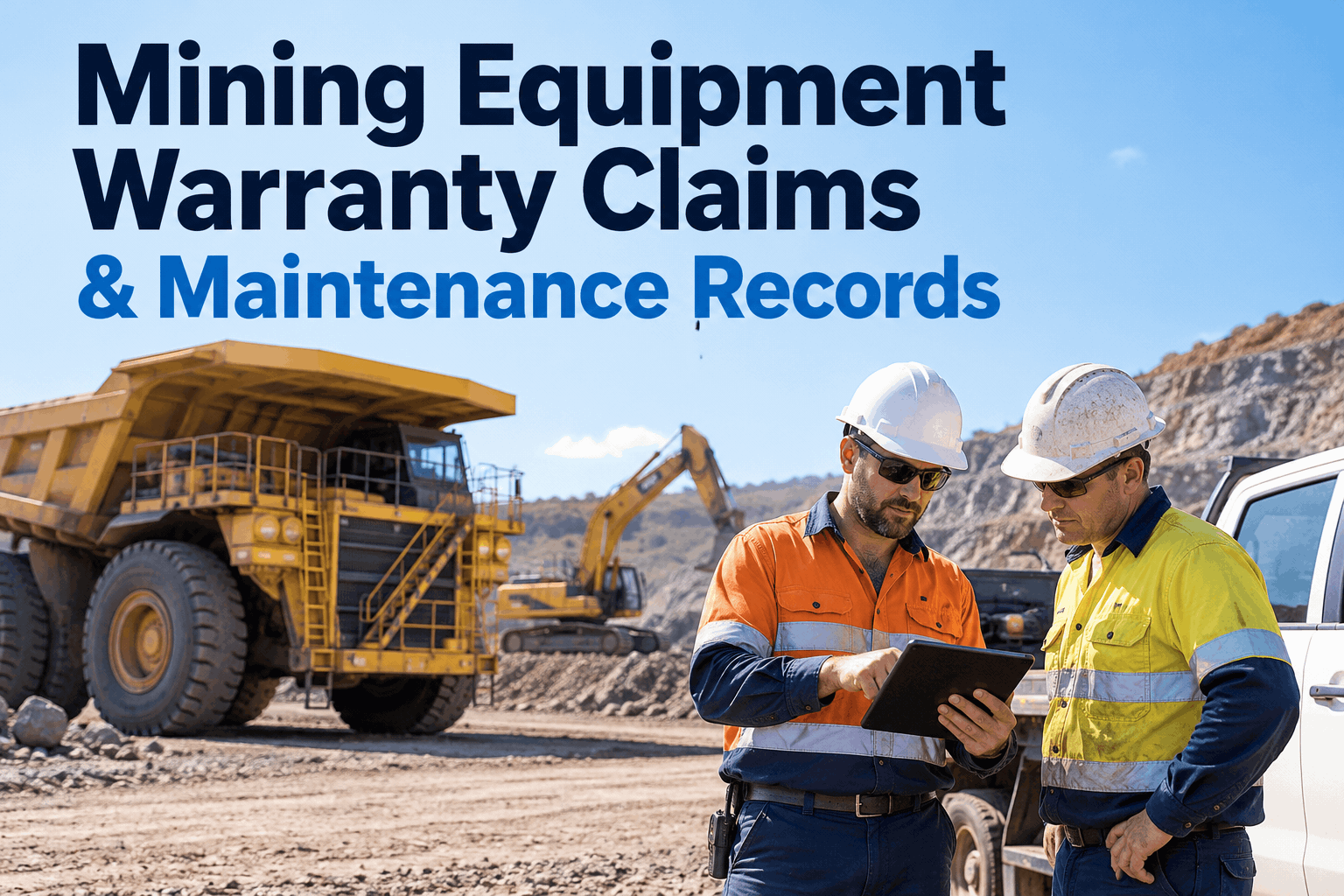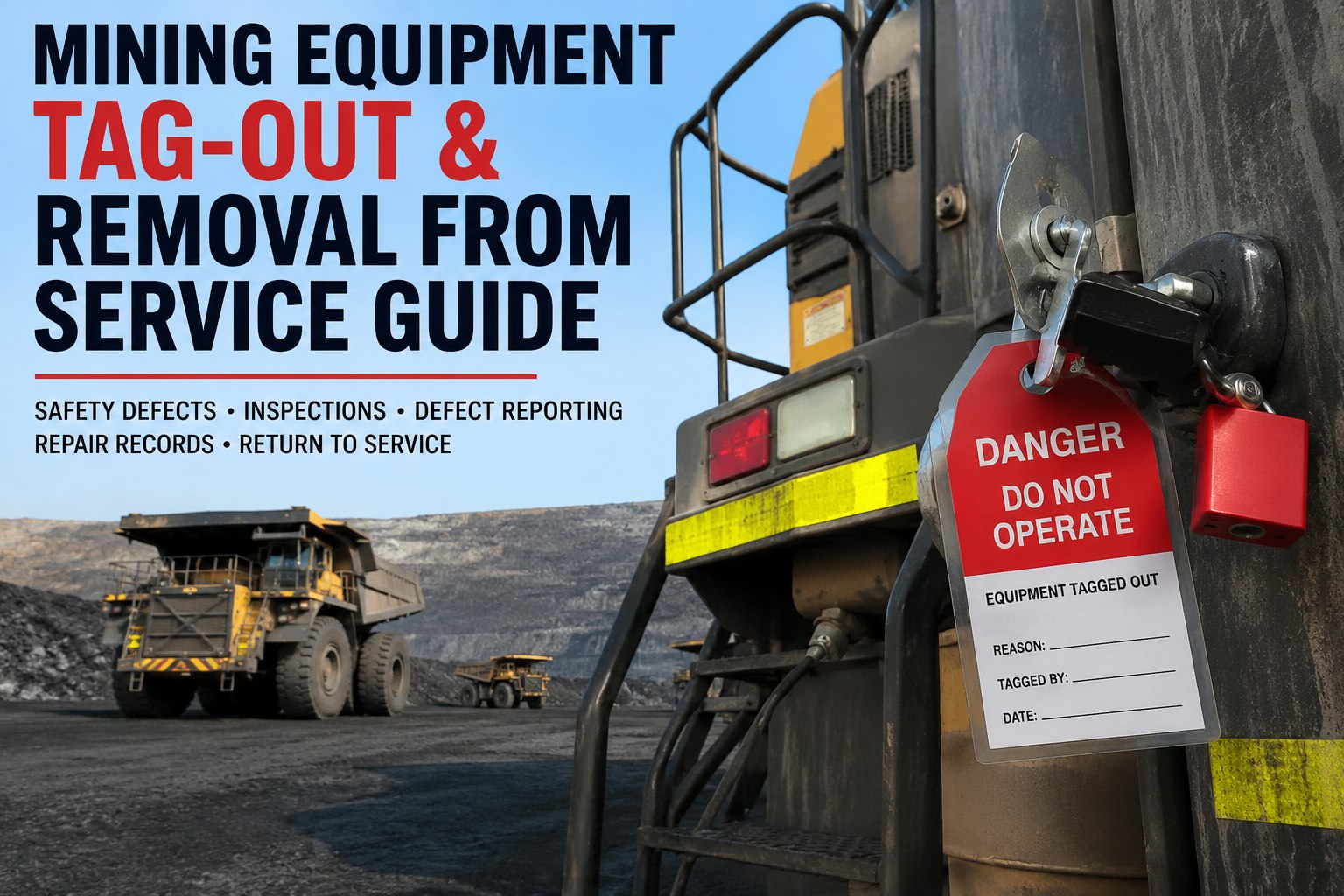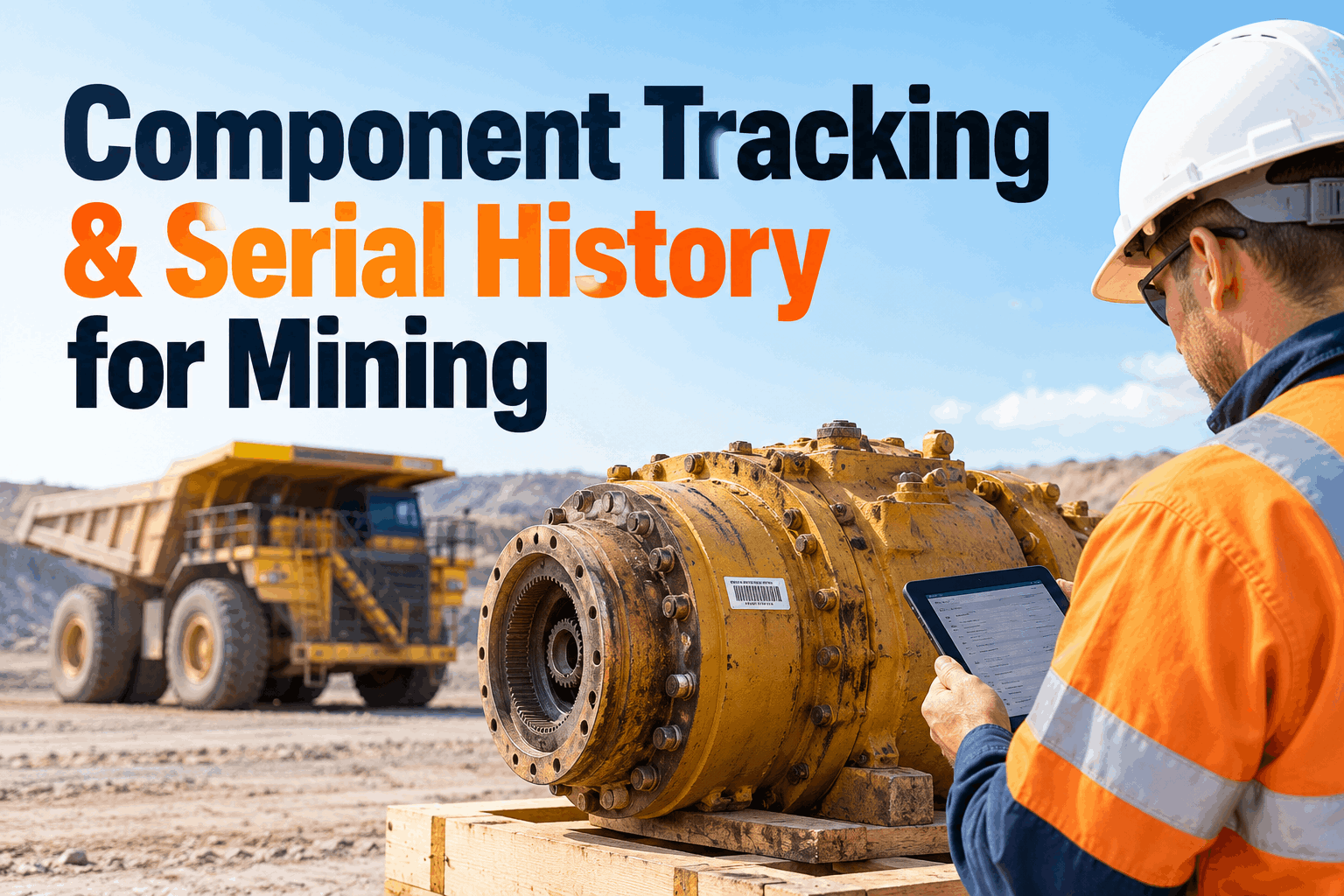
Mining component tracking answers a question machine records can't: where has this exact serial number been, and how much life is left in it? A rebuilt engine pulled from Truck 12 and fitted to Truck 30 carries its hours, its rebuilds and its warranty with it — or it should. When history follows the serial instead of the chassis, you finally know what you are running. Book a demo to see component serial history in HVI.
The Machine Stays Put. The Components Move. Their History Should Move With Them.
An engine, final drive or pump outlives the machine it's bolted to — it gets pulled, rebuilt and refitted elsewhere. Track it by serial number and its hours, rebuilds and warranty travel with it, so every component's real life is on record.
Ask most maintenance systems for a component's full life and they hand you the machine's history instead. But the machine isn't what failed — the third-life final drive someone swapped in last quarter did, and nobody could say how many hours were really on it. Component-level tracking fixes that by making the serial number the thing you follow, so a part's past doesn't reset every time it changes machines.
Why Machine-Level Records Break Component Tracking
When history is tied to the chassis, every change-out quietly erases what you know. The part keeps running; its record doesn't follow. Here's what that costs a reliability team.
The fix is a shift in what you track: the maintenance record belongs to the serial number, not the seat it happens to occupy today. Book a demo to see how HVI keeps history on the component.
The Rotable Component Lifecycle, Tracked by Serial
A rotable component doesn't live once — it cycles. Each loop should add to its record, not restart it, so you can see the whole life across every machine it ever ran in.
Tracked this way, a change-out stops being a data gap and becomes another line in the component's story. HVI logs each install, removal and rebuild against the serial through work orders and maintenance records, so the loop is captured as it happens. Sign up free and start a record for your first rotable.
What a Complete Component History Timeline Looks Like
This is the payoff of serial tracking — one component's full event log, unbroken across machines and rebuilds. A reliability manager can read a part's entire life at a glance.
When the history reads like this, decisions get easy: rebuild or retire, claim the warranty or not, trust the hours or not. For whole-machine capital calls — overhaul the asset or replace it — our mining equipment rebuild-vs-replace guide picks up where component history leaves off. Book a demo to see a live component timeline.
The Component Records That Make Lifecycle Tracking Work
Serial history is only as good as the fields behind it. These are the records that turn a part number into a trackable asset.
- Serial number & part number
- Component type and position
- Warranty terms and expiry
- Install date and host machine
- Removal date and reason
- Current location or store
- Operating hours this life
- Total accumulated hours
- Rebuild count and dates
- Rebuild scope and parts used
- Linked work orders
- Inspection and defect records
HVI captures these against each serial and keeps them connected to parts and inventory and work orders, so the component record builds itself as the work happens. Book a demo to see the full component record.
What a Reliability Manager Gets From Serial History
The question that used to stump me was simple: how many hours are actually on this final drive? We'd swap them between trucks and the clock would just reset in the system every time. One unit failed early three times running and we never connected the dots because it looked like three different parts. Once we started tracking by serial, the pattern was obvious in a week — it was the same rebuilt unit coming back. Now I can tell you the real life on every rotable in the fleet, and which rebuild vendor's work actually lasts.
Mining Component Tracking & Serial History FAQs
What is mining component tracking?
Mining component tracking is the practice of recording a component's history against its serial number rather than the machine it's installed in. It captures installs, removals, operating hours, rebuilds and warranty so that a rotable part — like an engine, final drive or pump — carries its complete life record as it moves between machines and workshop events.
Why track components by serial number instead of by machine?
Rotable components move between machines, so machine-level records lose a part's true history at every change-out. Tracking by serial keeps operating hours, rebuild count and warranty attached to the component itself — so you always know a part's real age and condition, no matter which machine it's in today.
What is a rotable component?
A rotable is a high-value, repairable component that is removed, rebuilt and returned to service multiple times rather than discarded — engines, transmissions, final drives, pumps and similar assemblies. Because rotables cycle through rebuilds and often change host machines, they need serial-level tracking to manage their lifecycle accurately.
What records should component tracking capture?
A useful component record covers identity (serial, part number, warranty), movement (install and removal dates, host machine, current location), life (hours this life, total hours, rebuild count) and work (rebuild scope, parts used, linked work orders and inspections). Together these let a team evaluate lifecycle performance over time.
How does HVI support component and serial history tracking?
HVI maintains component-level records tied to each serial number, logging installations, removals, operating history and rebuilds through work orders and maintenance records. Because the history follows the component rather than the machine, teams can see a part's full life across every machine it has run in and evaluate lifecycle performance over time.
Give Every Component a History That Follows It
Track installs, removals, hours and rebuilds against the serial number, keep it connected to work orders and parts, and know the true life of every rotable in your fleet — whatever machine it's bolted into today.