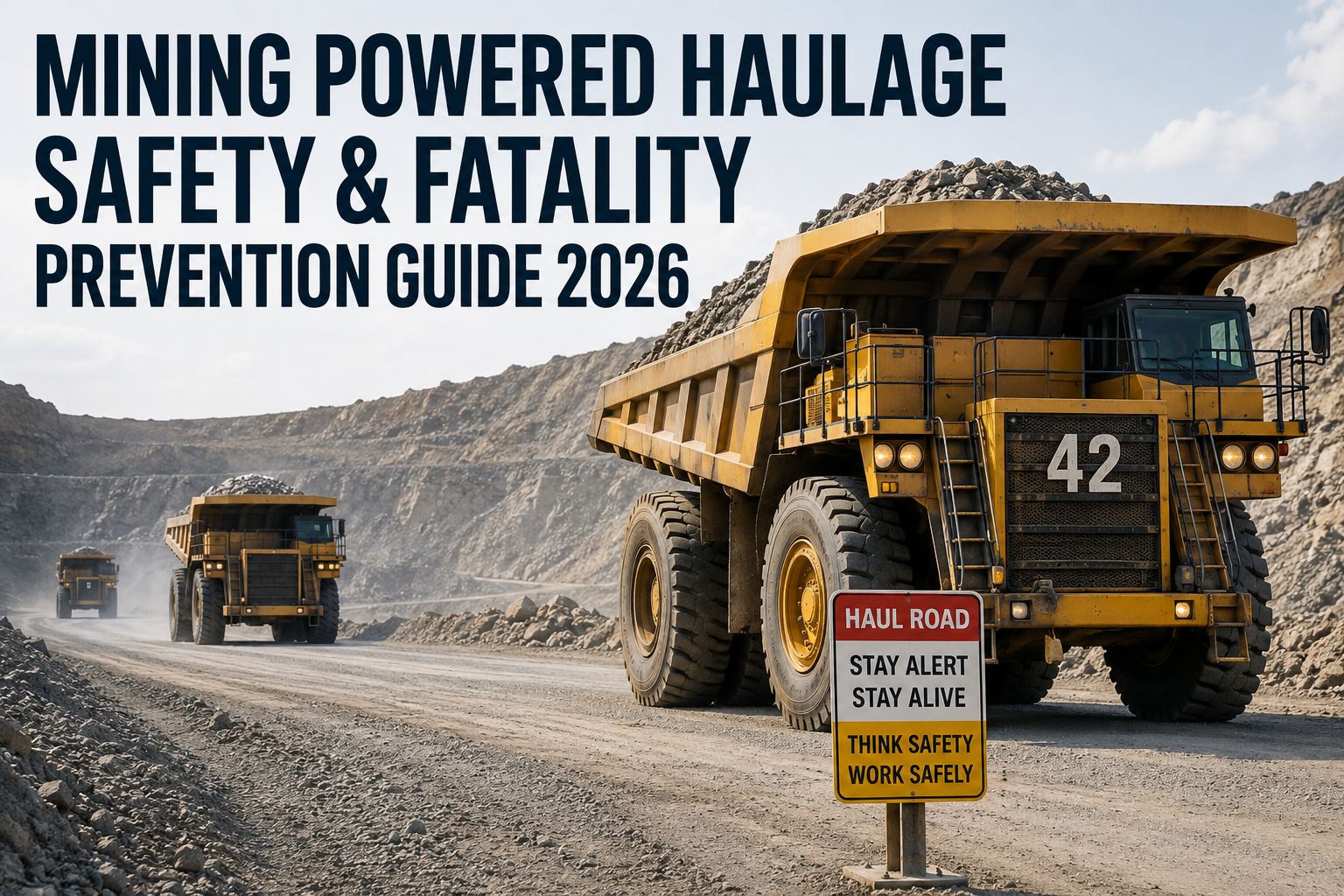
Powered haulage accounted for 13 of the 33 mining fatalities MSHA recorded in 2025 — 39% of the industry's fatal incidents in a single classification. Powered haulage has led mining fatality categories most years. The prevention picture from MSHA and NIOSH analysis is not one control — it's two parallel lines of defense. Equipment fitness (the fleet's responsibility). Site controls (the mine's responsibility). This 2026 guide walks both. Book a demo .
Powered Haulage — 39% of 2025 Mining Fatalities
Prevention lives at the intersection of equipment fitness and site controls. Either line alone leaves the gap where fatalities happen.
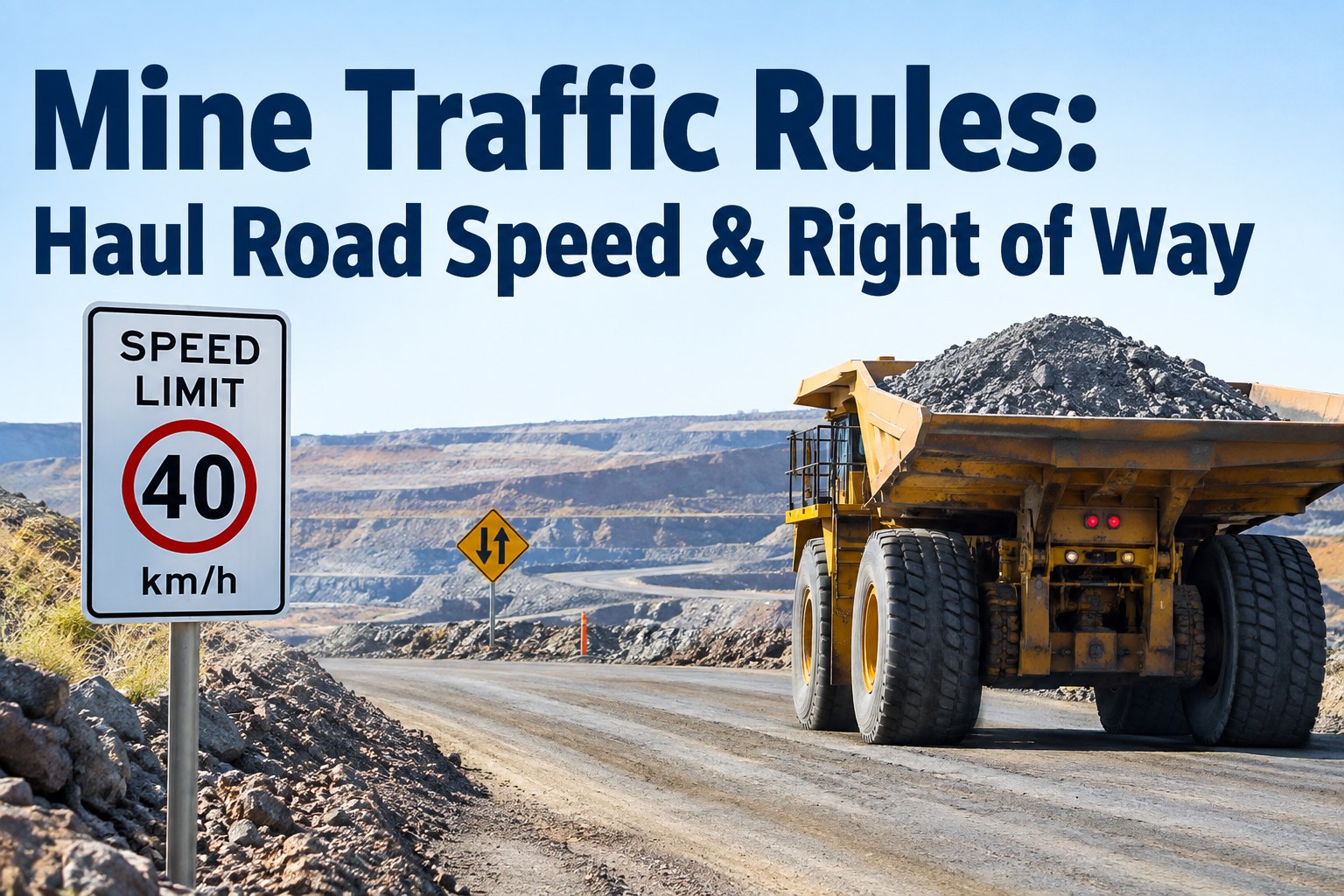
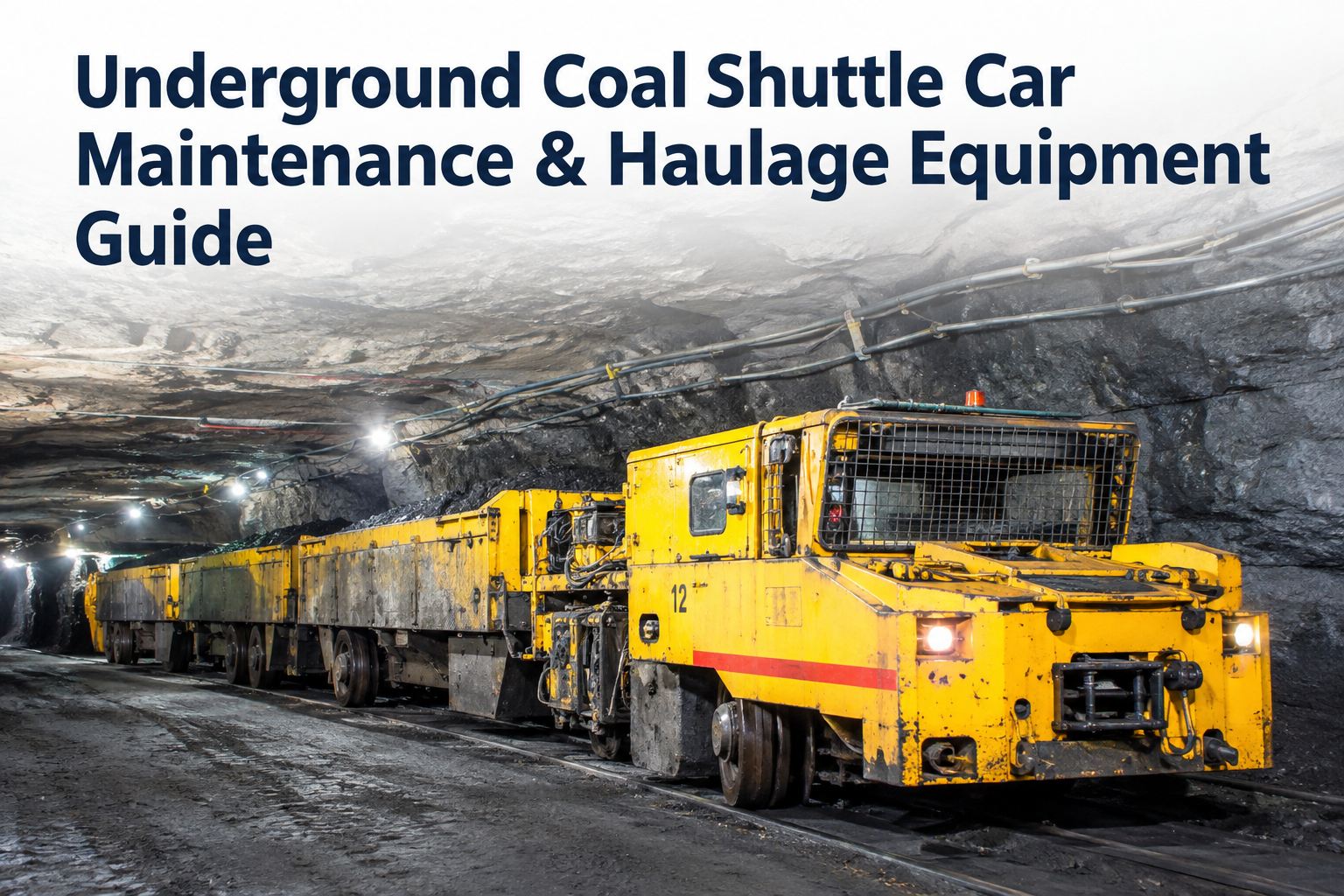
The MSHA definition of powered haulage covers mobile equipment (haul trucks, LHDs, front-end loaders, service trucks, light vehicles) and conveyor systems. On surface mines, the fatality pattern is dominated by mobile equipment interactions: haul truck striking light vehicle, reversing haul truck striking pedestrian or smaller equipment, haul truck loss of control on grade, and vehicle-over-berm incidents. Underground operations add rail equipment and conveyor entanglement to the incident set. What separates fleets and sites that reduce PH incidents from those that don't is not a single control — it's operational discipline across both the equipment fitness layer and the site controls layer, sustained through leadership visibility rather than posted signs.
The 4 recurring powered-haulage incident scenariosWhere surface-mine PH fatalities concentrate, per MSHA and NIOSH incident analysis
NIOSH and MSHA fatal-incident analysis of surface mining consistently identifies a small set of scenarios that account for most powered haulage fatalities. Each has known equipment and site prevention paths. Book a demo to see pre-shift templates aligned to these scenarios in HVI
Haul truck ↔ light vehicle collision
Reversing event — struck pedestrian or equipment
Loss of control on grade
Road-edge / berm failure — vehicle-over-edge
Equipment-line pre-shift inspection: what the check has to coverThe 6 systems that must be verified before mobile equipment operates each shift
Pre-shift inspection is the equipment fitness gate. Everything downstream — production, hauling, dispatch — assumes the equipment cleared its pre-shift check. When the check is skipped, rushed, or paper-based with no accountability, the equipment fitness line goes down and the site controls layer has to catch everything alone.
Brake system — service, park, retarder
Service brake response check on flat ground before entering loaded haul cycle. Park brake hold test. Retarder function verified. Air pressure buildup within spec. Any degradation flagged immediately, not "watch it and see." Brake defects are non-negotiable pre-shift failures.
Steering + tire condition
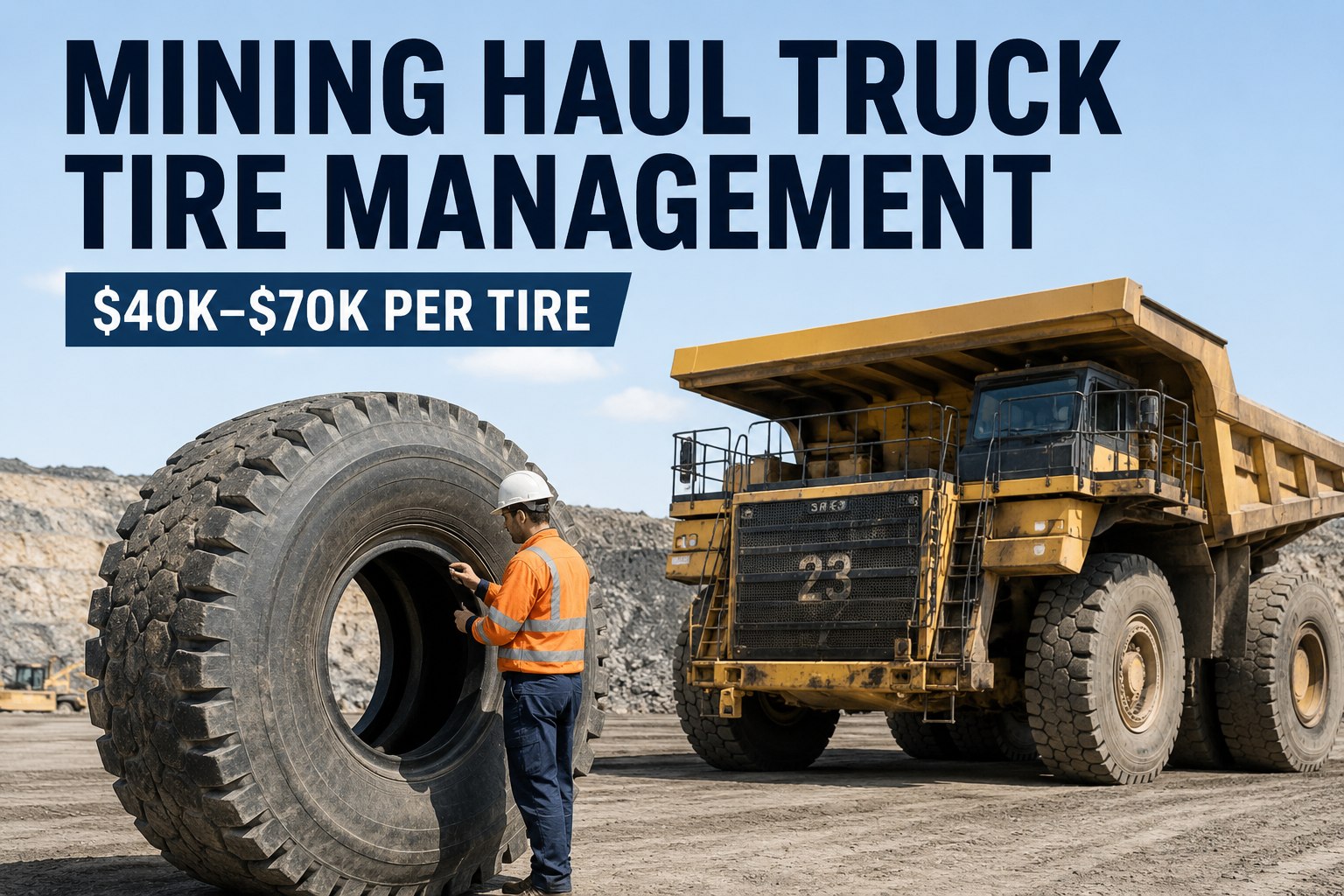
Steering wheel play within manufacturer spec. Visible check of tie rods, king pins, hydraulic steering lines for leaks. Tire tread + sidewall condition, tire pressure verified. Underinflated tire on a haul truck creates handling deterioration that compounds through a shift.
Visibility systems — mirrors, cameras, monitors
All mirrors adjusted and clean (dust and mud accumulate quickly). Camera systems functional, monitor screens clear. Rear + side camera views verified from operator seat. Any obscured mirror or non-functional camera is a pre-shift defect — visibility loss compounds every operational hazard.
Backup alarms + strobes / beacons
Backup alarm audible test. Strobe or rotating beacon functional. Warning devices are the equipment layer that alerts other operators and pedestrians — if they're non-functional, the equipment becomes silent in an environment that assumes noise.
Seatbelt + operator restraint
Seatbelt latches and retracts correctly. Any wear, fray, or damage flagged. MSHA engineers have estimated that adequate seatbelt use could prevent 3–4 miner deaths per year, with more than 35 seatbelt-related fatalities recorded since 2007. Zero-tolerance policy is common industry practice.
Proximity detection / collision-avoidance systems
If the equipment is fitted with CXS (collision avoidance/warning system), verify system power-on, sensor cleanliness, alarm audibility, monitor display, and any system fault codes cleared. Proximity systems are supplemental to the other controls, not a replacement — but they only work when they're actually functional at the start of shift.
Digital pre-shift also means the record survives shift-change and shows up in the same query as the equipment's maintenance history. Book a demo to see per-equipment pre-shift history in HVI
Site-line controls: what the mine has to run alongside the equipment layerThe 6 site-side controls that pair with equipment fitness
Equipment fitness closes half the gap. The other half sits on site procedures — controls that HVI does not administer but that pair with the inspection layer to complete the two-line defense. Start a free trial and use HVI's haul-road defect reporting to feed the site-controls loop.
Traffic management plan
Written, current, communicated to every operator and contractor. Defines vehicle interaction rules, right-of-way, radio protocols, and no-approach zones. Reviewed after any incident or near-miss.
Haul road design + berms
Berm height at least mid-axle height of the largest vehicle on the road (MSHA standard). Road width, grade, and curve radius engineered for the vehicle mix. Drainage managed to prevent surface erosion and edge slump.
Light-vehicle separation
Dedicated light-vehicle routes where feasible. Time-window restrictions where routes must be shared. Flag/beacon requirement on all light vehicles operating in active haul zones. Radio call-in before entering.
Radio comms + zone protocols
Standardized radio channels, call-signs, and zone entry/exit protocols. Backup radio verification at shift start. Clear escalation path to dispatch when protocol breakdowns happen.
Parking discipline
Designated parking zones separated from active haul routes. Wheel chocks required on all parked heavy equipment. Isolation (lockout/tagout) on equipment left unattended. Cab orientation policy so parked units face predictable directions.
Contractor equipment onboarding
Contractor haul trucks and light vehicles subject to same pre-shift standards as owner equipment. Site orientation before first operational shift. Radio channel and protocol training. Berm and traffic plan briefing.
Haul-road defect capture from any operator's pre-shift or in-shift observation is where the equipment line feeds back into the site line. Book a demo to see haul-road defect routing to grade crews in HVI
From a surface mine safety supervisor on the two-line defense
We had a serious near-miss in Q1 — a supervisor's pickup nearly struck by a reversing haul truck in a loading area. Pre-shift had cleared the truck — brakes, cameras, backup alarm all functional. Traffic plan called for radio call-in before entering the loading zone. Neither was the direct cause. The supervisor entered the zone without calling in, the driver was reversing in a spot where the traffic plan said not to. Both controls failed at the same moment.
The takeaway wasn't "we need better technology." It was that both lines of defense have to hold, every time. We tightened the site controls — radio call-in became verifiable, no-approach zones got physical markers, contractor supervisors went through the same orientation as operators. We tightened the equipment line — pre-shift went digital with photo evidence, brake test became a documented event rather than a check-off. Zero PH incidents since. Not zero forever. Zero because both lines held together.
Frequently asked questions
Why is powered haulage the leading cause of mining fatalities?
Powered haulage accounted for 13 of the 33 mining fatalities MSHA recorded in 2025 (39%), continuing a multi-year pattern where PH leads the mining fatality classifications. Three structural factors drive this. First, scale: mobile equipment in mining is enormous — haul trucks can stand several stories tall with blind spots at ground level extending 20+ feet directly behind the cab and along specific approach angles. Any collision at that scale is severe. Second, operational density: haul trucks, light vehicles, LHDs, front-end loaders, and pedestrians share tight operating areas at load points, dump points, and intersections. The interaction opportunities are constant. Third, environmental factors: dust reducing visibility, unpaved surfaces with variable traction, grades that reduce braking authority when loaded, and berms that degrade if not maintained. Prevention requires both equipment fitness (brakes, steering, visibility systems, backup alarms, seatbelts, CXS) and site controls (traffic management plans, haul road engineering, berm maintenance, radio protocols, parking discipline). Neither line alone closes the gap.
What are the most common powered haulage incident scenarios in surface mining?
MSHA and NIOSH fatal-incident analysis of surface mining consistently identifies four scenarios that account for most PH fatalities. Scenario 1: haul truck striking or struck by a light vehicle (pickup, supervisor vehicle) — typically at intersections, haul-road entries, or loading areas where blind spots at haul truck cab height make small vehicles invisible. MSHA has recorded 23 fatalities of this pattern since 2003. Scenario 2: reversing event where haul truck or loader strikes a pedestrian or parked light vehicle in the rear blind zone, typically without functional backup alarm, camera, or spotter. Scenario 3: loss of control on grade where haul truck loses braking authority descending a loaded grade — root causes include brake system degradation, exceeded grade or speed spec, operator fatigue, or misapplication of retarder. Scenario 4: vehicle-over-edge where haul truck goes over the edge of a haul road due to inadequate or eroded berm, road-edge slump, or operator error. All four have known equipment and site prevention paths documented in MSHA and NIOSH guidance.
What should a mining pre-shift inspection cover?
A mining pre-shift inspection for mobile equipment (haul truck, LHD, front-end loader, service truck) must cover six systems at minimum. Brake system: service brake response test on flat ground, park brake hold, retarder function, air pressure buildup within spec, any degradation flagged as non-negotiable pre-shift failure. Steering and tires: steering wheel play within manufacturer spec, tie rods and king pins visible check, tire tread and sidewall condition, tire pressure verified. Visibility systems: all mirrors adjusted and clean, camera systems functional with clear monitor screens, rear and side views verified from operator seat. Warning devices: backup alarm audible test, strobe or rotating beacon functional. Operator restraint: seatbelt latches and retracts correctly, no wear or fray. Proximity detection or collision avoidance system (if fitted): system power-on, sensors clean, alarm audible, no active fault codes. Each system needs a documented result, not just a check-off — and safety-critical defects (brake failure, non-functional backup alarm, non-functional camera) must trigger immediate escalation, not "watch it and see through the shift."
Does HVI support mining pre-shift inspection and defect workflows?
Yes. HVI supports configurable pre-shift inspection templates for mining mobile equipment (haul trucks, LHDs, front-end loaders, service trucks, light vehicles), per-system checks for the safety-critical systems above, photo evidence capture on flagged defects with GPS and timestamp, severity-based escalation for safety-critical items (brake, steering, visibility, restraint) that alerts supervisors immediately rather than waiting for the shift report, and haul-road defect capture (berm damage, road surface issues, drainage problems, edge conditions) routed to the responsible grade or site crew. Records are searchable per asset, per operator, and per shift for incident-review or MSHA compliance review. HVI is not a proximity detection system, a collision avoidance/warning system (CXS), a seatbelt interlock, or the mine's safety management system — those safety controls live in specialty equipment and formal site procedures. HVI provides the pre-shift fitness gate documentation, defect escalation workflow, and haul-road defect reporting that supports the equipment-line and site-line prevention layers described in this guide.
What site controls reduce powered haulage incidents?
Site controls are the mine's operational and engineering layer that pairs with equipment fitness. Six controls appear consistently across MSHA guidance and industry best practice. A documented and current traffic management plan defining vehicle interaction rules, right-of-way, radio protocols, and no-approach zones. Haul road engineering with berms at least mid-axle height of the largest vehicle on the road (MSHA berm standard), road width and grade engineered for the vehicle mix, and drainage managed to prevent edge slump. Light-vehicle separation with dedicated routes where feasible, time-window restrictions where routes must be shared, and flags or beacons required on all light vehicles in active haul zones. Radio communication protocols with standardized channels, call-signs, zone entry/exit procedures, and shift-start radio verification. Parking discipline with designated zones separated from active haul routes, wheel chocks on all parked heavy equipment, and isolation procedures on unattended equipment. Contractor equipment onboarding subjecting contractor units to the same pre-shift standards as owner equipment plus site orientation before first operational shift. Site controls close the half of the gap that equipment fitness alone cannot.
Hold the equipment fitness line with pre-shift you can actually defend
HVI supports mining pre-shift inspection templates per equipment class, per-system safety checks with photo evidence, severity-based escalation for safety-critical defects, haul-road defect capture routed to grade crews, and searchable records for incident review or MSHA compliance. Site controls (traffic plans, berm engineering, proximity detection systems, safety management) remain with specialty equipment and formal site procedures. HVI is the operational fitness-gate and defect-escalation layer that pairs with them.
No credit card · No hardware · Mining pre-shift templates ready on day one