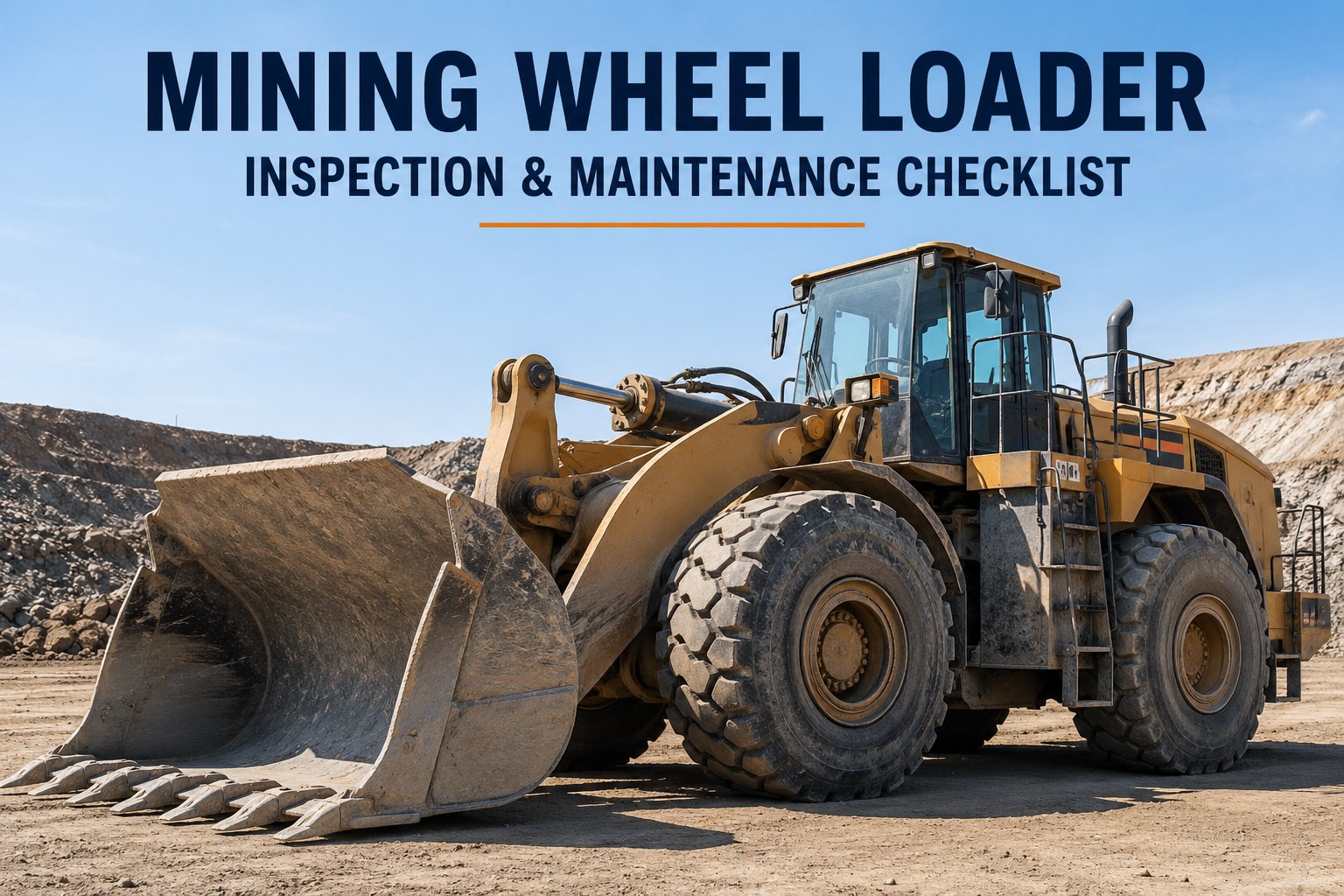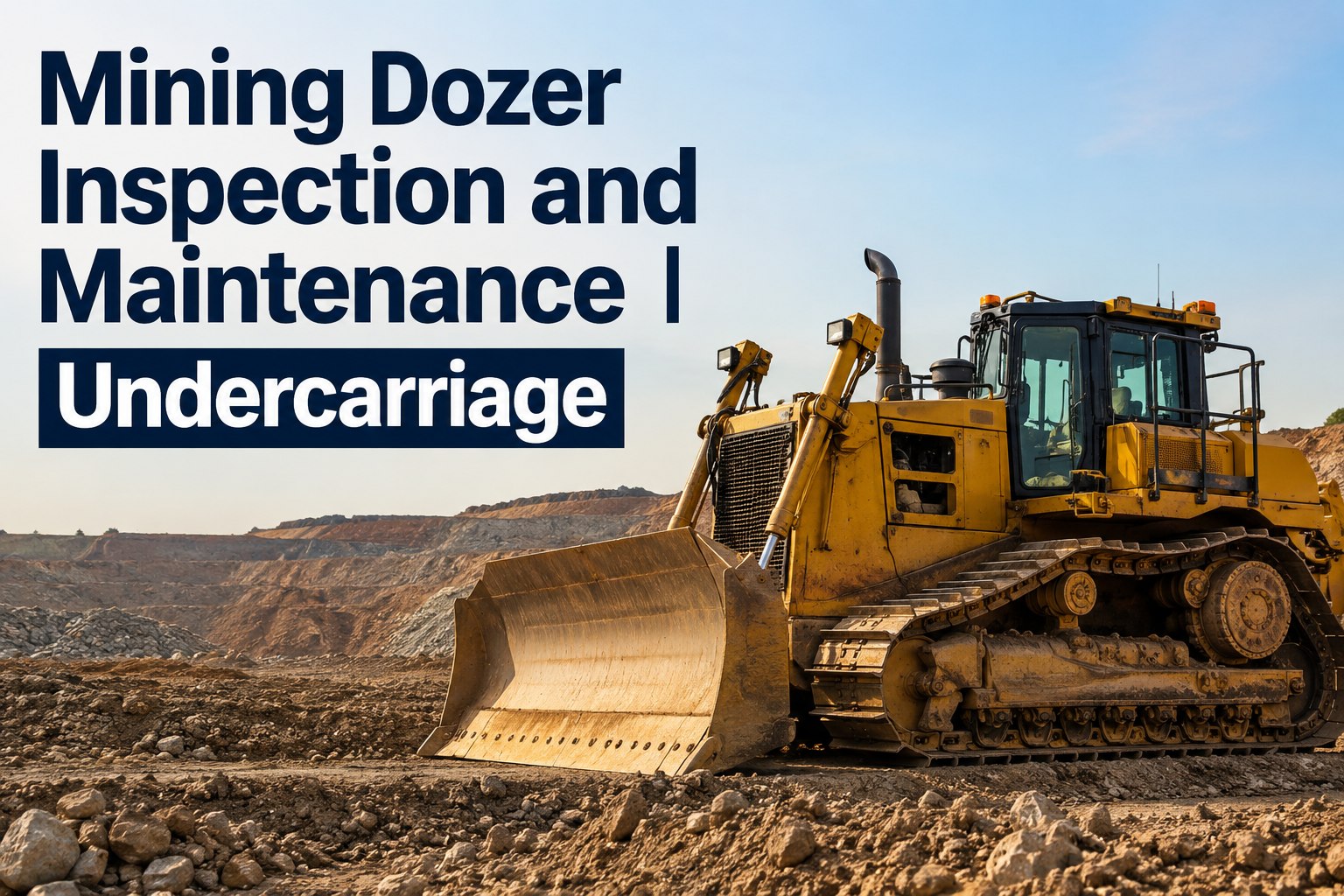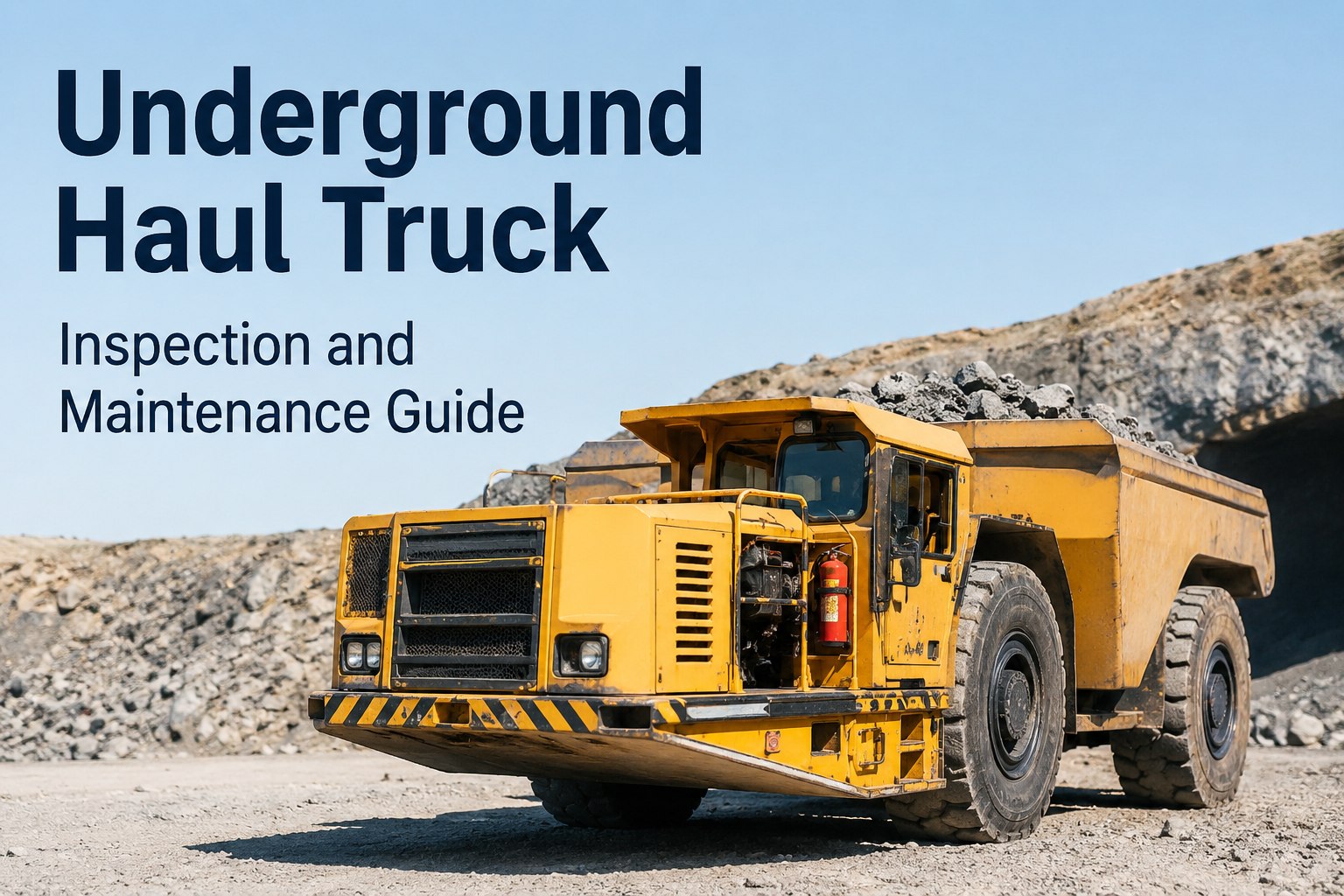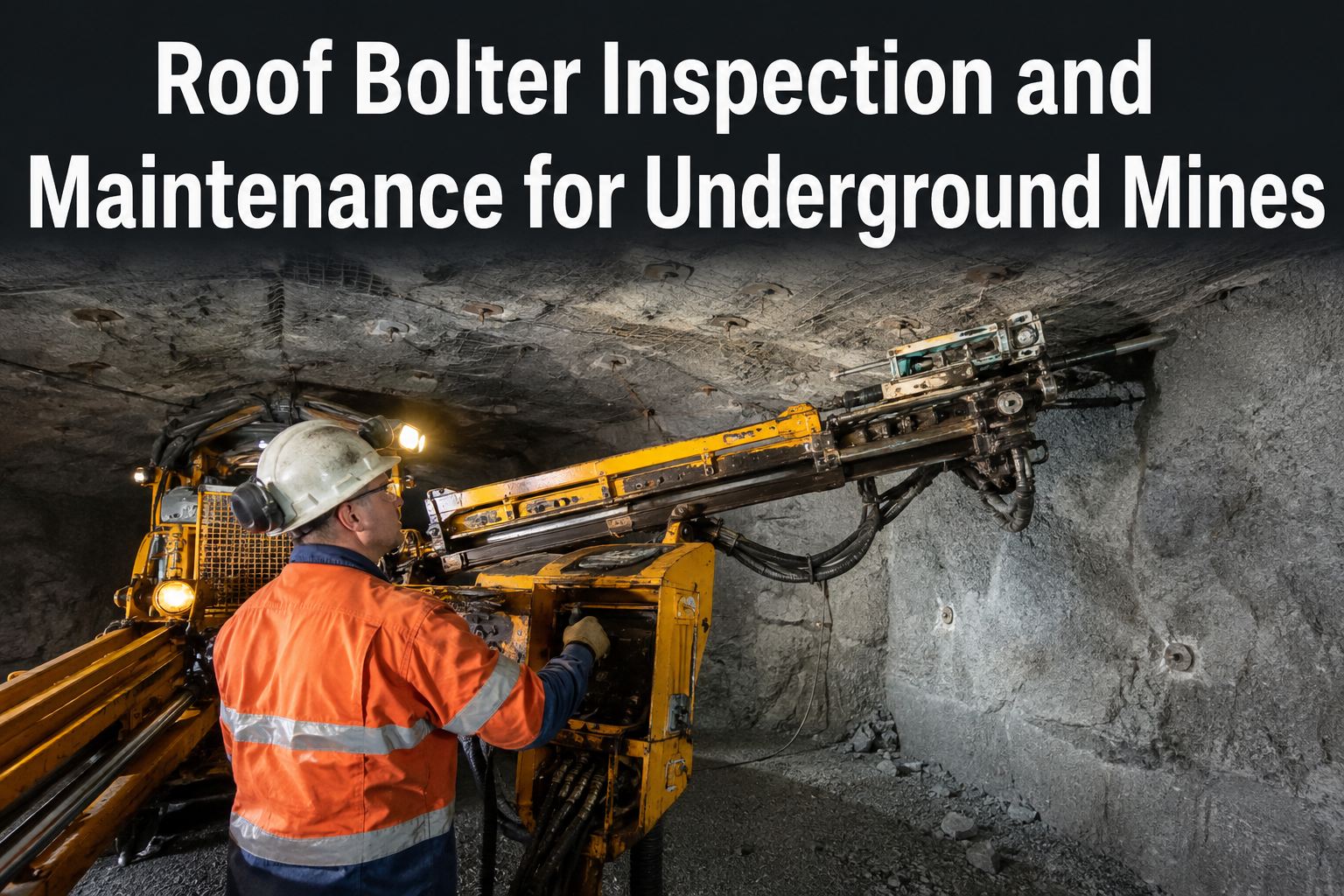
It is 6:40 a.m. and the night-shift haul trucks are already stacking up at the pit because a washboard stretch on the main ramp is shaking loads loose and rattling operators half to death. The machine that fixes it is not the $5 million haul truck or the excavator - it is the mining motor grader parked behind the shop waiting on a circle drive seal that nobody logged last week. On most sites the grader is the cheapest iron in the fleet and the least respected, yet haul road condition quietly controls your four most expensive line items at once: tire life, fuel burn, cycle time and rollover risk. This page breaks down the real cost linkage, the grader inspection zones your crew should hit every shift, the road maintenance programme that keeps trucks moving, and the berm obligations that sit on your road crew's shoulders - plus how sites are now running all of it digitally, and how you can see it working on your own roads in a 30-minute demo.
The cheapest machine on your site controls your most expensive problems
A mining motor grader costs a fraction of one haul truck, yet road condition decides how fast your $40,000-$70,000 tires die, how much fuel every cycle burns, and whether a loaded truck stays upright on a wet corner. Treat the grader and the road crew like the profit centre they actually are.
When roads slip
- Tire life cut roughly in half by rock cuts and heat
- Rolling resistance climbs, fuel burn follows it up
- Cycle times stretch and payload per shift drops
When the grader programme works
- Tires reach full rated hours on smooth, drained roads
- Trucks hold speed safely, cycles tighten, fuel drops
- Berms, drainage and defects documented for every audit
What poor haul road condition really costs you
Road maintenance is not a housekeeping task. Every hour a defect sits ungraded, it taxes the most expensive consumables on your site. Here is where the money actually goes.
Rock cuts, shoulder stone and heat from under-inflated running on rough roads destroy casings long before the tread is gone.
Sites that let roads go typically see tire life cut roughly in half - the single largest preventable consumable loss in mining.
Rutting, washboarding and soft spots force trucks to work harder every metre of every cycle, all shift long.
A single lost truck, injury investigation and production stoppage dwarfs the entire annual road crew budget.
The mining motor grader inspection: six zones that decide availability
A grader down for a week means a week of roads degrading at full speed. These are the zones your operator walk-around and technician PMs must cover every time - the same zones HVI builds into its grader templates.
Moldboard & cutting edge
Measure edge wear against the manufacturer's limit, check bolts and retainers for looseness, inspect end bits and overlay wear plates. A worn edge forces extra passes, which is fuel and hours burned for the same road.
Circle drive & grease schedule
The circle turns the whole blade under load in abrasive dust. Check circle drive oil, backlash and shim wear, and hold the grease interval religiously - this is one of the most frequent grease points on the machine and the most commonly missed.
Articulation joint
Inspect the articulation pin and bearings for play, check the lock bar and listen for knock on turns. Excess play here shows up directly as a wandering blade and an uneven road surface.
Hydraulics
Look for weeping cylinders, chafed hoses at the blade lift and lean points, and slow or drifting implement response. A hose that rubs through mid-shift drops oil on the road and the grader in the shop.
All six tyres
Pressures, cuts, bead damage and uneven wear on every position - including the fronts everyone forgets. A grader limping on a flat cannot hold a crown, and the road tells on it within hours.
ROPS, cab & safety systems
ROPS structure and mounts, seatbelt, glass, wipers, lights, beacon, horn, reverse alarm and fire suppression. The grader works alone on live haul roads all day - being seen and protected is not optional.
Running these zones as a QR-scanned digital checklist means nothing gets pencil-whipped, and every defect photo lands as a work order instead of a text message. Sites that walk through the grader template in a short demo usually recognise their own machine in the first screen.
Haul road grading frequency: a maintenance schedule that actually holds
Roads do not fail all at once - they fail in a sequence you can schedule against. A defensible road maintenance programme has four moving parts, each with its own trigger and owner.
Grading frequency - set by traffic, not by habit
High-traffic main ramps may need a pass every shift or two; light spur roads can run days between passes. Track grader hours per road segment so frequency follows actual truck count and material type, not whoever shouts loudest. When you can show a ramp got 14 passes last month and the spur got 2, the budget conversation changes.
Watering - dust control without the mud trap
Too little water and dust blinds truck operators and lifts fines off the surface; too much and you build a slick that no tire can brake on. Coordinate the water truck with the grader so moisture goes down before the blade, and log both so the pattern is visible when conditions change seasonally.
Drainage - the silent road killer
Standing water softens the subgrade, and every loaded truck that passes pumps it deeper. Crown the road so water sheds, keep ditches and culverts clear, and treat any ponding report as urgent. Most catastrophic road failures start as a puddle nobody owned.
Rock removal - the cheapest tire insurance you can buy
Spillage from loading and hauling drops sharp rock exactly where tires run. A daily windrow check and rapid rock pickup beats any tire compound on the market. This is where truck-operator defect reports earn their keep - the trucks see the rock hours before the grader does.
See your roads the way your tires do
HVI routes truck-operator defect reports straight to the road crew, schedules grader PMs by meter, and keeps every berm check on record. Book a demo and we will map it to your site layout.
Berms and guardrails: the 30 CFR 56.9300 duty sitting on your road crew
In US metal and nonmetal mining, MSHA's 30 CFR 56.9300 requires berms or guardrails at least mid-axle height on the largest machine that travels the road, wherever there is a drop-off. That obligation does not sit with the mine manager's office - it sits with the road crew, every shift, on every elevated edge.
| Requirement | What it means on the ground | Record your crew should produce |
|---|---|---|
| Mid-axle height berms | Berm height scaled to the largest haul truck using that road, not a nominal shovel full | Dated berm inspection with height notes and photos per segment |
| Berms on all drop-offs | Dump points, ramps, elevated fills and any edge where a truck could leave the road | Location-tagged checks showing no gaps after blasting or dumping changes |
| Maintained condition | Berms erode, get clipped by blades and slump in rain - they need rebuilding, not just building | Repair work orders closed with after-photos and timestamps |
| Examination of travelways | Roads examined each shift for hazards, defects corrected or the road taken out of service | Shift-level road exam log tied to the person who signed it |
When an inspector or a client's auditor asks for berm records, a binder with gaps is a citation risk. A timestamped, photo-backed digital trail answers in seconds - you can start building that record free before your next shift change.
Run the grader, the roads and the records from one platform
HVI (Heavy Vehicle Inspection & Maintenance) is the cloud and mobile CMMS built for fleet-heavy operations. Four capabilities carry the road programme specifically.
Grader templates by QR scan
The operator scans the tag on the machine and the correct grader checklist loads - moldboard, circle drive, articulation, hydraulics, six tyres, ROPS. Defects attach photos and become work orders instantly, killing paper cards and texted photos.
Meter-based PM with tight grease intervals
Preventive maintenance triggers off engine hours pulled from the meter or telematics feed - so the frequent circle grease interval fires on schedule instead of when someone remembers. Due and overdue alerts go to the shop before the wear starts.
Road defect reports routed to the crew
Truck operators report washboarding, spillage rock, ponding or berm damage from the cab with a photo and location. HVI routes it straight to the road crew queue, so the grader works from a live priority list instead of rumour.
Completion analytics you can defend
Grader availability, PM compliance, passes per segment and defect closure time in one dashboard. When you ask for a second grader or a bigger crew, you bring a trend line, not a feeling - and audits become a search box. Book a walkthrough on your own units.
The maths that wins the internal argument for road maintenance
You will have to defend grader hours and road crew budget against a production number. Here is the illustrative arithmetic that usually settles it.
Add the fuel side - a 20-truck fleet burning even 8% less diesel on smooth roads saves a six-figure sum annually at typical consumption - and the case writes itself. If you want the availability and PM-compliance numbers to back your version of this argument, book a demo and pull them from your own fleet data.
What to do differently on Monday morning
Reframe the grader
Stop treating the mining motor grader as spare iron. It is the control point for tire life, fuel burn, cycle time and rollover risk - four of your biggest cost lines at once.
Inspect the six zones, every shift
Moldboard and cutting edge, circle drive with its grease schedule, articulation joint, hydraulics, all six tyres and ROPS. A grader that cannot work cannot protect anything.
Schedule the road, not just the machine
Grading frequency by traffic, coordinated watering, drainage response and daily rock removal - with truck operators feeding live defect reports to the road crew.
Document berms like citations depend on it
Under 30 CFR 56.9300 they do. Mid-axle-height berms on every drop-off, examined and rebuilt, with timestamped photo records your crew can produce in seconds.
None of this needs new hardware or a consultant. It needs one system the operator, the road crew and the shop all actually use - which is exactly what you can set up free and trial on one grader this week.
I used to lose the argument every budget season because I had no numbers - just me saying the roads were rough. Now I track grader availability and defect closure time like a hawk. Last quarter I showed 96% PM compliance on the graders and tire spend trending down for the first time in three years. The gripe I still have? The circle grease interval. It is the shortest interval on the machine and the one everyone wants to skip. The system does not let them skip it anymore, and our circle drive rebuilds have basically stopped.
Mining motor grader and haul road questions, answered
How often should haul roads be graded in a mining operation?
What does a daily motor grader inspection cover?
Why is the circle drive grease interval such a big deal?
What does 30 CFR 56.9300 require for berms?
How do I justify a bigger road crew or a second grader?
Put your cheapest machine in charge of your biggest costs
Digital grader inspections, meter-based PMs, live road defect routing and audit-ready berm records - all in one platform your crew can run from any phone in the pit. See it on your own fleet before you spend a dollar.
Free to start - Works on any phone - No card needed