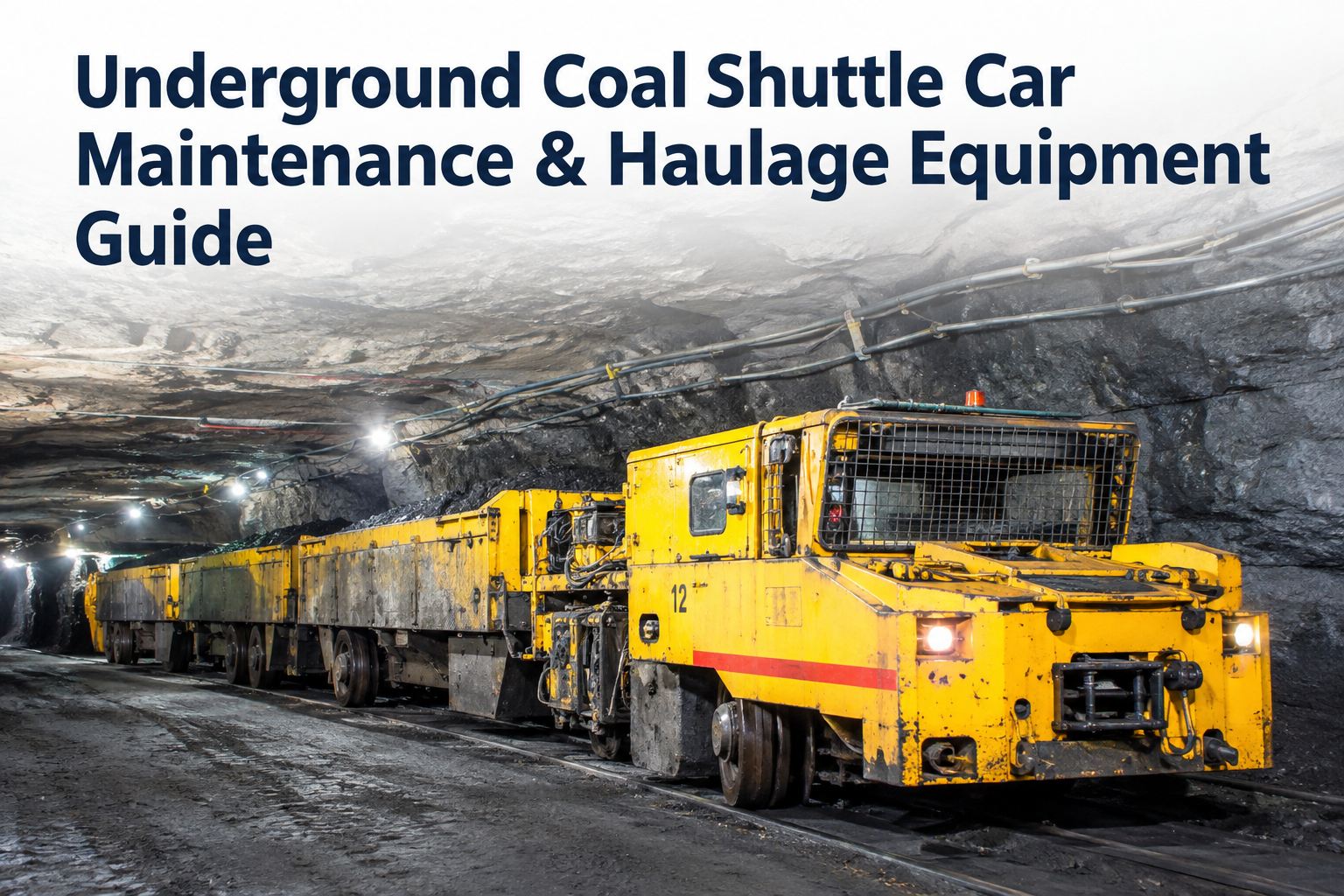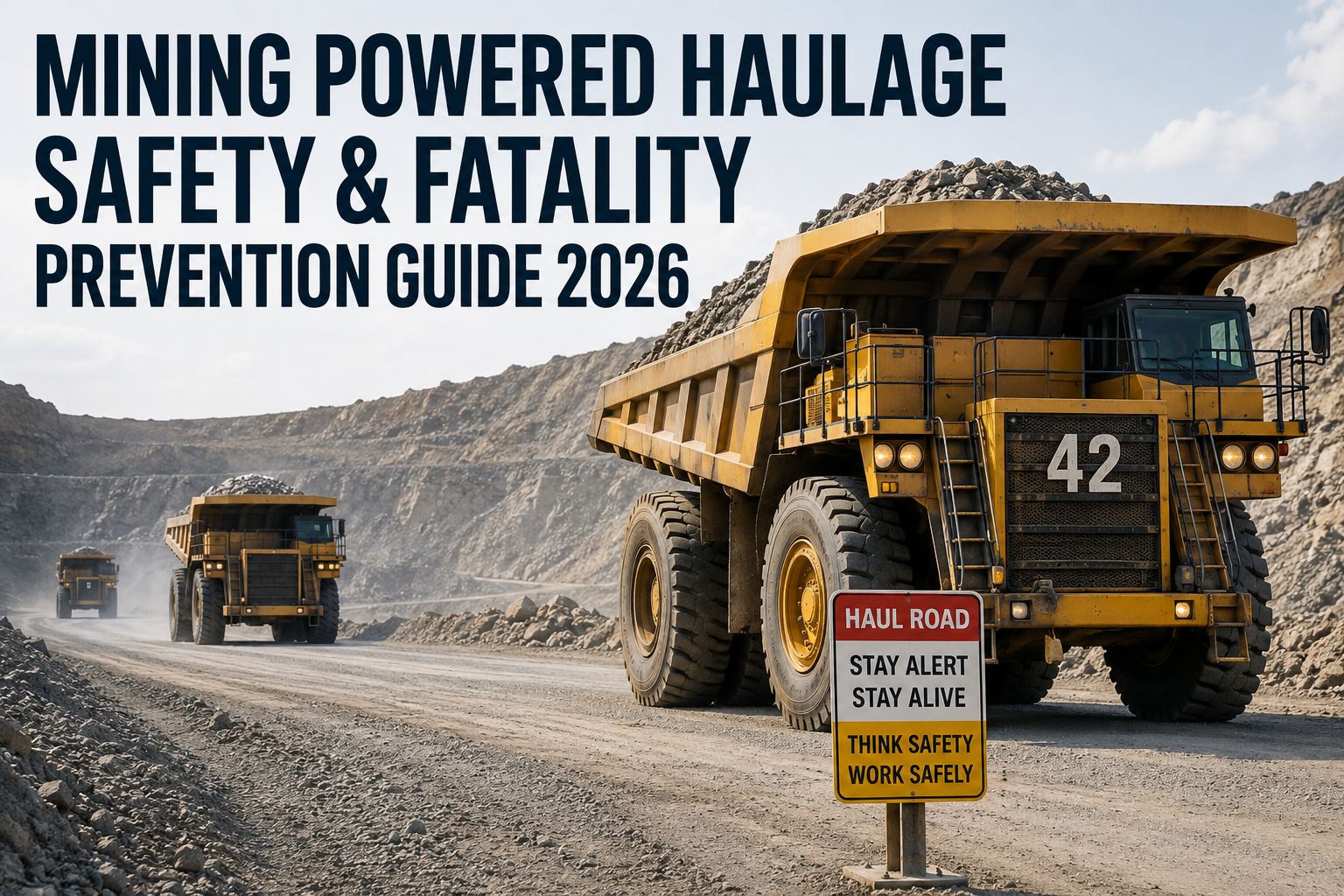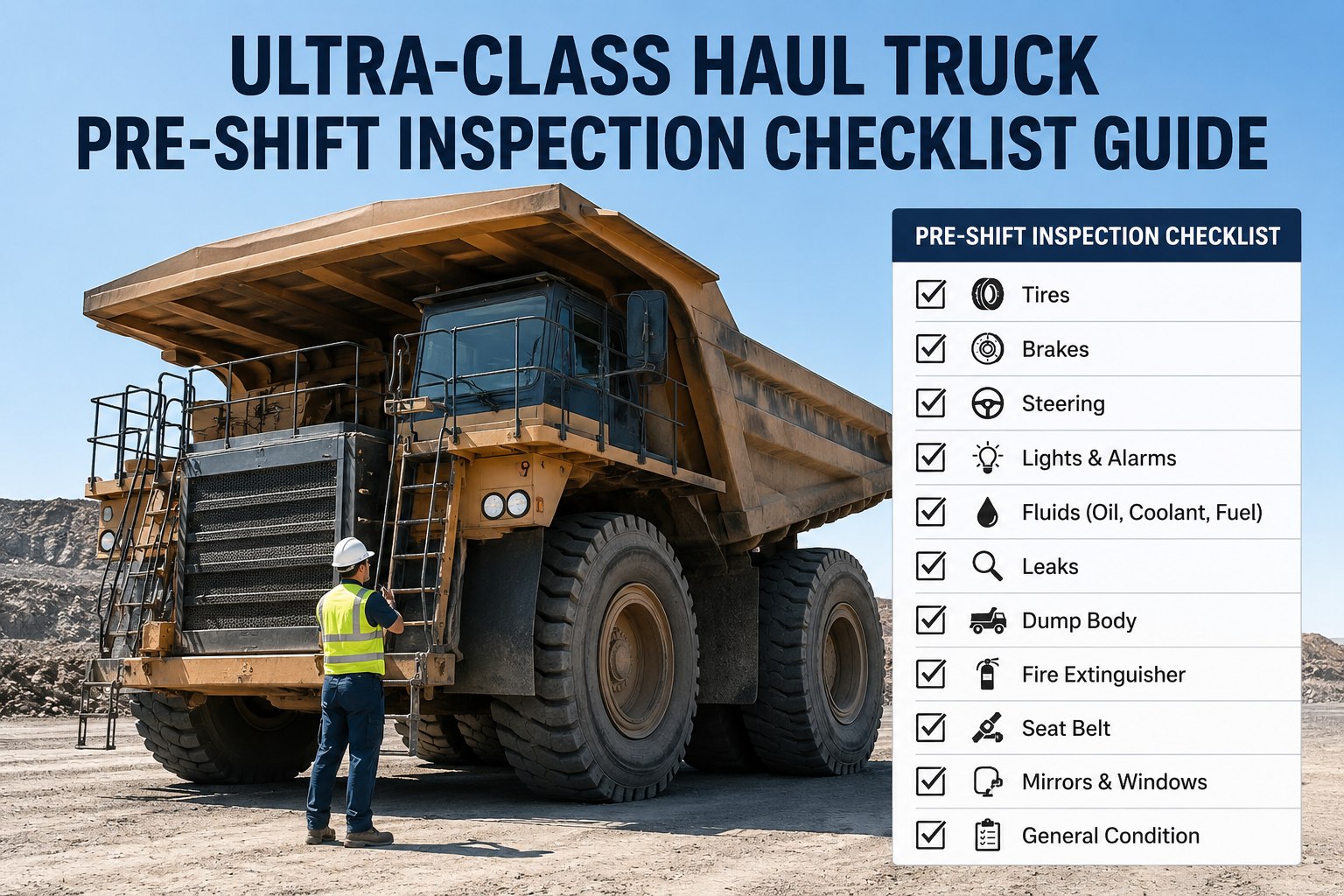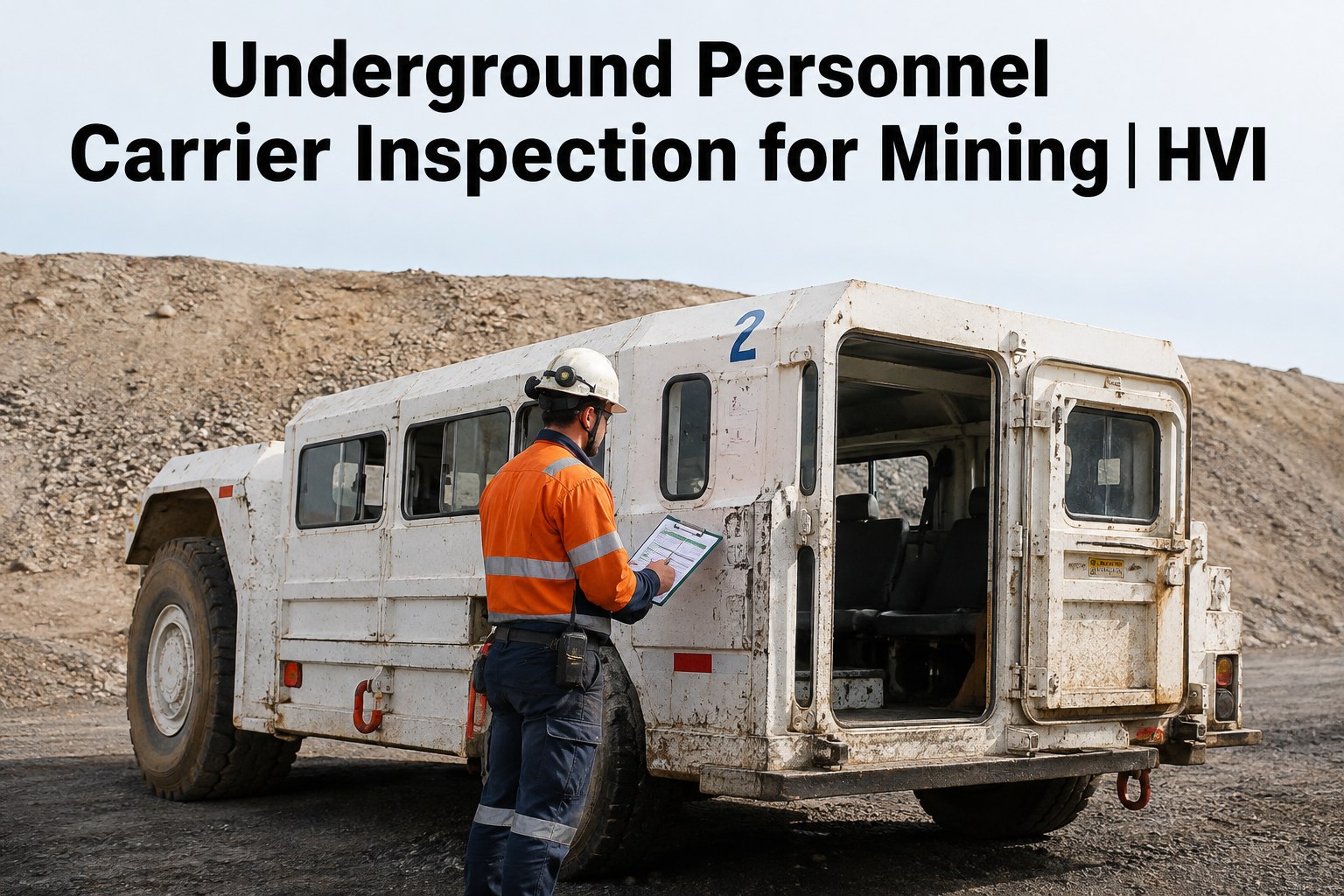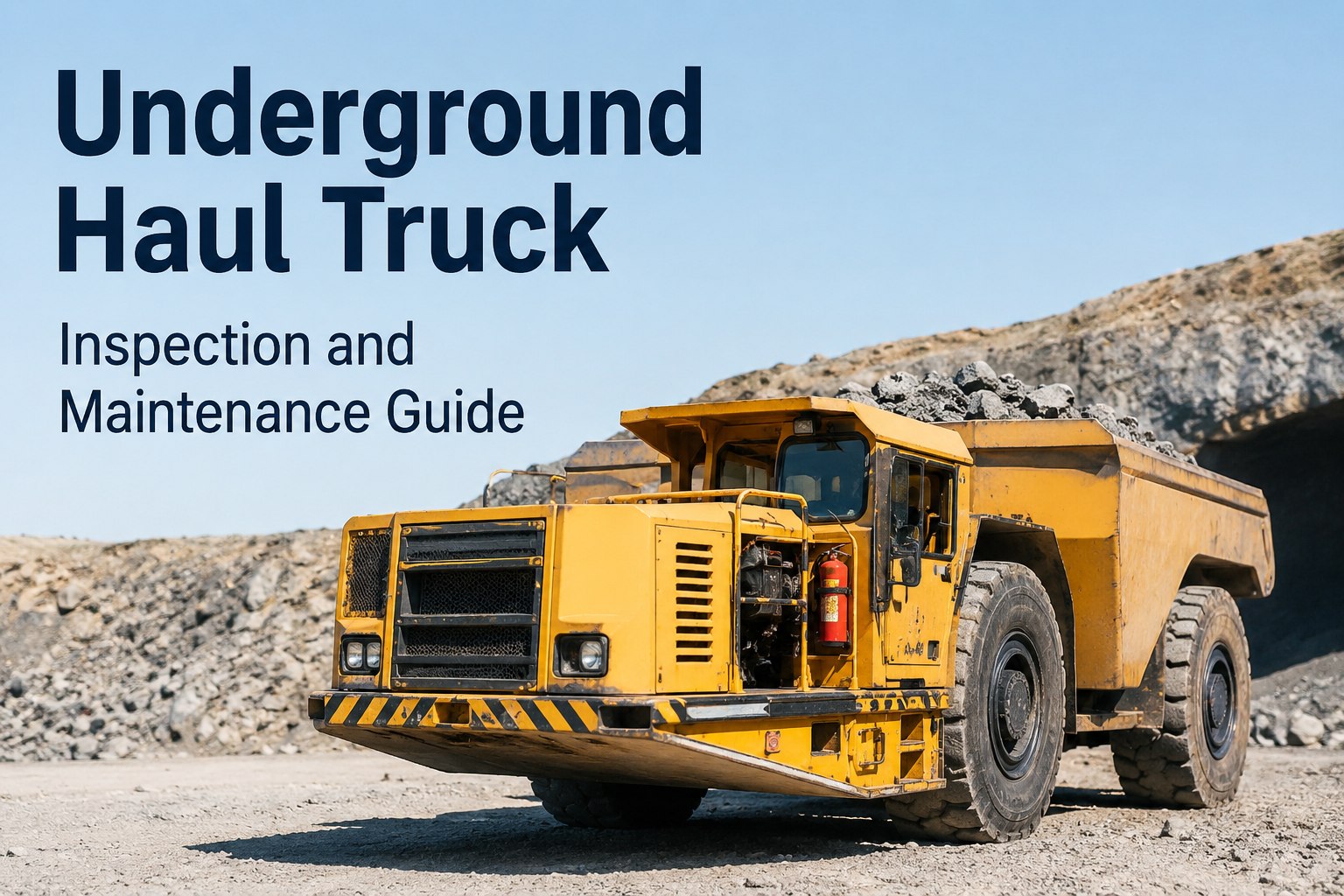
You are 400 metres down a 1-in-7 decline, fully loaded, and the only thing between your operator and a runaway is a brake pack and a retarder that were last checked on a paper form three shifts ago. Underground haul truck inspection is not a box-ticking exercise - it is the one routine that decides whether a confined, dark, no-signal heading stays a workplace or becomes an incident report. This guide walks through what actually matters on an underground truck checklist: brake and retarder testing under sustained descent duty, fire suppression as a life-safety item, exhaust and emissions against your ventilation budget, sidewall-damaged tyres, articulation and suspension under constant grade loading, and the lighting, cameras and comms that keep a 30-tonne machine visible in a tunnel. If you want to see how this runs digitally on your own units, you can book a 30-minute walkthrough of underground inspection workflows and test it against your toughest decline.
If the brakes fade at 400 metres down, who knew they were borderline this morning?
Steep sustained declines, wall-to-tyre clearances and zero radio signal mean an underground haul truck gets no second chances. Your inspection process has to catch weak retarders, discharged fire suppression and split sidewalls before the cage goes down - not after.
The numbers your next safety meeting needs
Every figure below is money, downtime or exposure that lands on your desk - not abstract industry trivia.
What belongs on an underground haul truck inspection - and why each item earns its place
A surface haul truck checklist will not survive underground. These seven systems carry the load in a confined decline, and each one fails differently down there than it does in daylight.
Brakes and retarder
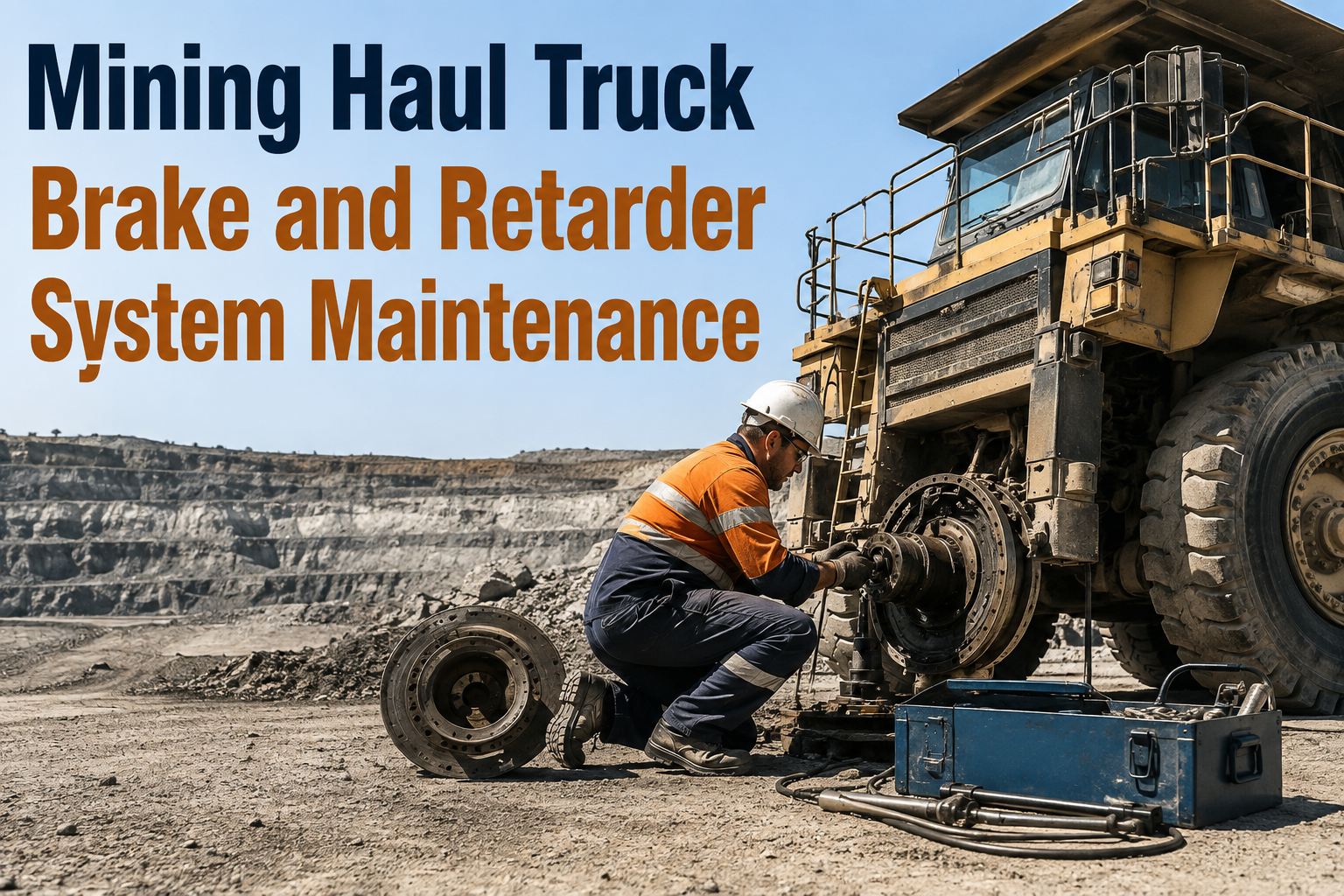
A loaded descent holds the retarder under continuous duty for minutes at a time. Test service brakes, park brake holding on grade, and retarder response before the first loaded run - and log the result, because a retarder that fades halfway down a 1-in-7 is not a defect, it is a runaway.
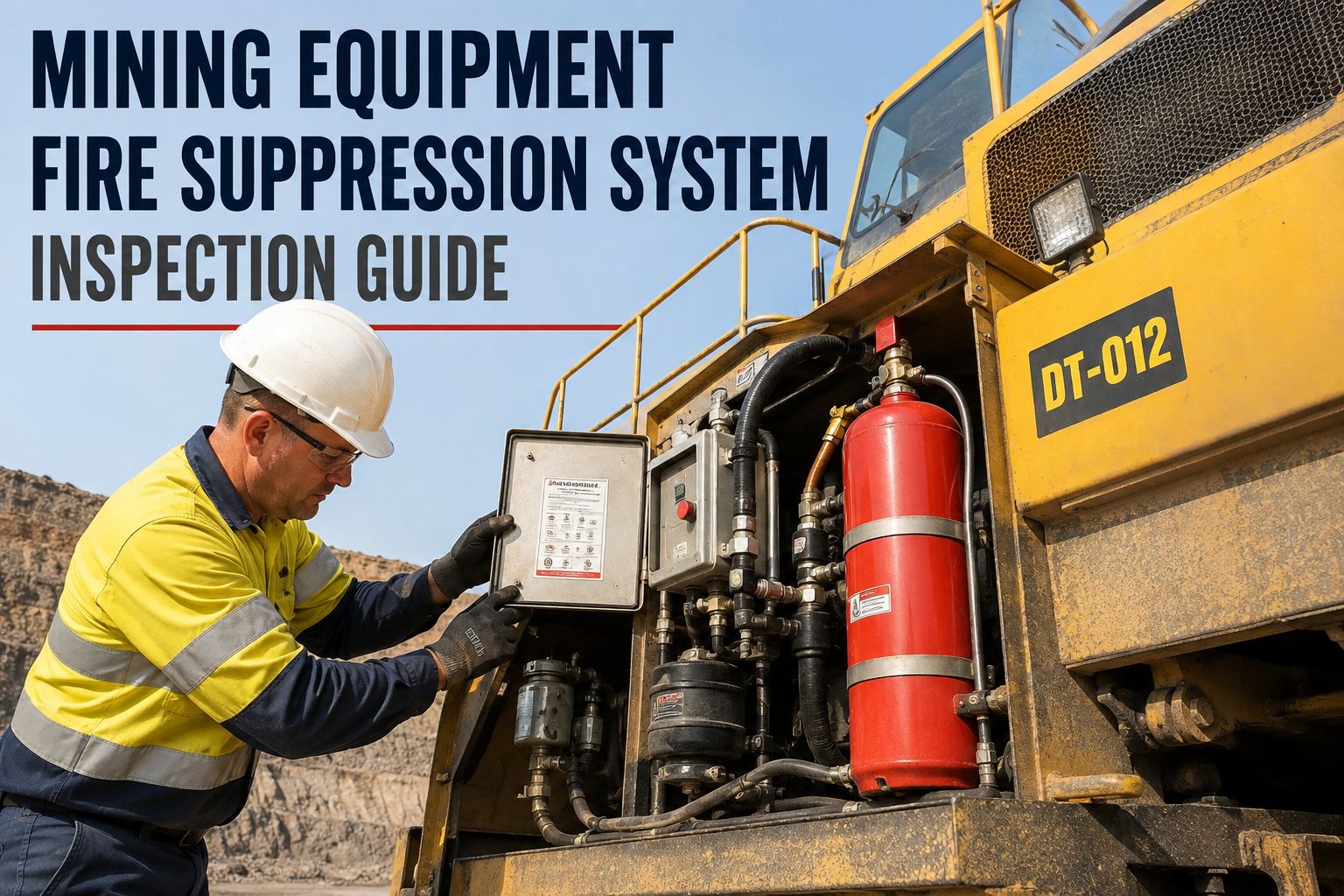
Fire suppression
In a ventilated tunnel, an engine-bay fire is a life-safety event for everyone on that level, not just the operator. Check cylinder charge, actuator, nozzle condition and manual pull points every shift. A discharged or corroded system found during an audit is bad; one found during a fire is worse.
Exhaust and emissions
Every litre of dirty exhaust is load on your ventilation system, and ventilation is the most expensive air you will ever move. A scrubber or DPF defect, a blowing exhaust joint or a fuel system fault shows up as haze at the face and heat on the fan power bill.
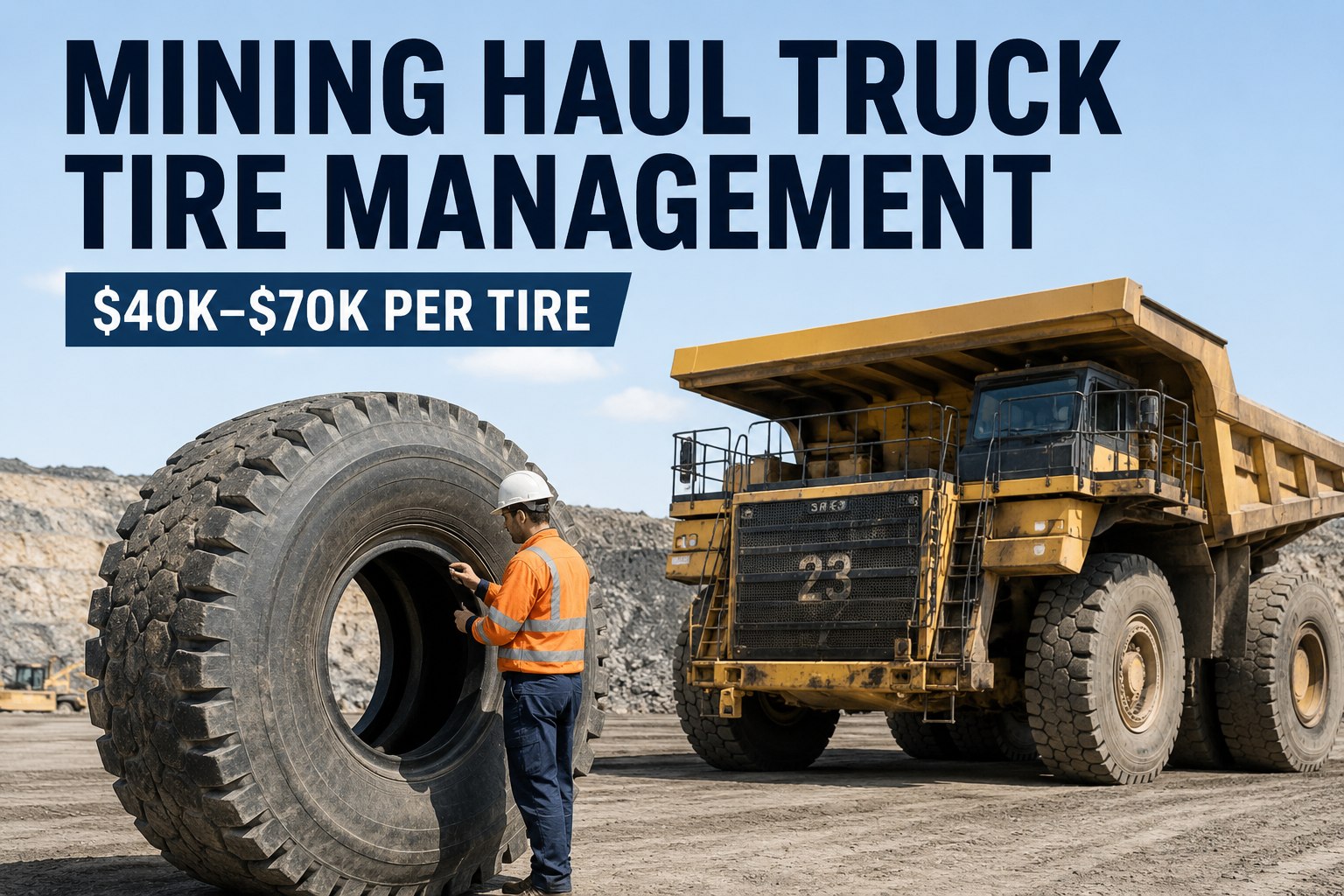
Tyres and sidewalls
Wall contact in tight headings is routine, not an exception - which is exactly why sidewall cuts, bulges and exposed cord need a photo every shift. An underground tyre failure at loaded speed in a confined drive does not leave room to recover.
Articulation and suspension
The articulation hinge and suspension work under constant grade loading, steering correction and wall proximity. Excess hinge play, leaking hitch cylinders or cracked suspension components change how the truck tracks - and tracking is everything when clearance is measured in centimetres.
Lighting and cameras
Your operator's world is headlights, work lights and a reversing camera. One dead beacon or a mud-blind camera lens turns every intersection and every pedestrian into a guess. Test all of it at the start of shift, in the dark it will actually work in.
Comms and warning systems
Leaky-feeder radio, proximity detection, reverse alarms and interlocks are the truck's voice underground. A truck that cannot call out or warn pedestrians is a truck that should not leave the bay - and your checklist should say so in writing.
Not every defect is equal: what stops the truck and what gets scheduled
The fastest way to lose credibility with operators is to ground a truck for a cracked mirror - or worse, to let a soft retarder run because "it passed last week." Use a three-tier rule and make it visible.
Red - truck does not move
Any brake or retarder weakness, fire suppression discharged or isolated, steering or articulation fault, sidewall damage to cord, or failed park brake holding test. These auto-block dispatch and need a supervisor sign-off to release. No debate at the cage.
Amber - work order before next shift
Emissions or scrubber faults, one failed work light with redundancy still intact, hydraulic seepage at the hitch, tyre damage short of cord. The truck finishes the shift only if a supervisor accepts the risk in writing, and the work order is raised before the operator walks away.
Monitor - schedule into planned maintenance
Cab damage, worn step treads, minor panel damage, early tyre wear patterns. Logged with photos so the trend is visible, then folded into the next planned service instead of becoming next month's surprise.
This is where digital beats paper in a way you can defend internally: with HVI, red items auto-block dispatch until cleared, and you can see the auto-block workflow demonstrated on a live unit before you commit to anything.
How an underground truck inspection actually flows when there is no connectivity
The objection we hear most: "we have no signal underground, so digital inspections won't work." They do - if the app is built for offline-first capture. Here is the shift flow.
Scan the truck's QR plate at the bay
The operator scans the QR code on the truck and the correct underground template loads instantly - brakes, suppression, tyres, lights, comms - no hunting through a binder for the right form.
Inspect fully offline at the face or bay
Every item, photo and note is captured on the device with zero connectivity. Brake test results and fire suppression status require photo evidence - the form will not close without them.
Critical defects flag on the spot
A red item marks the truck as blocked on the device itself, so the next operator sees the status before climbing in - even before anything has synced.
Sync on surfacing - everything lands at once
When the device regains signal, inspections, photos and timestamps upload automatically. Defects convert to work orders, parts get reserved, and the maintenance planner sees it before the shift debrief ends.
If your crews currently carry paper books underground and photograph defects into a group chat, it is worth twenty minutes to walk through the offline capture flow on your own truck templates.
See your underground checklist running on HVI - book a 30-minute demo
Bring your toughest decline scenario. We will load your truck template, show offline capture, photo-enforced brake checks and dispatch auto-block on a critical defect.
What a four-hour paper lag actually costs a six-truck underground fleet
Run the arithmetic on your own numbers - here is a conservative version a maintenance manager can take into a budget meeting.
The scenario
Six articulated underground trucks, two shifts. A borderline retarder is noted on paper at 6am. The report surfaces at 10am. The truck has done four more loaded descents. It is grounded at noon, mid-plan, with a loader waiting.
The cost
Half a day of lost haulage at $2,500 per truck-day is roughly $1,250, plus a brake pack that ran hot four extra descents and now needs full replacement instead of adjustment - call it $3,000–$6,000 in parts and labour.
The digital version
The same defect, captured digitally with a photo at 6am, blocks dispatch before the first descent. The truck goes to the bay, gets a retarder adjustment, and is back by smoko. Cost: one planned hour instead of a breakdown day.
One avoided event like this per quarter pays for the software many times over - and that is before you count the audit value of timestamped, photo-backed records. You can start logging inspections free and prove the numbers on one truck before rolling it fleet-wide.
Four HVI capabilities built for underground haulage
Each one maps to a failure mode you have already dealt with - and produces a record you can defend in front of an inspector, a client or your own board.
Full offline capture, sync on surfacing
Inspections, photos and defect notes are captured with zero signal and upload automatically when the device surfaces. Outcome: no more four-hour paper lag between a defect and a work order.
Underground templates loaded by QR scan
Scan the truck, get its exact checklist - brakes, suppression, tyres, articulation, lights, comms. Outcome: the right form every time, on any phone or tablet, with no training burden on new operators.
Photo evidence forced on critical items
Brake tests and fire suppression checks cannot be closed without a photo. Outcome: audit-ready, timestamped proof for every safety-critical inspection - produced in seconds, not dug out of a filing cabinet.
Dispatch auto-block on critical defects
A red defect locks the unit until a supervisor clears it, and the defect converts straight into a work order with parts reserved. Outcome: unplanned downtime drops because borderline trucks stop descending on hope.
HVI runs across your whole fleet - underground trucks, surface haulage, LVs and shop equipment - with preventive maintenance by engine hours, parts inventory and analytics in one CMMS. Book a demo and see it on your asset list.
Underground haul truck maintenance, in five lines
- Brakes and retarders are the inspection. Sustained loaded descents make them the dominant failure mode - test them every shift and log the result.
- Fire suppression is life-safety, not compliance. In a confined ventilated heading, a discharged bottle endangers the whole level.
- Emissions defects are ventilation costs. Every scrubber or exhaust fault is load your fans pay for until it is fixed.
- Sidewalls, articulation and lighting fail differently underground. Wall contact, constant grade loading and darkness demand their own checklist, not a surface form.
- Offline-first digital beats paper by hours. Capture at the face, sync on surfacing, auto-block critical defects - and sign up free to run your first underground template this week.
"My rule is simple: nobody argues with a photo. We had a retarder fade on a loaded descent two winters back - nobody hurt, but the truck rode the runaway ramp and I spent a week pulling paper that proved nothing. Now every brake test and every suppression gauge gets photographed before the truck leaves the bay, and I check the red-flag list on my phone before I check my email. We track one number religiously: trucks blocked before descent versus trucks broken underground. The first number went up, the second one nearly disappeared, and haulage went up with it."
Daniel Mercer - Maintenance Manager, underground hard-rock contracting fleet
Underground haul truck inspection FAQs
How often should an underground haul truck be inspected?
At minimum, a full pre-shift inspection every shift, with brake, retarder and fire suppression checks treated as non-negotiable before the first loaded descent. High-duty items like tyres and articulation should also get a documented weekly deep check, and everything should feed a preventive maintenance schedule based on engine hours, not just calendar dates.
Do digital inspection apps work underground with no signal?
Yes - if the app is offline-first. HVI captures the full inspection, photos and defect notes with zero connectivity, flags critical defects on the device itself, and syncs everything automatically when the device surfaces. You can see the offline flow in a live demo before rolling it out.
What defects should ground an underground truck immediately?
Any brake or retarder weakness, a failed park brake holding test on grade, discharged or isolated fire suppression, steering or articulation faults, and tyre sidewall damage down to cord. These should auto-block dispatch and require supervisor sign-off to release - a rule HVI enforces in software so it cannot be waived at the cage.
Why is fire suppression checked every shift underground?
Because an engine-bay fire in a confined, ventilated heading threatens everyone on that level, and smoke spreads through shared ventilation fast. Charge status, actuators, nozzles and manual pulls take under two minutes to verify - and photo-backed proof of each check is exactly what investigators and insurers ask for after an event.
How do I get operators to actually do thorough inspections?
Make the right form find them: a QR scan on the truck loads its exact template, photo requirements stop box-ticking, and the whole check takes minutes on any phone. When defects visibly turn into fixed trucks instead of disappearing into a binder, operators buy in fast. Sign up free and pilot it with one crew first.
Stop finding brake defects at the bottom of the decline
Put photo-enforced, offline-first underground truck inspections in every operator's pocket - and auto-block the trucks that should not descend. See it on your own fleet in 30 minutes.
Free to start - Works on any phone, fully offline - No card needed