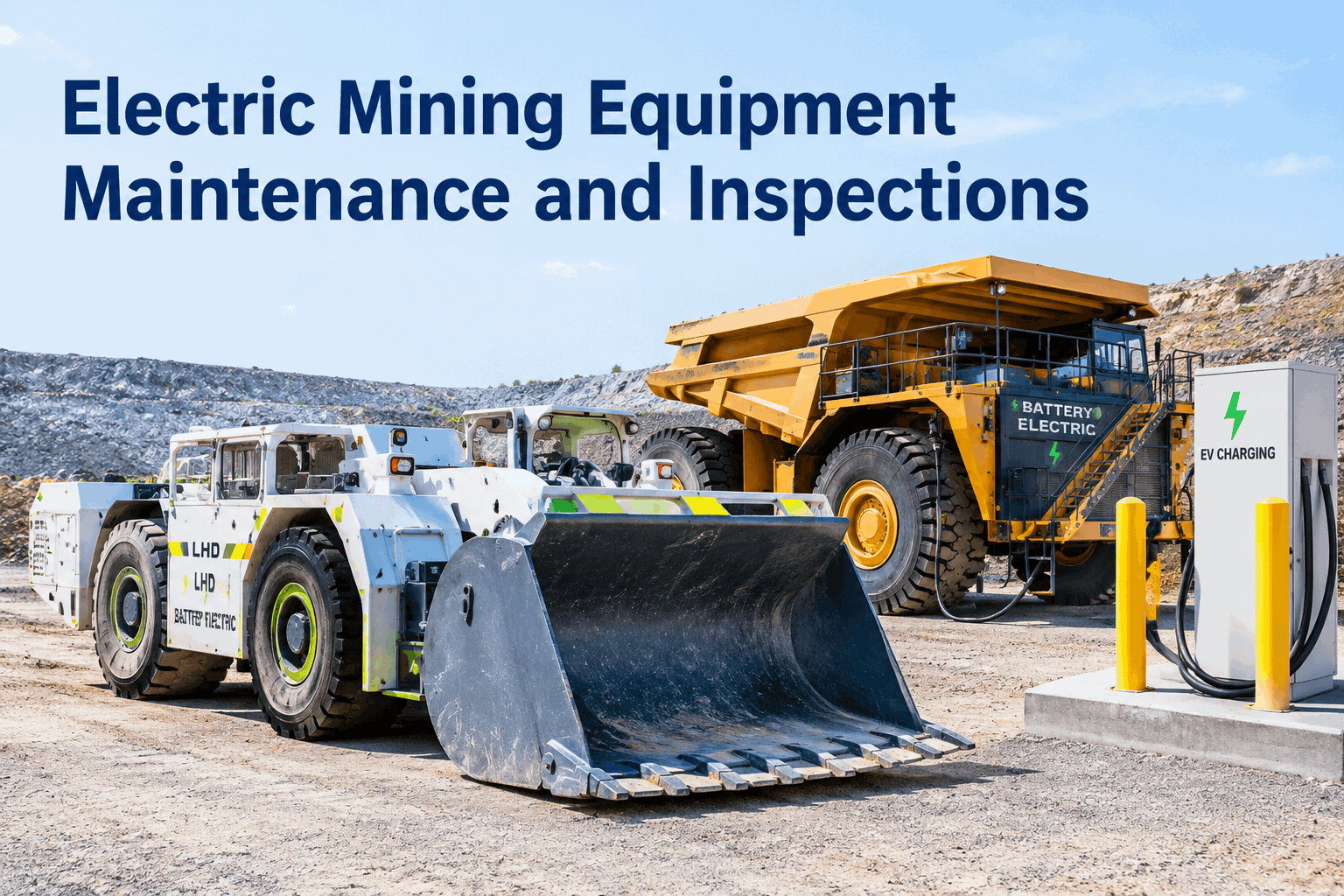
The first battery-electric LHD that rolls into your shop doesn't just drive differently — it retires half your inspection checklist and replaces it with a new one. No engine oil, no exhaust aftertreatment, no diesel PM intervals. Instead: an 800-volt battery, orange HV cable, a charging system, and a state-of-health number you now have to track. Electric mining equipment maintenance is less work in some places and entirely new work in others, and this page walks through exactly what changes. Then book a demo to see how HVI adapts to a mixed diesel-and-electric fleet .
Your Diesel Checklist Doesn't Fit a Battery-Electric Machine
As battery-electric LHDs and haul trucks enter the pit, inspections, PM, and service records all shift. Configure HVI for the new components — battery, high voltage, charging — without starting your whole system over.
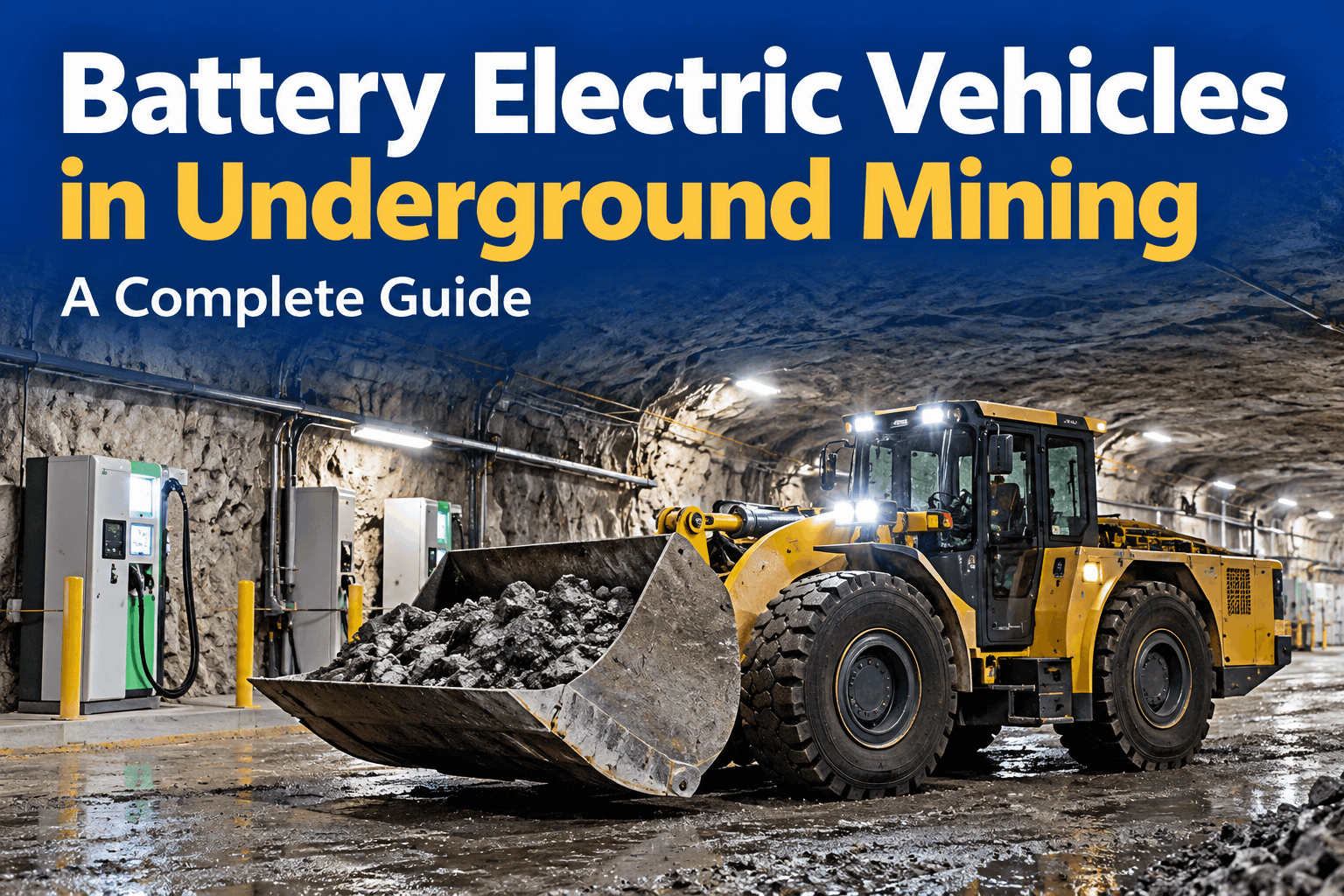
Mine electrification is no longer a pilot-project curiosity — battery-electric LHDs and haul trucks are running on real sites, underground and on surface, because they cut diesel particulate and ventilation load where it matters most. But the machine that's cleaner to run is also unfamiliar to maintain. A battery-electric mining machine has roughly half the moving parts of its diesel equivalent, which sounds like less maintenance — and in the drivetrain, it is. The catch is that the work doesn't disappear; it moves. It moves to the battery, to high-voltage systems rated at 400 to 800 volts, and to charging infrastructure that didn't exist on your site a year ago.
What the inspection actually changesdiesel vs. battery-electric — where the maintenance work moves
The fastest way to understand electric mining equipment maintenance is side by side with what you already do. Some lines come off the checklist entirely. Others get replaced by something new that your diesel program never had to think about.
The point isn't that electric is harder — it's that it's different, and a checklist built for diesel will quietly miss the things that matter most on a battery machine. HVI's configurable inspection templates let you build the new checklist per asset without throwing out the program you already run for your diesel fleet. Book a demo to see a BEV inspection template alongside your diesel one
The new things you have to watchfive systems a battery-electric mining machine adds to your inspection
These are the systems that don't exist on a diesel machine and that a battery-electric LHD or haul truck lives or dies by. Each one belongs on the inspection, each one needs its own records, and some carry real safety weight.
Battery & state of health
Module balancing, state-of-charge, and state-of-health (SOH) tracked per machine. SOH degrades to 70–80% over roughly 3,000–5,000 charge cycles — non-linear, so it has to be trended, not assumed.
High-voltage systems
HV interlock integrity, orange cable condition, insulation resistance, and emergency disconnect access. These run at 400–800V — inspected under proper isolation by trained, certified technicians only.
Charging system
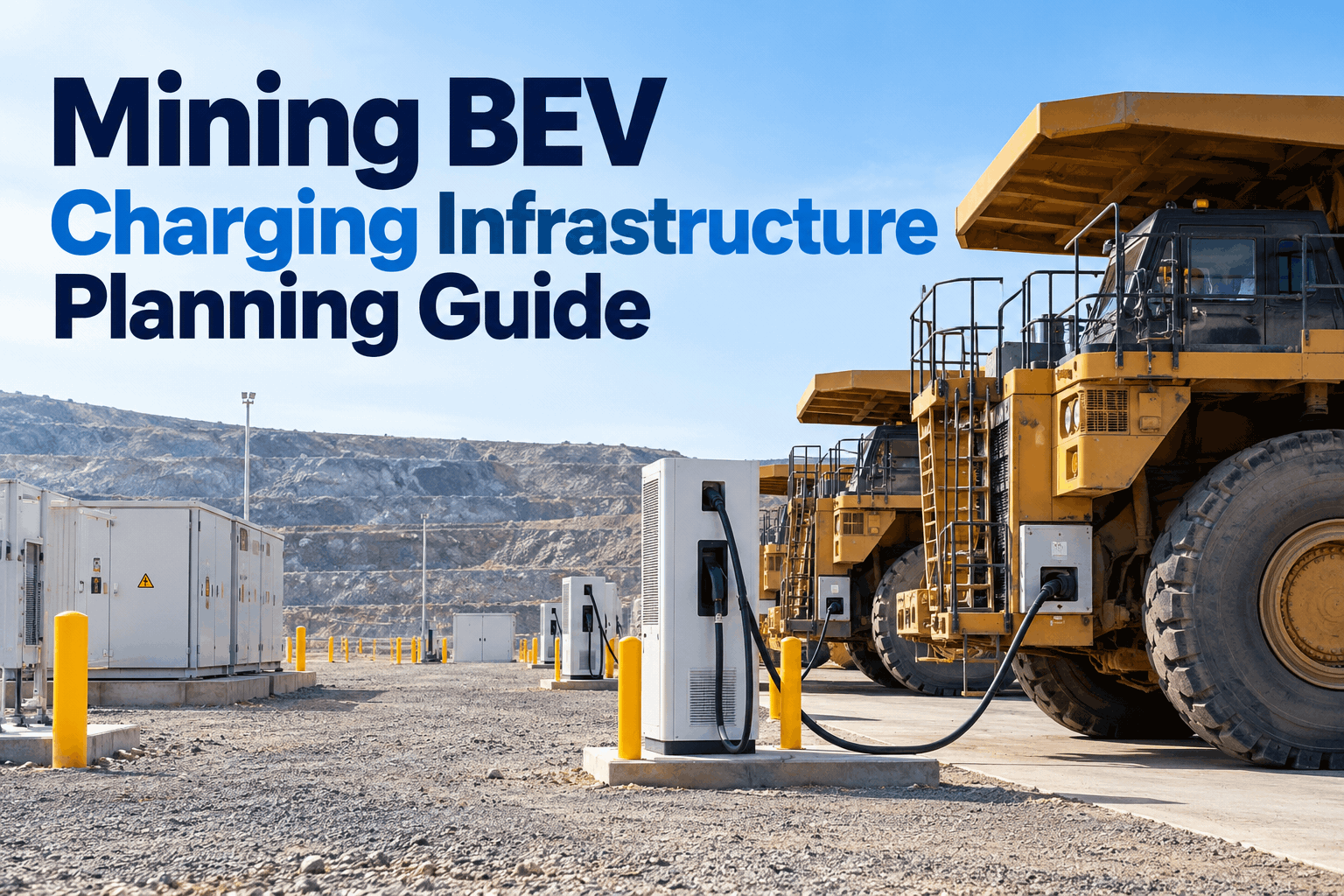
Charging port condition and connector wear on the machine; charger health on the infrastructure side. A charge draws 200–600+ kWh — a daily wear point that didn't exist on a fuel nozzle.
Thermal management
Battery coolant, cooling fans, temperature range, and checks for swelling or discoloration. A thermal anomaly isn't a note for later — it's an immediate out-of-service, logged and routed.
Inverter, motor & regen
Inverter inspection, electric motor bearing condition, and regenerative braking calibration. Fewer parts than a diesel driveline, but each one is new to your technicians and needs its own check.
Every one of these generates records a diesel machine never did — SOH curves, HV isolation sign-offs, charge-cycle counts. HVI holds them against the asset the same way it holds a diesel service history, so the two fleets live in one system. Start a free trial and build your first BEV checklist
What carries over — and what's newelectrification changes the power unit, not the whole machine
It's easy to overthink electrification. A battery-electric haul truck is still a haul truck: it has tires, brakes, a frame, a body, hydraulics, and a structure that all wear the same way they always did. The electric changes are real but bounded. Here's the honest split.
- Tire condition, pressure, and wear
- Service and park brakes, steering
- Hydraulics, cylinders, and hoses
- Frame, structure, and wear plates
- Bucket / tray / GET and ground tools
- Meter-hour PM scheduling logic
- Battery pack health & SOH trending
- High-voltage isolation & interlocks
- Charging port, connectors & infrastructure
- Thermal management & runaway checks
- Inverter, motor & regen braking
- Charge-cycle-based service triggers
That's the reassuring part: your existing inspection and PM discipline transfers directly to most of the machine. You're adding a new section, not learning a new trade from scratch — and the records system that already tracks your diesel fleet is the one that should carry the new section too. Book a demo to see how the carry-over and the new checks sit in one template
PM when there are no oil intervalsbuilding a preventive maintenance schedule for battery-electric mining equipment
Diesel PM is built around oil and filter intervals — 250, 500, 1,000 hours. Those don't exist on a battery machine, so the schedule has to be rebuilt around what actually wears: hours, calendar, and charge cycles. HVI triggers each the right way.
Mechanical checks that carry over — brakes, tires, hydraulics, structure — still fire on logged operating hours per machine.
Battery service and inspection tied to charge-cycle count and SOH thresholds, since degradation tracks cycles and heat, not engine hours.
Scheduled HV inspections, insulation testing, and safety-documentation reviews on fixed intervals — the compliance backbone a BEV program needs.
HVI generates the work order when any trigger is met and keeps the HV and SOH records attached, so the schedule is built on what the machine actually experiences. Meter and calendar PM scheduling adapts to electric assets without a separate system. Book a demo to map a BEV PM schedule
The battery-electric pre-shift checklistwhat a BEV LHD or haul truck inspection should cover before it works
This is the new daily walk-around for an electric machine — the carry-over mechanical checks plus the systems electrification adds. In HVI it's a guided, routed template so a battery or HV flag reaches the right certified tech the moment it's logged.
Always follow manufacturer guidance and site HV safety procedures — isolation, LOTO, and certified technicians — when inspecting or servicing high-voltage equipment. HVI holds the signed record; the procedure stays yours. Book a demo and see the BEV checklist and HV sign-offs live
From a maintenance manager running a mixed fleet
The honest surprise with our first electric LHDs wasn't that they were hard — it was how much of the machine was exactly the same. Tires, brakes, hydraulics, the structure: identical program. My guys already knew all of that.
What we actually had to build was the new section — the battery health curve, the HV isolation sign-off, the charge-cycle count. The mistake would've been running a separate system for the electric units. We kept them in the same inspection app as the diesel fleet, just with their own templates, and now a supervisor sees the whole mixed fleet on one screen. That's the thing nobody tells you: electrification is a records problem as much as a mechanical one.
Why the records matter more, not lesswhat good inspection discipline buys on an electrified fleet
Frequently asked questions
How is maintaining battery-electric mining equipment different from diesel?
The power unit changes completely: no engine oil, exhaust, or DPF, but new battery, high-voltage, charging, and thermal systems to inspect. The rest of the machine — tires, brakes, hydraulics, structure — carries over. Book a demo to see both in one template.
What new things need inspecting on an electric mining machine?
Battery state-of-health, high-voltage cables and interlocks, charging port and connectors, thermal condition (swelling, temperature), and the inverter, motor, and regen braking. Each needs its own records. See a BEV checklist in a demo.
How do you schedule PM without oil-change intervals?
You rebuild the schedule around hours (for carry-over mechanical checks), charge cycles and SOH (for the battery), and calendar intervals (for HV compliance). HVI triggers each the right way and generates the work order. Book a demo to map it.
Can one system handle a mixed diesel and electric fleet?
Yes — that's the whole point. HVI runs diesel and battery-electric assets in one records platform, each with its own configurable templates and PM, so a supervisor sees the full mixed fleet on one screen. Start a free trial or book a demo.
How does the software help with high-voltage safety and compliance?
It holds the signed records a HV program needs — isolation sign-offs, interlock checks, insulation testing, and out-of-service flags on thermal anomalies — attached to the asset and auditable. The procedure stays yours; HVI keeps the proof. Book a demo to see it.
Bring your electric fleet into the system you already trust
HVI lets you configure battery-electric inspections, charge-cycle and SOH-based PM, and signed high-voltage records per asset — while keeping your diesel fleet running in the exact same platform. As the pit electrifies, your maintenance records don't fragment; they grow into it. Live in under two weeks.
- Configurable BEV inspection templates
- Battery SOH & charge-cycle records
- High-voltage isolation sign-offs
- Diesel & electric in one system