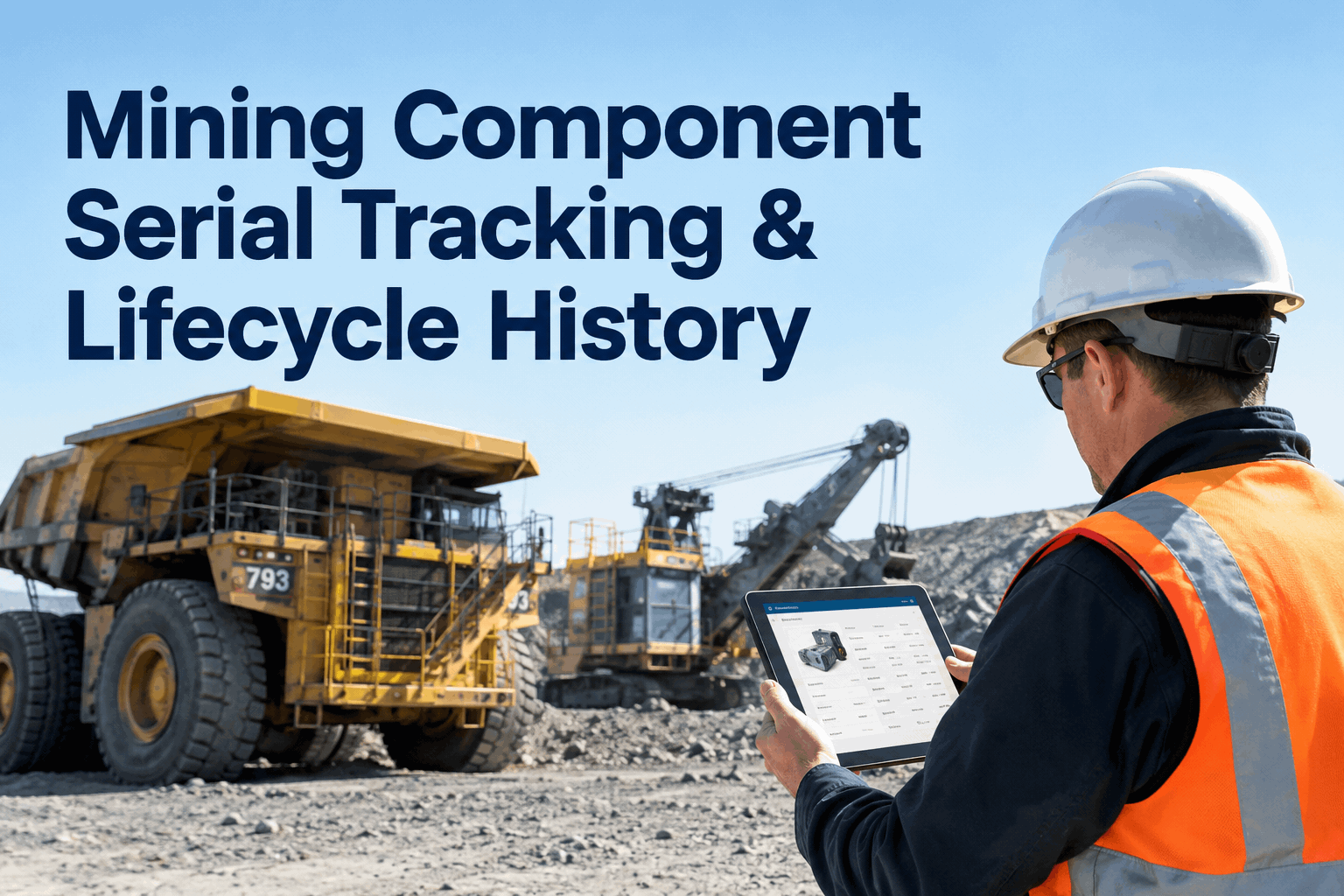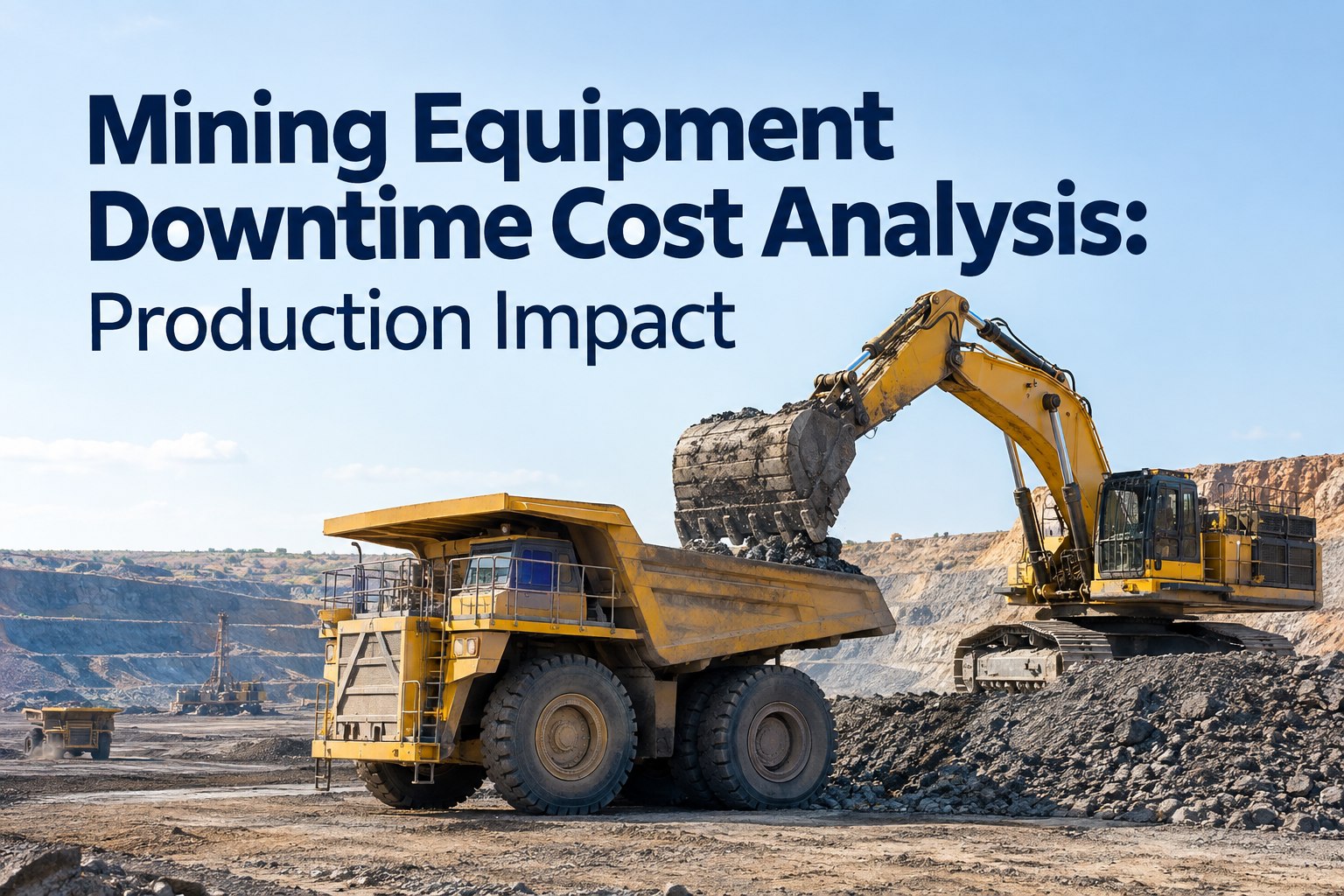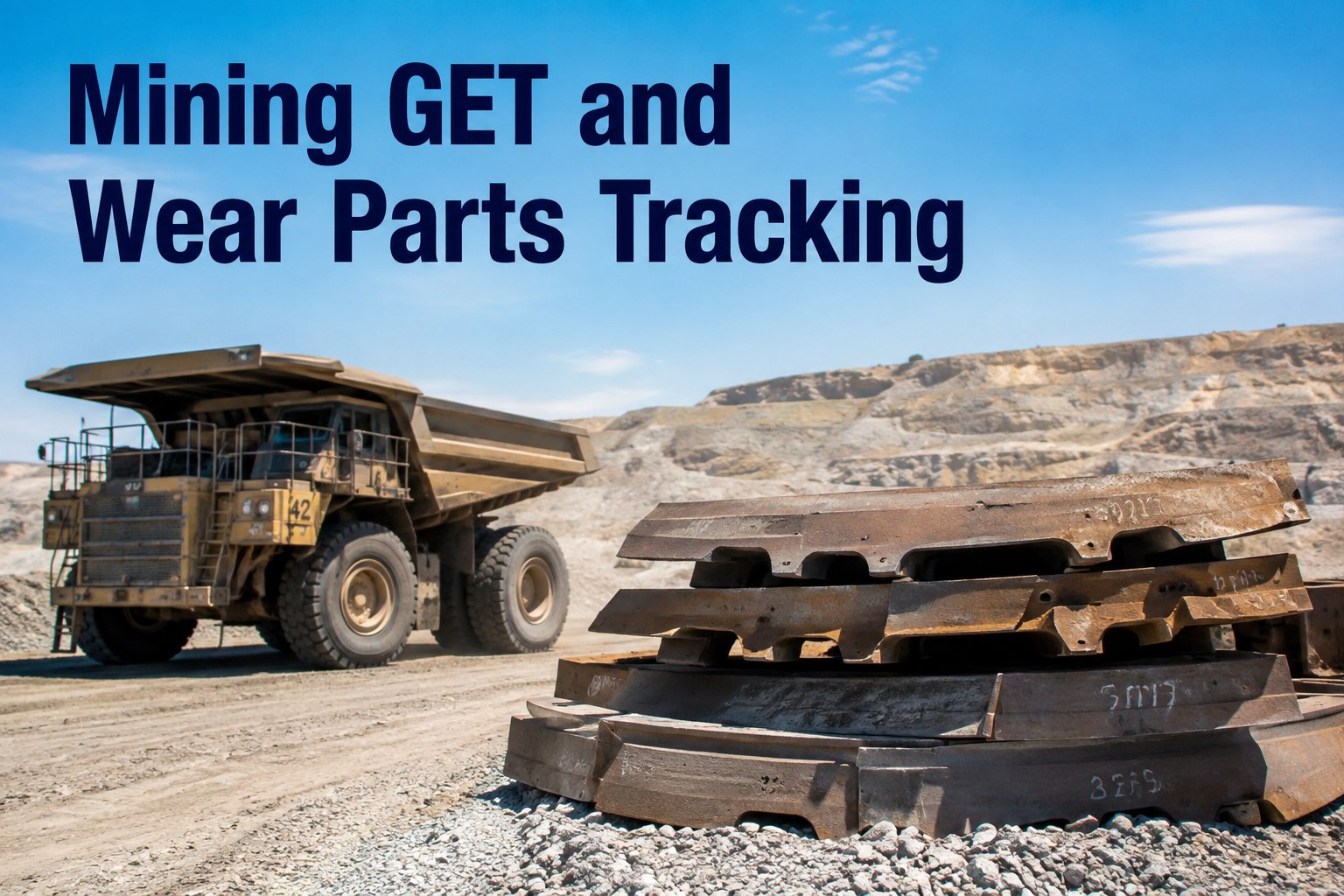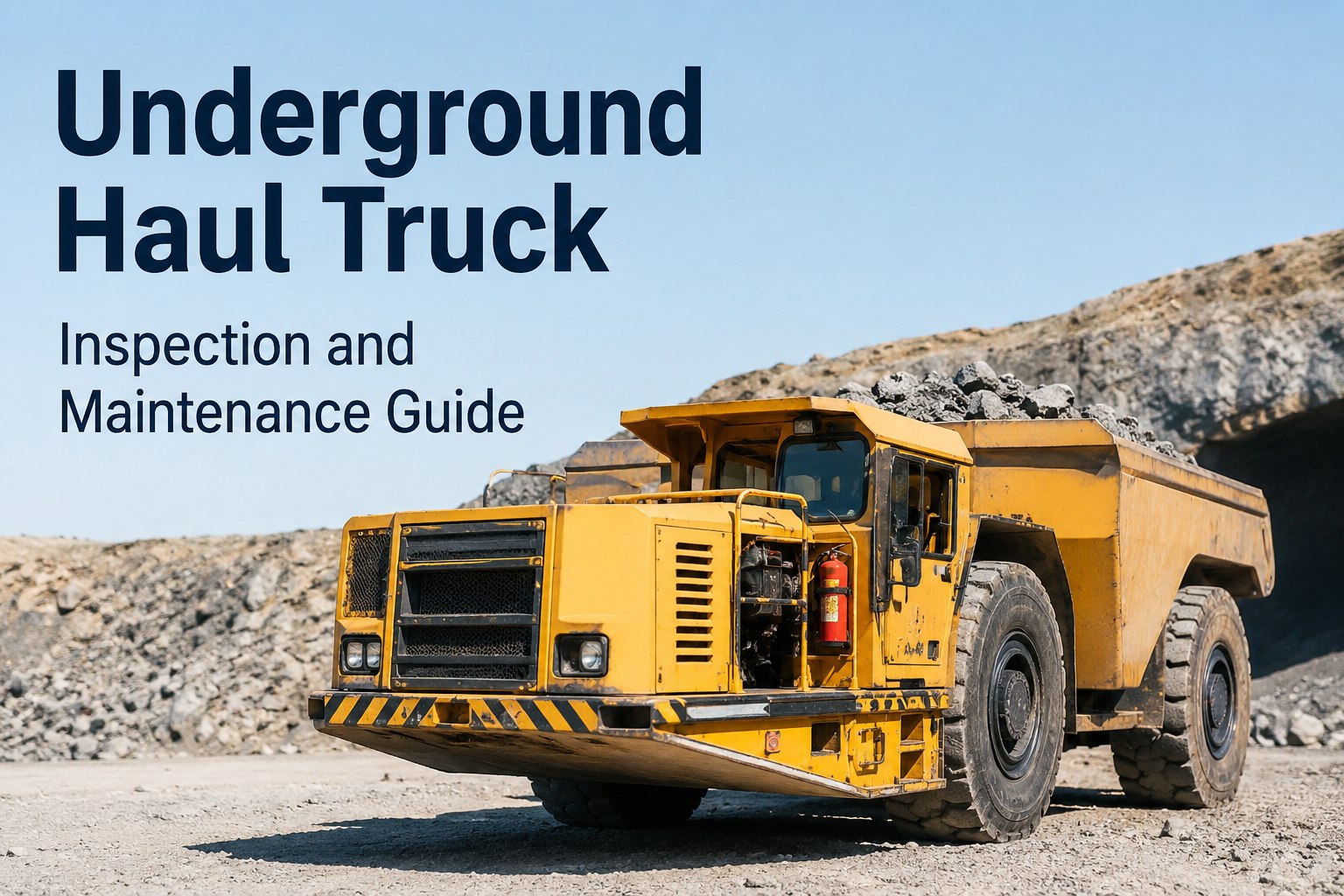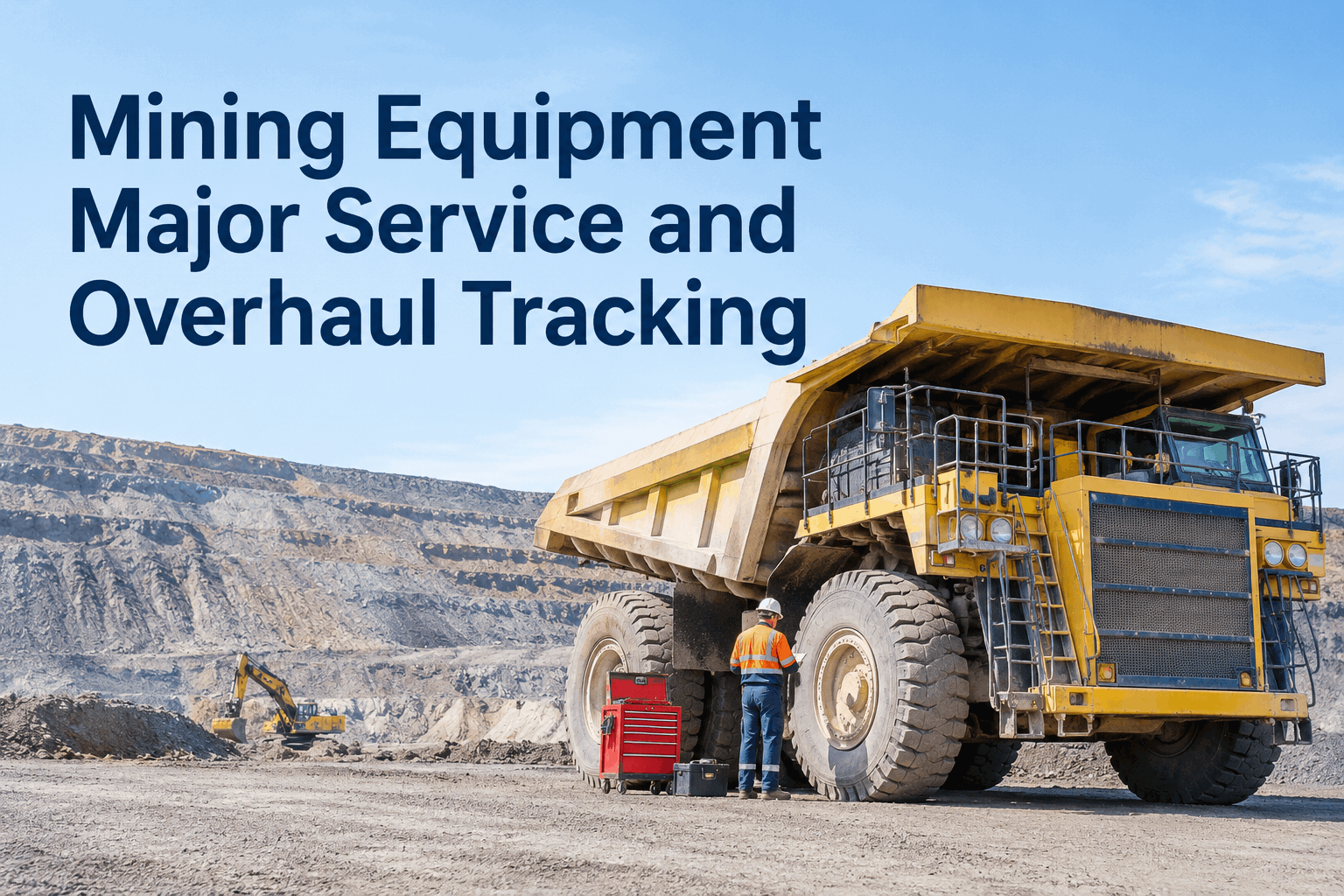
A haul truck doesn't fail on a calendar — it fails at 18,000 hours when the final drive you meant to rebuild at 16,000 lets go mid-shift. Mining equipment service tracking turns that $200,000 surprise into a planned rebuild in a window you chose, across every haul truck, shovel, loader, and drill. See how it works, then book a demo to map it to your fleet .
Track Every Major Service & Component Overhaul Before It Becomes a Breakdown
Engine hours, parts, labor, and full service history for haul trucks, shovels, loaders, and drills — one connected record that tells you what's been rebuilt and what's coming due.
Every one of those numbers is verifiable mining-fleet reality. Ultra-class haul truck downtime runs $5,000 to $20,000 an hour once lost production, idle crews, and the cascade onto shovels and the crusher are counted. An emergency repair costs roughly 4.8 times the same job done on schedule. And the reason failures turn into emergencies is almost never that the team didn't know the component was wearing — it's that the service history lived in a binder, three spreadsheets, and one supervisor's memory. Below is how a single connected record changes that.
Routine vs. major vs. overhaulthree tiers of mining equipment service, three ways they get missed
Mining maintenance isn't one activity — it's a stack of three, each on its own interval, each with its own cost and its own failure mode when it slips. Tracking them as one undifferentiated "service" is exactly why major overhauls get deferred until the component decides for you.
Routine Service
Oil and filter changes, greasing, fluid top-ups, quick condition checks. Low cost per event, high frequency. Missed because it feels skippable when the site is running hot.
Major Service
Deep inspections, valve adjustments, coolant and hydraulic system service, driveline checks, wear measurements logged over time. Moderate cost, needs a planned window and the right parts kit staged.
Component Overhaul
Engine rebuilds, final drives, transmissions, hydraulic pumps, suspension struts. Six-figure events. One missed overhaul window is the failure that halts the pit — and a final drive that lets go without warning is a ~$200,000 replacement.
The three tiers want different handling, but they share one requirement: an accurate, running hour count per machine and a history that doesn't disappear when a supervisor changes. HVI's preventive maintenance scheduling triggers each tier by meter reading, so routine, major, and overhaul events all surface on the same cadence the equipment actually runs. Book a demo to see tiered PM mapped to your machine classes
The overhaul clockwhat's wearing on a haul truck, and what it costs when it's a surprise
Every major component on a mining machine has a working life measured in hours. Track that life against live engine hours and an overhaul becomes a date on the calendar. Ignore it and the same rebuild arrives as an emergency at roughly five times the cost — plus the production the pit lost while the truck sat.
Shovels, draglines, loaders, and rotary drills carry their own overhaul clocks — dipper and bucket wear, hoist and crowd motors, drill compressors, dust-collection systems. HVI holds the full service history and component detail per asset where supported, so a reliability planner can open any machine and see what's been rebuilt, at what hour, with which parts. Hour-based PM intervals keep each clock visible instead of buried. Want it costed against your own machines? Book a demo
From hours to historyhow a tracked overhaul actually moves through HVI
The value isn't any single feature — it's the chain. Engine hours come in, a threshold trips, a work order opens with its parts and tasks already attached, the rebuild gets done and signed off, and the whole thing lands in a permanent history you can report on. Five steps, one platform, no handoff gaps where things get lost.
-
1
Capture engine hours
Hours come from operator daily reports or telematics/OEM integration. Each machine carries its own running meter — the clock every service interval counts against.
-
2
Threshold trips an alert
When a unit nears a routine, major, or overhaul interval, HVI flags it before it's due — advance notice by X hours or X days, so parts and a window can be arranged, not scrambled for.
-
3
Work order opens, pre-loaded
A work order generates with the standard task list and parts kit for that service already attached. The overhaul crew gets the scope, not a blank form.
-
4
Parts consumed, labor logged
Each part used deducts from inventory and links its cost to the job; labor hours and technician time are logged against the unit. Nothing about the rebuild's true cost goes unrecorded.
-
5
History & cost-per-hour update
The completed rebuild writes to the machine's permanent service history and feeds the analytics dashboard — cost per operating hour, cost per asset, what was rebuilt when. Audit-ready, planner-ready.
That unbroken chain is what spreadsheets can't reproduce. In a spreadsheet, the hours live in one file, the parts in another, and the history is whatever someone remembered to type. Here it's one record per machine, from the first hour to the last overhaul. Start a free trial and set up your first machine's overhaul schedule this week
The tracked-overhaul checklistwhat a complete major-service program captures — and most sites don't
Run your own program against this list. Every box a tracked system ticks is a box a binder-and-spreadsheet setup quietly leaves blank — and each blank is where a six-figure surprise hides.
Ticked every box already? You've built in spreadsheets what HVI does in one connected platform — and you're one key-person departure from losing it. Book a demo and see the whole checklist live on one screen
From a reliability planner who stopped chasing rebuilds
The number I watch now is hours-to-overhaul on every unit, side by side. Before, I honestly found out a final drive was overdue when it was already making noise — and on a haul truck that noise is a two-hundred-grand conversation.
Once the engine hours fed in automatically and the thresholds were set per component, the rebuilds moved into windows I picked. We didn't buy a single new truck. We just stopped being surprised. Our emergency-repair share fell off a cliff, and for the first time I could tell the GM the real cost per hour on each machine instead of a number I'd basically made up.
Why it pays for itself fastthe overhaul-tracking math for a mining fleet
Frequently asked questions
What is mining equipment overhaul tracking software?
It's a system that records routine services, major services, and component rebuilds against each machine's engine hours in one connected history. HVI tracks hours, service dates, parts, and labor per asset so teams can see what's been overhauled and what's coming due. Book a demo to see it on your fleet.
What engine-hour intervals should a mining haul fleet use?
Most fleets run a tiered schedule around 250, 500, 1,000, and 2,000 engine hours for routine and major services, with component overhauls set far longer by OEM spec. Severe duty — heat, dust, steep grades — tightens all of them. HVI lets you set each interval per machine class.
How does hour-based tracking prevent unplanned downtime?
By counting live engine hours against each component's known life and alerting you before a threshold, the rebuild becomes a planned window instead of a mid-shift failure. Systematic programs cut unplanned downtime 30–50%, and an emergency repair runs ~4.8× a planned one.
Does it work for shovels, loaders, and drills too?
Yes. The same hour-based service and component tracking applies to shovels, draglines, wheel loaders, and rotary drills — each with its own intervals and wear components. You can book a demo to map your full mixed fleet, not just haul trucks.
Can it keep service records for audits and compliance?
Every completed service writes to a signed, timestamped history per machine, with parts and labor attached — the kind of documented record audits and safety reviews expect. It stays intact through shift changes and staff turnover. See it in a demo.
Turn every rebuild into a date you chose
HVI captures engine hours per asset, triggers routine, major, and overhaul services against them, stages parts and logs labor on every job, and keeps a signed service history your planners and auditors can trust. Binders become one dashboard — cost per hour, rebuild history, and what's due next, per machine. Live in under two weeks.
- Live engine hours, per asset
- Routine, major & overhaul intervals
- Component-life & rebuild tracking
- Signed service history for audits