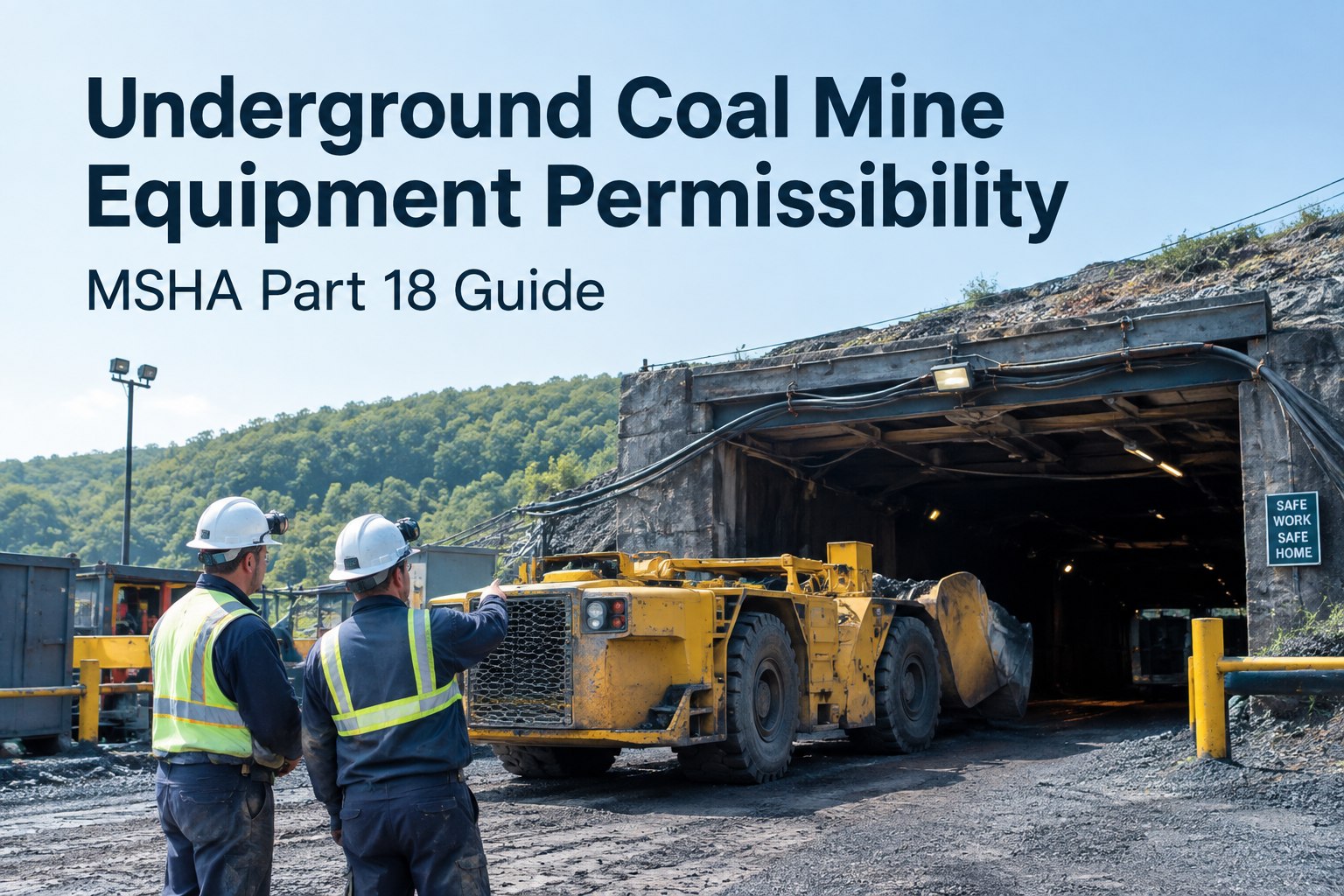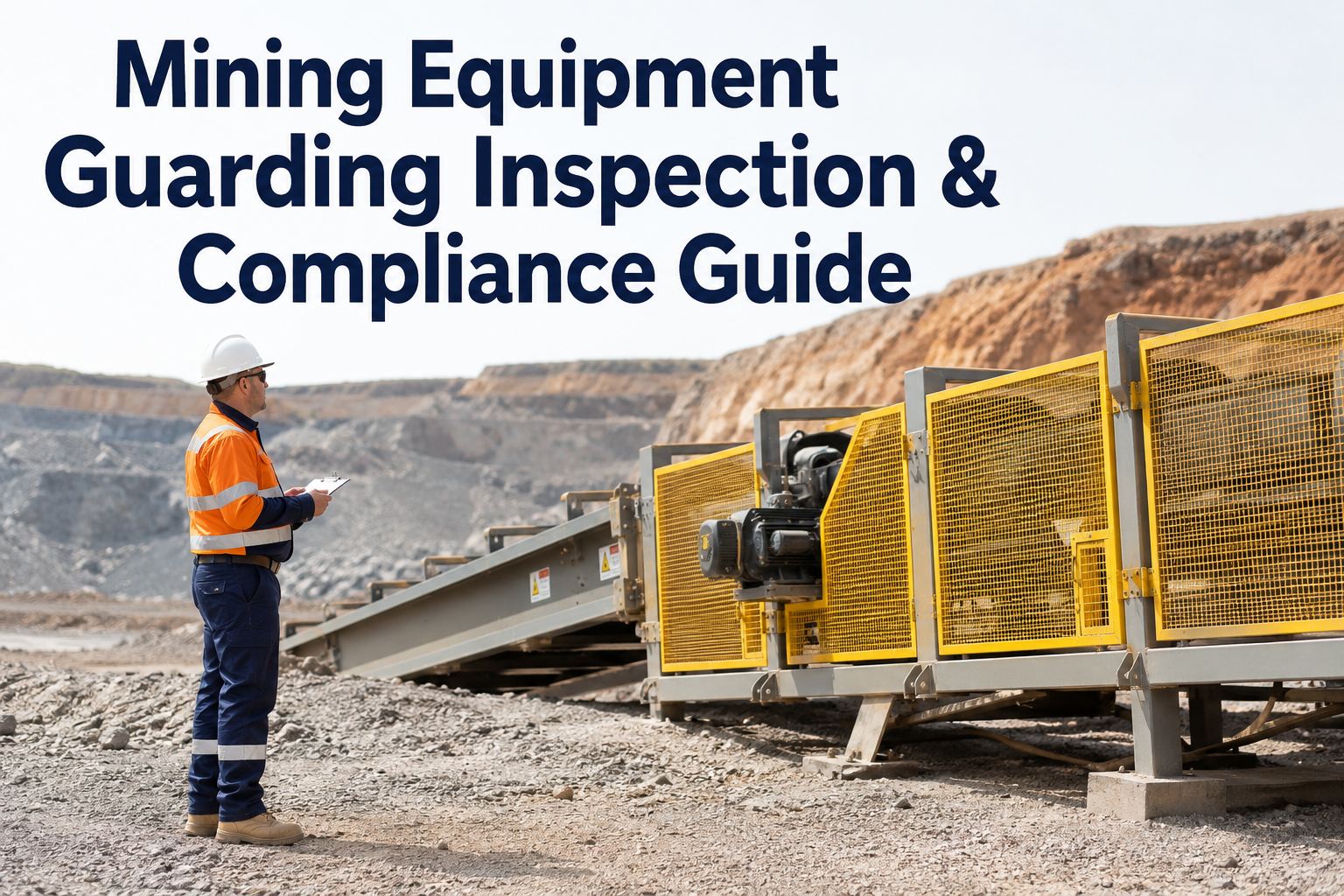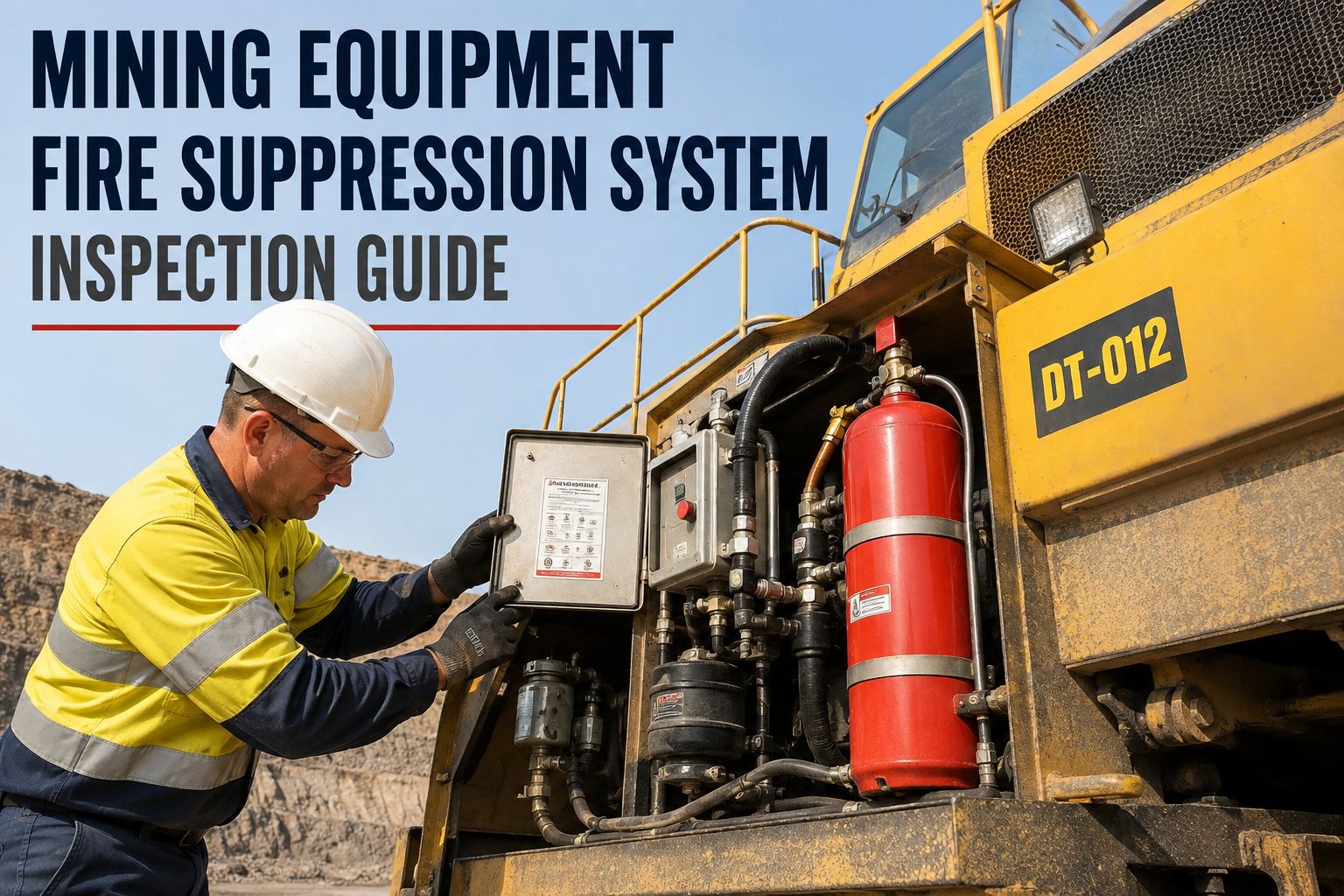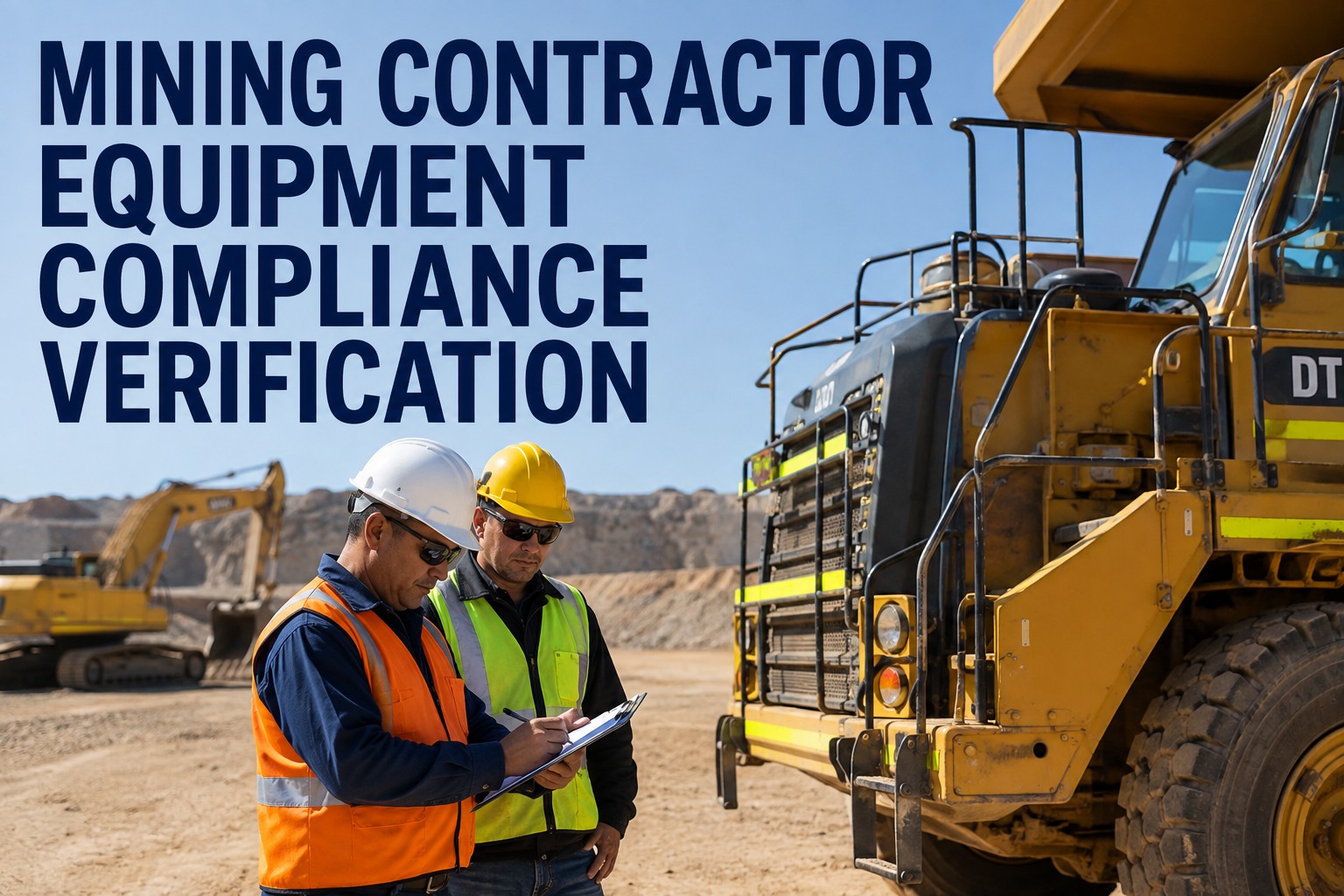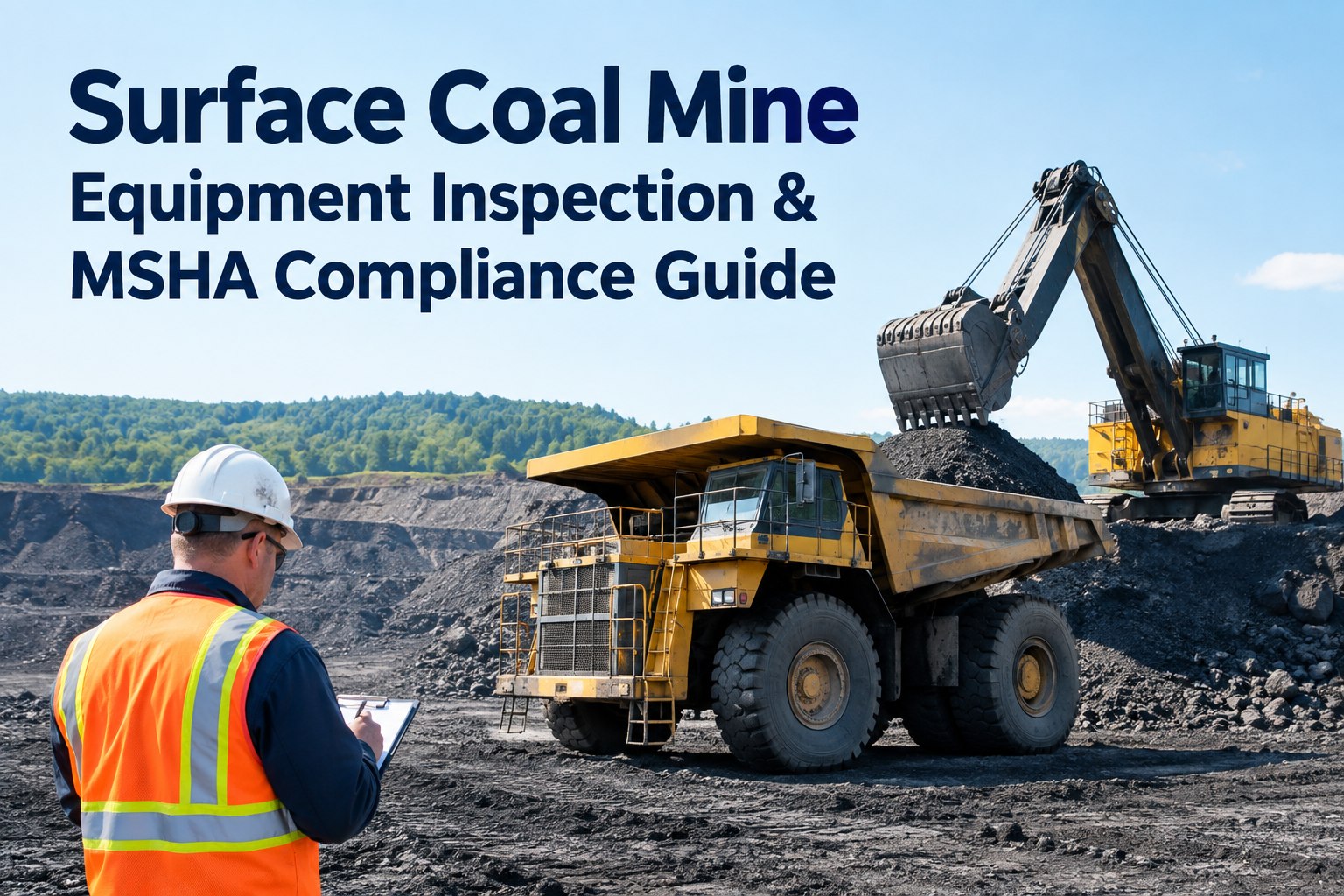
Here is the mistake that gets surface coal mines cited: someone downloads a "mining inspection" checklist, sees it references 30 CFR Part 56, and runs their fleet on it. But surface coal isn't Part 56 — it's Part 77, with its own competent-person and certified-person rules and Part 48 training on top. A surface coal mine equipment inspection program built on the wrong part of the code can pass your internal audit and still fail an MSHA one. This guide lays out the framework that actually applies to coal, and the records that make it defensible. Book a demo to see it mapped to your own equipment list.
Which part of 30 CFR governs your fleet?
Flip the mine type. Watch the citations that apply to the exact same 400-ton truck change underneath it.
- § 77.1606 Mobile loading & haulage equipment inspected by a competent person before it goes into operation; safety defects recorded and reported
- § 77.1713 Daily examination of each active surface area by a certified person, entered in a book and signed each day
- Subpart T (§ 77.2100–2104) Written safety program for surface mobile equipment
- Part 48 New-miner, experienced-miner, new-task and annual refresher training
- § 56.14100 Self-propelled mobile equipment inspected before being placed in operation each shift
- § 56.14101 / .14106 Brake and steering performance standards
- Subpart T (§ 56.23000–23004) Written safety program for surface mobile equipment
- Part 46 Training and retraining of miners
Different part, different citation numbers, different training rule. A checklist and training file built for one won't defend you under the other. The rest of this guide stays on the coal side. Book a demo to see coal templates loaded to your assets
Get the framework right and the surface coal mine equipment inspection program almost writes itself: the right people inspecting the right way, the right records kept in the right place. Get it wrong and you can run a genuinely safe operation that still can't prove it. Below is the coal-specific framework, the equipment that carries the most risk, the training records inspectors ask for by name, and where each piece of paper has to live.
Three records an MSHA inspector asks for by name
On the coal side, "we do inspections" isn't the standard. The standard is three distinct records, each tied to a different rule and a different qualified person. Miss any one and the gap shows up fast, because an inspector knows exactly which part of Part 77 to open. Here's the chain, in the order it actually happens on a working shift.
Competent-person equipment inspection
Before mobile loading and haulage equipment — haul trucks, loaders, dozers feeding the pit — goes into operation, a competent person inspects it. Defects affecting safety are recorded and reported to the mine operator. The record has to show the defect was found, who found it, and that it went somewhere.
Daily surface examination
At least once each working shift, a certified person examines each active working area and surface installation for hazardous conditions, and enters the date, the condition of the area, and any hazard found into an approved book — signed each day. This is the record that ties the equipment story to the workplace story.
Written mobile-equipment safety program
Since July 17, 2024, every surface coal operator and covered contractor must have a written safety program for surface mobile equipment, with a named responsible person who reviews and updates it. It isn't submitted for approval — but inspectors read it on site, and it's expected to reflect how you actually run.
The failure mode is almost never "we didn't inspect." It's that the inspection lived on a clipboard, the defect got fixed by text message, and nobody can connect the found-it to the fixed-it two months later. When those three records are separate paper trails, proving they line up is the hard part — and it's exactly where a connected system earns its keep. Start a free trial and the inspection, the defect, and the work order become one timestamped record instead of three.
The coal equipment profile: where a single failure hurts most
Surface coal runs a mixed fleet, and the machines aren't interchangeable on risk. A pickup down for a day is an inconvenience. A dragline down is a stripping schedule in freefall. When you decide where inspection discipline matters most, follow the production chain — strip, load, haul, prep — and the dollar figures sort themselves out.
Draglines & electric shovels
The stripping and digging backbone. High-value, hard to replace, and when one stops, overburden removal stops with it. Structural, rope, and electrical checks dominate the inspection here, not brake pads.
Coal haul trucks
The powered-haulage category MSHA watches most closely. Brakes, steering, tires, and fire suppression are the safety-critical items — and a truck queue behind a downed loader burns fuel producing nothing.
Dozers & graders
They keep haul roads and benches drivable, which means their condition quietly governs everyone else's safety. Undercarriage, blade, hydraulics, and ROPS integrity are the watch items.
Blasthole drills & loaders
Drills open the coal for recovery; loaders feed the trucks. Both sit in Part 48's new-task list, so operator training records matter as much as the mechanical check on these units.
Each machine type needs its own checklist — running a generic form on a dragline misses the items an inspector checks first, and running a highway DVIR on a haul truck misses fire suppression and ROPS entirely. Asset-specific templates aren't a nicety on coal; they're how you avoid inspecting the wrong things well. Book a demo to see per-asset coal templates in action
Part 48 training records: the file inspectors open next
Here's what surprises operators moving from metal/nonmetal to coal: the equipment can be flawless and you can still be cited — on the training file. Surface coal training runs under Part 48, not Part 46, and the categories are specific. An operator running a machine they haven't been task-trained on is a finding whether or not anything broke.
The pattern across all four is expiry. Training compliance on coal isn't a one-time box; it's a rolling set of dates that quietly go stale. When certificates live in a binder or a spreadsheet, nobody sees the lapse until the inspector does. Tying each operator's training status to the equipment they're cleared to run — and flagging expirations before they hit — is the difference between a clean file and a scramble. Book a demo to see training-and-certificate tracking with expiry alerts
Where each record has to live to survive an audit
MSHA inspects each surface mine at least twice a year, and visits arrive without a scheduled date — so readiness has to be a permanent state, not a pre-inspection cleanup. The trouble with paper isn't that it's wrong; it's that it's scattered. The inspection is in the cab, the defect is in a text thread, the repair is in the shop's head, and the training cert is in a filing cabinet in the office trailer. Proving they connect, on the spot, is the whole game.
When a request comes in for every equipment record on a given unit across a date range, a paper system has no fast answer — and "the inspection happened, we just can't find the paper" is treated as non-compliance either way. One connected record per asset, exportable on demand, is what turns an audit from a fire drill into a thirty-second hand-off.
From a maintenance superintendent who made the switch
We came off a metal/nonmetal operation running Part 56 forms and just carried them over to the coal side. Passed our own internal audits fine. Then an MSHA inspector asked for the 77.1606 records on two haul trucks and the daily exam book entries that matched, and we spent a full day pulling paper across three trailers to prove things we'd actually done.
The fix wasn't more paper. It was getting the inspection, the defect photo, the work order, and the operator's training status onto one screen per truck. Now when they ask, I export the unit and hand over the tablet. The records were never the problem — finding them was.
Surface coal mine equipment inspection FAQs
Does a surface coal mine follow Part 56 or Part 77?
Surface coal mines are regulated under 30 CFR Part 77 — Mandatory Safety Standards, Surface Coal Mines and Surface Work Areas of Underground Coal Mines. Part 56 applies to surface metal and nonmetal mines, not coal. This distinction matters because the specific citation numbers differ: mobile loading and haulage equipment inspection sits under § 77.1606 for coal, while the equivalent metal/nonmetal rule is § 56.14100. Training also splits — coal follows Part 48, metal/nonmetal follows Part 46. A checklist, recordkeeping approach, or training file built for one program will not correctly defend an operation regulated under the other. If you are unsure which framework applies to a specific site, confirm the applicable standards directly with MSHA, since coverage can depend on the material mined and how the site is classified.
Who is allowed to inspect equipment at a surface coal mine?
Under § 77.1606, mobile loading and haulage equipment must be inspected by a competent person before it is placed in operation, with safety-affecting defects recorded and reported to the mine operator. Separately, § 77.1713 requires that a certified person designated by the operator examine each active working area and surface installation at least once during each working shift for hazardous conditions, and record the results in an approved book that is signed each day. These are distinct roles with distinct records — the equipment inspection and the daily surface examination are not the same document, and an inspector may ask to see both. Operators should make sure the people performing each function meet the competent-person and certified-person requirements that apply to their operation.
What is the written safety program for surface mobile equipment?
Effective January 19, 2024, with compliance required by July 17, 2024, MSHA requires mine operators and covered independent contractors to develop and implement a written safety program for surface mobile equipment (belt conveyors excluded) at surface mines and surface areas of underground mines. For surface coal, this lives in Subpart T at § 77.2100 through § 77.2104. The program must be built with input from miners, identify hazards and risks associated with surface mobile equipment, and name at least one responsible person to evaluate and update it. Operators are not required to submit the program to MSHA for approval, but inspectors review it on site during regular inspections, so it should genuinely reflect how the operation runs rather than sit as a template in a drawer.
What training records does a surface coal mine need for equipment operators?
Surface coal training falls under 30 CFR Part 48. The records inspectors most commonly ask for include new-task training for miners assigned to operate mobile equipment, drills, or haulage systems for the first time (under § 48.27, waived only if the miner was trained and demonstrated safe operation on that task within the previous 12 months); experienced-miner training for anyone newly employed, transferred in, or returning after more than 12 months away (§ 48.26); and annual refresher training for every miner. Selected supervisors at surface coal mines also carry a first-aid training requirement under § 77.1706. Because each of these carries an expiration or a trigger event, the practical challenge is tracking dates so a certificate never lapses on an active operator — a lapsed cert is a common finding even when the underlying training was genuinely completed at some point.
How often does MSHA inspect a surface coal mine?
MSHA is required to inspect each surface mine at least twice a year, and each underground mine at least four times a year, for health and safety compliance. Additional inspections can be triggered by complaints of hazardous conditions, accidents, or targeted enforcement programs, and mines with elevated hazard or violation histories may see more frequent visits. Because inspections arrive without a scheduled date, inspection readiness has to be a standing condition rather than something you prepare for a specific day. In practice that means every asset should have its inspection records, defect history, corrective actions, and operator training status available on demand at any time — incomplete or unlocatable documentation is treated as non-compliance during an inspection regardless of whether the underlying work was actually done.
Make your surface coal mine equipment inspection records audit-ready by default
HVI puts asset-specific coal templates, offline inspection capture, photo-verified defects, defect-to-work-order routing, and Part 48 training records with expiry alerts on one platform — so the 77.1606 inspection, the 77.1713 daily exam trail, and the operator's training status all live together per unit. When MSHA asks, you export and hand over the tablet.
No credit card · Coal templates ready on day one · Records exportable on demand