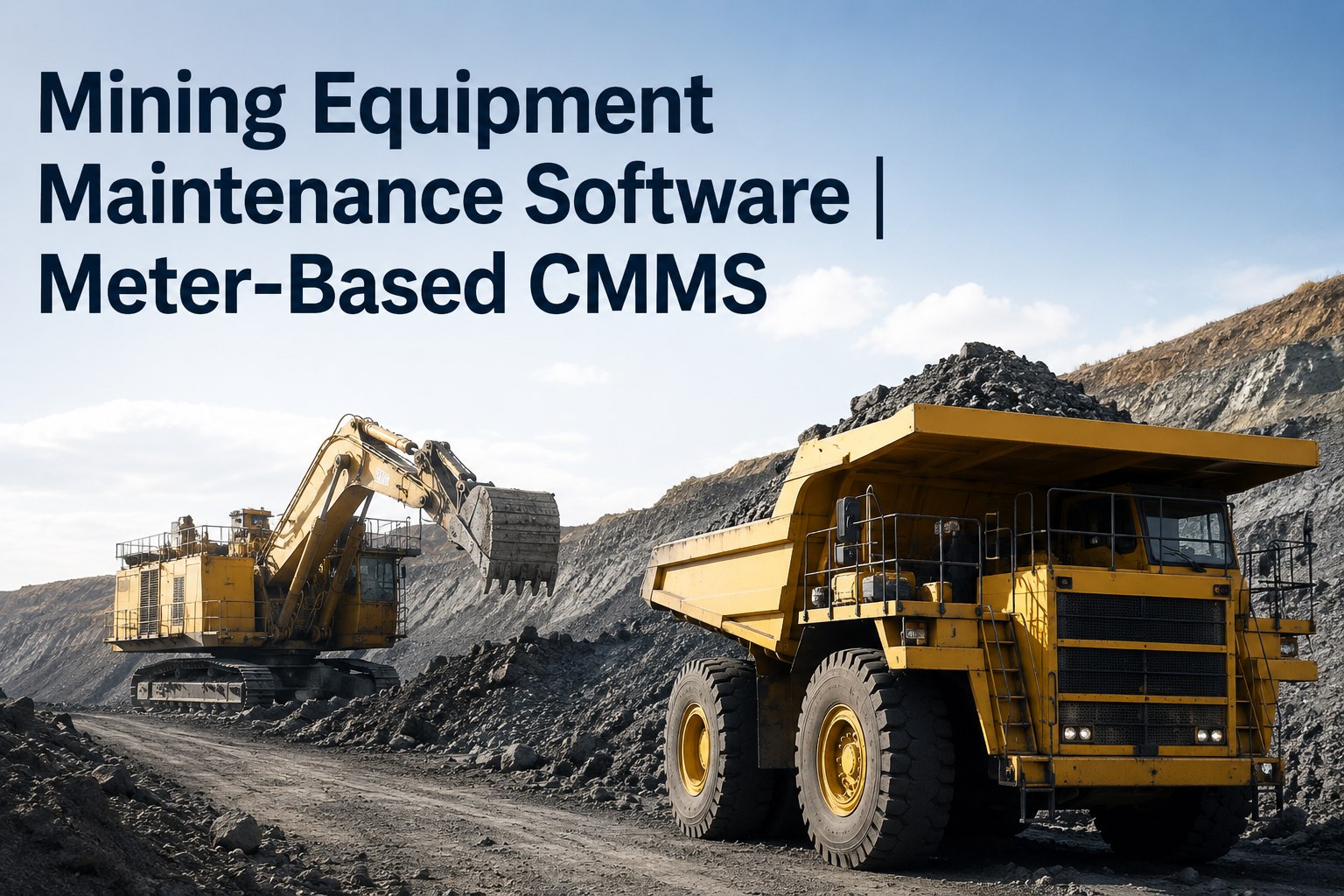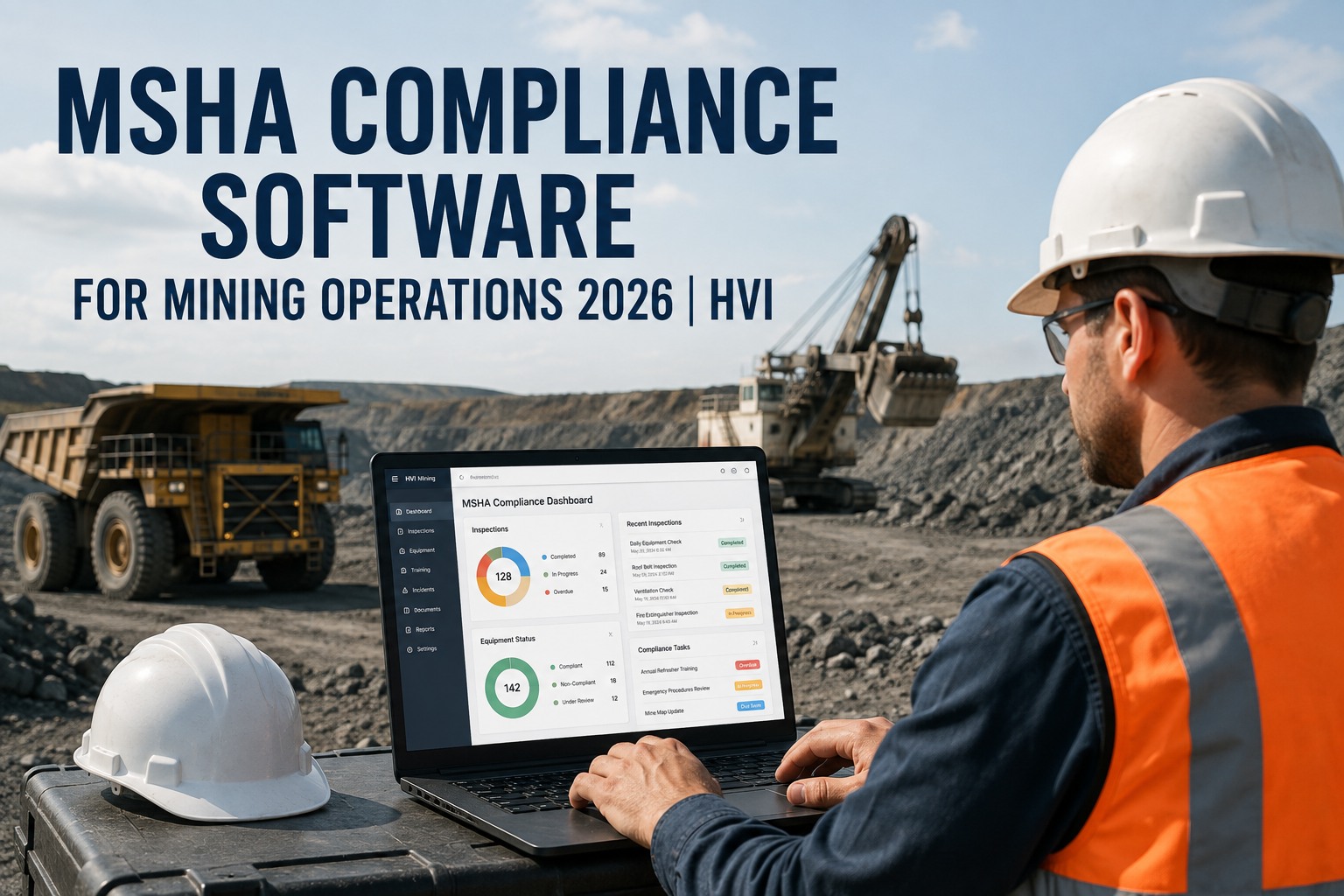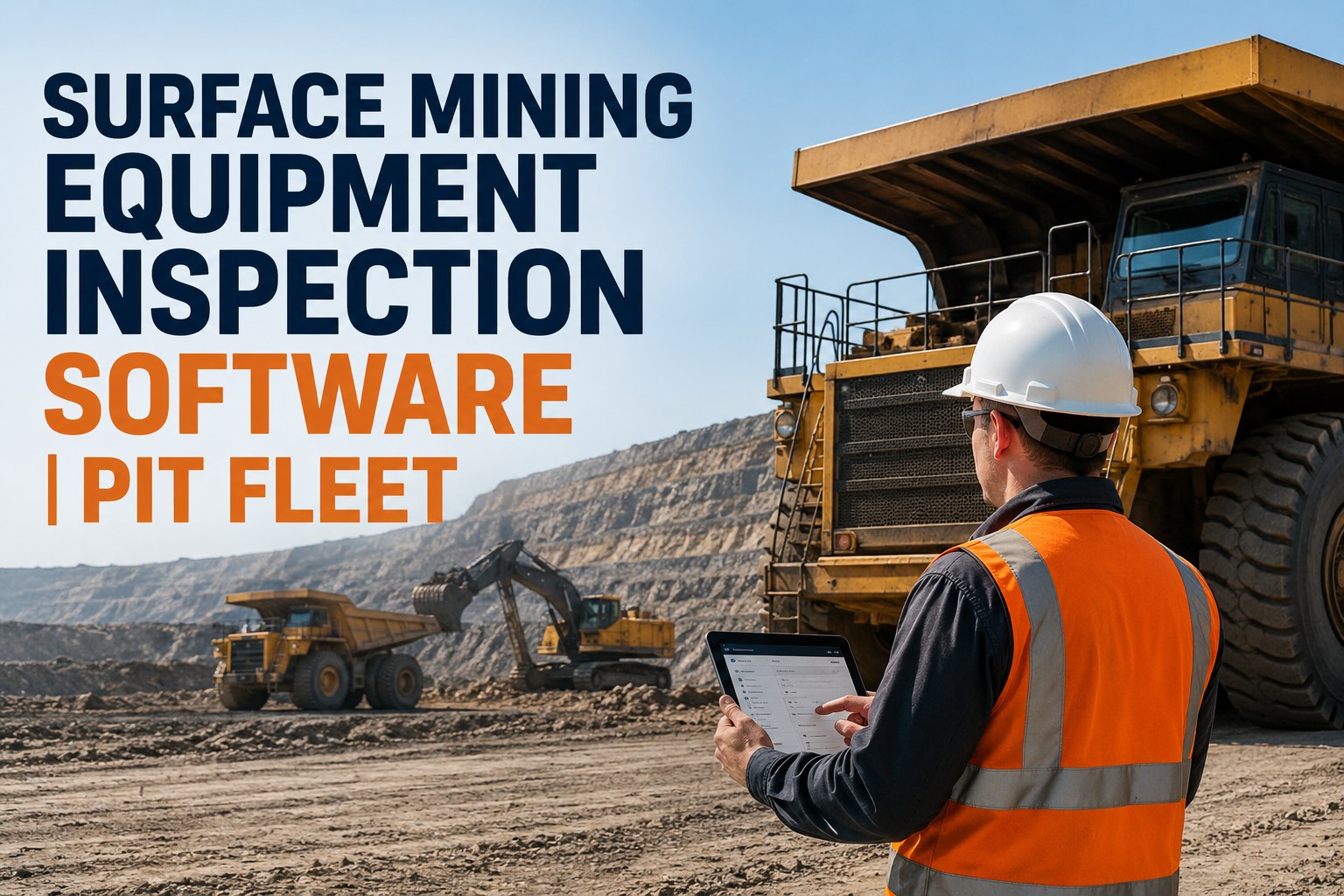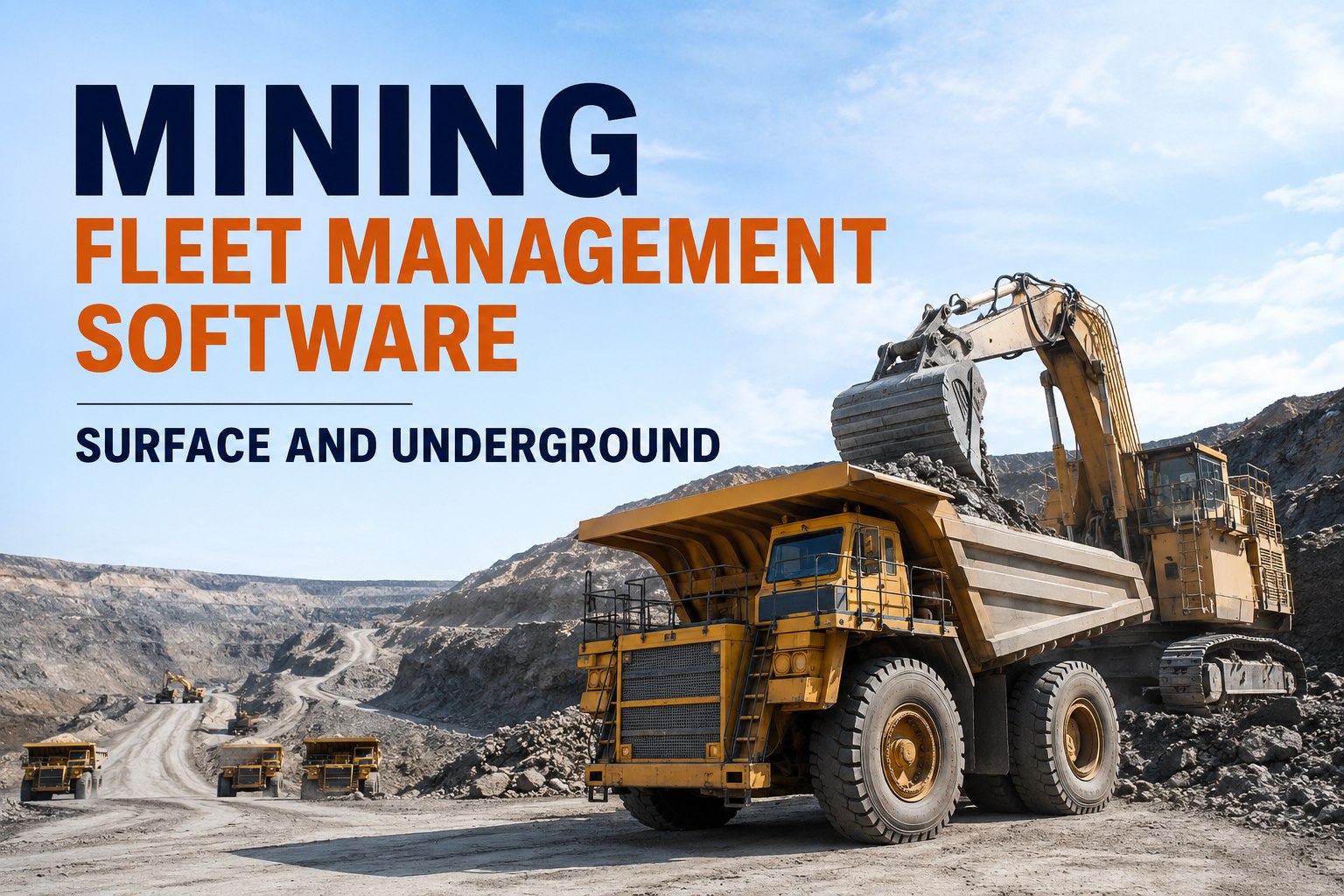
Your haul trucks are not a fleet problem in the usual sense — you might run forty machines, but each one costs more than a small trucking company's entire yard, and every hour one sits dead in the pit costs you real production. That is why mining fleet management software has to work differently from a standard fleet tool: you are not tracking many cheap assets, you are protecting a handful of extremely expensive ones where availability is the whole game. The gap between a good operation and an average one is not the brand of truck on the bench — world-class sites run 92 to 94 percent haul truck availability while the industry average sits at 75 to 82 percent, and the difference comes down to inspection and maintenance discipline, not equipment choice. This page breaks down where that gap comes from, what visibility across pit, plant, workshop and underground actually looks like, and how a reporting cadence measured in shifts rather than months changes what a superintendent can act on. If you want to see this running on your own units, you can walk through it on a live demo with your real fleet structure.
Every hour a haul truck sits down costs you production you never get back
One platform across pit, plant, workshop and underground. Inspection status, PM due, open defects, fuel burn and cost per machine — visible during the shift, not in a monthly report that arrives too late to change anything.
Why mining fleet availability is a discipline problem, not an equipment problem
Two sites running the same trucks, the same payloads and the same shift patterns can sit ten points apart on availability. The difference is almost never the machines. It is whether defects get caught at the pre-start inspection or at the breakdown, whether PMs fire on engine hours or get pushed a week, and whether the workshop sees a problem coming or finds out when the truck is already parked.
Availability spread
The gap between world-class (92–94%) and average (75–82%) haul truck availability. On a 20-truck fleet that is two to four extra trucks' worth of capacity sitting in the shop instead of the pit.
Cost per down day
A single large haul truck out of service for a day means lost payload, a parked excavator with nothing to load, and an operator standing by. Unplanned downtime on heavy plant routinely runs into five figures per machine per day.
Reactive vs planned cost
A failed component caught at breakdown costs three to five times more than the same repair done as a planned PM — you pay for the secondary damage, the emergency freight on parts, and the lost production on top of the part itself.
Monthly report lag
If your fleet numbers arrive in a month-end pack, every decision you make is based on what was true four weeks ago. By then a creeping defect has already become a failure and a missed PM has already become a warranty argument.
What mine site fleet management actually needs to see
A mining operation is not one fleet — it is four environments with different machines, different failure modes and different people touching the data. If your system only covers one layer, you are managing the site with three blind spots.
Pit and surface fleet
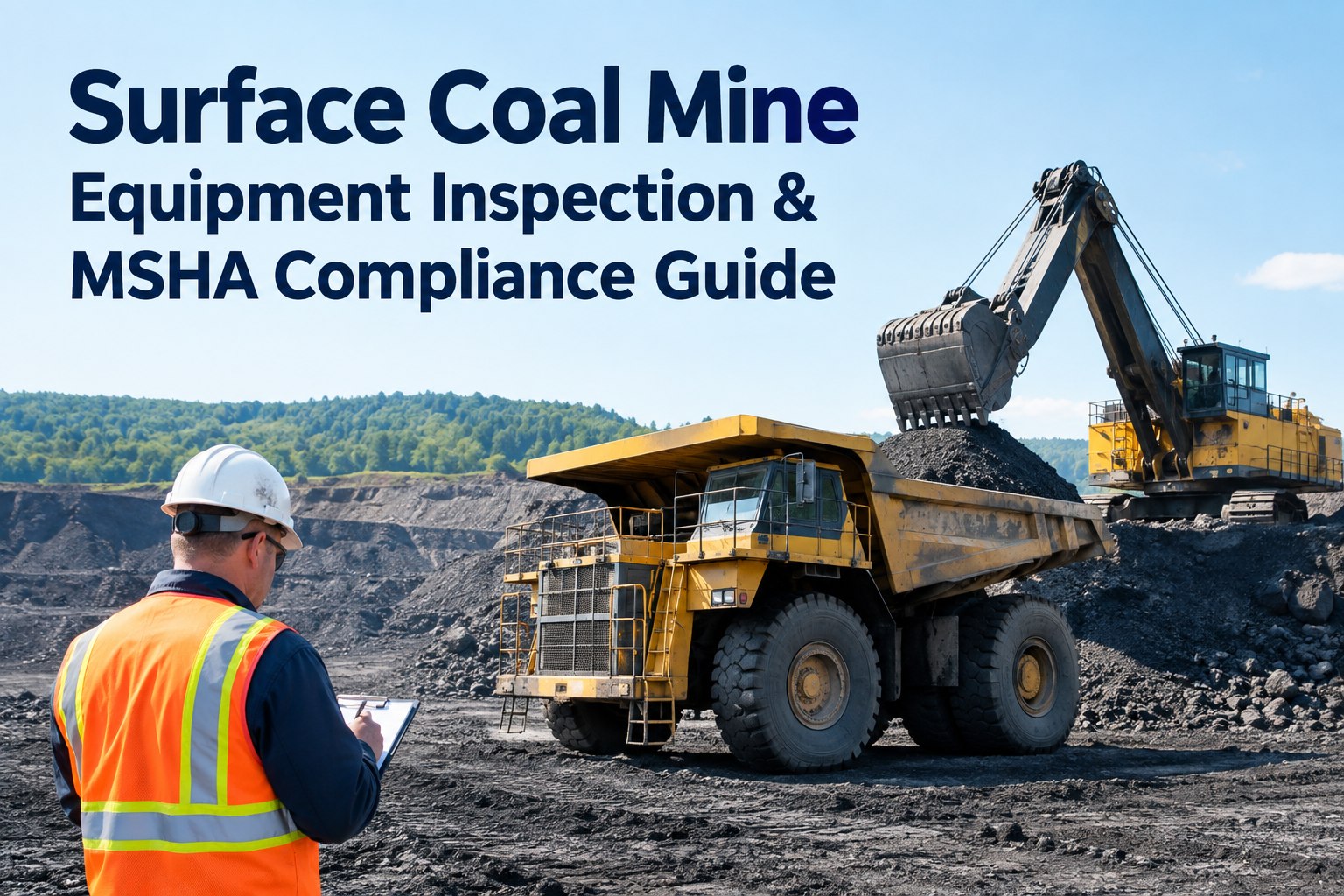
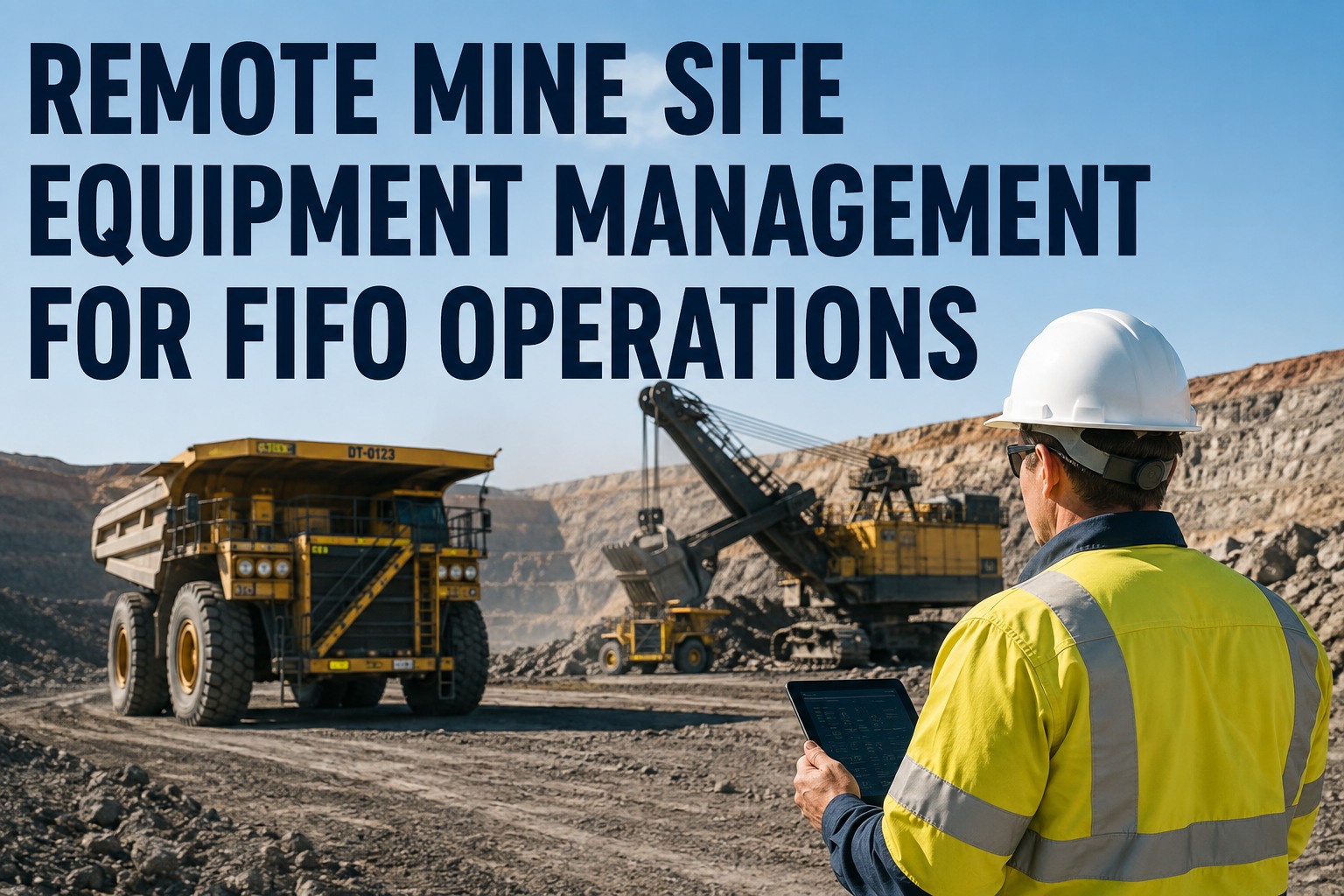
Haul trucks, excavators, loaders, dozers, graders and water carts. This is where availability is won or lost. You need pre-start inspection status per unit, open defects ranked by severity, PM due by engine hours, and a live view of which machines are down, why, and for how long. A supervisor should see at 6 AM which trucks passed their pre-start and which are carrying a defect that will park them by smoko.
Fixed plant and processing
Crushers, conveyors, screens, pumps and wash plant. These assets do not move, but they stop everything upstream when they fail. They need the same inspection discipline as mobile plant — scheduled checks, meter-based PMs, defect capture with photos — because a downed crusher idles the entire pit behind it. Most fleet tools ignore fixed plant entirely, which is why it ends up tracked in a spreadsheet on the plant supervisor's desk.
Workshop and maintenance
This is where inspection data turns into work orders, parts get pulled, and labour gets booked against assets. The workshop needs defects to arrive as structured work orders with photos and operator notes — not as a text message, a radio call, or a greasy paper tag. It also needs parts inventory tied to the work order so a fitter does not strip a machine and then discover the filter kit is not on the shelf.
Underground fleet
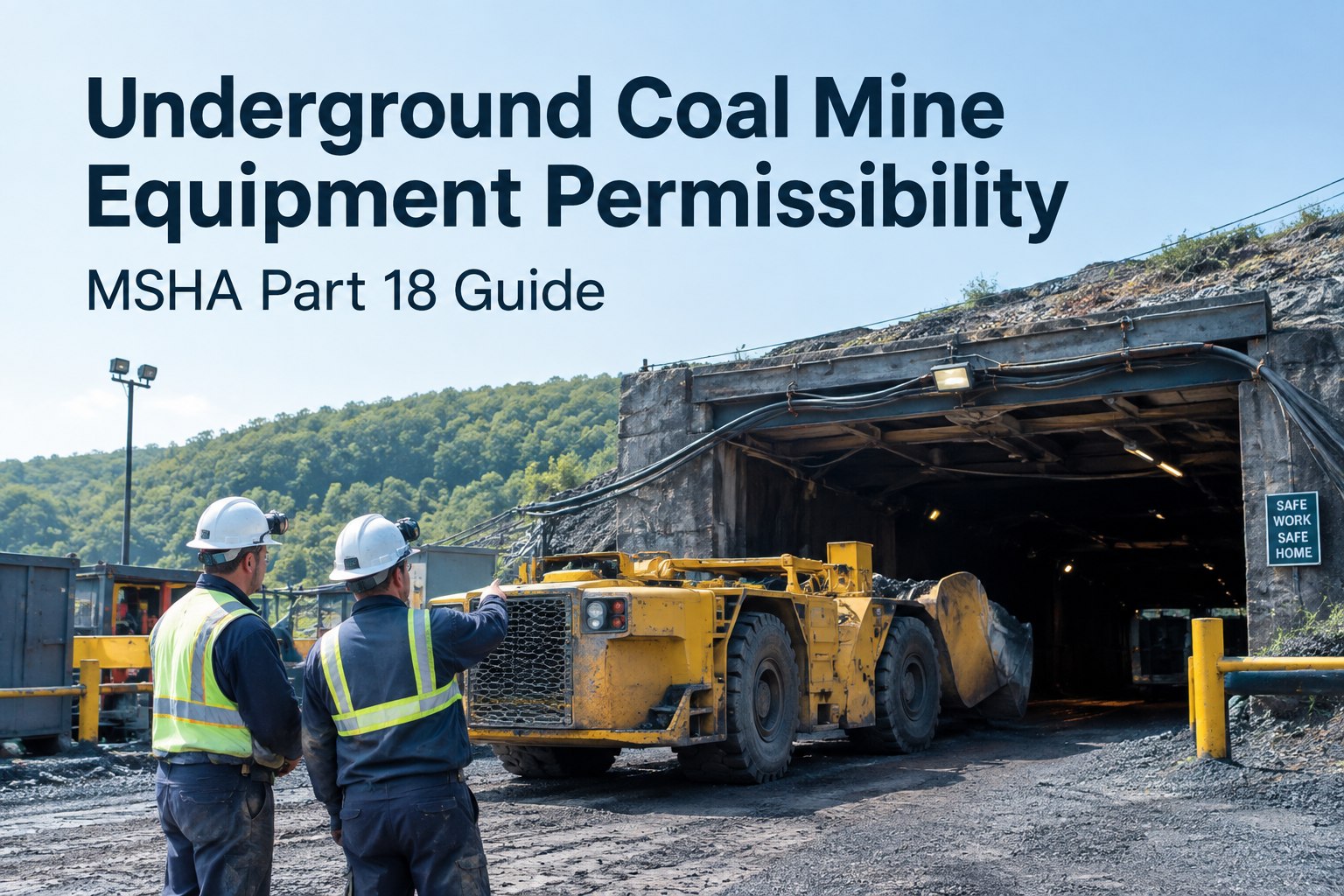
Boggers, jumbos, bolters, shotcrete rigs and light vehicles working where there is no phone signal and no margin for a breakdown in a decline. Underground fleet management needs inspections that work offline and sync when the device comes back to the surface, plus a compliance trail that stands up to the regulator. A machine that fails underground is not just downtime — it is a recovery job in a confined space.
Mining fleet visibility that works at shift speed, not month-end speed
The single biggest change mining fleet software makes is not the data it collects — it is when you see it. A monthly report tells you what went wrong. A shift-level dashboard lets you stop it going wrong.
See your whole fleet the way your best shift supervisor sees one truck
Book a 30-minute demo and we will load your actual fleet structure — pit, plant, workshop and underground — so you can see what shift-level visibility looks like on your own machines.
What a 10-point availability gain is worth on a real fleet
Run the numbers on a modest surface fleet and the case for discipline writes itself. This is the maths you take to the general manager when you are defending the decision internally.
The downtime side
Two extra trucks' worth of availability means roughly 730 additional truck-days per year across the fleet. Even if you only convert half of that into production, you are moving hundreds of thousands of extra tonnes without buying a single machine. At a conservative $8,000 per truck-day in lost production value, the unplanned downtime you avoid is worth more than most sites spend on their entire maintenance software stack for a decade.
The repair cost side
Catching a failing wheel motor at inspection instead of at failure avoids the secondary damage — the hub, the brake pack, the tyre — and the emergency freight. On a single event that is often a $40,000 difference between a planned component change and a catastrophic failure. Across a fleet, planned-over-reactive repair discipline routinely cuts total maintenance cost per operating hour by 15 to 25 percent. You can see how the defect-to-work-order flow works on a live walkthrough.
Mining fleet software built for the way a site actually runs
HVI is a cloud and mobile inspection and maintenance platform built for fleet-heavy operations. It replaces the paper pre-start books, the spreadsheet PM tracker, the whiteboard in the workshop and the group chat full of defect photos with one system that works on any phone or tablet — in the pit, in the workshop, or underground with no signal.
Analytics and Reporting
Fleet KPIs, availability, cost per asset and compliance rate, with per-asset and per-area views. A superintendent sees the whole site; a workshop supervisor sees their bay; a fleet manager sees cost per hour by machine. No more waiting for someone to build the month-end pack.
Meter-Based PM Status
Preventive maintenance scheduled by engine hours, kilometres or date, with due and overdue alerts per unit. PMs fire when the machine hits the threshold, not when someone remembers to check the spreadsheet — so nothing runs past its interval and your warranty position stays clean.
Defect Dashboards
Every defect captured at inspection with photos and operator notes, ranked by severity, and converted to a work order in one tap. The workshop sees what is coming before the machine arrives, and repeat defects on the same component are visible in the asset's history instead of buried across paper tags.
Fuel Logs and Bunker Tracking
Fuel burn logged per unit with bunker and tank tracking, so a creeping consumption trend gets flagged against the machine's baseline within days. Fuel is one of the biggest controllable costs on a mine site, and it is also one of the easiest places for leakage to hide when records live in a bowser logbook.
HVI runs on any phone or tablet your crew already carries, works offline underground and syncs at the surface, and produces timestamped, photo-backed records that stand up to a client audit, a safety regulator or an insurer without anyone digging through binders. Most sites are live within days, not months. You can start logging inspections free and see how it fits your crew before you commit to anything.
How to defend mining fleet software to your general manager
You already know the paper system is costing you. The hard part is proving it to someone who only sees the maintenance budget as a cost line. These are the four arguments that land.
Lead with availability, not features
Do not pitch software — pitch truck-days. Show the gap between your current availability and the 92–94% benchmark, convert it into production tonnes, and put a dollar figure on it. Software that closes even a third of that gap pays for itself many times over.
Quantify the reactive repair premium
Pull your last ten unplanned failures and cost them against what the same repair would have cost as a planned PM. The three-to-five-times multiplier on reactive work is the single most persuasive number in this conversation, and it comes straight from your own work orders.
Show the audit and compliance exposure
If a client, regulator or insurer asked for the complete inspection and maintenance history of one machine today, how long would it take you to produce it? If the answer is measured in days and involves a binder, that is a risk line on the balance sheet, not an admin inconvenience.
De-risk the rollout
The objection is never the goal — it is the disruption. HVI runs on the phones your crew already has, needs minimal training, and works offline. Propose a pilot on one fleet or one area, measure the inspection completion rate and defect-to-repair time for 60 days, and let the numbers make the case. A demo with your fleet structure loaded is the fastest way to get a yes.
What good mining fleet management actually comes down to
Availability is the metric that matters. The 10-to-19-point gap between average and world-class is worth more than any equipment purchase decision you will make this year, and it is closed by inspection and maintenance discipline, not by buying different trucks.
You need visibility across all four layers. Pit, plant, workshop and underground are one operation. A system that only covers mobile fleet leaves the crusher, the workshop and the underground crews in the dark — and those blind spots are where downtime hides.
Shift-level reporting changes what you can act on. A monthly report is an autopsy. A dashboard that shows inspection status, PM due, open defects and fuel burn during the shift lets a superintendent fix problems while they are still cheap.
The internal case is a numbers conversation. Availability gained, reactive repair premium avoided, audit exposure removed, and a low-risk pilot. If you want help building that case, book a demo and bring your fleet numbers — we will help you run them.
The thing that used to drive me mad was finding out a truck had been running with a defect for three shifts because the paper tag was sitting in someone's glovebox. Now I check the defect board on my phone before I finish my first coffee. I track one number religiously — planned versus unplanned work — and the week that ratio flipped, I knew we'd made the right call.
Mining fleet management software — what fleet and maintenance managers ask
What is mining fleet management software?
How does it improve haul truck availability?
Does it work underground where there is no signal?
Can it track fixed plant as well as mobile fleet?
How long does it take to get a site up and running?
Stop managing your fleet from a monthly report
See every machine's inspection status, PM due, open defects, fuel burn and cost per hour — during the shift, when you can still do something about it. Book a demo and we will show you HVI running on your own fleet structure.
Free to start — Works on any phone — No card needed