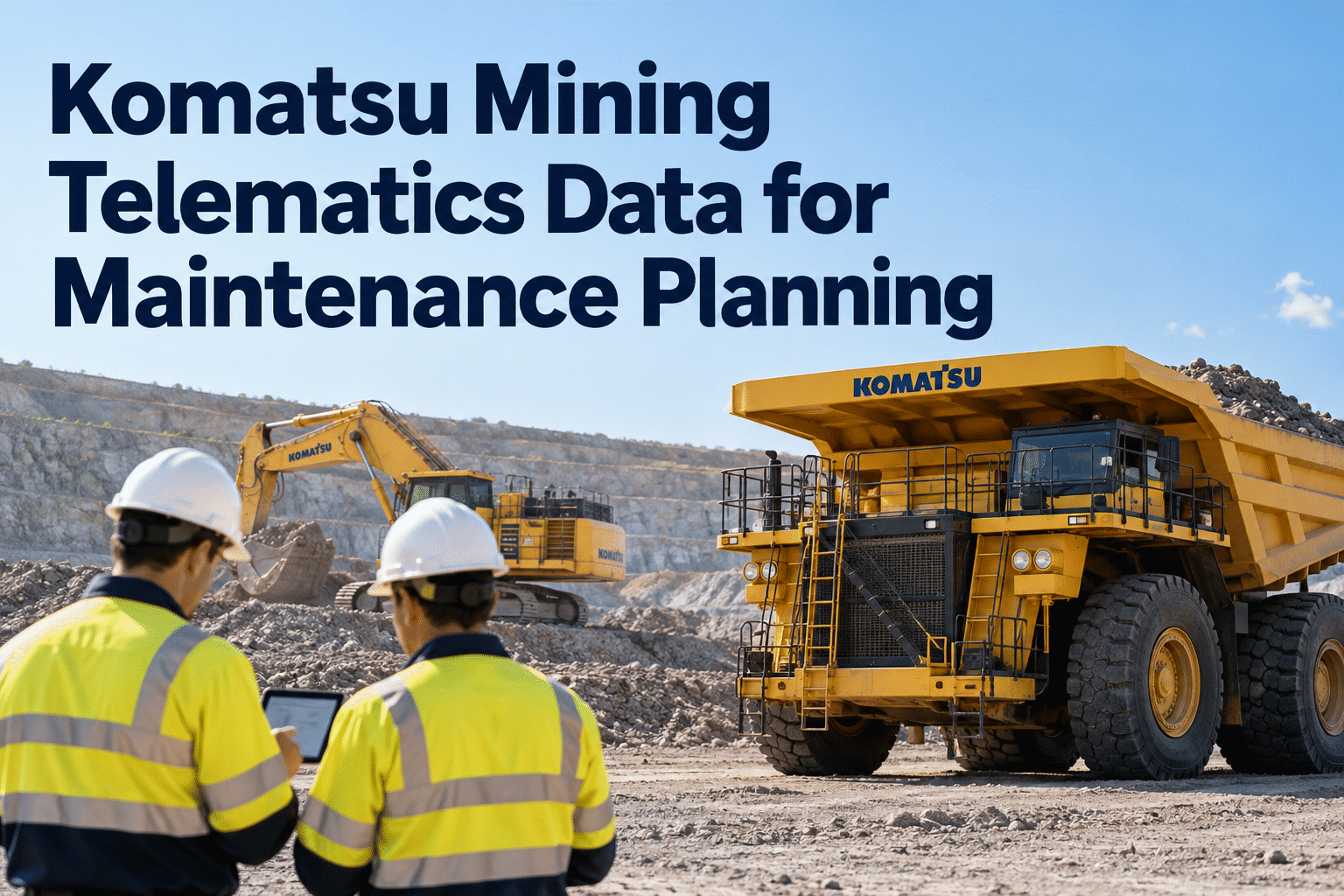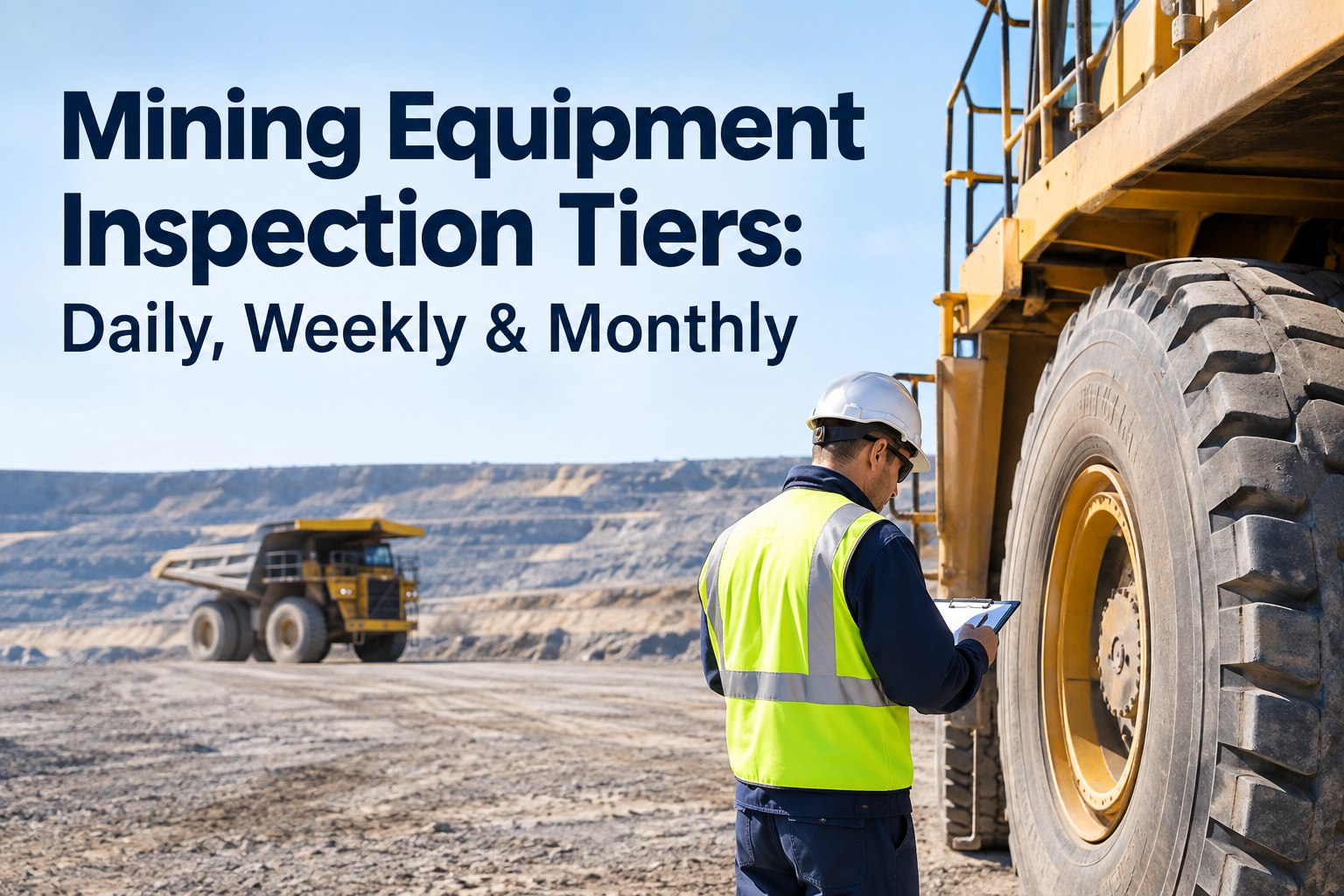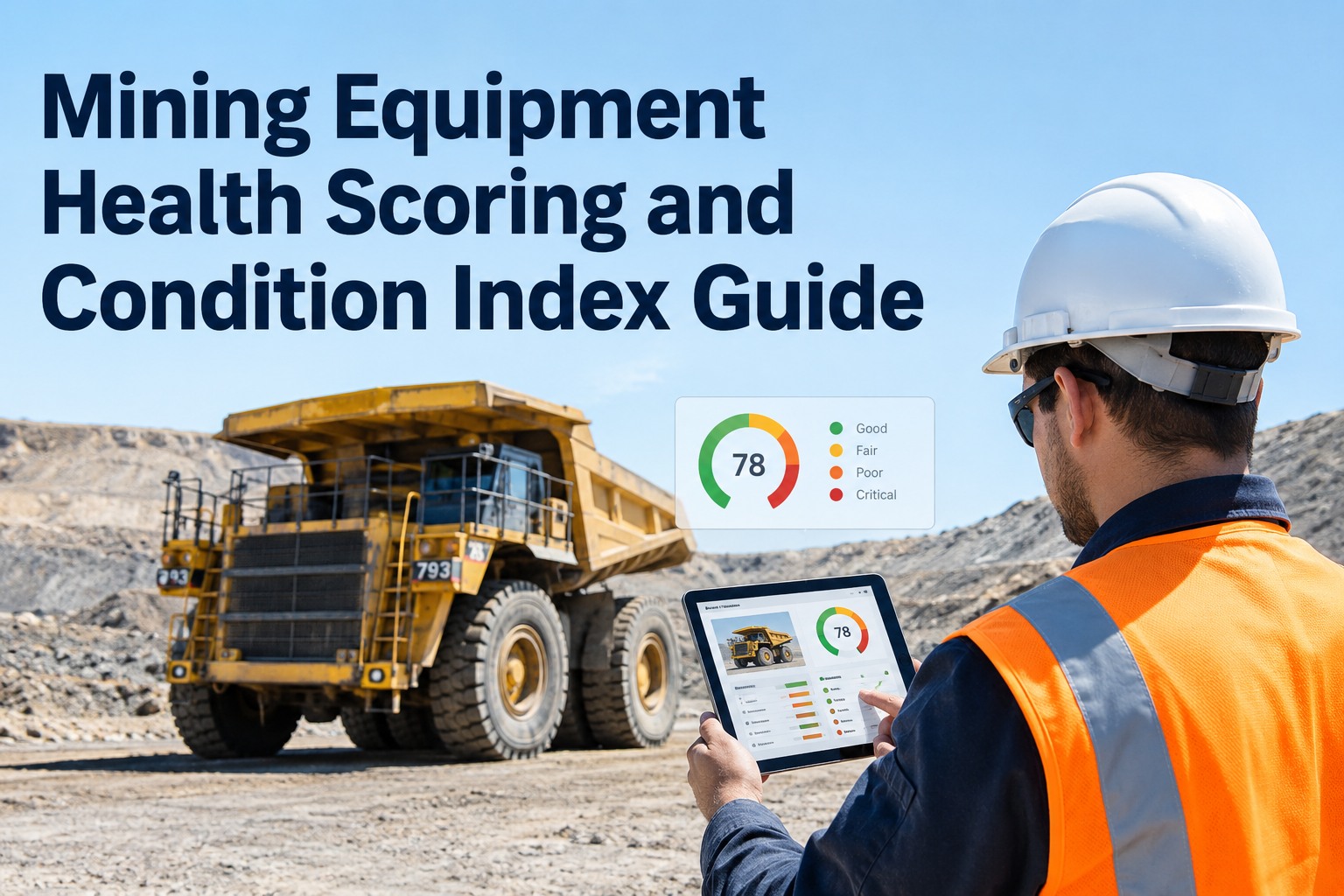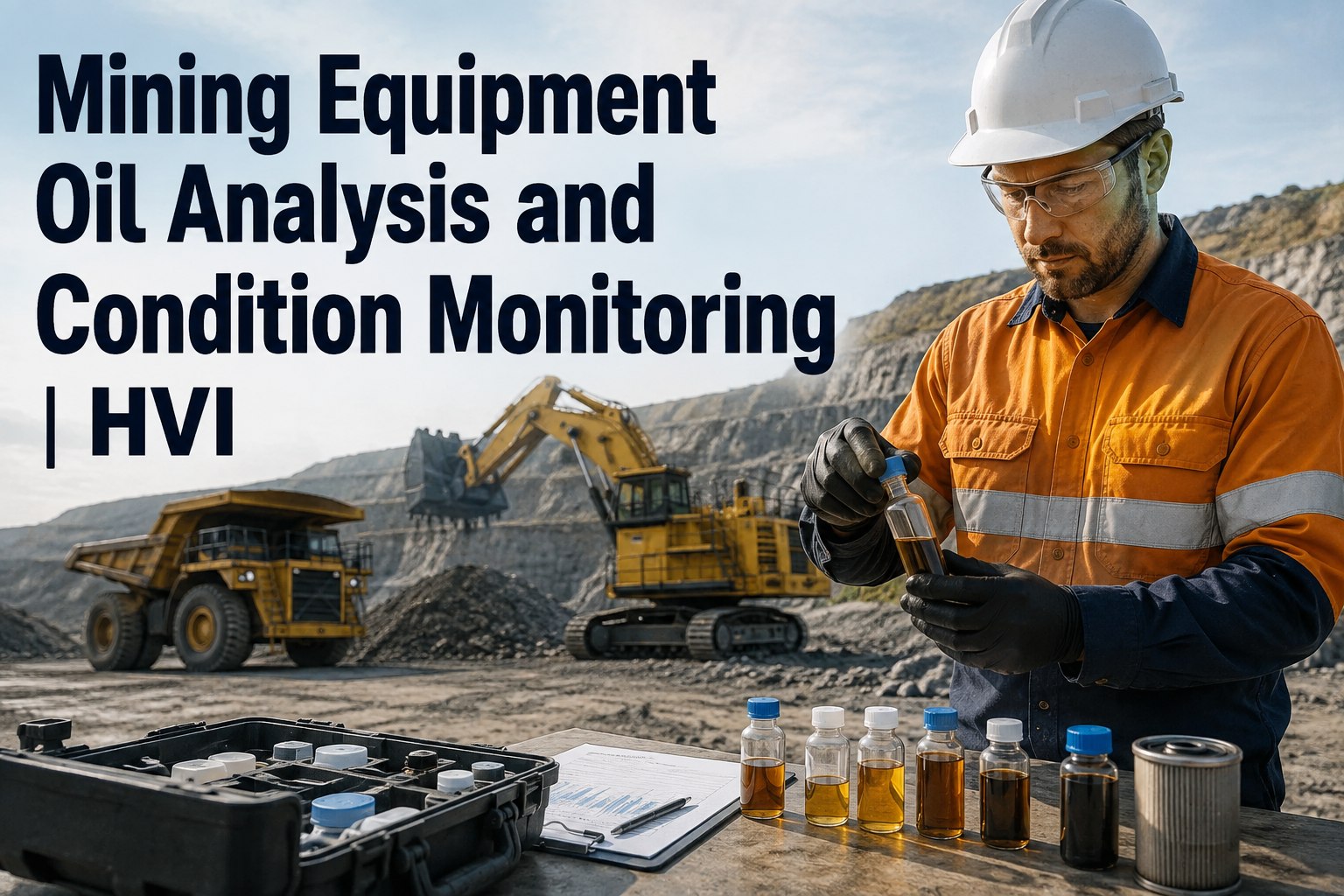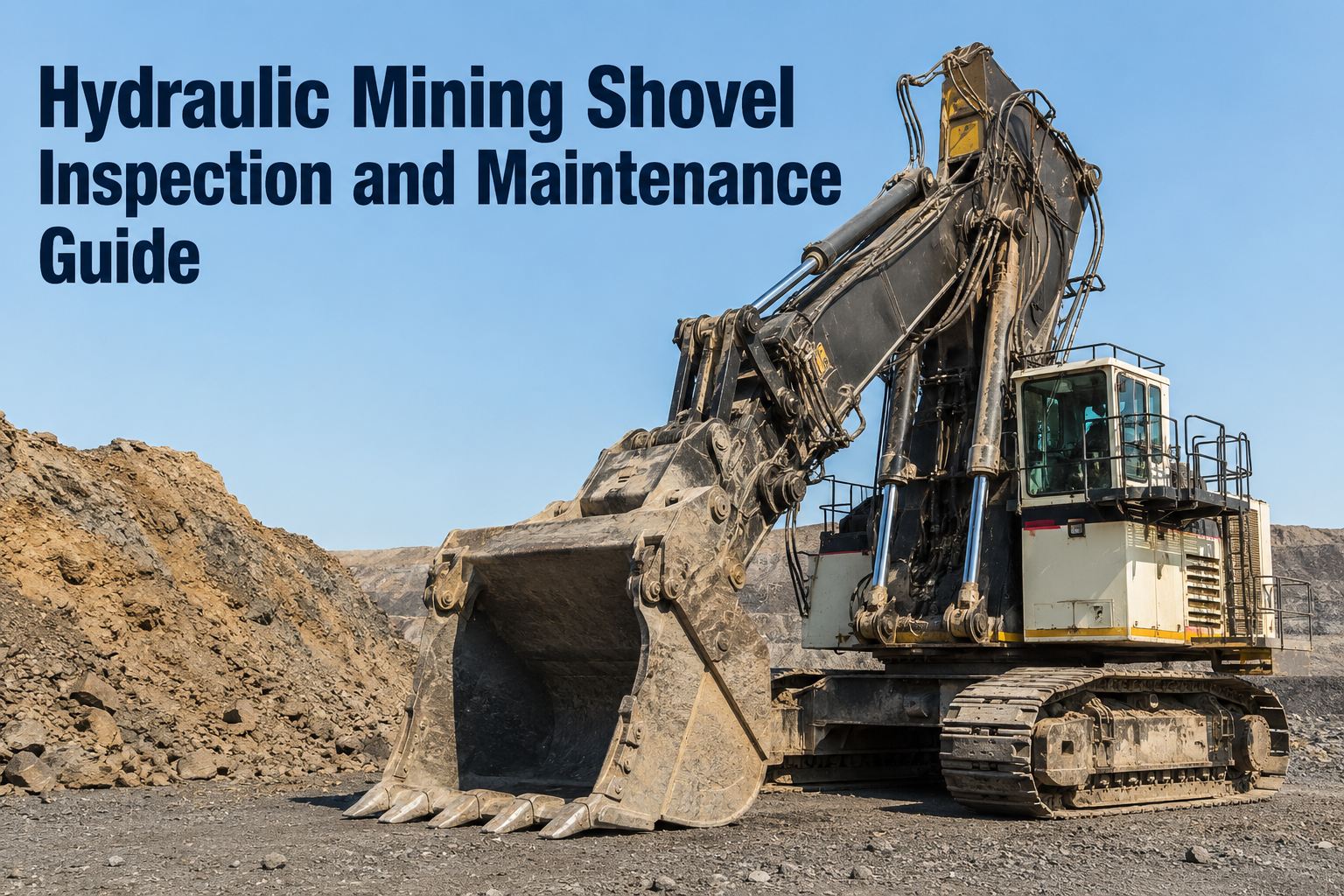
Hitachi ConSite Mine can give mining maintenance teams a more structured view of equipment condition, machine alarms and operating trends. The challenge is deciding which findings need immediate inspection, which belong in a planned service window and how to preserve the repair history. This guide explains a practical review process for mining excavators and haul trucks, including the role of HVI in documenting inspections, preventive maintenance and corrective work.
From ConSite Mine alerts to confident maintenance action.
Give equipment reports a clear destination: a reviewed finding, an assigned inspection and a documented repair—not another unread dashboard.
What is Hitachi ConSite Mine?
ConSite Mine is associated with Hitachi's mining-equipment monitoring and reporting ecosystem. Depending on the equipment, service arrangement and available systems, mine operators may review operating information, equipment alarms and condition-related reports to support maintenance decisions.
ConSite Mine reports, alarm information and related services should be interpreted using current Hitachi documentation. Data availability is not identical across every hydraulic shovel, excavator or rigid dump truck. The name of a report does not guarantee that every sensor, alarm or diagnostic field is included.
The useful question for a maintenance manager is: What should the team do differently after reviewing the data? For example, a recurring alert may justify a targeted inspection, while approaching service hours may call for a planned maintenance slot. Book a demo to see how HVI can organize the follow-up inspection and work order.
One alarm, four possible decisions
Do not treat every ConSite Mine alarm as an instruction to replace a component. Use severity, repetition and operating context to choose the appropriate response.
Verify the asset, timestamp, fault description and any OEM action guidance.
Stop and assess
For an immediate safety or equipment risk, follow site isolation and OEM procedures before return to service.
Inspect promptly
Assign a technician to confirm a recurring or consequential symptom and document findings.
Schedule service
Coordinate the work with production and the correct parts, labor and service interval.
Monitor with context
Keep the event under review where OEM guidance and the risk assessment permit continued operation.
These are example decision categories, not Hitachi alarm severity codes or an automated HVI triage feature. Qualified personnel must determine the safe response.
Make the review useful for the machine doing the work
Hydraulic shovels and excavators
Review machine hours, hydraulic-related observations and recurring events alongside the duty cycle and technician inspections.
Rigid dump trucks
Consider hours, haul-cycle conditions and available alarms alongside inspections of braking, tires, cooling and powertrain systems.
A common reporting format is useful, but maintenance thresholds and corrective actions should remain model-specific. Start free to organize your mining equipment inspection records in HVI.
Give every reviewed finding a maintenance record.
Keep preventive maintenance, inspections and corrective work organized after your team evaluates OEM equipment data.
Before planning a repair, test the quality of the signal
A delayed upload or mismatched machine identifier can turn a useful report into a poor maintenance decision.
Where ConSite Mine ends and maintenance execution begins
Machine monitoring and maintenance recordkeeping serve different purposes. The handoff should be explicit, especially when systems are not directly connected.
Hitachi ConSite Mine
Review available equipment reports, alarms, machine condition information and operating trends.
HVI maintenance management
Record equipment inspections, planned service, work orders, corrective repairs and maintenance history.
A weekly review routine that teams can actually maintain
Review
Check new reports, notable alarms and missing data.
Verify
Match signals to asset IDs, site observations and OEM guidance.
Prioritize
Set inspection and PM priorities by risk and production impact.
Execute
Complete assigned work and capture labor, parts and findings.
Learn
Review repeat events, overdue PM and open corrective work.
Use this as a sample management cadence, not as a substitute for immediate responses to safety-critical alarms. For teams building the process, sign up to start organizing inspection and maintenance records in HVI.
Track maintenance outcomes—not just report volume
On-time PM
Scheduled services completed by their due date or usage threshold.
Repeat defects
Issues that return after inspection or corrective repair.
Work-order closure
Whether findings move through repair and verification.
Data freshness
Whether the underlying report is current enough to support action.
Look for trends by machine and equipment class. A larger number of alerts does not automatically mean worse reliability; better monitoring can also reveal previously unseen problems.
Make OEM equipment insights easier to act on.
See how HVI can support preventive maintenance, inspections and work-order records for your mining equipment.