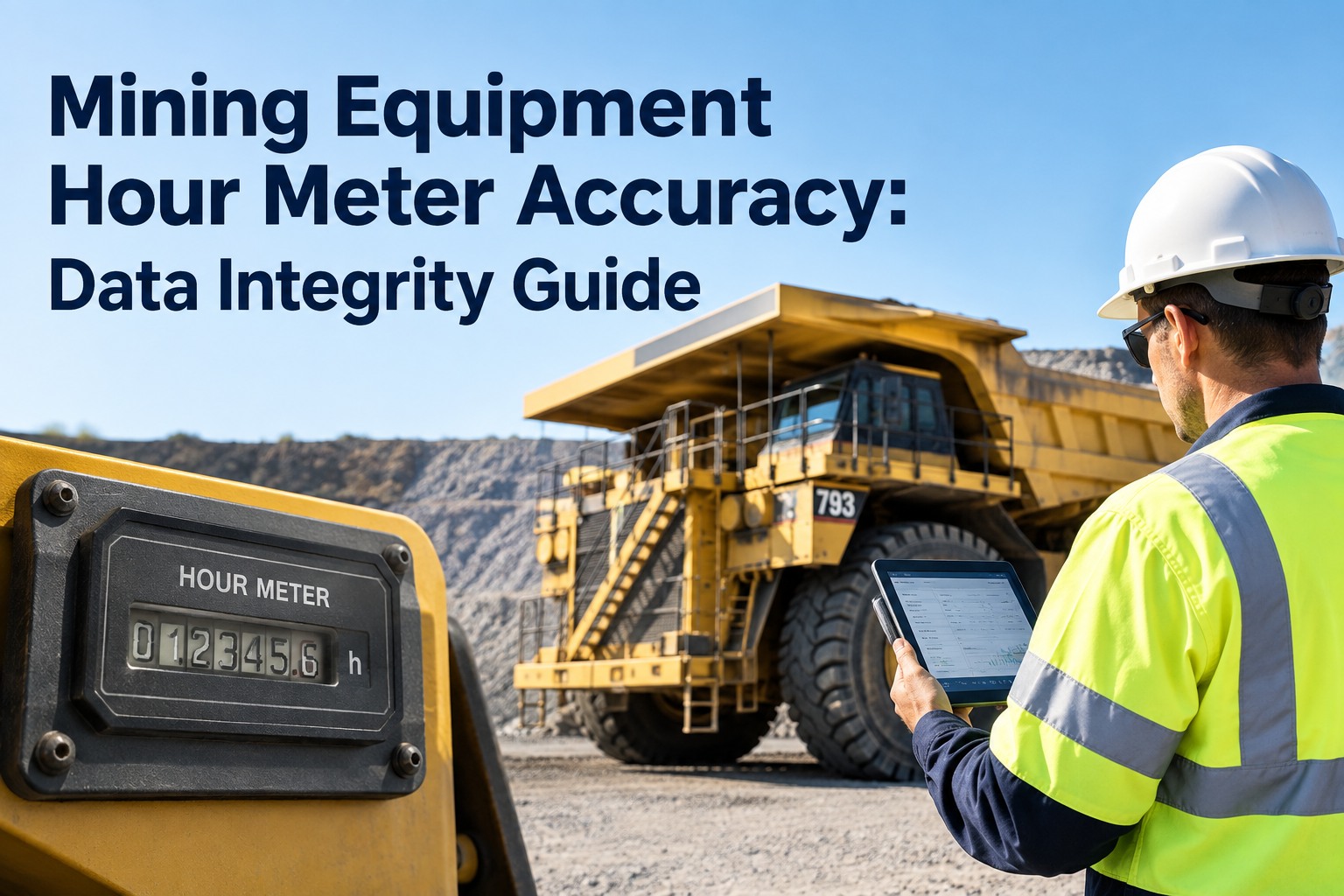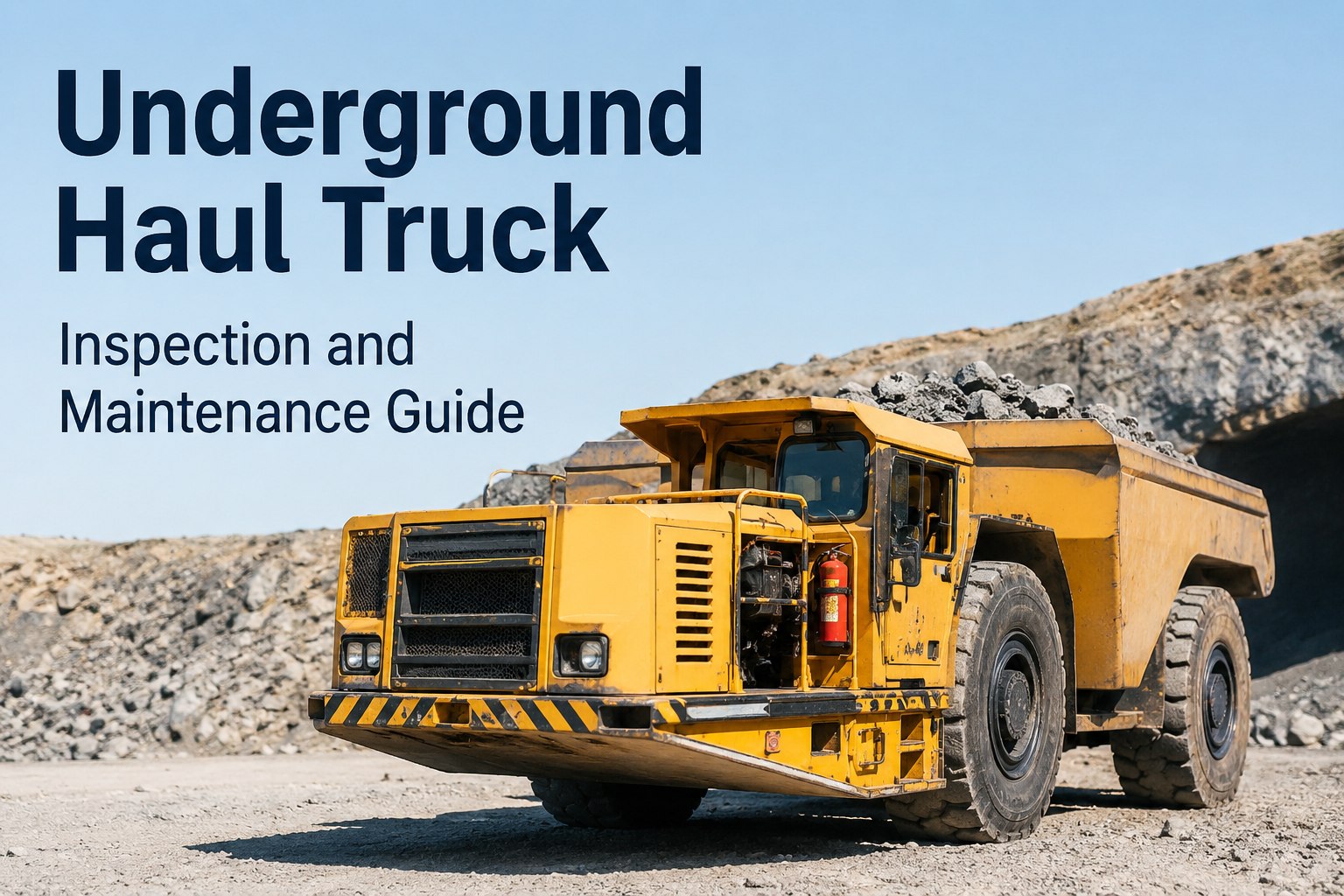
It's 6:10 a.m. at the pit and your 240-ton haul truck is down with a blown final drive - the same truck whose 500-hour service was due last week, except nobody knew, because the hour meter reading was still sitting in a text message from Tuesday. Emergency repairs in mining run roughly three to nine times the cost of planned work, and one major breakdown can cascade past two million dollars a day in lost production and idle upstream equipment. That is exactly the gap mining equipment maintenance software is built to close: meter-based PM that fires on real engine hours, defects that become work orders in one click, and parts confirmed before the job is scheduled. If you're weighing this for your own fleet, you can book a 30-minute walkthrough on your actual units and see the whole loop before you commit.
Your PM schedule should run on engine hours, not on someone's memory
Calendar-based servicing guesses. Meter-based preventive maintenance knows. HVI pulls hours from telematics or operator entry, fires the service when it's actually due, and turns every inspection defect into a tracked work order - for surface fleets and underground alike.
- Hours typed from a whiteboard into a spreadsheet, weeks late
- Defects noted on paper pre-starts that never reach the shop
- Truck down, then you find the part isn't on the shelf
- Engine hours feed PM triggers automatically, with due and overdue alerts
- One tap converts a failed inspection item into a costed work order
- Parts reserved against the job before the machine is even booked in
The numbers your CFO will ask about
Every figure below is money you either keep or lose depending on whether the next failure is planned or a surprise.
Call-out rates, expedited freight, overtime and collateral damage make breakdowns brutally more expensive than the same job done on schedule.
A downed primary crusher or haul truck idles the excavator, the fleet behind it and the mill - the cascade is where the real money goes.
Miss it by 80 hours because the meter reading was stale and you've burned warranty cover and doubled wear on oil, filters and components.
A planned job that can't start because a $400 seal kit wasn't reserved becomes next month's unplanned breakdown instead.
Why mining preventive maintenance runs on engine hours, not dates
A haul truck on a short, steep circuit can rack up 22 engine hours a day while its sister unit on light duties does nine. A calendar schedule services one too late and the other too early - you pay for both mistakes.
Calendar PM: the silent budget leak
- Over-servicing light units: oil, filters and labour spent hundreds of hours before they're needed, multiplied across the fleet.
- Under-servicing hard-working units: the truck earning its keep blows past its interval while the calendar says it's fine.
- Warranty exposure: OEM warranty claims get denied when you can't prove service happened at the documented hour interval.
Meter-based PM: service when the machine says so
- Hours flow in automatically from GPS/telematics integrations, or from the operator's pre-start on any phone - no whiteboard transcription.
- Due-soon and overdue alerts hit the planner's dashboard by asset, so the 500-hour service gets booked at 470, not discovered at 610.
- Every interval is provable with timestamped history per asset - the Logbook auditors and OEM warranty desks actually accept.
The catch with meter-based PM is the meter itself. If engine hours depend on a fitter reading the dash once a week and typing it into Excel, your "automatic" schedule is only as good as that keystroke. HVI's meter-based PM schedules pull hours from telematics feeds or from the operator's daily inspection on their phone, so the trigger and the reading come from the same system - and you can see that live feed in a demo before you roll it out.
Mining work order software that stops defects dying on a clipboard
Most breakdowns announce themselves days earlier in a pre-start: a weeping hydraulic hose, a cracked ROPS mount, play in a steering link. The finding exists - it just never becomes a job. Here is the path a defect takes inside HVI.
Operator flags it in the pre-start
Pre-start inspection on any phone or tablet, even offline underground. Failed item, photo, severity, two taps. No paper book, no radio call that gets forgotten by smoko.
One click creates the work order
The supervisor converts the defect straight into a work order - asset, hours, photos and history already attached. Nothing retyped, nothing lost between the crib room and the shop.
Parts and labour get planned
The planner checks stock, reserves the hose and fittings against the job, assigns a fitter and slots it into the next planned downtime window instead of the next breakdown.
Closure writes the asset's history
Labour hours, parts consumed and cost land in the asset's Logbook automatically. Next time that hose fails, you can see the last three times it happened and what they cost.
This loop is where the 3-9x multiplier gets beaten. A $180 hose changed during a planned park-up is the same hose that costs $4,000 in call-out labour, lost production and a tow when it lets go at the face. If your current process still involves photographing a paper defect book, start logging inspections free and run one crew through it for a week.
See your own fleet's PM schedule running on real engine hours
Bring two or three of your units to a 30-minute demo and we'll show you meter triggers, defect-to-work-order and parts reservation on your actual equipment list.
Plan component life before the component decides for you
Engines, finals, wheel motors, hydraulic pumps, GET and tyres all have a known life band in hours. Mine maintenance management means changing them at the cheap end of that band - planned, with parts on the shelf - not at the catastrophic end.
| Component | Typical life band | Planned change-out | Run-to-failure reality |
|---|---|---|---|
| Haul truck engine | 12,000-18,000 hrs | Swap in a scheduled 3-day window, rebuild core on the bench | Seizure at the face: tow, collateral damage, 10+ days down |
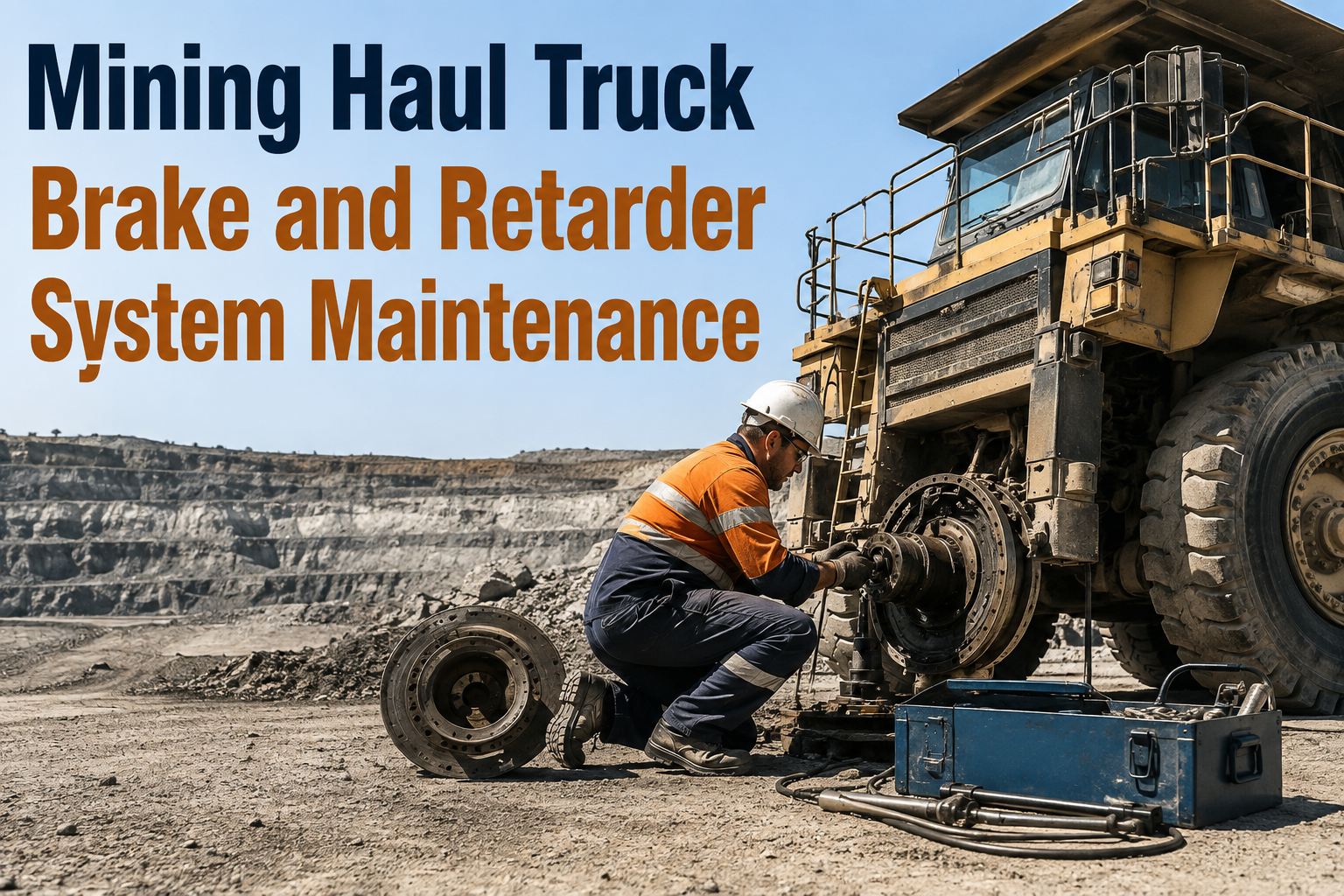
| Final drive | 8,000-12,000 hrs | Oil analysis trends trigger the swap before metal counts spike | Gear debris through the hub, wheel-off risk, axle damage |
| Hydraulic pump | 6,000-10,000 hrs | Change on hours plus pressure-test history, one shift | Contamination through the whole circuit - every valve and ram |
| Tyres (OTR) | By TKPH and condition | Rotation and replacement matched to haul profile | Blowout on a loaded descent - a serious incident, not a job |
HVI's Logbook keeps every component's hour history per asset, so change-out planning is a report, not a guessing game. Pair it with oil-analysis notes in the work order record and you can walk a demo through your component strategy against real hour data.
The part on the shelf decides whether a planned job stays planned
Ask any maintenance planner what kills a schedule and they won't say labour - they'll say parts. The job was planned, the machine was booked, and the seal kit was on backorder nobody knew about.
Stock visibility across sites
HVI Parts and Inventory tracks stock across multiple shops and laydown yards, so the planner sees the filter is at the satellite shed before cancelling the job.
Consumption tied to work orders
Every part issued lands on the work order and the asset's cost history. No more parts walking out the door as unallocated shrinkage.
Reorder before the outage
Minimum-stock alerts fire while lead time still exists. For a remote site with two-week freight, that warning is the whole game.
Cost per operating hour
Expense Track and Cost Analysis roll parts, labour and downtime into cost per hour per asset - the number that decides rebuild vs replace.
A 12-truck surface fleet averages one parts-delayed job a week. Each delay pushes a planned 4-hour task into an unplanned 10-hour outage at roughly $8,500 an hour in lost production and idle support gear. That's over $340,000 a month bleeding from a problem that a reserved part and a reorder alert would have prevented. Even cutting it by half pays for the software many times over - and you can set up parts tracking free to test it on one store first.
Mine fleet maintenance, one system from pit to parts room
Four capabilities, each mapped to the failure it removes from your week.
Meter-based PM schedules
Services trigger on engine hours from telematics or operator entry, with due and overdue alerts per asset. Outcome: no unit runs 100 hours past its interval unnoticed, and no light-duty unit gets serviced early.
One-click work orders from inspections
A failed pre-start item becomes a costed, assigned work order with photos attached - on any phone, at the face or in the shop. Outcome: defects get fixed in the cheap window instead of becoming the 2 a.m. breakdown.
Parts and Inventory with consumption tracking
Stock levels across sites, parts reserved against jobs, reorder alerts and every issue tied to a work order. Outcome: planned jobs stay planned, and parts spend stops leaking into unallocated shrinkage.
Logbook plus Expense Track and Cost Analysis
Every inspection, service, part and dollar writes to the asset's history automatically, rolled up into cost per operating hour. Outcome: audit-ready records in seconds and a defensible rebuild-vs-replace number per unit.
What to tell your GM when they ask why now
- Reactive work costs 3-9x planned work, and one major failure can exceed $2M a day in cascading losses - the business case writes itself from your own downtime log.
- Meter-based PM beats calendar PM in mining because utilisation varies wildly between units - but only if engine hours come from a system feed, not manual transcription.
- Defects must become work orders in one step. Any process that re-types a finding is a process where findings die.
- Parts readiness is the constraint. Reserve parts against the job and set reorder alerts, or the schedule is fiction.
- Cost per operating hour is the decision number. Mining equipment maintenance software should produce it per asset without a spreadsheet marathon.
You don't need a fleet-wide rollout on day one. Pick your highest-hour crew, run their pre-starts and PMs through HVI for a month, and take the before-and-after numbers into the budget meeting. A guided demo on your own asset list is the fastest way to scope that pilot.
"My pet hate was the Friday spreadsheet - me ringing six operators asking what their hour meters said. Half of them guessed. Now the hours come off the pre-start on their phone and the 500-hour services book themselves. The number I watch is planned versus unplanned hours: we were 55 percent planned when we started, and I won't let it drop under 80 now. That's the whole job, really."
Dale Merrick - Maintenance Superintendent, contract surface mining operation
Mining maintenance software questions, answered straight
What is meter-based preventive maintenance and why does it matter in mining?
Meter-based PM triggers services from actual engine hours or kilometres instead of calendar dates. In mining, utilisation varies hugely between identical units, so calendar servicing over-maintains some machines and lets hard-working ones run past their interval. HVI pulls hours from telematics or the operator's daily inspection, so the trigger always reflects real use.
How does HVI turn an inspection defect into a work order?
When an operator fails an item on a digital pre-start, the supervisor sees it instantly and converts it to a work order with one click - asset, hour reading, photos and history already attached. Nothing gets retyped from a paper book, so findings can't stall between the crib room and the shop.
Does it work underground or at sites with no coverage?
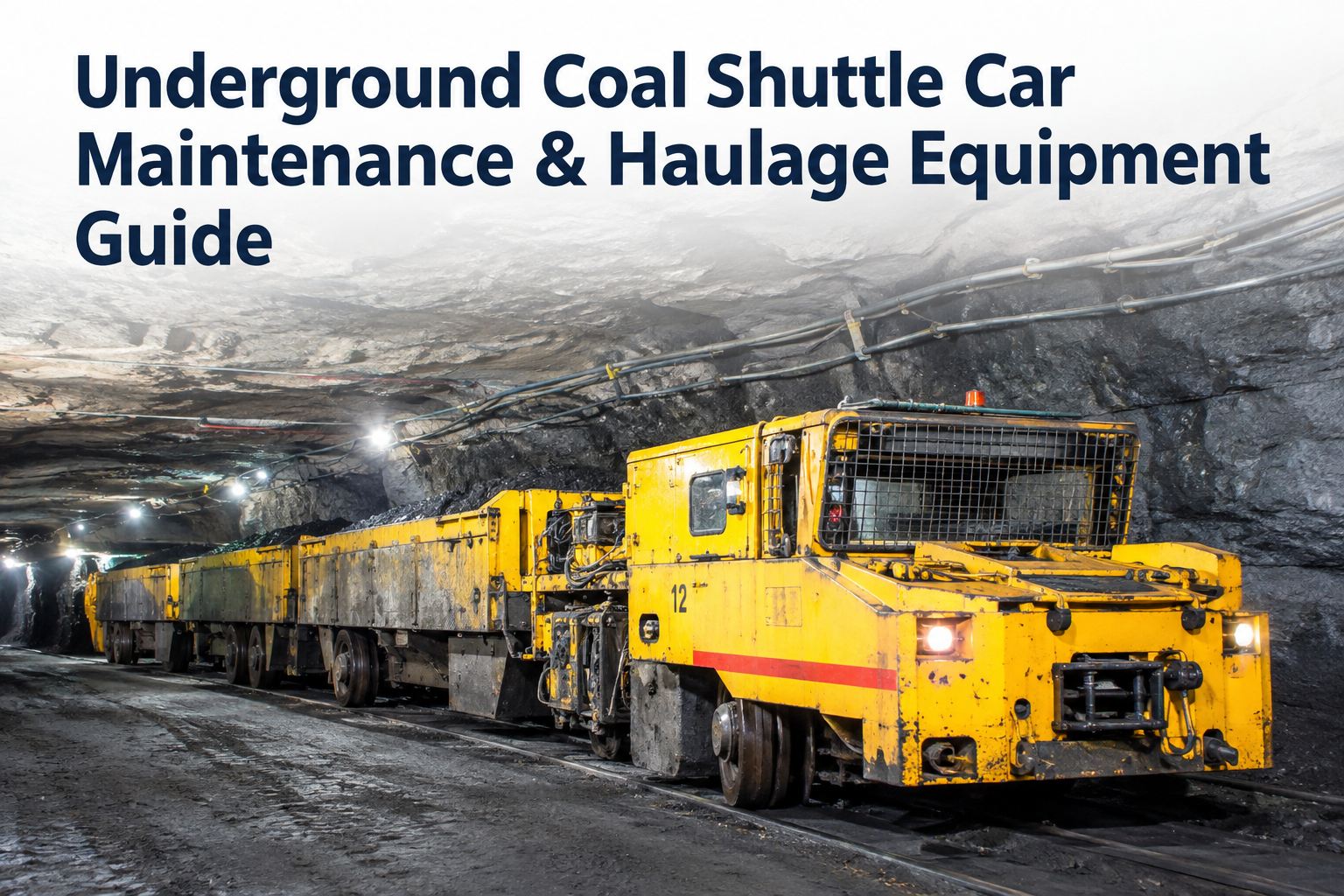
Yes. Inspections and work orders run offline on any phone or tablet and sync when the device regains signal, which suits underground fleets and remote pits. If you want to see the offline flow on your own forms, book a demo and we'll show it on a live device.
Can HVI track parts across multiple shops and remote sites?
HVI Parts and Inventory holds stock across multiple locations, lets planners reserve parts against scheduled jobs, and fires reorder alerts at minimum levels. Every part issued is tied to a work order and asset, so consumption and cost per operating hour stay accurate without a separate spreadsheet.
How long does it take to roll out on a mixed mining fleet?
Most sites start with one crew in the first week: import the asset list, load your pre-start templates and set PM intervals by hours. Operators need minutes of training, not days. You can sign up free and run a pilot crew before committing to a fleet-wide rollout.
Stop paying the 3-9x penalty for work that should have been planned
Put your fleet on meter-based PM, one-click work orders and parts that are reserved before the job starts. See it on your own units in 30 minutes.
Free to start - Works on any phone, even offline - No card needed