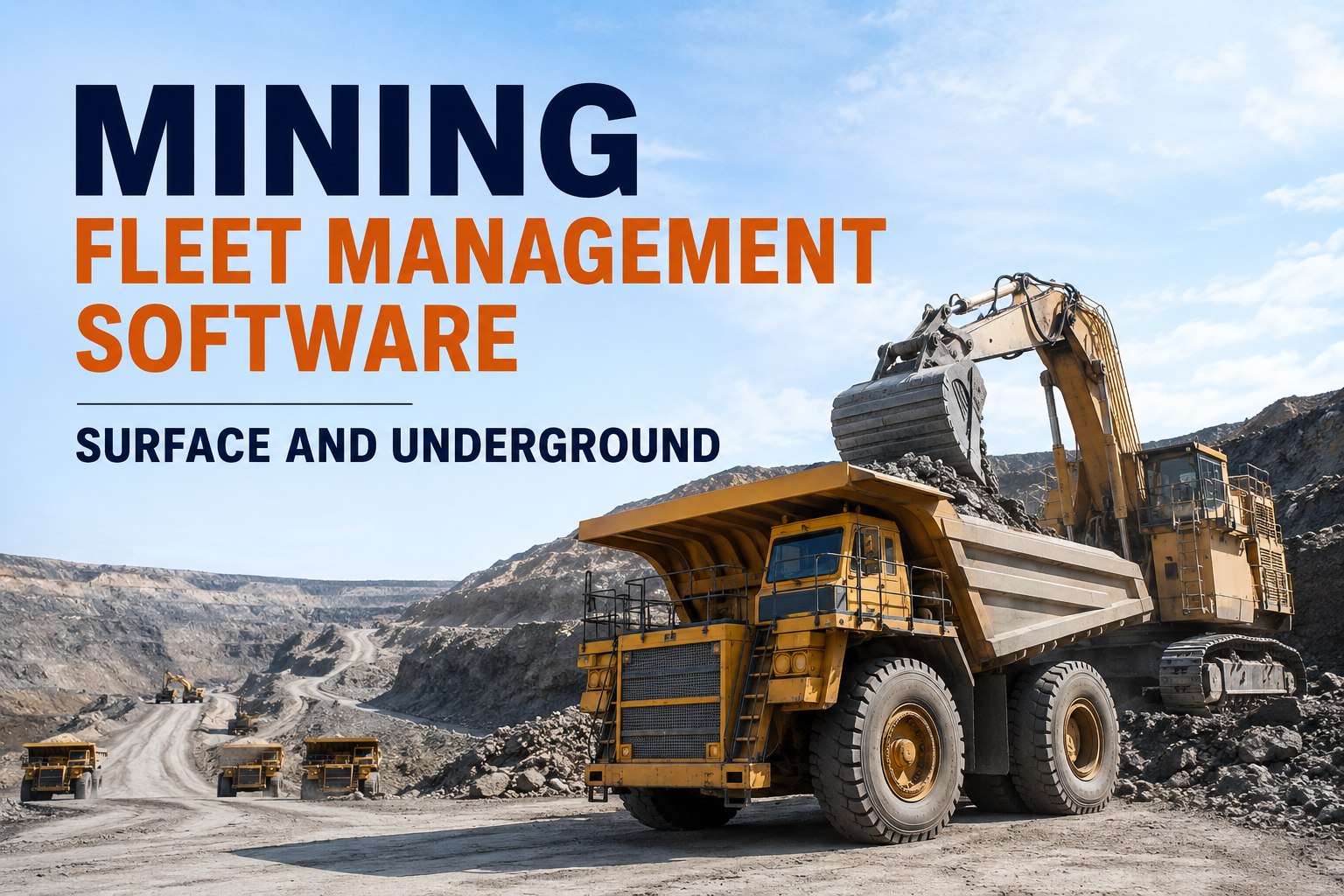
An electric haul truck can change the economics and operating rhythm of a surface mine, but adoption depends on far more than swapping a diesel engine for a battery. Haul-road grades, payload, cycle time, charging windows, power availability, and maintenance capability all determine whether battery-electric haulage can work reliably at a particular site.
Electric haul trucks: build the case around the haul cycle
Compare routes, energy demand, charging opportunities, shop readiness, and lifecycle costs before committing to a mining fleet transition.
Concept illustration only; actual energy and recuperation depend on truck model, route and conditions.
Why surface mines cannot use a generic EV fleet plan
Surface-mine haul trucks work under high payloads, variable grades, abrasive dust, vibration, extreme temperatures, and tightly coordinated production schedules. A route that looks short on a map can be energy-intensive when the loaded leg climbs continuously. Another route may offer opportunities for regenerative braking, but recovery varies with grade, speed, payload and equipment design.
Mining fleets also operate in systems: excavator loading time, dispatch queues, crusher availability, road maintenance, tire condition and shift change all influence productivity. Electrification must be assessed against that full operating context, not only nameplate battery capacity.
The central question is whether a candidate truck can deliver the required tonnes over the planned shift while maintaining safe operating margins and predictable charging access. Fleet managers can begin by assembling consistent equipment histories and maintenance costs. Book a demo to explore HVI mining equipment records and cost tracking.
Score each haul route before selecting an electric haul truck
Use a repeatable suitability screen to distinguish strong pilot candidates from routes that need infrastructure, scheduling, or technology changes.
Record the route length, elevation profile, typical payload, average and peak cycle times, shift duration, idle time, and any charging-compatible dwell periods. Validate these observations over enough shifts to capture normal variation rather than selecting an unusually easy operating day.
A suitability assessment should include operational resilience. What happens if the charger is unavailable, a truck returns with less energy than expected, or the pit moves farther from the charging area? Consider whether a spare unit, alternate charging location, or mixed diesel-electric fleet can protect production during the transition.
Battery-electric is not one universal haulage architecture
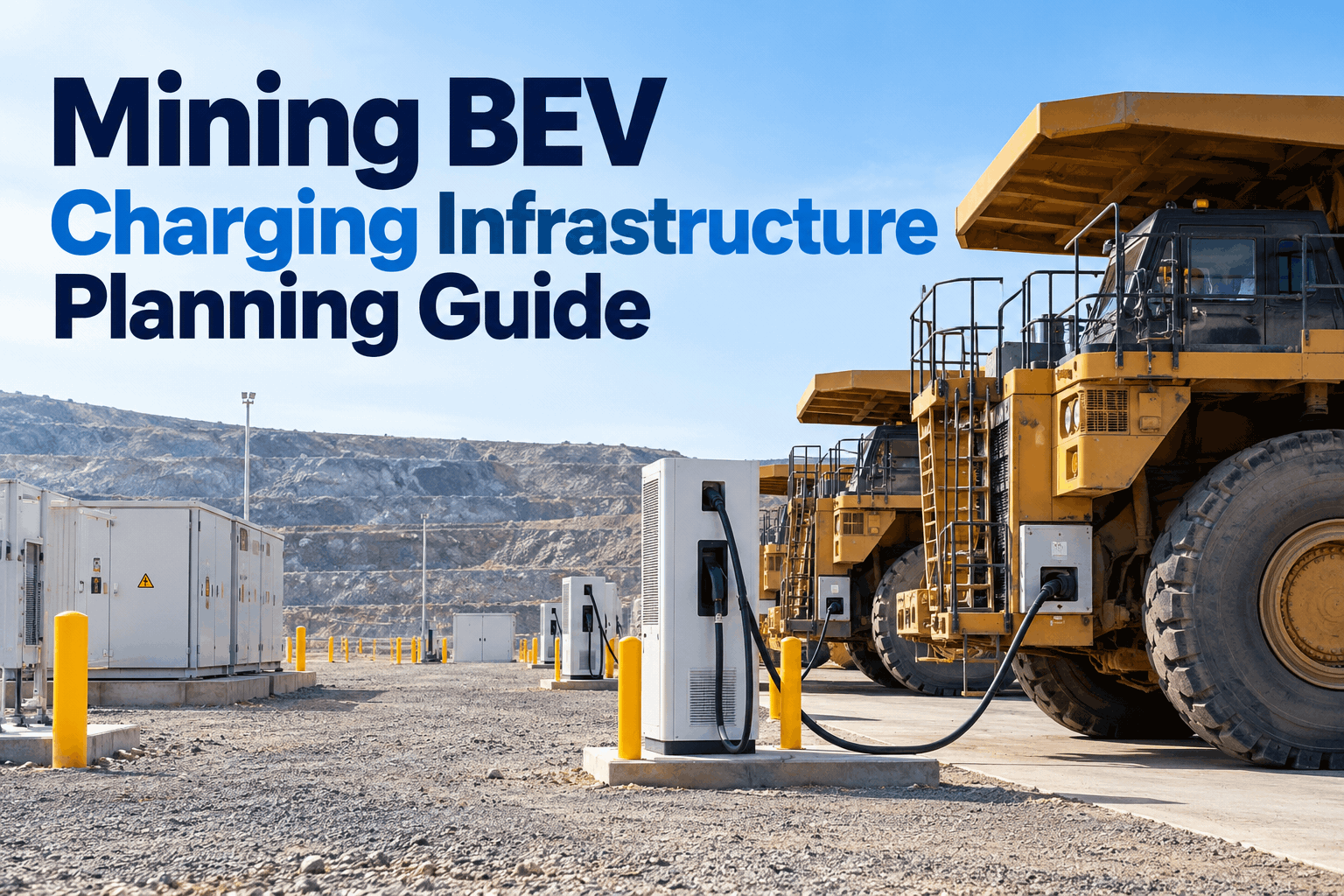
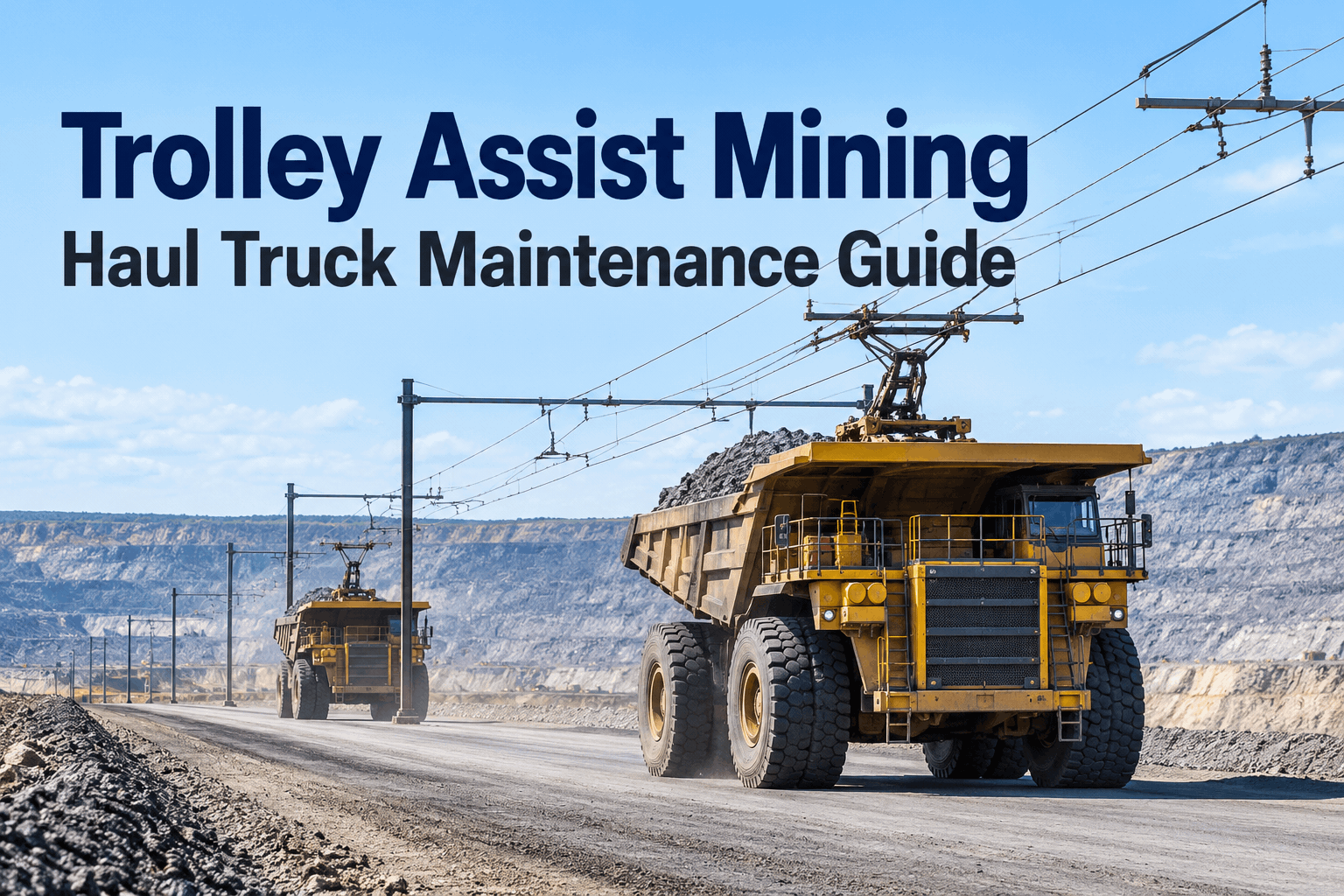
Different electric mining truck programs use different approaches to charging and energy replenishment. Battery-electric designs depend on battery size and charging strategy; some mine configurations may consider battery swapping or dynamic power supply concepts. Technology availability varies by manufacturer, truck class, mine layout, and commercial maturity.
Evaluate the entire system as a package: truck performance, charge equipment, power distribution, service support, spare parts, warranties, software interfaces, and contingency plans. Do not compare a production-ready diesel truck with a conceptual electric specification as though both have identical commercial and operational risk.
Ask vendors for site-relevant duty-cycle evidence, charging performance under temperature extremes, battery warranty conditions, expected component service intervals, and support response times. Distinguish validated data from modeled projections.
Calculate charging windows from actual production time
Charging is an operations-planning problem. The relevant number is not only charger rated power, but how much usable energy the truck can receive within an available, safe, and repeatable window.
Example energy replenishment divided by illustrative average delivered charging power. The 90% factor is an assumption for this example, not a universal charger efficiency or real truck specification.
Power infrastructure checklist
Assess utility capacity, peak demand, distribution equipment, cable routing, dust and water exposure, traffic separation, emergency access, and future expansion. Mine electrical and safety specialists should lead the engineering design and approval process.
Operational charging checklist
Check truck arrival spread, charger queuing, connection time, planned breaks, shift changes, charger redundancy, and dispatch impacts. Model multiple trucks arriving together—not only one truck at a charger.
Grid constraints may dominate project timing and cost. Early engagement with electrical engineers and power providers is essential, particularly when high-power charging equipment, substations, or new distribution capacity are needed. Include the energy price structure and potential peak-demand charges in economic comparisons.
Compare electric haul truck cost using total ownership economics
Purchase price alone does not reveal the best fleet choice. Build a site-specific model that compares equivalent haulage output and accounts for both operating savings and transition costs.
Include all major cost drivers
Track acquisition or lease cost, financing, electricity or fuel, charging infrastructure, electrical upgrades, planned maintenance, unplanned repairs, tires, downtime, battery replacement provisions, service contracts, insurance, residual value and disposal obligations. Separate truck-level costs from mine-wide infrastructure investments.
Normalize the denominator
Compare cost per operating hour and cost per tonne hauled under comparable conditions. A lower energy cost per hour may not translate into lower cost per tonne if charging reduces production or requires additional trucks. Conversely, reduced maintenance time can improve availability when supported by real site evidence.
Use sensitivity cases for electricity prices, diesel prices, battery service life, route length, production volume, charger utilization, financing, and unexpected downtime. Show a base case and downside case to leadership. For a cleaner baseline, book a demo to review mining fleet maintenance expense histories in HVI before building your model.
Electric haul truck maintenance changes the work—not the need for discipline
Battery-electric trucks remove some conventional engine-related service tasks, but they still require robust inspections and planned maintenance. Tires, suspension, steering, brakes, structural components, hydraulic systems, cooling systems, electrical connectors, and operating safety systems remain important.
Battery and high-voltage systems introduce additional requirements for qualified personnel, isolation procedures, manufacturer-approved diagnostics, specialized tools, and safe recovery of damaged equipment. Only appropriately trained and authorized staff should perform high-voltage work in accordance with manufacturer procedures and site safety rules.
Set up asset-specific maintenance schedules based on the actual truck model and duty cycle. Record inspection findings, service actions, recurring faults, component replacements, downtime and costs. HVI can support the organizational side of this process through equipment records, inspections, maintenance scheduling and expense history; it is not a substitute for OEM battery diagnostics or electrical safety systems.
Sign up free to organize electric mining equipment inspection and maintenance records.
Safety-critical service procedures always follow OEM instructions and mine-specific controls.
Build a reliable maintenance and cost baseline before electrifying
See how HVI helps mining teams organize equipment histories, maintenance activities and expenses for informed fleet planning.
Prepare the mine, technicians, and operators for new risks
Electrification introduces hazards and work practices that require dedicated planning. Develop site-specific controls with competent safety, electrical, emergency-response and OEM personnel.
Identify isolation areas, access restrictions, appropriate tooling, lifting capacity, electrical protection, and damaged-battery handling procedures.
Train drivers on vehicle-specific braking behavior, energy indications, charging interfaces, alarms, safe parking, and emergency reporting.
Coordinate battery-related incident procedures, evacuation, fire response, towing, recovery and first-responder access with site emergency plans.
Training must reflect the actual equipment and local legal requirements. Avoid treating a generic EV awareness course as authorization to work on high-voltage components. Review competency records, contractor qualifications and emergency drills before production deployment.
A practical four-gate roadmap for surface mine electrification
Advance only when evidence supports the next investment decision. This helps teams avoid purchasing trucks before charging, maintenance, and production systems are ready.
Collect route profiles, payloads, cycle times, diesel consumption, equipment downtime, and maintenance cost histories.
Model energy needs, charging locations, electrical capacity, safety changes, total costs, and downside scenarios.
Run a representative route with measurable targets for tonnes moved, charging delays, availability and service events.
Expand only after validating performance, support capability, infrastructure readiness, and capital funding.
Document an owner for each gate, the evidence required, the go/no-go decision, and the corrective actions for gaps. A mine with changing pit geometry should revisit its route and energy assumptions as haul distances and elevation profiles change. The roadmap is iterative rather than a one-time approval exercise.
Track adoption using mining outcomes, not only electric kilometers
Once a pilot begins, monitor a small set of comparable measures that connect energy performance to operational results.
Define each metric before the pilot, including how hours, delays, and production are attributed. Compare electric and diesel equipment on similar duties where possible, and explain differences rather than assuming they represent technology performance. HVI maintenance and asset data can contribute to the reliability and cost view; production dispatch and charging-energy data may need to come from other systems and be reconciled separately.
Book a demo to explore HVI equipment reporting for an electric haul truck pilot.
Electric haul truck procurement readiness checklist
Before requesting final bids or approving a pilot, confirm that operations, maintenance, engineering, finance, and safety agree on the evaluation basis.
- Representative haul routes and duty cycles have been measured.
- Truck payload and productivity requirements are documented.
- Charging capacity, location, redundancy and schedule are assessed.
- Electrical upgrades, permits and lead times are understood.
- High-voltage service and emergency-response plans are defined.
- Vendor support, warranties and battery provisions are reviewed.
- Lifecycle cost and sensitivity models use comparable output.
- Pilot success criteria and go/no-go thresholds are agreed.
Electric haul trucks in surface mining: FAQs
Are electric haul trucks suitable for every surface mine?
No. Suitability depends on payload, grade, haul distance, operating hours, charging access, electrical infrastructure and equipment availability. Site-specific duty-cycle studies and a controlled pilot are usually more informative than general claims.
What affects electric haul truck operating cost the most?
Major factors include electricity tariffs, production output, charging-related delays, equipment capital cost, battery provisions, maintenance, infrastructure investment and financing. Compare cost per tonne hauled under equivalent conditions, not just energy cost per hour.
Do battery-electric mining trucks require less maintenance?
They may eliminate some diesel-engine service activities, but mechanical systems still require regular maintenance and electrical systems bring new inspection and specialist-service requirements. Actual savings should be validated from operating and maintenance records.
How should a mine plan electric haul truck charging?
Start with measured energy demand per cycle, available dwell time, charger power, utility capacity and the number of trucks likely to arrive simultaneously. Account for charging taper, queuing, weather, redundancy and production constraints.
How can HVI support an electric mining fleet transition?
HVI can help teams maintain asset records, inspections, preventive maintenance activities, repair histories and expenses. These records support baseline analysis and ongoing maintenance reporting. Specialized battery monitoring, charger control and mine dispatch optimization require appropriate dedicated systems.
Make the electric haul truck business case easier to defend
Bring maintenance records and equipment cost visibility into your mine electrification planning process with HVI.