A track-mounted jaw crusher doesn't belong cleanly to anyone. Your mobile fleet crew services it because it has tracks and a diesel engine. But inside that chassis sits a crushing chamber, exposed conveyors and moving parts that carry the same hazards as a fixed plant. Mobile crusher and screen inspection falls through that gap more often than any other machine on site. Book a demo to see a mobile crusher template built around this
Which Wear Part, and How Close to the Line?
Tap a wear part. The gauge shows where measurement-driven planning puts it — monitor, plan the swap, or stop the machine.
Guarding citations under 56.14107 are consistently among the most frequently issued at surface metal and nonmetal mines. Below: wear parts and measurement, guarding and flying material, isolation before chamber entry, and the track and relocation obligations that make mobile plant its own category.
Why mobile crusher and screen maintenance falls through the gap
A fixed crushing circuit has a dedicated plant crew who live with the same machine every shift. A mobile jaw or cone unit gets serviced by whoever's fleet team is closest — often mechanics whose daily work is excavators and haul trucks, not crushing chambers.
The machine doesn't care who's assigned to it. It still has a jaw or cone chamber, conveyors, guarding requirements, and isolation obligations identical to fixed plant — plus tracks and a relocation cycle fixed plant never has. That combination is what this page covers.
If your crushing circuit is fixed in place, our crusher and conveyor inspection guide covers that program directly. This page is for the unit that moves.
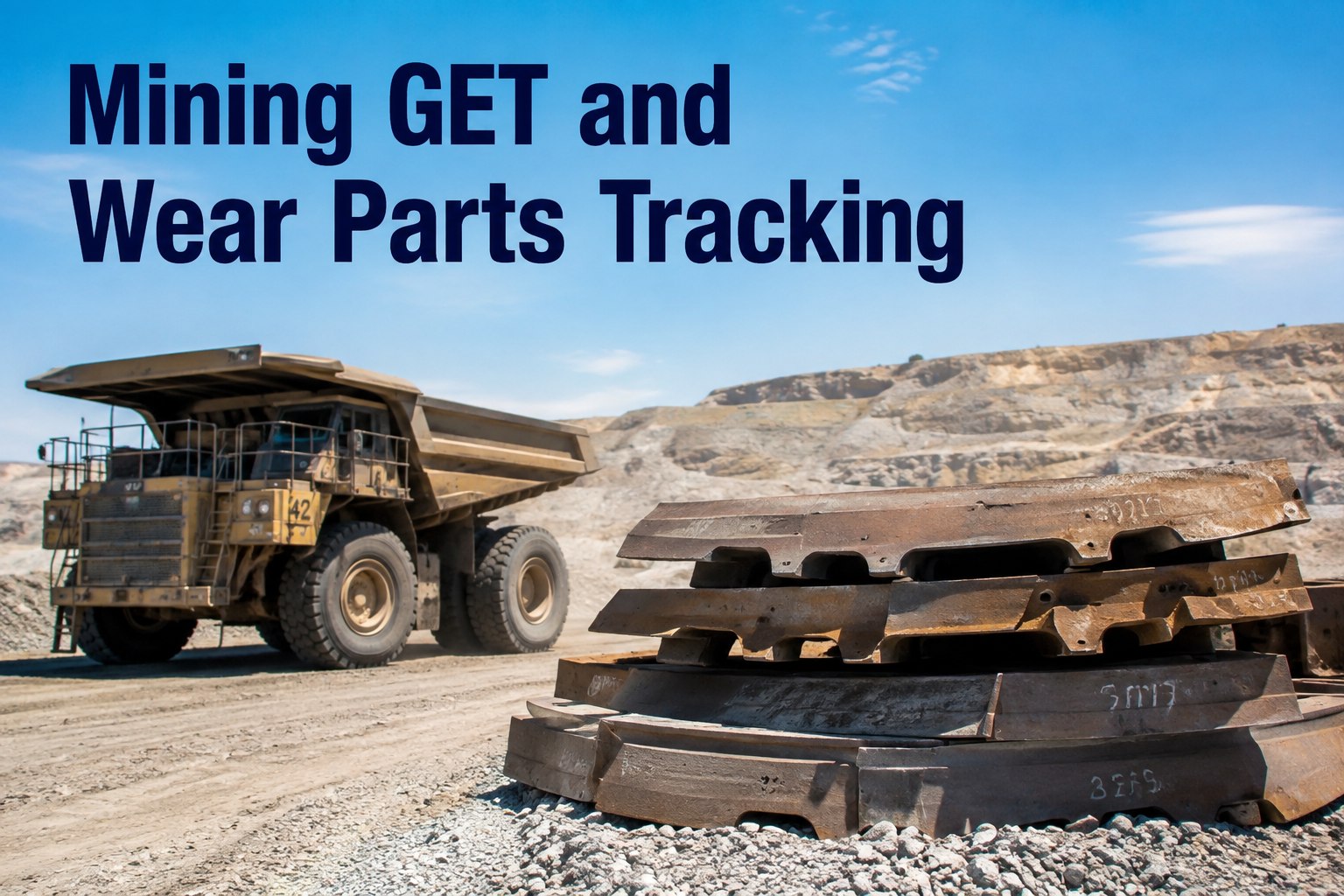
Wear parts: plan the swap on measurement, not the calendar
A calendar interval treats a light month and a brutal month the same. Feed a mobile crusher abrasive, high-silica rock for three weeks straight and a 90-day liner interval means nothing — the part is already past its line.
Jaw plates
Track remaining thickness at multiple points across the face, not one spot check near the discharge end.
Cone liners
Watch profile loss against the cavity's OEM minimum — product gradation drifts before the liner visibly looks worn.
Blow bars
Weigh or measure regularly. Impact wear is uneven, and a bar near its limit can fail suddenly rather than gradually.
Screen media
Check open-area loss and tear propagation, since a small tear under load can become a full panel failure by the next shift.
Record the actual measurement, not just "OK" or "worn." A number this week compared to a number last week is what turns wear tracking into planning. Book a demo to see wear measurements logged against each part over time.
Guarding and flying material — the citation most sites get wrong
30 CFR 56.14107 requires guarding on gears, pulleys, flywheels, couplings, shafts and similar moving parts — unless they sit at least 7 feet from a walking or working surface. Relocated plant loses guards to the yard, not to negligence.
Conveyors and flying material
Unguarded conveyors next to travelways need emergency stops or railings. Screens, crushers and conveyors that throw material need guards or shields against it.
Guards stay on while running
Guards must be securely in place during operation, removed only for testing or adjustment that genuinely can't be done with them on — then put straight back.
The failure mode is almost always the same: a guard comes off for a liner change on relocation day and never gets bolted back on before the plant restarts on the new pad. Book a demo to see guarding checked with photo evidence at every inspection.
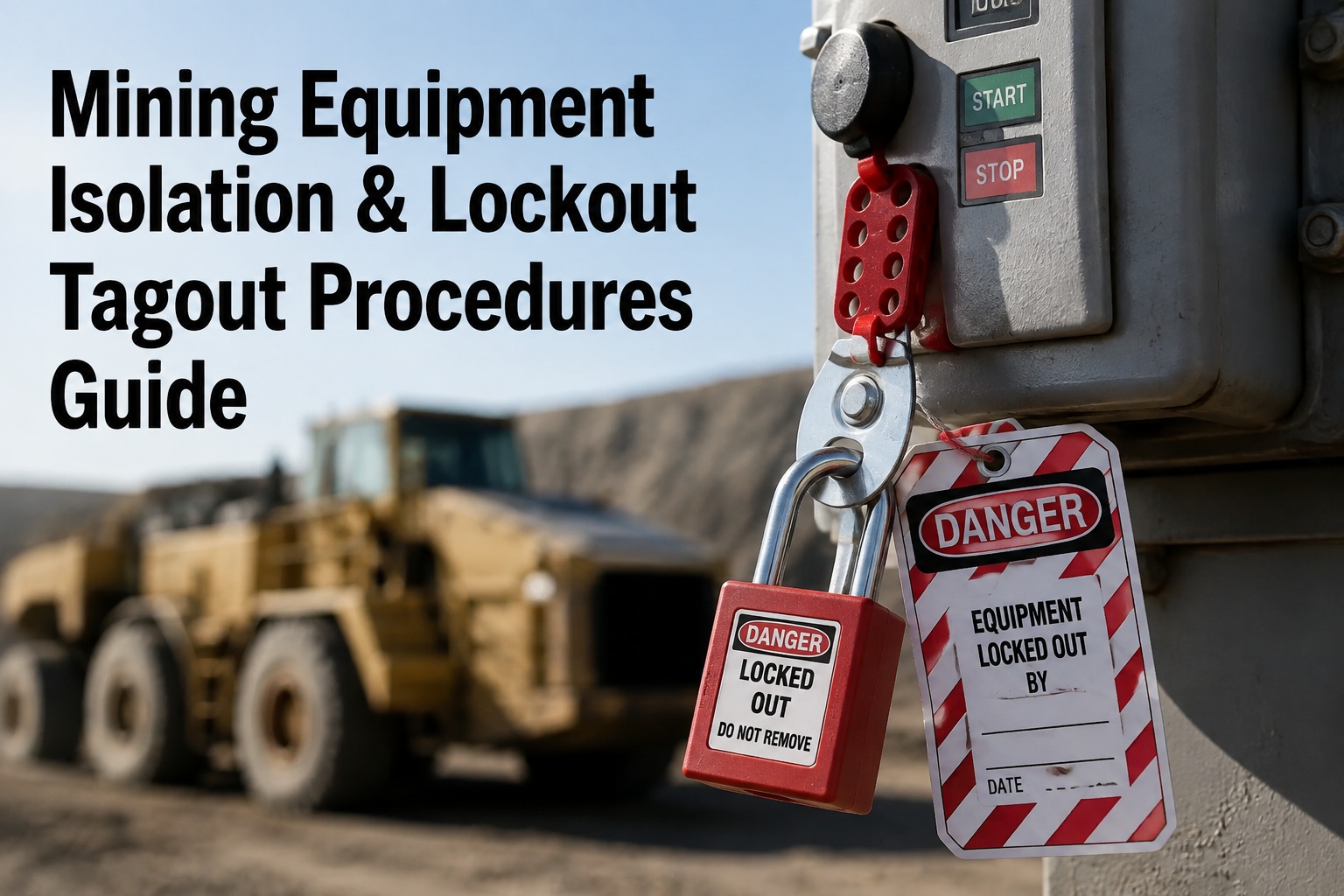
Isolation before anyone goes near the chamber
Liner changes, jaw plate swaps and cleared jams all mean a person near a crushing chamber. That's not a step you skip because the machine is small enough to feel familiar.
Where the work means entering the chamber, hopper or feed area itself, a fastened lifeline with a second person stationed at it applies — the same standard that covers bins, hoppers and surge piles anywhere else on site.
None of this is unique to mobile plant. What's unique is how easily it gets skipped on a machine your crew treats as "just another piece of mobile equipment." Sign up free and build isolation steps directly into the work order.
Tracks, idle plant, and the relocation cycle
This is the half of the job a fixed-plant checklist can't cover, because fixed plant never moves. Two failure windows show up again and again on tracked crushing and screening units.
Idle plant gets skipped
A crusher parked between contracts stops getting daily checks, so track tension, hydraulics and undercarriage wear go unnoticed until the next relocation reveals a real problem.
Setup and commissioning gets rushed
Levelling, guard reinstatement, and function checks after a move get compressed to make the schedule, on the assumption the plant that worked last site will work on this one.
Every relocation is effectively a small commissioning event: level the plant, confirm every guard is back where it belongs, run the conveyors and crusher empty before feeding material, and re-check the items that travel loosened in transit. Book a demo to see a relocation checklist that runs before the first feed.
The mobile crusher and screen inspection checklist
Six areas to confirm on every mobile crushing and screening unit, whether it's been running for months or just landed on a new pad.
Wear parts measured, not eyeballed
Jaw plates, liners, blow bars and screen media logged against a real number, not a guess.All guards present and secured
Every guard removed for relocation or a liner change is back on before restart.Isolation steps built into the work order
De-energize, lock out, block against motion, verify — every time, not just when it's convenient.Track and undercarriage on the idle-day schedule
Checked on days the plant sits still, not only the day before it moves again.Relocation ends in a commissioning check
Levelled, guarded, run empty and confirmed before the first load of feed.Dust and noise controls verified working
Suppression nozzles and enclosures checked, not assumed, since they wear and clog like anything else.From a fleet manager who moved this off paper
We ran a tracked cone unit between three sites in a season, and every relocation was the same scramble — get it level, get it fed, worry about the rest later. A guard panel sat in the back of a service truck for two weeks before anyone noticed it was missing.
Now relocation has its own checklist and nothing runs a load until it's signed off. It costs us maybe forty minutes extra per move. It's cost us zero guard citations since.
Frequently asked questions
How often should a mobile crusher's wear parts be checked?
More often than a fixed calendar interval alone. Material hardness, moisture, and throughput all change how fast a jaw plate, cone liner, blow bar or screen panel wears, so measurement against feed hours or tonnage processed catches a part approaching its limit sooner than a flat 30- or 90-day check would. Manufacturer guidance still sets the baseline minimums; measurement tells you when you're actually approaching them.
What guarding does a mobile crusher and screen need?
Under 30 CFR 56.14107, moving parts such as gears, pulleys, flywheels, couplings and shafts need guarding unless they're at least 7 feet from a walking or working surface. Unguarded conveyors next to travelways need emergency stops or railings under 56.14109, and screens, crushers and conveyors that throw material need guards or shields against flying or falling material under 56.14110.
What isolation is required before entering a crushing chamber?
Repairs and maintenance may only be performed after power is off and the machinery is blocked against hazardous motion, and electrically powered equipment must be de-energized with the switch locked out and a signed warning notice posted before mechanical work begins. Where entry into a bin, hopper or similar enclosed space is required, supply and discharge must have ceased, the equipment locked out, and a safety belt or harness with a fastened lifeline worn.
Does moving a mobile crusher between sites need a formal process?
There's no single regulation that spells out a relocation checklist, but the obligations that already apply don't pause during a move. Guards removed for transport have to go back on, the plant has to be levelled and set up per the manufacturer's instructions, and a function check before the first load of feed catches anything that loosened, shifted, or was left off during the move.
Who should maintain a mobile crusher — the mobile fleet team or the plant crew?
Either can, but whoever owns it needs training that covers both worlds: mobile-equipment basics like tracks, hydraulics and engine service, and fixed-plant disciplines like wear-part measurement, guarding, and chamber isolation. The risk isn't which team is assigned — it's a team trained for only one half of the machine treating the other half as someone else's responsibility.
Mobile crusher and screen maintenance is two programs in one machine
Track service and engine hours are only half the job. The other half is a crushing chamber and conveyor system that carries the same guarding, isolation and wear-measurement discipline as any fixed plant on site.
Own both halves deliberately — measured wear parts, guards that go back on every time, isolation as a standing step, and a relocation that ends in a real commissioning check — and the machine that fell through the gap becomes the one nobody worries about.
Give your mobile crushing spread the program it actually needs
HVI builds custom templates around your mobile crusher and screen, tracks wear parts against meter and calendar triggers, puts isolation steps directly in the work order, and keeps guarding evidence photographed and retrievable — on the same platform as the rest of your fleet.
Custom plant templates · Photo evidence · Wear & meter-based PM tracking