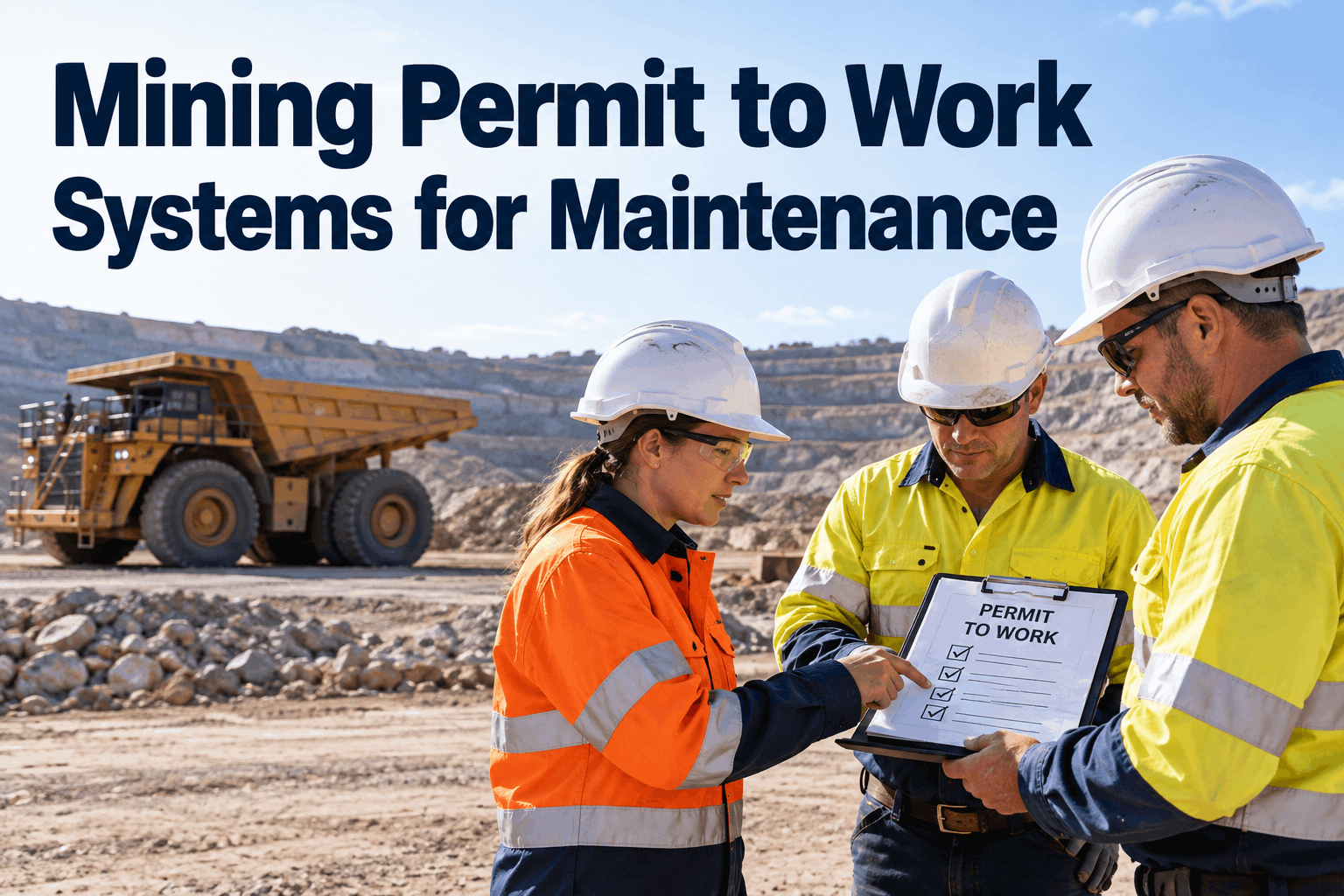
The crew is ready to repair a conveyor drive, but the isolations are not confirmed and another contractor is working nearby. A permit to work system should prevent that job from starting until the hazards, people, equipment and approvals are aligned. In mining maintenance, the permit is more than a signed form: it is a controlled conversation about exactly what work is allowed, under which conditions, and who can stop it.
Make the permit a live safety control, not paperwork after the fact.
Plan the job, verify isolations, authorize the crew and record a safe handback. Connect equipment safety checks and maintenance history to the work being planned.
What a mining permit to work system must control
Mine sites often have simultaneous activities: a fitter servicing a haul truck, electricians working on a pump station and contractors welding near a conveyor. A permit to work (PTW) system coordinates these tasks when normal procedures alone do not adequately control the risk. It identifies the scope, work area, authorized people, hazards, precautions, validity period and the conditions for suspension or closure.
The exact permit requirements depend on the mine's risk assessment, local law and site procedures. A permit is not a substitute for a risk assessment, lockout/tagout, competent supervision or physical verification. It also cannot make an unsafe task acceptable simply because a form is signed.
Could the incoming supervisor explain which equipment is isolated, what other jobs could conflict, and what would cause the permit to be suspended? If not, the permit process needs a clearer handover.
Use Book a Demo — Explore HVI Equipment Safety Checks to see how digital inspections can support the equipment-readiness evidence around permitted work.
Six stages of a mining maintenance permit workflow
Define the work boundary
Identify the asset, exact location, task limits, equipment state, nearby activities and planned duration. A vague description such as “repair conveyor” is not enough to establish safe boundaries.
Assess hazards and simultaneous operations
Review stored energy, falling objects, traffic interaction, mobile equipment, hot work, confined spaces, weather, ventilation and adjacent crews. Confirm whether multiple permits conflict.
Establish and verify critical controls
Qualified personnel apply the site-approved isolation procedure and independently verify the required safe state. Check access, barricades, rescue arrangements and required monitoring before work begins.
Authorize and brief the team
The designated permit issuer and work leader confirm competence, control effectiveness and the work plan. Workers understand the scope, limitations, communication method and stop-work triggers.
Monitor, suspend and revalidate
Conditions change. Shift changes, new contractors, altered isolation points or unexpected hazards may require work to stop and the permit to be reviewed or reissued under site rules.
Close and hand equipment back
Account for personnel, tools and temporary safeguards. Complete inspection and testing under approved procedures, document outstanding defects and obtain formal handback before returning equipment to service.
Maintenance teams can use Book a Demo — See Inspection-to-Maintenance Workflows to explore how equipment findings can be recorded alongside maintenance work.
Match the permit to the hazard, not just the job title
Different mining maintenance tasks require different evidence before authorization. The following matrix is a planning aid; always follow site-specific requirements and the applicable legal framework.
| Work activity | Critical questions before release | When to stop or escalate |
|---|---|---|
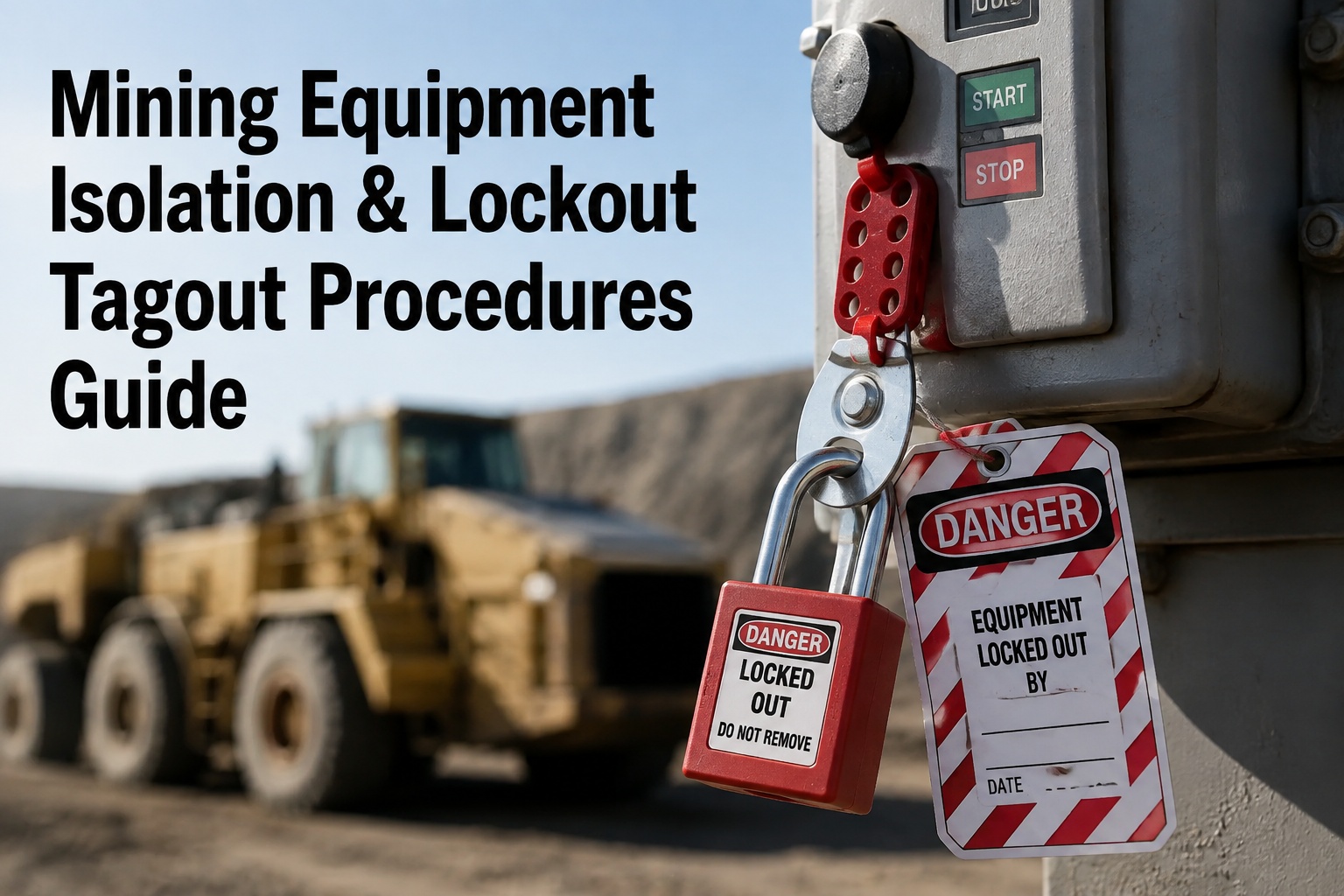
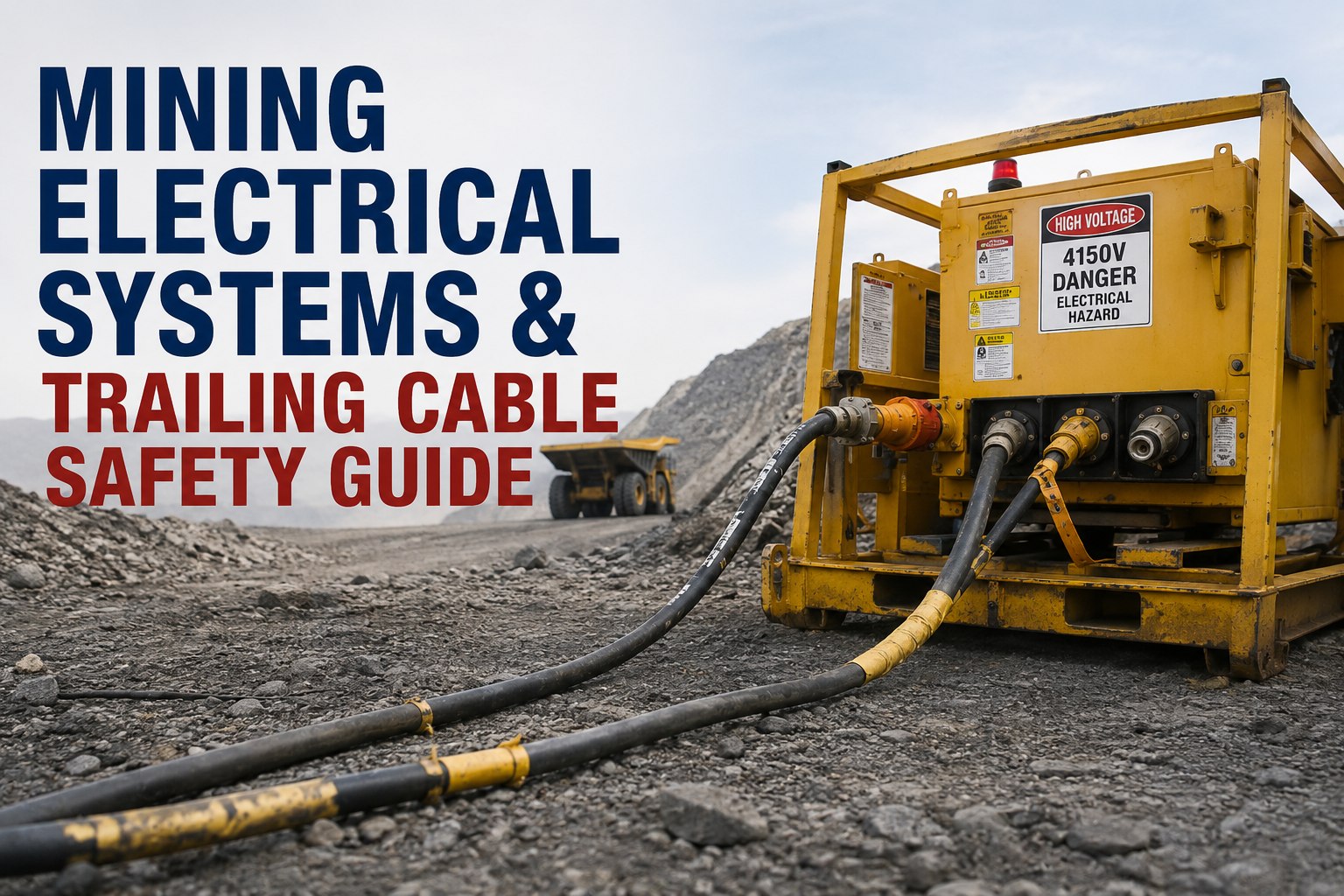
| Electrical or mechanical isolation | Are all energy sources identified, isolated and verified by authorized personnel? | Unverified isolation, unexpected motion or stored energy |
| Hot work | Are combustibles controlled, fire precautions established and required monitoring arranged? | New combustible exposure or failed fire controls |
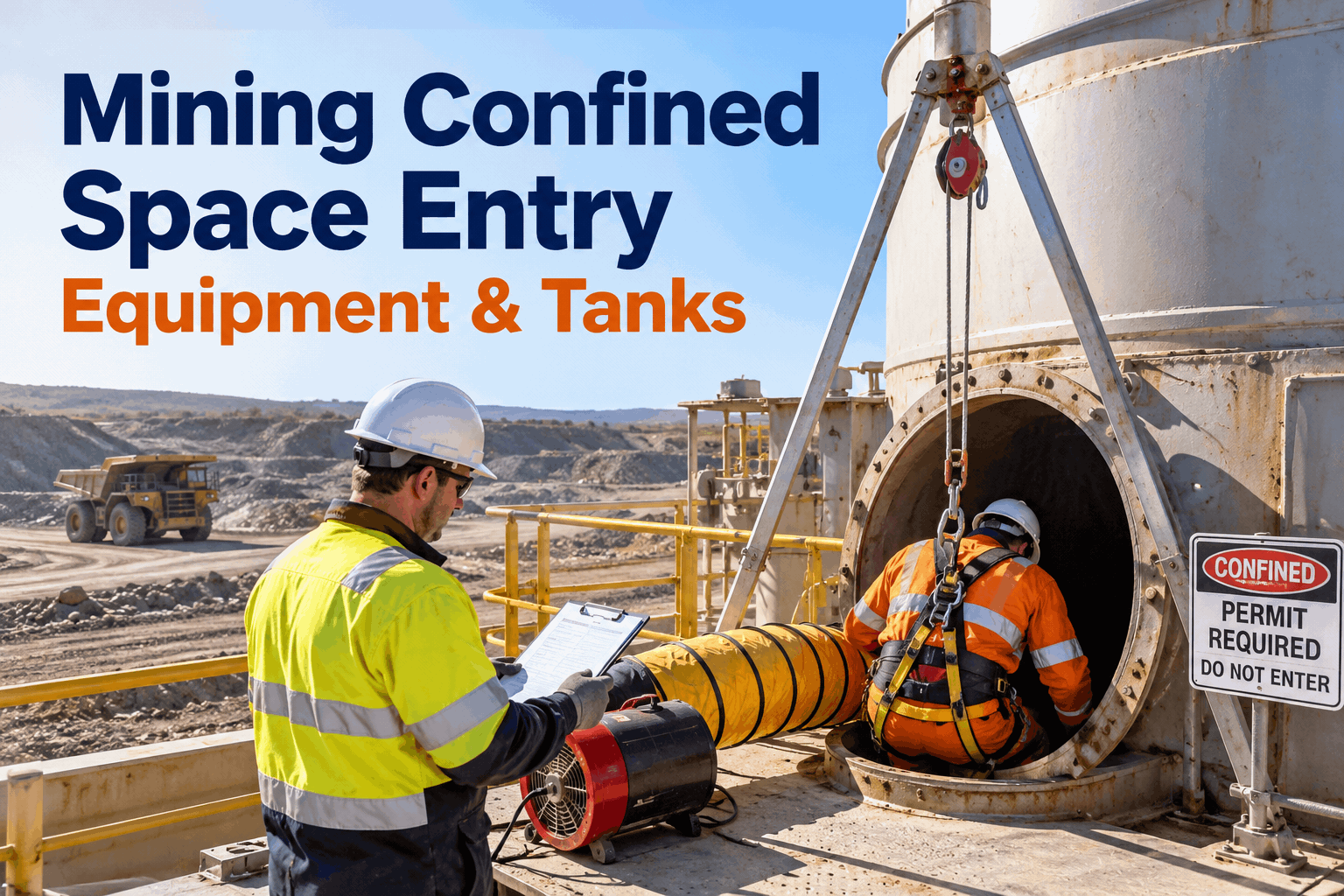
| Confined space entry | Are entry authorization, atmospheric testing, attendant and rescue arrangements in place? | Unsafe atmosphere, loss of communication or rescue capability |
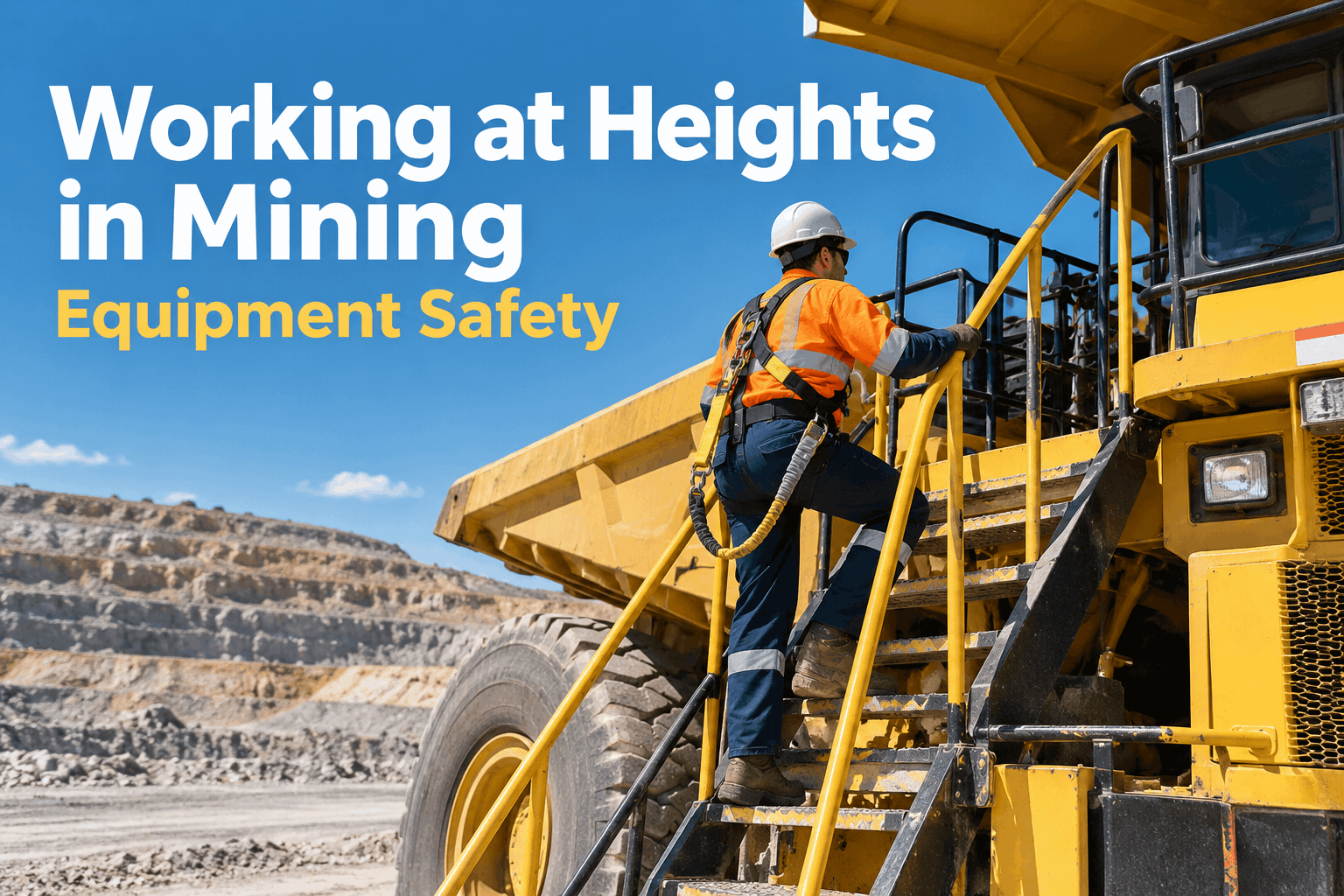
| Work at height | Is safe access available and are fall prevention/protection and rescue arrangements suitable? | Unprotected edge, damaged access or unsuitable conditions |
| Mobile equipment maintenance | Are traffic separation, stability, support and unexpected movement controlled? | Unsafe support, moving equipment or uncontrolled traffic |
Keep mining equipment defects visible before the next job starts.
Explore how HVI supports digital safety inspections, equipment records and maintenance follow-up while your site's permit authority remains in control.
Mining permit to work checklist before maintenance begins
Use these checks during pre-start coordination. The permit issuer, work leader and relevant technical authorities should confirm the controls required for the specific task.
Scope and coordination
- Asset ID, work location and scope are precise.
- Conflicting activities and shared isolations are reviewed.
- Permit validity and shift handover requirements are clear.
- Authorized workers and supervisors are identified.
Hazards and controls
- Task risk assessment matches actual conditions.
- Energy isolation is applied and verified as required.
- Access, barriers and traffic controls are checked.
- Emergency response and rescue provisions are suitable.
Release and handback
- Required tests, checks and approvals are recorded.
- Workers know stop-work and escalation triggers.
- Changes prompt suspension or revalidation.
- Closeout confirms safe handback and outstanding defects.
To strengthen the equipment-check portion of this process, Book a Demo — See Digital Mining Inspection Checklists and review how teams document defects and follow-up work.
What should a permit register and audit trail contain?
A useful register allows supervisors to answer three questions quickly: which jobs are active, what controls are in force, and who owns the next decision. Paper or electronic, the register should be current, searchable where practical and protected from unauthorized changes.
Capture permit number, asset/location, scope, hazards, isolation reference, approvers, crew briefing, issue/expiry time, suspensions, revalidations and closeout evidence. Record linked defects and maintenance actions separately where needed, so a closed permit does not conceal an unresolved equipment fault.
For equipment history, Book a Demo — Explore HVI Maintenance Records to see how inspection findings and repair records can support maintenance reviews.
Where HVI supports mining permit to work readiness
Safety inspections
Document pre-work equipment condition, safety checklist results and visible defects that may affect job readiness.
Preventive maintenance
Keep planned service visible so maintenance tasks can be coordinated with approved shutdown windows.
Equipment history
Review prior inspections, maintenance activity and recurring problems before returning an asset to operation.
HVI is not being presented here as a certified electronic permit issuer, isolation verifier or replacement for site authorization. Its value is keeping related equipment inspections and maintenance information organized. You can Sign Up Free — Start Mining Equipment Inspections to explore the inspection side of the workflow.
Introduce a stronger permit process without slowing every repair
Start with a few high-risk, repeatable maintenance jobs rather than redesigning every permit at once. Walk through an actual conveyor, crusher or mobile equipment repair with the people who issue permits, perform isolations and supervise the work. Note where information is duplicated, where approvals stall and where field conditions differ from the written plan.
Review recent permits, near misses, isolation changes and maintenance delays.
Define required checks, ownership, handovers and stop-work triggers.
Test the process on selected tasks with supervisors and contractors.
Review incomplete closeouts, revalidations and unresolved equipment defects.
Useful review measures include permits requiring rework, jobs suspended for changed conditions, incomplete handbacks, overdue defect follow-ups and repeated isolation-related findings. These are management signals, not proof that a site is safe.
For teams starting to digitize supporting checks, Sign Up Free — Organize Mining Maintenance Checks and keep the permit approval process under your site's authorized personnel.
Connect mining inspections and maintenance follow-up in HVI.
See how equipment checks, defects and service history can give supervisors better context before planning hazardous maintenance.
Mining permit to work system FAQs
What is a permit to work system in mining?
It is a formal process for authorizing and controlling specified hazardous work. It defines the job scope, hazards, required controls, responsible people, validity and handback arrangements.
Is a permit to work the same as lockout/tagout?
No. A permit coordinates authorization and controls; lockout/tagout is a separate physical energy-control process carried out and verified according to applicable requirements and site procedures.
When should a mining maintenance permit be suspended?
Stop and reassess when critical controls fail, work scope changes, conditions become unsafe, or site rules require revalidation after a handover or interruption.
Can HVI issue or approve mining work permits?
This guide does not claim HVI is a dedicated electronic permit-to-work authorization system. HVI can support related safety inspections, defect documentation and maintenance records.
What records should be retained after permit closure?
Keep the authorized scope, risk and isolation references, approvals, revalidations, closeout evidence, handback confirmation and linked unresolved maintenance defects under your site's retention rules.
Make every permit decision traceable to the equipment and the work
A dependable permit to work system depends on verified controls, clear authority, active supervision and a safe handback—not just a completed form. Strengthen that process with consistent inspections and maintenance records, then review where delays and repeat defects keep appearing. Book a Demo — See HVI Mining Safety and Maintenance Workflows to explore how HVI can support the equipment information behind those decisions.