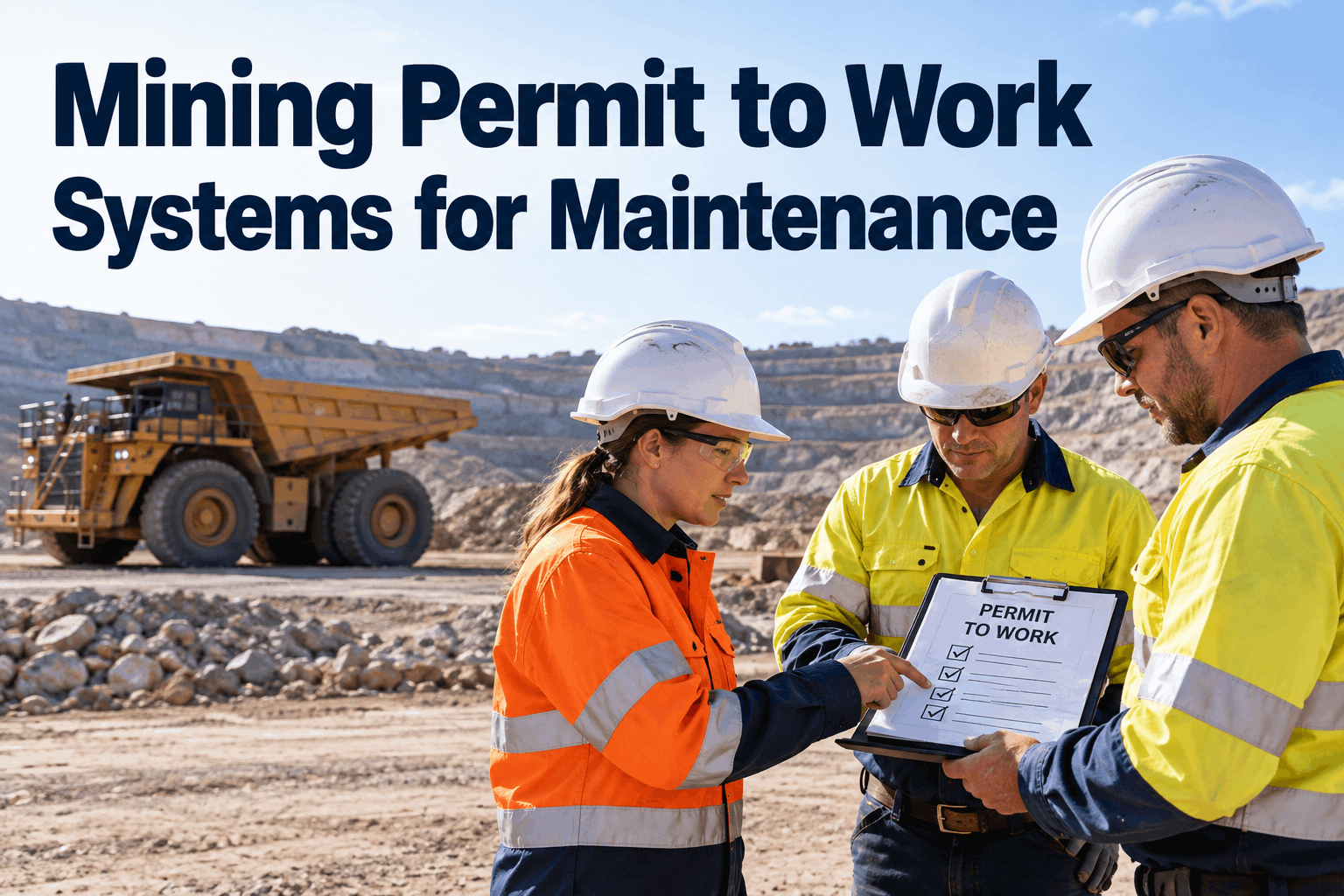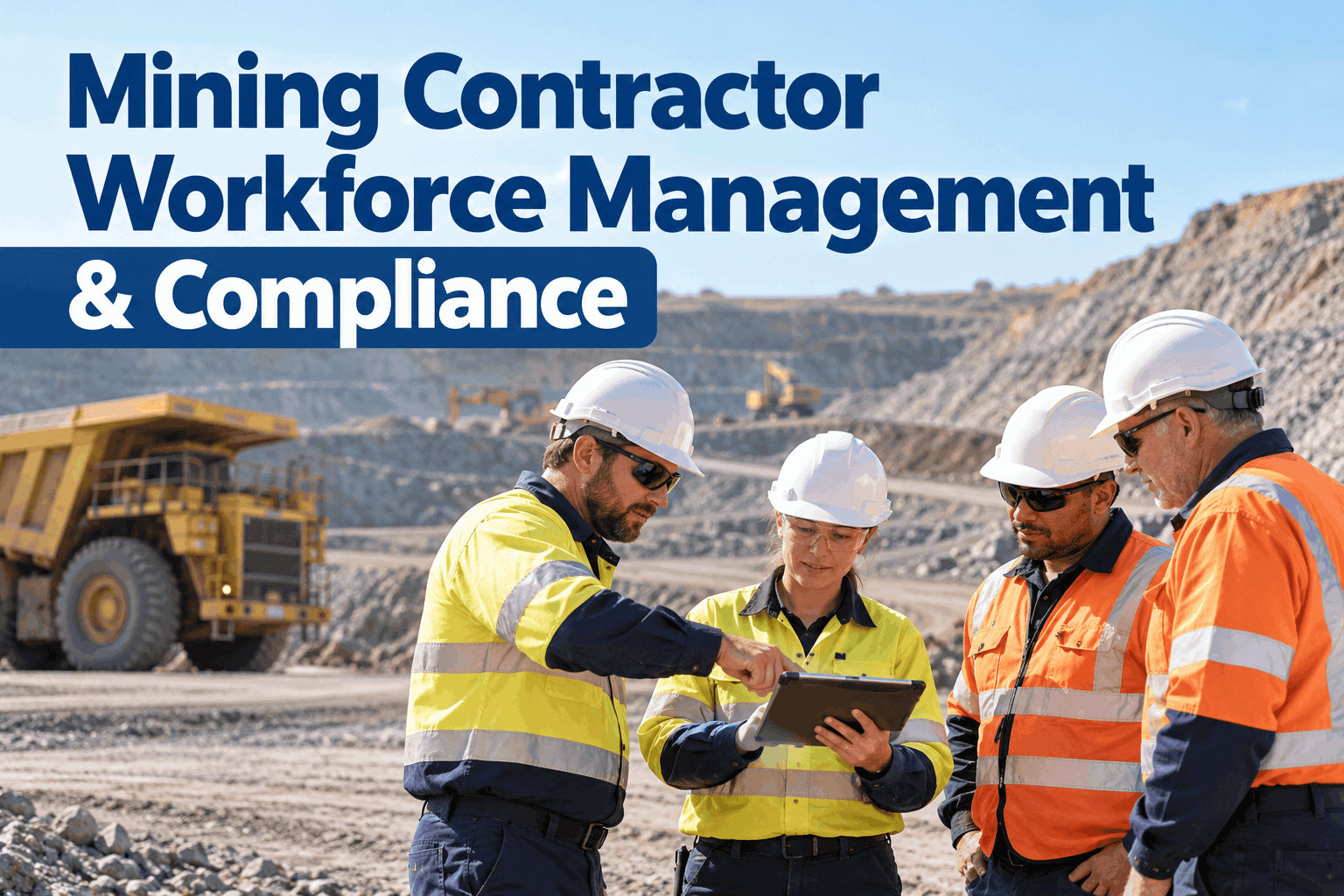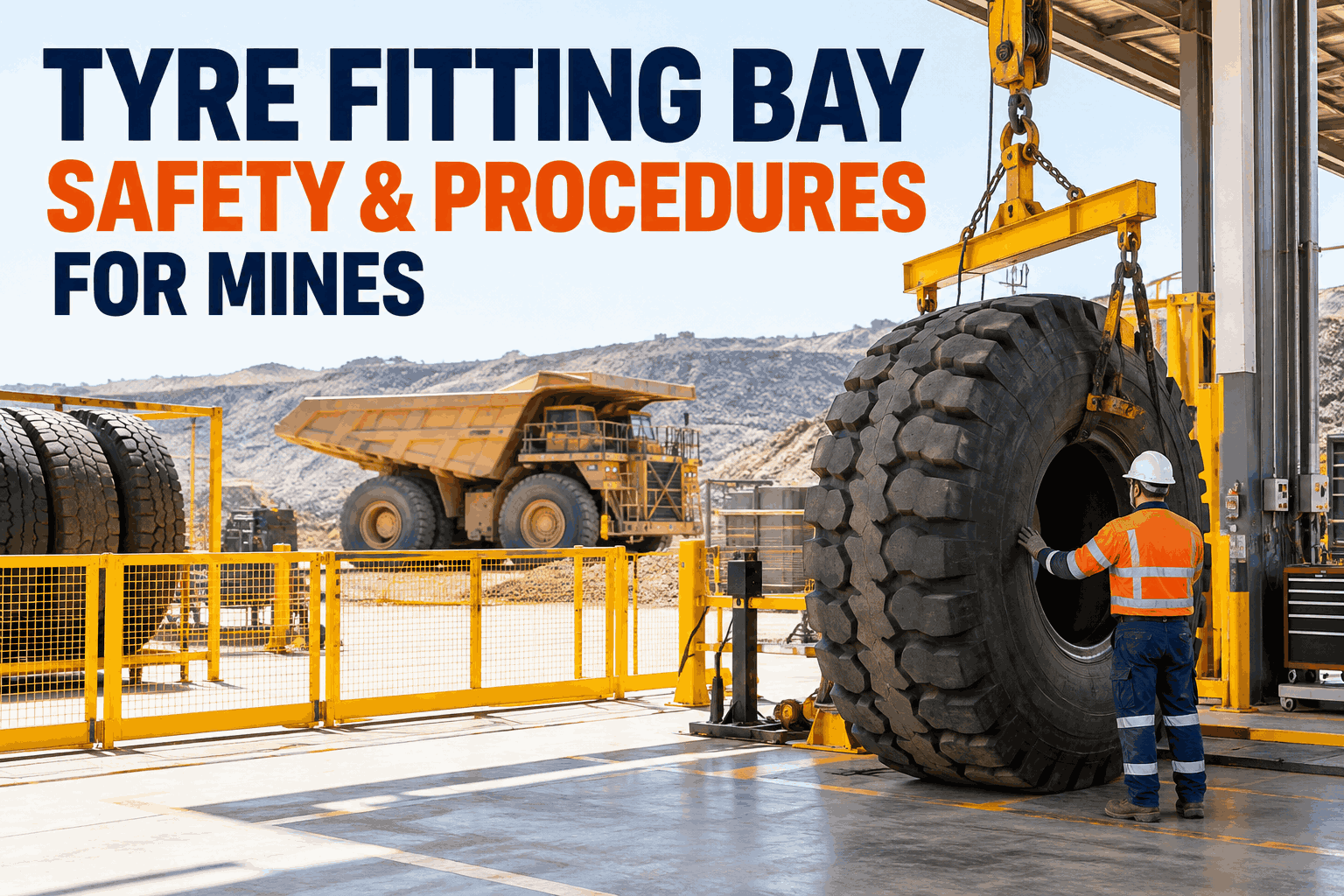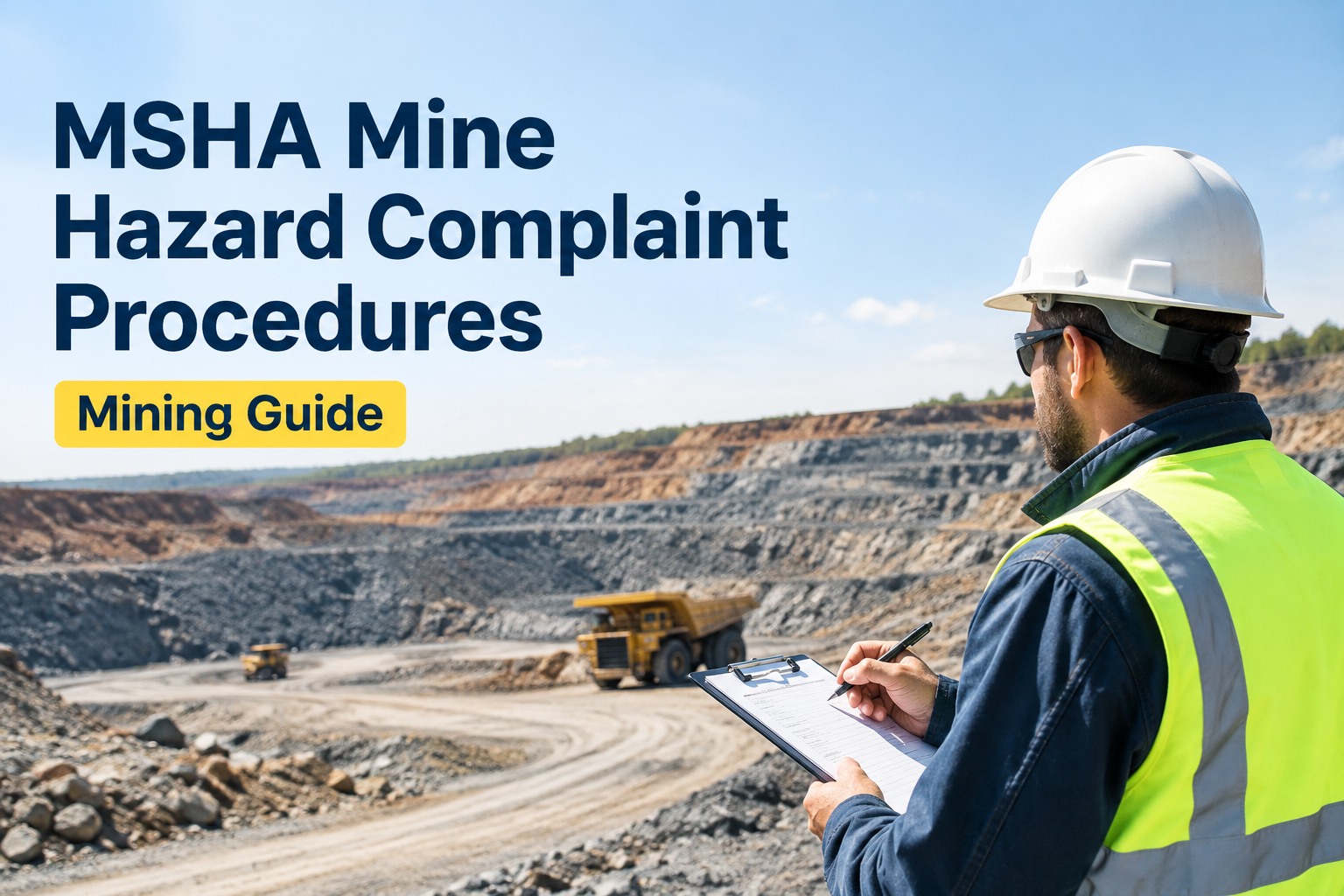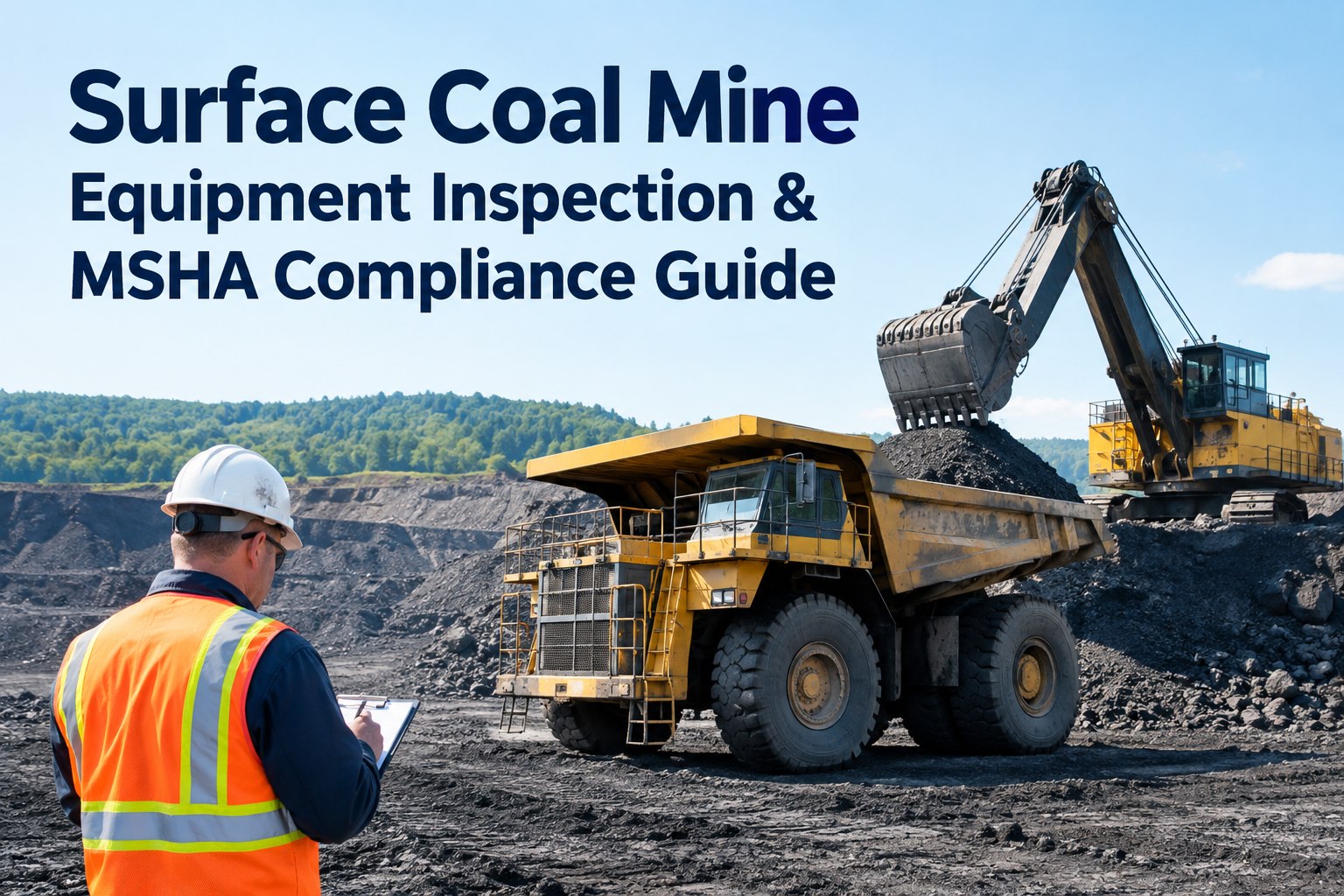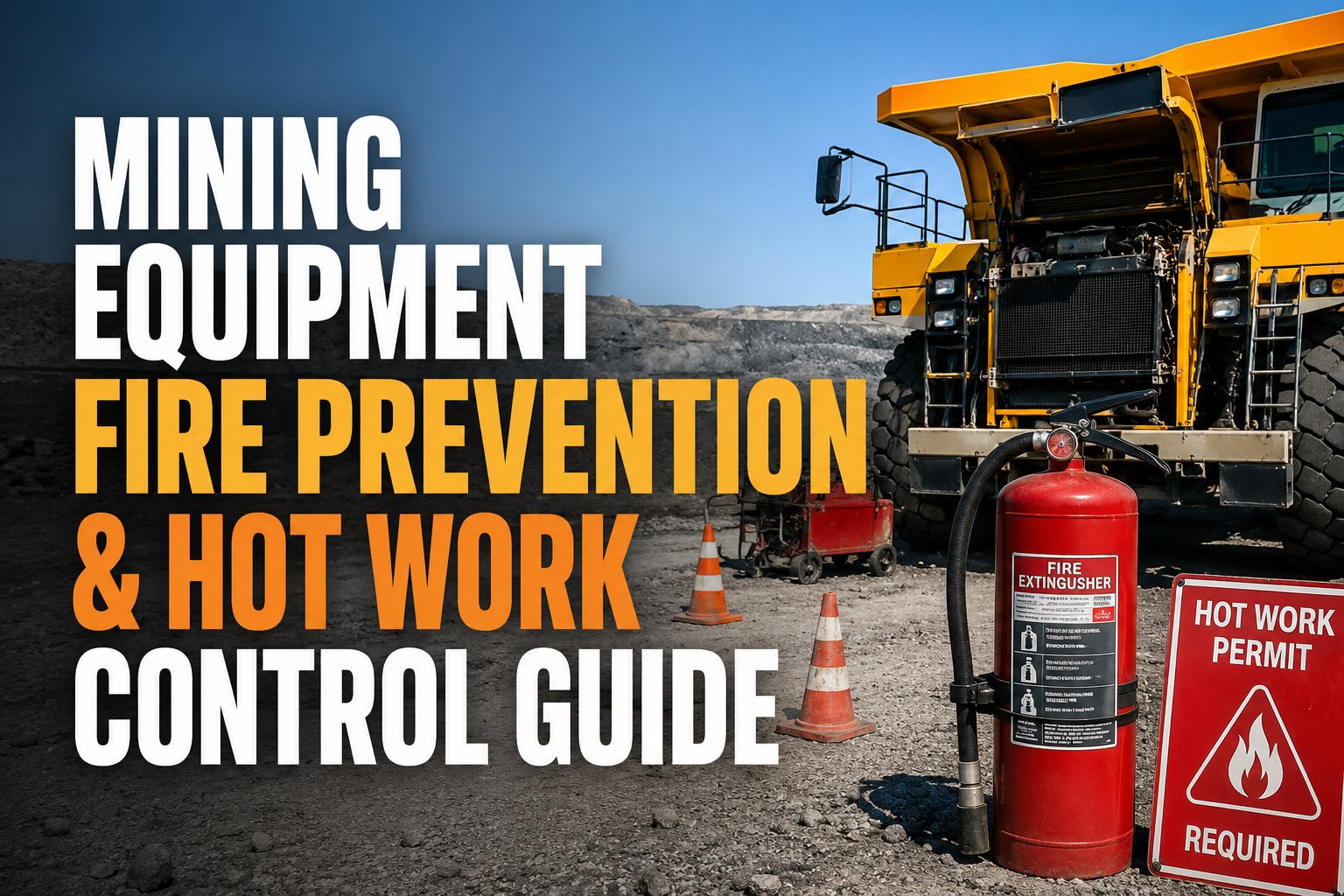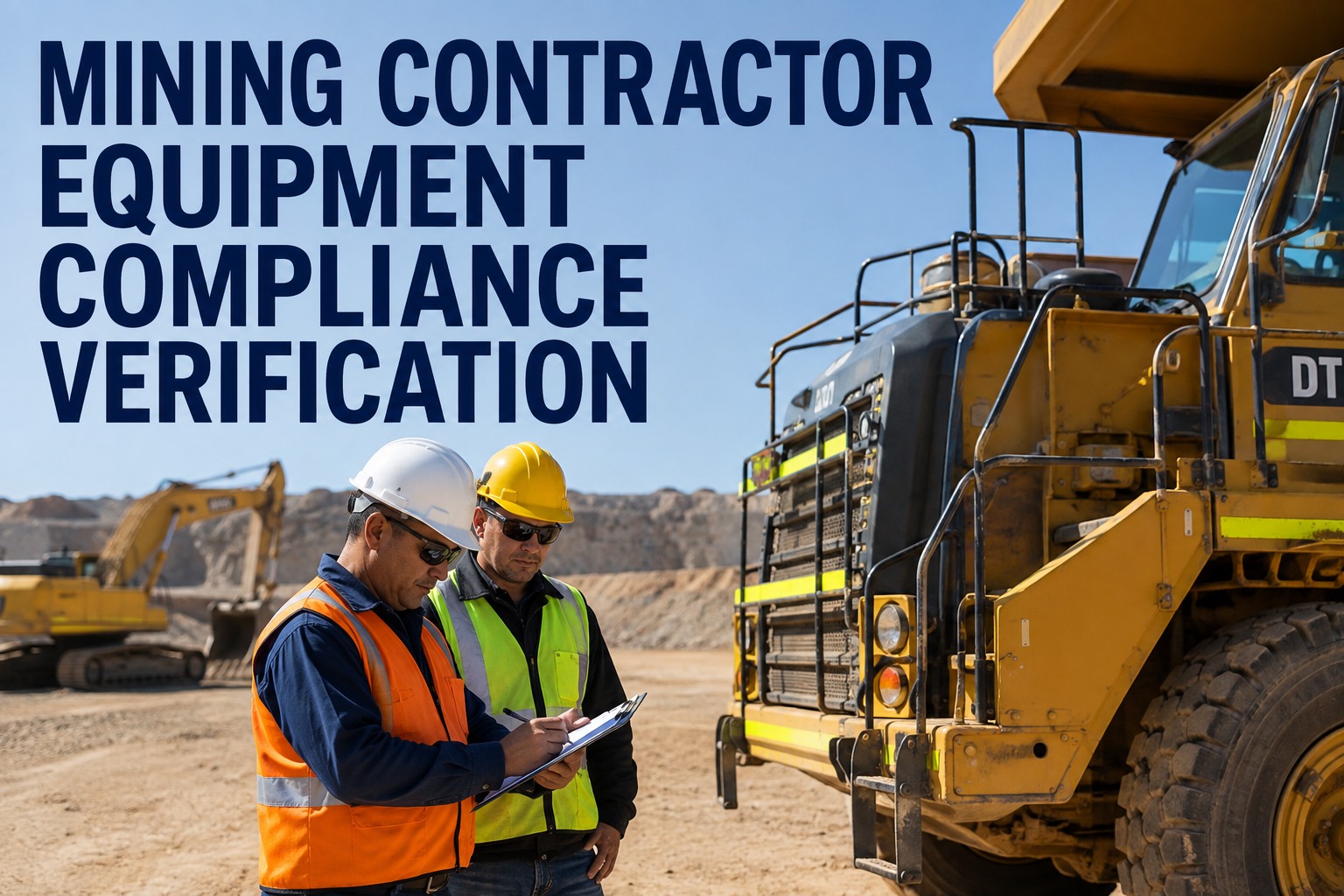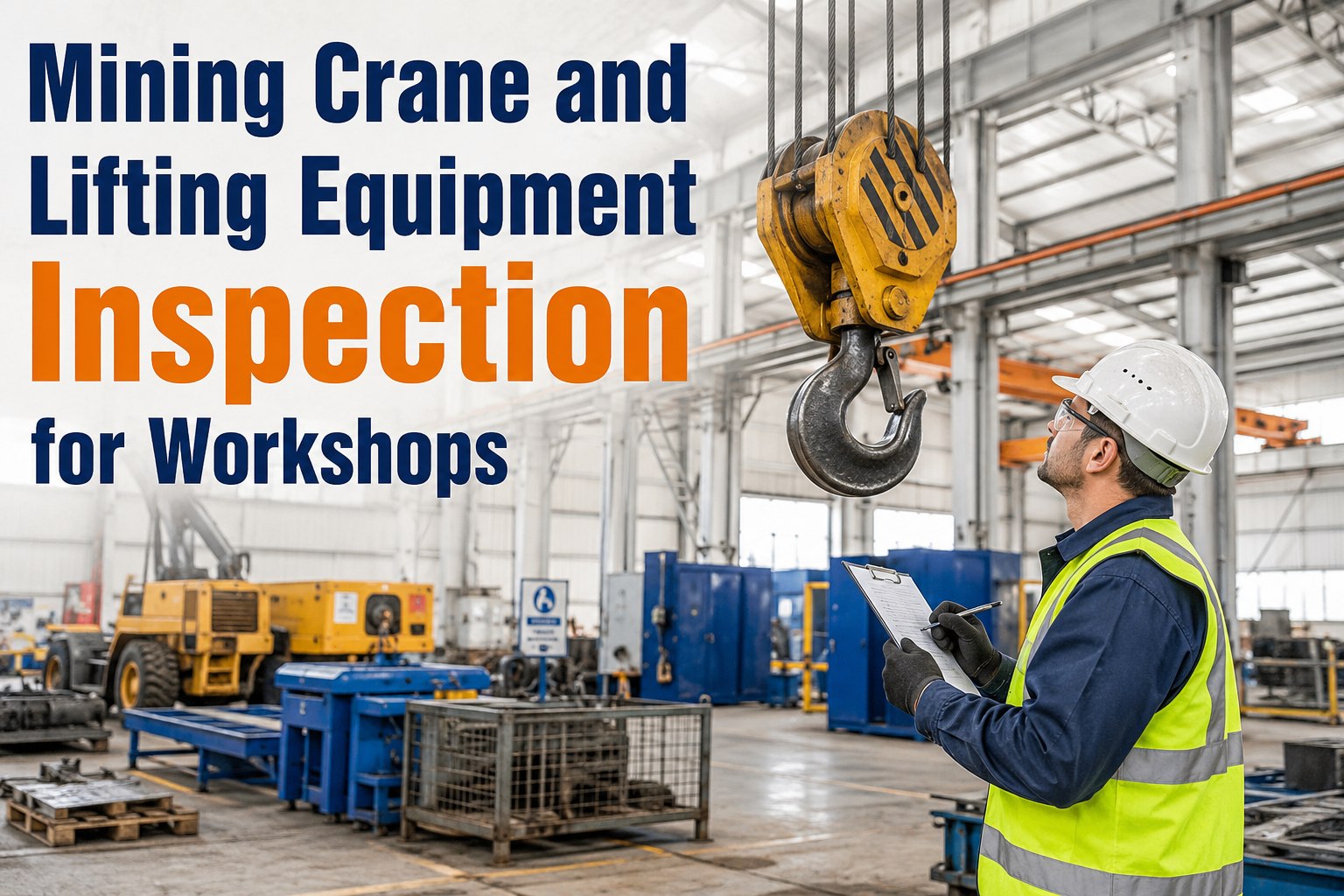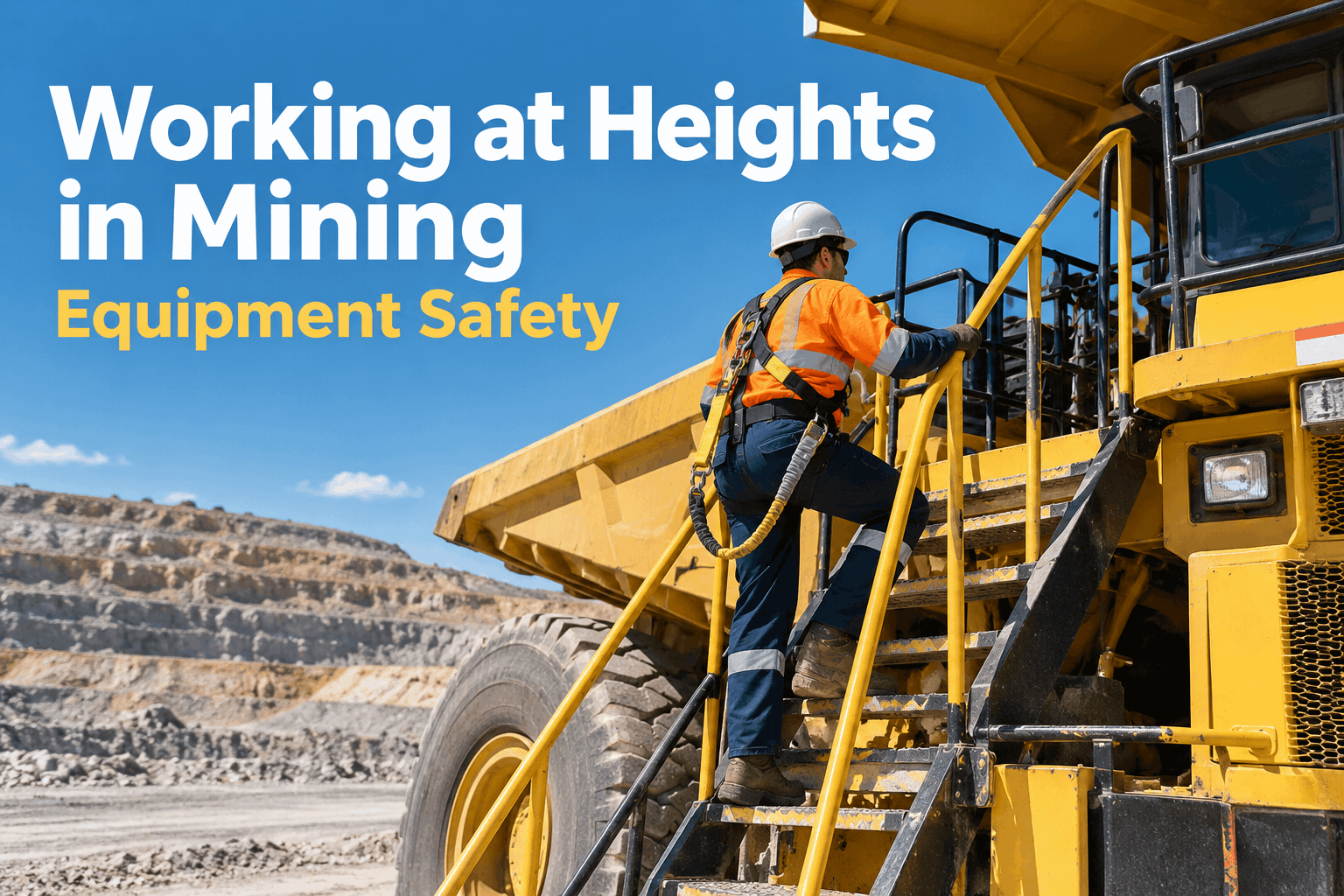
A technician climbs onto a haul truck to inspect an access panel. The deck is wet, the handrail is damaged, and the job is already behind schedule. Working at heights mining risks often begin with ordinary maintenance tasks like this—not just work on tall structures. A reliable approach identifies the exposure, chooses a safer access method, checks protective equipment, and documents defects before work begins.
Working at Heights on Mining Equipment & Plant
Plan safe access to haul trucks, crushers, conveyors and fixed plant—then connect inspections, defects and maintenance follow-up in HVI.
Where mining working-at-heights hazards appear
The fall risk is determined by the work location and possible consequences—not by a single universal height threshold. Site rules and applicable regulations may set specific requirements.
Mobile mining equipment
Haul truck decks, dozer engine compartments, loader access steps, service platforms and elevated fuel or fluid points.
Check: steps, handholds, rails, surface conditionFixed processing plant
Crushers, screens, elevated conveyors, transfer points, platforms and structural maintenance access.
Check: guarded edges, openings, walkwaysTemporary maintenance access
Mobile elevating work platforms, scaffolds, ladders and temporary platforms used during shutdowns.
Check: suitability, setup, inspection, rescueBefore allocating a job, confirm the asset and work location in your equipment register. HVI's digital inspection workflows can help keep recurring access-condition checks visible to maintenance teams.
Choose the safest practical access method first
Fall arrest is not the starting point. First ask whether the task can be completed from the ground, from a permanent guarded platform, or with a suitable engineered access system.
Mining equipment access: go, correct or stop?
Use a simple decision gate before crews climb onto machinery or enter elevated plant areas.
Access is suitable, inspections are current, edges are protected, conditions are acceptable, and required personnel and rescue arrangements are in place.
Loose handrail, slippery tread, obstructed access or incomplete documentation: isolate the work area and correct the issue before proceeding.
Missing protection, unsuitable anchor, severe weather exposure, unprotected opening or no workable rescue provision: do not start elevated work.
Record failed checks with photos and a clear asset ID. A Book a Demo — See How HVI Tracks Access Defects walkthrough can show how inspection findings feed maintenance follow-up.
Working at heights mining inspection checklist
Use this as a planning aid alongside your mine's approved risk assessment, permit rules and manufacturer instructions—not as a replacement for them.
Access and work area
- Confirm the exact asset, task and elevation exposure.
- Check steps, ladders, handholds and walking surfaces.
- Inspect guardrails, gates, toe boards and openings.
- Identify mud, ice, grease, loose material and trip hazards.
- Control traffic, suspended loads and people below.
- Confirm lighting, weather and visibility are acceptable.
People and protection
- Verify workers are competent for the access method.
- Confirm platform or access equipment suitability.
- Inspect protective equipment as required by its instructions.
- Verify anchorage and fall clearance when applicable.
- Check communication and rescue arrangements.
- Record defects, isolation and authorization before work.
Make unsafe access defects visible before the next maintenance shift
Use HVI to document equipment access checks, capture defects, assign maintenance follow-up and retain a record of completed work.
Preventive maintenance for elevated equipment access
Access systems deteriorate under vibration, corrosion, impacts, dirt and repeated use. Include them in equipment maintenance—not only annual safety campaigns.
Operator or technician identifies a damaged step, rail or access platform.
Capture the machine ID, location, defect description and supporting photos.
Qualified maintenance personnel repair or replace the affected component under approved procedures.
Confirm the repair, update records and release equipment only after required checks.
Include access components in planned service reviews where appropriate. HVI's preventive maintenance scheduling and Book a Demo — Explore Mining Equipment Maintenance Records workflow help connect routine checks with repairs and history.
What to monitor
Repeat handrail repairs, damaged steps, corroded platform supports, missing fasteners, recurring slips and temporary access issues. Group records by machine, plant area and failure type to identify repeated exposure.
What HVI does not replace
A site-specific risk assessment, engineered anchor verification, competent-person inspection, work-at-height permit, training or emergency rescue plan. Those remain under the mine's safety management process.
Example: a haul truck service platform fails inspection
During a pre-maintenance walkaround, a fitter notices a bent handrail and oily residue on the upper access deck. The task involves servicing a component above ground level. The crew stops the elevated task, restricts access and reports both conditions against the haul truck's asset record.
A supervisor arranges a safe alternative method or delays the task until suitable access is restored. Maintenance repairs the rail, removes the contamination, investigates the leak and records verification. The equipment is returned to work only after the required site authorization.
That is where Book a Demo — See Inspection-to-Repair Tracking in HVI becomes relevant: a maintenance manager can review how defects, work orders and history stay connected.
Measure whether mining fall-prevention checks are working
Avoid measuring safety only by incident counts. Look at the reliability of controls and how quickly access defects are handled.
Required access checks completed versus scheduled.
Unsafe steps, rails and platforms awaiting correction.
Recurring access problems on the same equipment.
Completed corrective work with recorded checks.
Review these alongside the mine's own permit, training and rescue readiness records. HVI's analytics and reporting can support fleet maintenance visibility; it should not be described as a substitute for specialist fall-protection management.
See how HVI helps your mining team follow up on equipment safety defects
Bring inspections, preventive maintenance and repair records together so access issues do not disappear between shifts.
Working at heights mining FAQs
What counts as working at heights in a mine?
It includes tasks where a person could fall from one level to another and be injured, such as servicing elevated truck decks, conveyor structures or plant platforms. Applicable legal thresholds and mine-specific requirements vary by location and task.
Is a fall-arrest harness always required on mining equipment?
No. The preferred approach is to eliminate exposure or prevent a fall using suitable access and guarding where practicable. Where fall protection is needed, the system must be selected through a competent task-specific assessment, including anchors, clearance and rescue.
What should a pre-work inspection cover?
Check the access route, steps, ladders, handholds, guardrails, openings, walking surfaces, weather, protective equipment where required, personnel competence and emergency arrangements. Report and correct unsafe conditions before proceeding.
When should elevated maintenance work stop?
Stop when safe access or required protection cannot be confirmed, critical components are damaged, conditions are unsafe, or the necessary rescue and authorization arrangements are absent. Follow the mine's approved stop-work process.
How can HVI support mining working-at-heights safety?
HVI can support equipment inspections, defect documentation, maintenance follow-up, preventive maintenance and asset history. It does not replace engineered fall-protection design, work permits, competency assessment or rescue planning.
Make working at heights mining controls part of everyday maintenance
Safe elevated work depends on access design, competent planning, appropriate protection and timely correction of defects. The best inspection is one that changes what happens next: unsafe access is stopped, the problem is repaired and the result is recorded. To see how HVI can support that equipment maintenance process, Book a Demo — Explore Mining Equipment Safety Inspections.