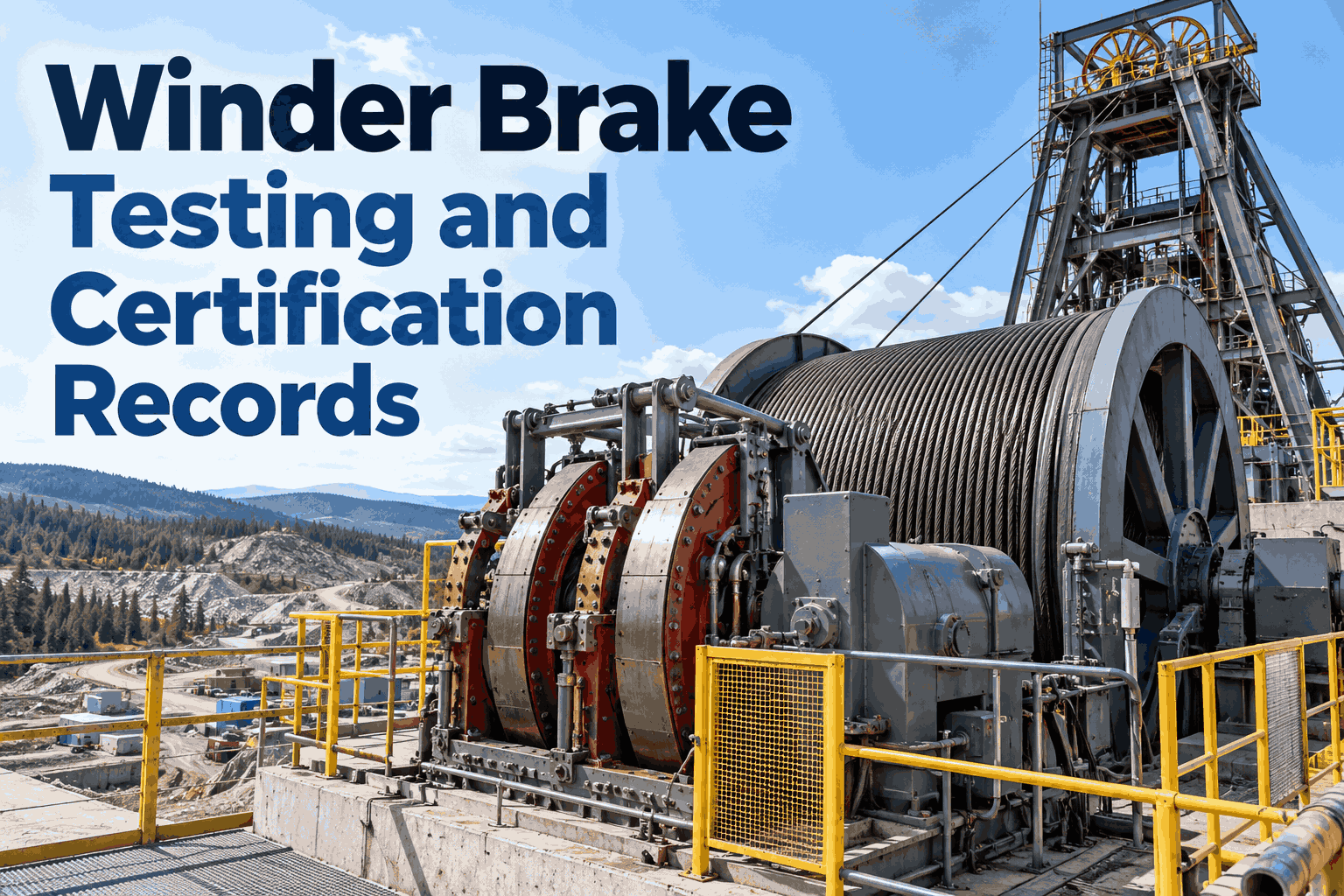
Winder brake testing is the one job on a mine hoist where the brake being fine isn't enough — the shaft only keeps hoisting if the test is current, passed, and on paper. A brake can hold perfectly and the winder still gets stood down the moment an inspector asks for a certificate that has quietly expired. Book a demo to keep every brake test certified and current.
The Test Is Only Done When It's Certified
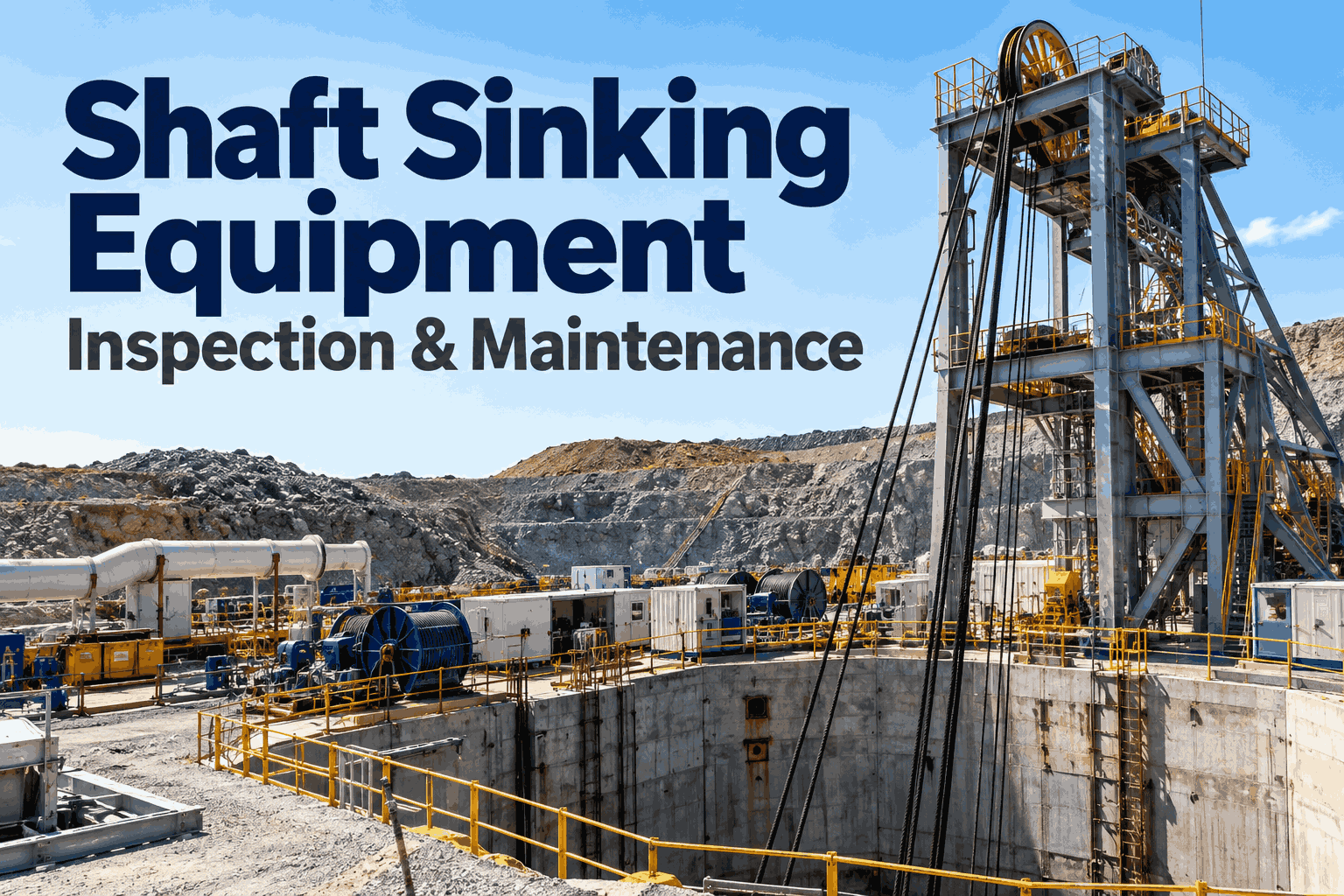
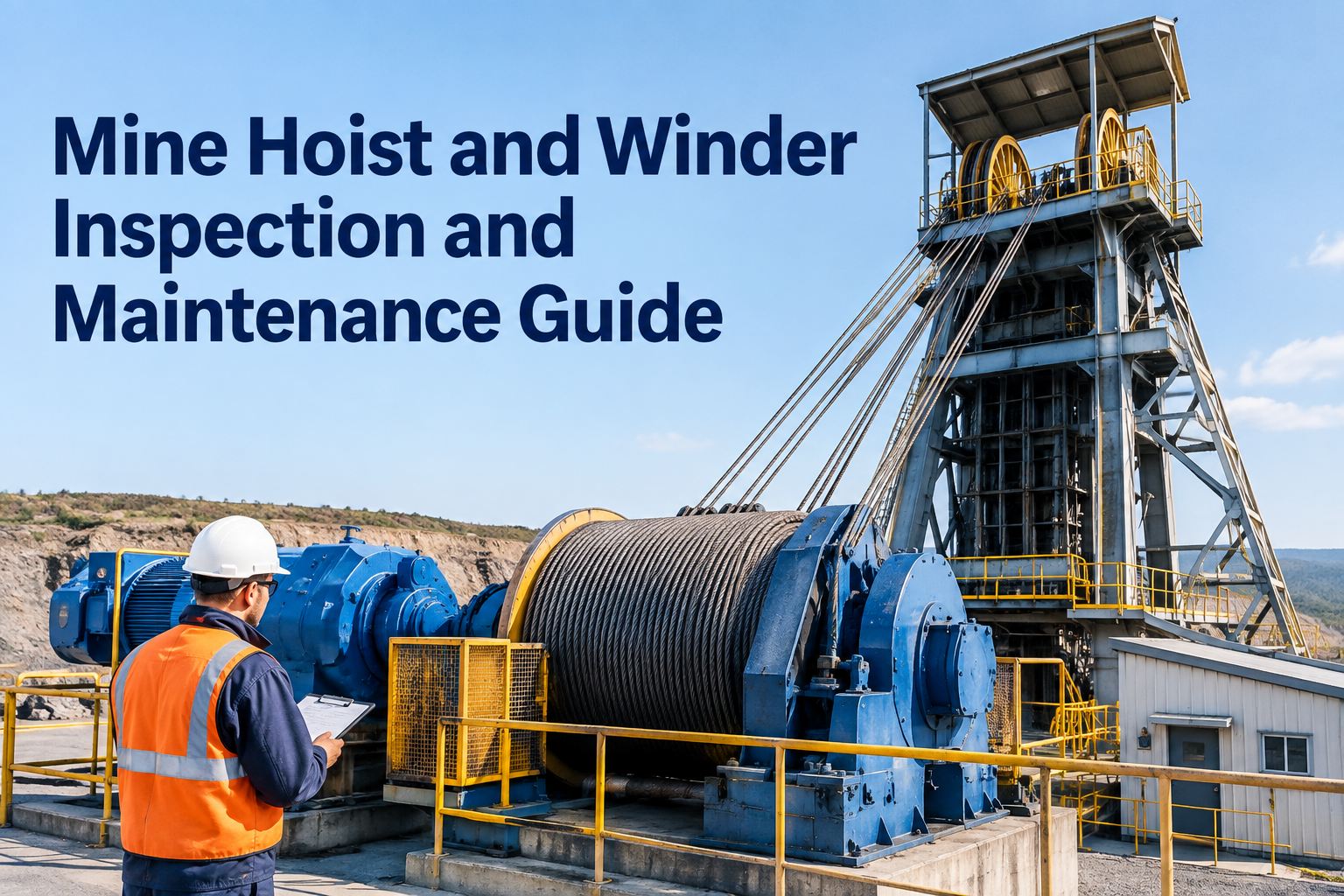
A mine winder is the one machine hoisting people up and down the shaft. Its brakes are tested to defined intervals against defined pass criteria — and the signed, dated certificate is what keeps the shaft legally operating.
This is a practical guide to winder brake testing — why the certificate matters as much as the brake, the two brake functions tested, the performance tests and their pass criteria, the intervals that keep the winder legal, and where most operations are actually exposed.
The brake can be fine and the shaft still shutwhy winder brake testing is a records job
On most machines, a working brake means you're good to go. A mine winder is different: the brakes are tested on a fixed legal clock, and the signed, dated proof of that test is a condition of running the shaft. Let the certificate lapse and the winder is stood down even with the brakes in perfect order — because without a current record there is no evidence they are.
A brake test that isn't recorded didn't happen. The winder carries people, so the standard is proof, not assurance. Winder brake testing has two outputs that matter equally: a brake that meets its pass criteria, and a certificate that proves it — on the day the inspector asks. Miss either and the shaft can't legally hoist.
Two brake functions, two things to provethe service brake and the emergency brake
A winder brake isn't one job. It has a duty function for controlled everyday stops and an emergency function that must apply on its own when something goes wrong — and testing has to confirm both, because they fail in different ways.
Service / duty brake
Brings the conveyance to a controlled stop in normal winding. Tested for smooth, repeatable stopping and correct holding once stopped.
Emergency / safety brake
Spring-applied, fail-safe: it applies by itself on power loss, overspeed or a trip signal. Tested to confirm it actually engages and holds the design load.
The emergency brake catches the worst day — a power failure or overspeed with a cage of people in the shaft — so its test isn't "does it stop the drum" but "does it apply on its own and hold twice the loaded weight." Confirming that is the heart of a defensible mine hoist and winder inspection program. Book a demo to structure both brake tests
The performance tests and what they proveeach test has a pass criterion, not a gut feel
Winder brake testing isn't a walk-around — it's a set of measured performance tests, each with a defined pass criterion. "Feels strong" is not a result. These make up a certified brake examination.
Holding / torque test
Can the brake statically hold the design load — typically well above the fully loaded conveyance and rope weight — without slipping?
Retardation test
Does it decelerate the load within the safe band — firm enough to stop in the design distance, but not so hard it risks the rope?
Response-time test
How quickly does the brake apply after the command or trip? A slow-applying brake lengthens the stop and eats the safety margin.
Safety-circuit / trip test
Fire the trip conditions — overspeed, overwind, power loss — and confirm the emergency brake applies automatically every time.
Every one of these produces a number or a clear pass, and every result belongs on the certificate — not in someone's head. Recording the actual figures, not just a tick, is what lets you see a brake drifting toward its limit over successive tests before it ever fails one — but only if results are captured the same way each time, the way an audit-ready inspection app captures them. Start free and record every brake-test result to spec.
The intervals that keep the winder legaldaily function checks up to the certified periodic test
Winder brake testing runs on layers — a quick functional check every operating day, up to the full measured performance test on a longer statutory interval. None replaces another, and the periodic certified test is the one the regulator actually counts.
The trap is treating the daily functional check as if it were the certified test — it confirms the brake works, not that it still meets its measured pass criteria. Scheduling the certified test so it triggers well before the certificate expires is exactly what a preventive maintenance schedule is built for. Book a demo to schedule the certified test
The certificate has a life — track it or lose the shaftfrom test to expiry, where operations get exposed
A brake-test certificate isn't a filing-cabinet formality — it's a live clock. Issued on a passed test, valid for a set period, and the moment it expires the winder's authority to hoist expires with it. Most operations don't fail the test; they lose track of where the certificate is in its life.
That last step is where a paper log or spreadsheet lets you down: the expiry date sits in a file nobody opens until the inspector does. When the certificate's clock is tracked and flags itself before the date, the re-test gets booked in time and the shaft never stops for a records reason — the difference between compliance you can prove and compliance you hope you have.
Where the records fall downthe four gaps that expose a winder
The brakes are usually the reliable part. It's the testing regime and the records around winder brake testing that quietly slip — and every one of these gaps is what turns up in an audit or, worse, an incident investigation.
None of these is a brake problem — they're a system problem, the test, the interval and the certificate living in separate places so no one holds the whole picture. Close them and winder brake testing becomes something you can stand behind on the worst day, not just the ordinary one.
From a mine maintenance manager
Our brakes were never the issue — the winder crew knew that machine cold. What nearly caught us was an inspector asking for the current brake-test certificate on the man-winder, and it taking twenty minutes and three binders to find, only to see it had eight days left. Two weeks later and we'd have been hoisting people on an expired certificate without knowing. We put every winder's brake testing on the system after that — the test runs as a fixed checklist with the actual figures recorded, the periodic test schedules itself, and the certificate flags us a month out. Now I pull any winder's brake history and live certificate status in under a minute. The brakes were always fine; what we bought was being able to prove it, on demand.
How HVI keeps every brake test certifiedrun the test, schedule the interval, hold the certificate
Winder brake testing works when the test is run the same way every time, the interval never lapses, and the certificate is always findable and in date. HVI's audit checklist manager, preventive maintenance and compliance tracking do exactly that for a shaft's winders.
Run the test to spec
The brake test as a structured checklist — every performance test, its pass criterion and its recorded figure.
Schedule the interval
Daily, weekly and the certified periodic test triggered automatically, well before the certificate expires.
Hold the certificate
Signed results stored, expiry tracked and flagged, every certificate ready to produce on demand.
It's the same discipline the whole shaft runs on — see how brake testing sits inside a full mining inspection and maintenance program. Walk through your own winders and their certificates in a quick demo
Winder brake testing: quick answers
What is winder brake testing?
Winder brake testing is the set of measured performance tests that confirm a mine hoist's brakes will stop and hold a loaded conveyance safely. It covers both brake functions — the service or duty brake for controlled everyday stops, and the fail-safe emergency brake that must apply on its own during a power loss, overspeed or trip. Typical tests include a holding or torque test (can it statically hold the design load), a retardation test (does it decelerate within the safe band), a response-time test, and a safety-circuit trip test. Each has a defined pass criterion, and the results are recorded on a signed, dated certificate that authorises the shaft to keep hoisting.
Why does the certificate matter as much as the brake?
Because a mine winder carries people, it operates under a legally mandated testing regime where proof is the standard, not assurance. The brakes can be in perfect condition, but if the certified periodic test has lapsed there is no current evidence they meet their pass criteria — so the winder is stood down until it's re-tested and re-certified. In practice most operations don't fail the brake test; they lose track of where a certificate is in its life and get caught with an expired one. That's why tracking the certificate's expiry is as important as running the test.
How often should winder brakes be tested?
On layers. A quick functional check — that the brake applies and releases correctly — happens every operating day before winding. A more detailed inspection of linings, hydraulics or air, linkages, springs and clearances happens on a shorter cycle such as weekly. The full, measured, certified performance test happens on a longer statutory interval, and any brake repair, adjustment or component change triggers a fresh certified test before the winder returns to service. The exact intervals and pass criteria vary by jurisdiction, so confirm them against your winding-engine regulations and the mine's own procedures.
What's the difference between the service brake and the emergency brake?
The service or duty brake is used for controlled stops during normal winding — it's tested for smooth, repeatable stopping and correct holding once stopped. The emergency or safety brake is typically spring-applied and fail-safe, meaning it applies automatically when hydraulic or electrical power is lost, or when a trip condition like overspeed or overwind occurs. It's tested to confirm it actually engages on its own and holds the design load — commonly well above the fully loaded conveyance and rope weight. Brake testing has to prove both functions, because they guard against different failures.
Can software manage winder brake testing and certification records?
Yes. HVI runs the brake test as a structured audit checklist so every performance test, its pass criterion and its recorded figure are captured the same way each time. Its preventive maintenance scheduling triggers the daily, weekly and certified periodic tests automatically, well before a certificate expires. And its compliance tracking stores the signed results, tracks each certificate's expiry, flags it ahead of the date, and makes any winder's brake-test history and live certificate status available to produce on demand — so the shaft is never caught with an out-of-date or missing record.
Never let a winder brake certificate expire unnoticed
HVI turns winder brake testing into a program you can stand behind — the test run to spec with real figures, the certified interval scheduled so it never lapses, and every certificate signed, expiry-tracked and ready to produce the moment an inspector asks.
No credit card · Built for underground shaft-hoisting operations
- Test both service & emergency brake functions
- Record holding, retardation, response & trip figures
- Run the certified test on its statutory interval
- Re-test & re-certify after any brake work
- Track every certificate’s expiry, flag ahead