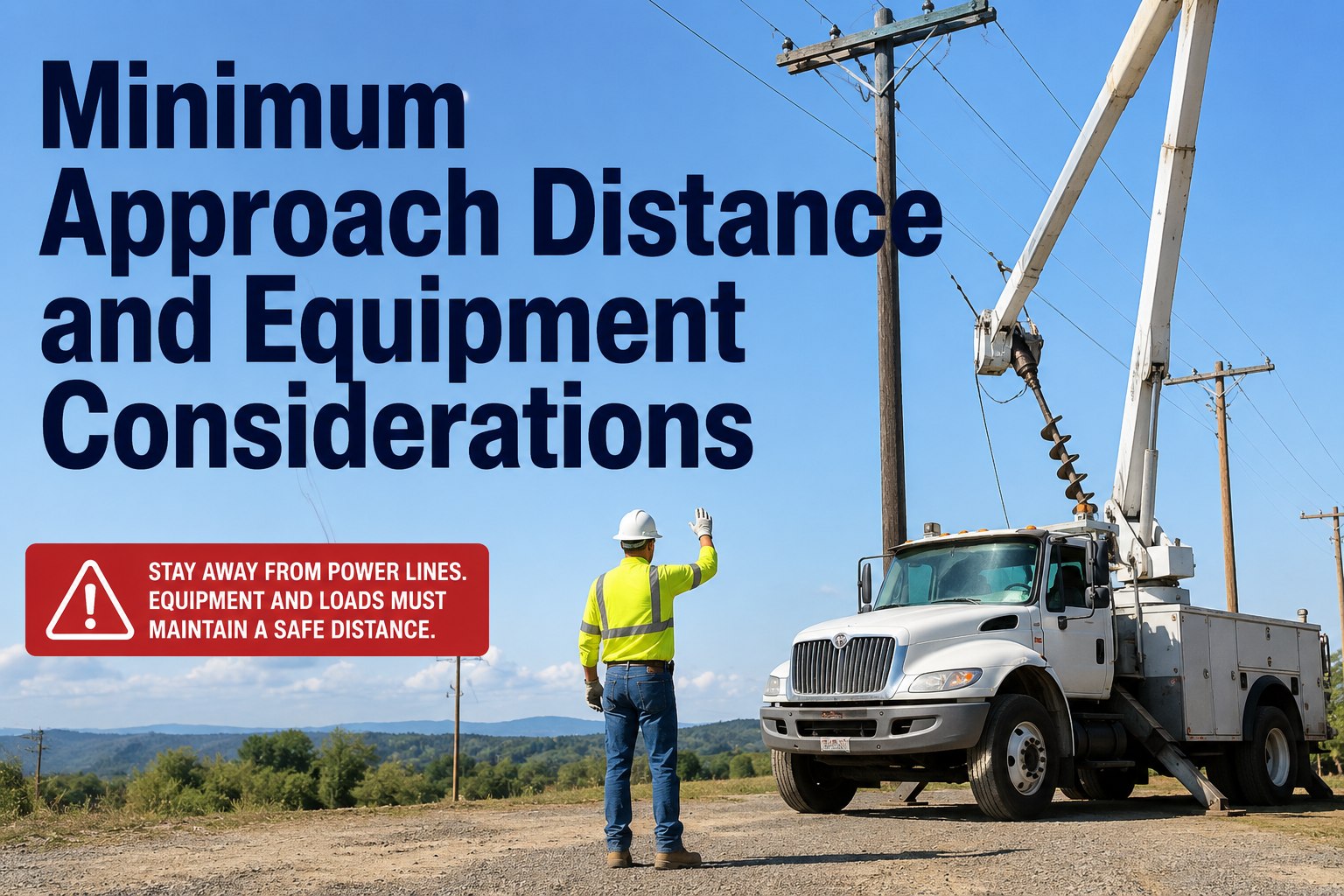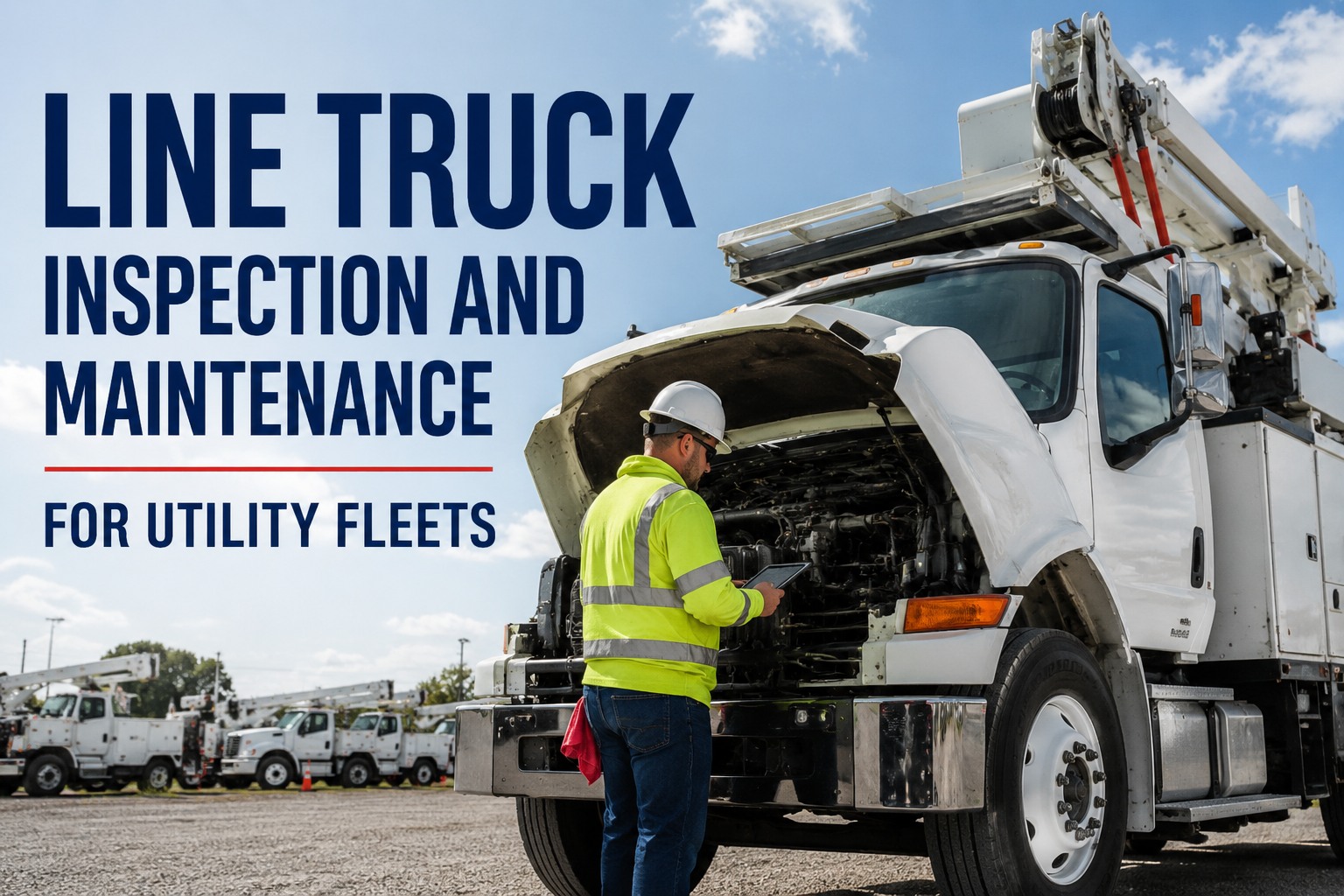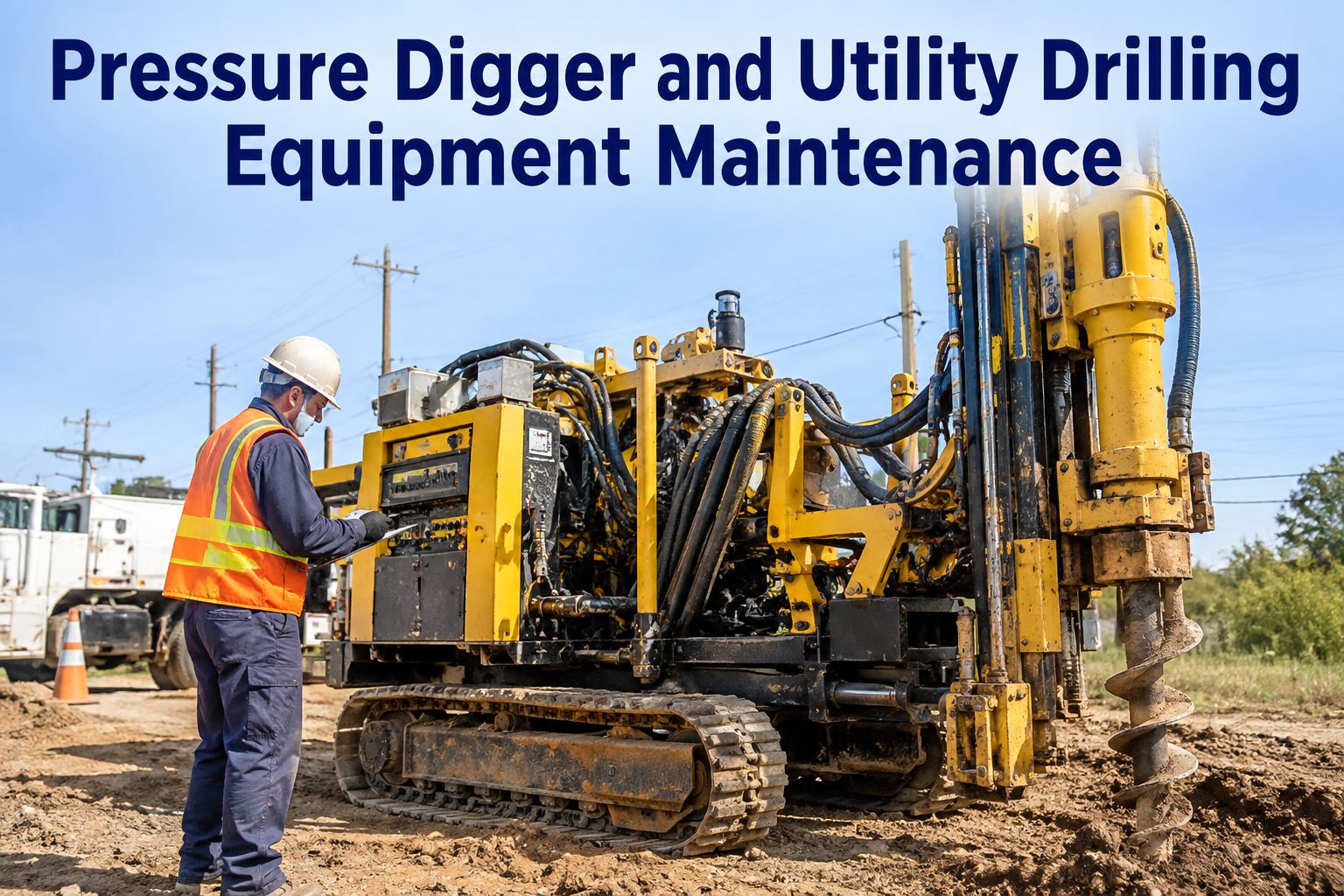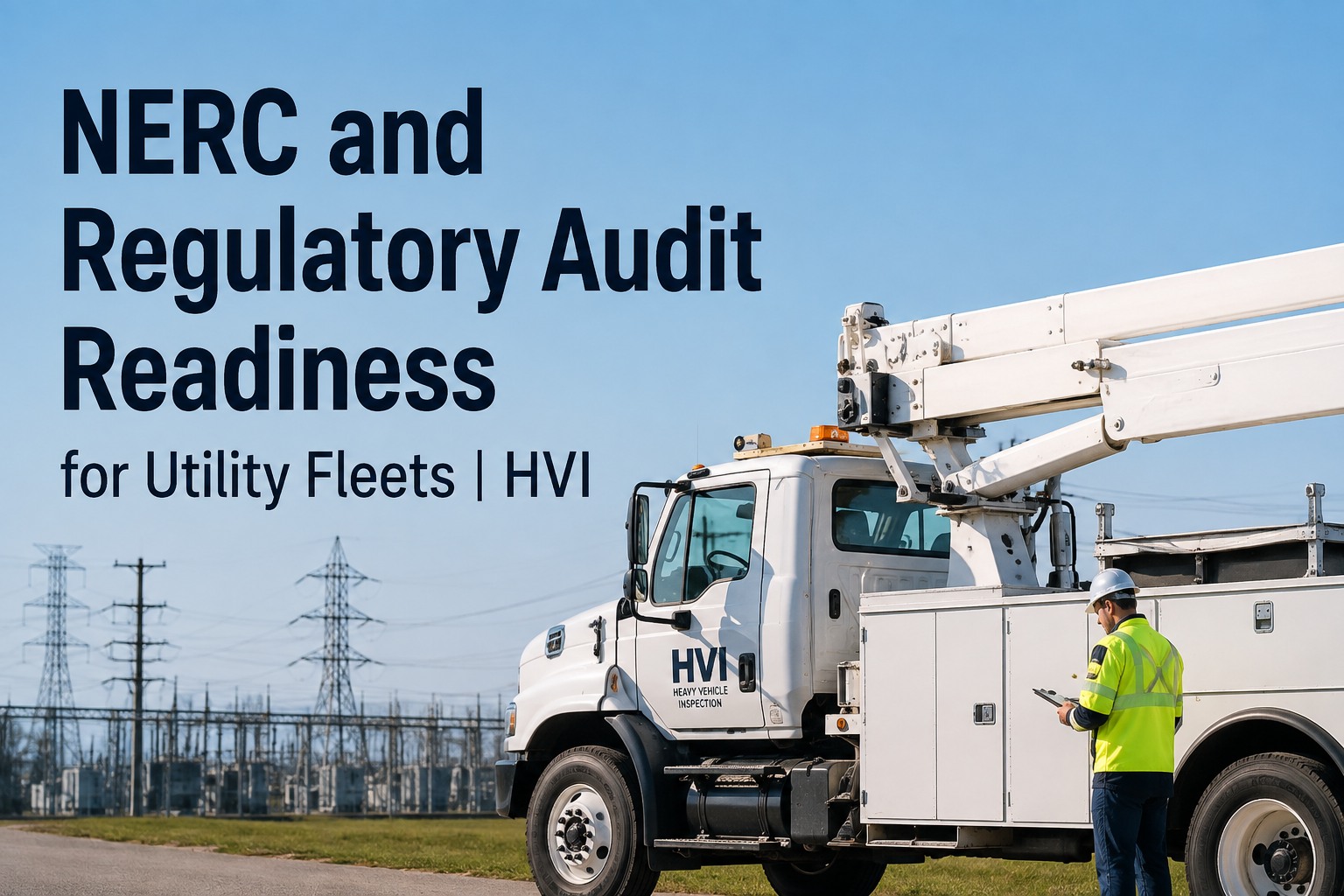
You've got a bucket truck staged under a 13.8kV line, the crew chief is asking whether the outriggers are set on firm ground, and somewhere in the cab is a binder that may or may not have last month's brake inspection in it. That moment is where NESC standards for utility fleets actually live — not in a code book on a shelf, but in the condition of your equipment and the habits of your operators. The National Electrical Safety Code (NESC) governs clearances, construction practices, and operational safety around energized systems, and while your linemen may know the clearance tables, your fleet team meets the code through PTO function, brake integrity, outrigger stability, and documented inspection records. This page breaks down where NESC sits alongside OSHA and ANSI, which provisions touch your vehicles directly, and how to build the kind of audit-ready documentation that proves compliance — whether you're running two digger derricks or two hundred. If you'd rather see how digital inspection profiles handle this than read about it, book a 30-minute walkthrough and we'll show you on your own units.
Utility Fleet Compliance
NESC Compliance Isn't a Document You Read — It's a Condition You Maintain
The National Electrical Safety Code shapes how your equipment is built, positioned, and operated near energized systems. Your fleet team meets it through brakes that hold, outriggers that don't settle, PTO systems that engage cleanly, and records that prove all three — every single day.
What Non-Compliance Actually Costs
The Real Price of a Failed Brake Test or a Missing Inspection Record
Utility fleets operate under a triple layer of oversight — OSHA for worker safety, ANSI for equipment design, and NESC for installation and clearance standards. When any one of those layers fails, the cost isn't abstract. It's a truck parked, a crew idle, a contract penalty, or worse. Here are four numbers that show what utility fleet non-compliance looks like in practice.
$15,625
Maximum OSHA penalty per serious violation — and a failed brake or outrigger inspection near energized lines qualifies
3–5 days
Typical downtime when a utility truck is pulled from service for an undocumented or overdue safety inspection
$1,200–$2,800
Daily revenue loss per aerial device or digger derrick sitting idle while a crew waits for a replacement unit
1 in 4
Roadside inspections that result in at least one out-of-service violation — brake and lighting defects lead the list
Where Each Standard Governs
NESC vs OSHA vs ANSI: Who Owns What in Utility Fleet Compliance
The confusion isn't your fault. These three standards overlap, reference each other, and sometimes seem to say the same thing in different words. But they govern different layers of the same operation. OSHA tells you what a safe workplace looks like. ANSI tells you how the equipment should be designed and tested. NESC tells you how that equipment interacts with the electrical system — clearances, construction, and operational practice near energized conductors. Your fleet team touches all three, but NESC is the one that shows up when a boom gets too close to a line or an outrigger settles on soft ground.
| Standard | What It Governs | Where Your Fleet Team Meets It |
|---|---|---|
| OSHA 1910.269 | Worker safety during operation and maintenance of electric power generation, transmission, and distribution | Job briefings, PPE, fall protection, minimum approach distances, and the requirement that equipment be inspected before use |
| ANSI A92.2 | Design, testing, and inspection of vehicle-mounted aerial devices (bucket trucks, digger derricks) | Annual dielectric testing, structural inspections, load ratings, and the manufacturer's maintenance schedule |
| NESC (IEEE C2) | Clearances, construction grades, and operational safety for electric supply and communication lines | How close equipment can work to energized conductors, grounding practices, and the condition of vehicles used near lines |
The practical takeaway: OSHA and ANSI tell you what to inspect and how often. NESC tells you what happens if that inspection was skipped and the equipment fails near a live line. All three require the same thing from your fleet — documented, timestamped, photo-backed proof that the truck was safe before it left the yard. If you're still chasing paper DVIRs and text-message photos, see how digital inspection profiles work on a live demo with your own equipment list.
Fleet-Relevant NESC Provisions
The NESC Requirements That Show Up in Your Pre-Storm Checklist
NESC doesn't publish a vehicle inspection checklist. It publishes clearance tables, construction grades, and operational rules. But those rules translate directly into equipment condition requirements — and your pre-storm or pre-shift checklist is where they become real. The HVI pre-storm inspection profile explicitly references OSHA and NESC standards for three systems: power take-off, brakes, and outrigger stability. Here's why each one matters and what a failed check looks like in the field.
Power Take-Off (PTO)
NESC expects equipment used near energized lines to operate predictably. A PTO that slips, surges, or fails to disengage turns a controlled boom movement into a hazard. Your checklist should verify engagement, disengagement, hydraulic pressure, and any interlocks — before the truck leaves the yard, not after the boom is already in the air.
Service and Parking Brakes
A truck that rolls six inches while the boom is extended near a 13.8kV line has just violated every clearance table in the code. NESC assumes the equipment stays where you put it. Your checklist should test service brakes under load, verify parking brake holding force on a grade, and confirm that brake warning systems function — not just that the pedal "felt okay."
Outrigger Stability
NESC clearance distances assume the equipment doesn't move. An outrigger that settles into soft ground, a pad that cracks under load, or a cylinder that weeps hydraulic fluid turns a compliant setup into a violation — and a tip-over risk. Your checklist should verify pad condition, cylinder integrity, ground contact, and any interlock systems that prevent boom movement without full deployment.
These aren't optional checks. They're the difference between a crew that works safely near energized systems and a crew that becomes an incident report. If your current process is a paper form that may or may not get filled out, start logging these inspections free and see what a timestamped, photo-backed record looks like.
Clearance and Construction Requirements
How NESC Clearance Tables Shape Where You Park and How You Operate
NESC Table 234-1 and its related sections define minimum clearances between energized conductors and anything that comes near them — including your equipment. The distances vary by voltage, but the principle doesn't: the code assumes your truck, boom, and load stay exactly where you planned them to stay. That assumption breaks the moment a brake fades, an outrigger settles, or a PTO surges. This is why equipment condition is a NESC compliance issue, not just a maintenance issue.
Before the Truck Leaves the Yard
Verify brakes, PTO, outriggers, and any aerial device interlocks. Document the inspection with photos and timestamps. If any system fails, the truck doesn't move — and the defect becomes a work order, not a note on a whiteboard.
At the Job Site, Before Setup
Confirm ground conditions for outrigger deployment. Verify clearance distances to any energized conductors. Conduct the job briefing and document who was present, what clearances apply, and what the equipment condition was at setup.
During Operation
Monitor for any change in equipment behavior — brake fade, hydraulic drift, outrigger settling. If anything changes, stop work and re-verify. NESC assumes static conditions; your job is to keep them static.
After the Job, Before the Next Shift
Document any defects, near-misses, or operational issues. Close the loop with a post-job inspection. If a brake felt soft or an outrigger wept fluid, that becomes a work order before the truck rolls again — not a surprise at the next setup.
This workflow only works if every step is documented. A verbal "yeah, we checked it" doesn't survive an OSHA audit or an insurance claim. If you want to see how this looks as a digital checklist with photo capture and automatic work order creation, walk through it on a demo call with your own equipment types.
Stop Chasing Paper Inspections. Start Proving Compliance.
HVI turns your NESC-relevant checks — PTO, brakes, outriggers, clearances — into timestamped, photo-backed records that survive any audit. See it running on your own fleet in a 30-minute demo.
Adoption and Jurisdiction
Is NESC Mandatory? The Adoption Question That Varies by State and Utility
NESC is a voluntary consensus standard published by IEEE. It becomes mandatory when a jurisdiction — a state, a public utility commission, or a municipal code — adopts it by reference. Most US states have adopted some edition of NESC, but the edition year varies, and some jurisdictions amend or supplement it. Canada, the UK, Australia, and the UAE have their own electrical safety codes, but the principle is the same: the code that governs clearances and construction near energized systems is the one your local authority has adopted, and your equipment condition is how you meet it.
Adopted by Reference
Most US states adopt NESC by reference, meaning it has the force of law without being reprinted in state code. The edition year matters — a state on the 2017 edition may have different clearance tables than one on the 2023 edition. Confirm which edition your jurisdiction uses.
Utility-Specific Requirements
Investor-owned utilities, cooperatives, and municipal systems often layer their own standards on top of NESC. If you're a contractor working for multiple utilities, you may need to meet the strictest version — and document that you did.
International Equivalents
Canada uses CSA C22.3, the UK uses ENA TS 43-8, Australia uses AS/NZS 7000, and the UAE follows DEWA or ADDC standards depending on the emirate. The clearance philosophy is similar; the numbers and enforcement differ. Your equipment condition requirement doesn't change.
The Practical Implication
You don't need to memorize every edition. You need to know that your brakes hold, your outriggers don't settle, your PTO engages cleanly, and you have a timestamped record proving all three. That's the part that survives an audit, an insurance claim, or an incident investigation — regardless of which code edition applies.
The adoption question matters for legal compliance, but the operational answer is the same everywhere: documented equipment condition, verified before every shift, with photos and timestamps that prove it happened. If you're managing this across multiple jurisdictions or utility clients, see how multi-site inspection profiles work in a live demo.
How HVI Helps
Turn NESC-Relevant Checks Into Audit-Ready Records Without the Paper Chase
HVI is cloud + mobile Vehicle Inspection and Maintenance Work Order CMMS software built for fleet-heavy businesses. It doesn't replace your knowledge of NESC, OSHA, or ANSI — it replaces the paper binder, the spreadsheet, and the group chat where inspection results currently go to die. Here's how four specific capabilities map to the compliance problem this page is about.
Digital Inspection Profiles
Pre-built and custom checklists that include PTO, brake, and outrigger checks explicitly referenced to OSHA and NESC standards. Technicians complete them on any phone or tablet, with photo capture for defects and timestamps that prove when the inspection happened. No more "I think we checked that last month."
Instant Defect-to-Work-Order
A failed brake test or a weeping outrigger cylinder becomes a work order the moment it's logged — not a note on a whiteboard that someone forgets. The work order carries the defect description, the photos, the technician's name, and the timestamp. When the repair is done, the record closes with the same rigor.
Preventive Maintenance Scheduling
Schedule PM by date, mileage, or engine hours — and get due and overdue alerts before a brake inspection or dielectric test lapses. The system tracks what's coming, what's due, and what's overdue, so you're never surprised by an expired inspection during a storm response or an audit.
Audit-Ready Records
Every inspection, every defect, every work order, every PM completion is timestamped, photo-backed, and searchable. When OSHA, a utility client, an insurer, or a lawyer asks for proof that a truck was safe before it left the yard, you pull the record in seconds — not days of digging through filing cabinets and text messages.
This isn't about adding another layer of bureaucracy. It's about making the compliance work you're already doing — or should be doing — actually stick. If you're ready to move off paper and into a system that proves compliance instead of just claiming it, sign up free and build your first inspection profile in the next ten minutes.
Key Takeaways
NESC Compliance Is a Habit, Not a Binder
The National Electrical Safety Code sits alongside OSHA and ANSI in the utility compliance picture, but your fleet team doesn't meet it by reading a code book. You meet it by keeping brakes that hold, outriggers that don't settle, PTO systems that engage predictably, and records that prove all three — every shift, every truck, every job site near energized lines. The adoption question varies by jurisdiction, but the operational answer doesn't: documented equipment condition, verified before use, with timestamps and photos that survive an audit.
The cost of getting this wrong isn't abstract. It's a truck parked for days, a crew idle at $1,200–$2,800 per day, an OSHA penalty that starts at $15,625, or an incident that becomes a lawsuit. The cost of getting it right is a few minutes per shift with a digital checklist and a system that turns defects into work orders before they become failures. If you're still managing this with paper and hope, book a demo and see what audit-ready looks like on your own equipment.
"I used to lose sleep over whether the pre-storm checks actually happened. We'd have a crew staged, a storm rolling in, and I'd be calling foremen asking if anyone verified the outrigger pads on Unit 47. Now I pull up the inspection on my phone, see the photos, see the timestamp, and I know. The number I track is zero — zero trucks rolled without a documented brake and outrigger check. That's the only number that matters when you're working near energized lines."
— Mike Torres, Fleet & Safety Manager, regional electric cooperative
Common Questions
NESC and Utility Fleet Compliance: What Fleet Managers Actually Ask
Does NESC apply to my fleet, or just to the utility company we work for?
NESC applies to anyone operating equipment near energized systems, including contractors. If your trucks, booms, or digger derricks work within the clearance distances defined in the code, you're expected to meet the equipment condition and operational requirements — and document that you did. The utility you work for may also layer its own standards on top, so confirm which edition and amendments apply to your contract.
What's the difference between OSHA 1910.269 and NESC for utility fleets?
OSHA 1910.269 governs worker safety — job briefings, PPE, minimum approach distances, and the requirement that equipment be inspected before use. NESC governs the electrical system itself — clearances, construction grades, and how equipment interacts with energized conductors. Your fleet team meets both through the same thing: documented equipment condition and operational practice. OSHA tells you to inspect; NESC tells you what happens if you didn't and the equipment fails near a line.
How often should we inspect PTO, brakes, and outriggers on aerial devices?
Before every shift, at minimum. ANSI A92.2 and OSHA both expect pre-use inspections, and NESC assumes the equipment stays where you put it — which only happens if brakes hold and outriggers don't settle. Many utilities also require periodic documented inspections (weekly, monthly, or annual) depending on the equipment type and usage. If you're building a digital inspection schedule, see how PM intervals work in HVI with due and overdue alerts.
What happens if we get audited and can't produce inspection records?
You're looking at OSHA citations that start at $15,625 per serious violation, potential contract penalties from the utility, increased insurance premiums, and — if an incident occurred — significant legal exposure. "We inspected it but didn't write it down" is not a defense. Audit-ready means timestamped, photo-backed, searchable records that prove the inspection happened, who did it, and what they found. Paper binders and text-message photos don't survive that test.
Can we use the same inspection checklist for all our utility trucks, or does each type need its own?
Each equipment type needs its own profile. A digger derrick has different outrigger, PTO, and boom interlock checks than a bucket truck or a cable puller. HVI lets you build custom inspection profiles per asset type, so technicians see the checks that matter for that unit — not a generic form that doesn't fit. You can start building profiles free and clone them across similar units.
Prove Every Inspection. Pass Every Audit. Keep Every Truck Rolling.
HVI turns your NESC-relevant checks into timestamped, photo-backed records that survive OSHA audits, utility client reviews, and insurance claims. See it running on your own fleet in a 30-minute demo — or start free and build your first inspection profile today.
Free to start — Works on any phone — No card needed