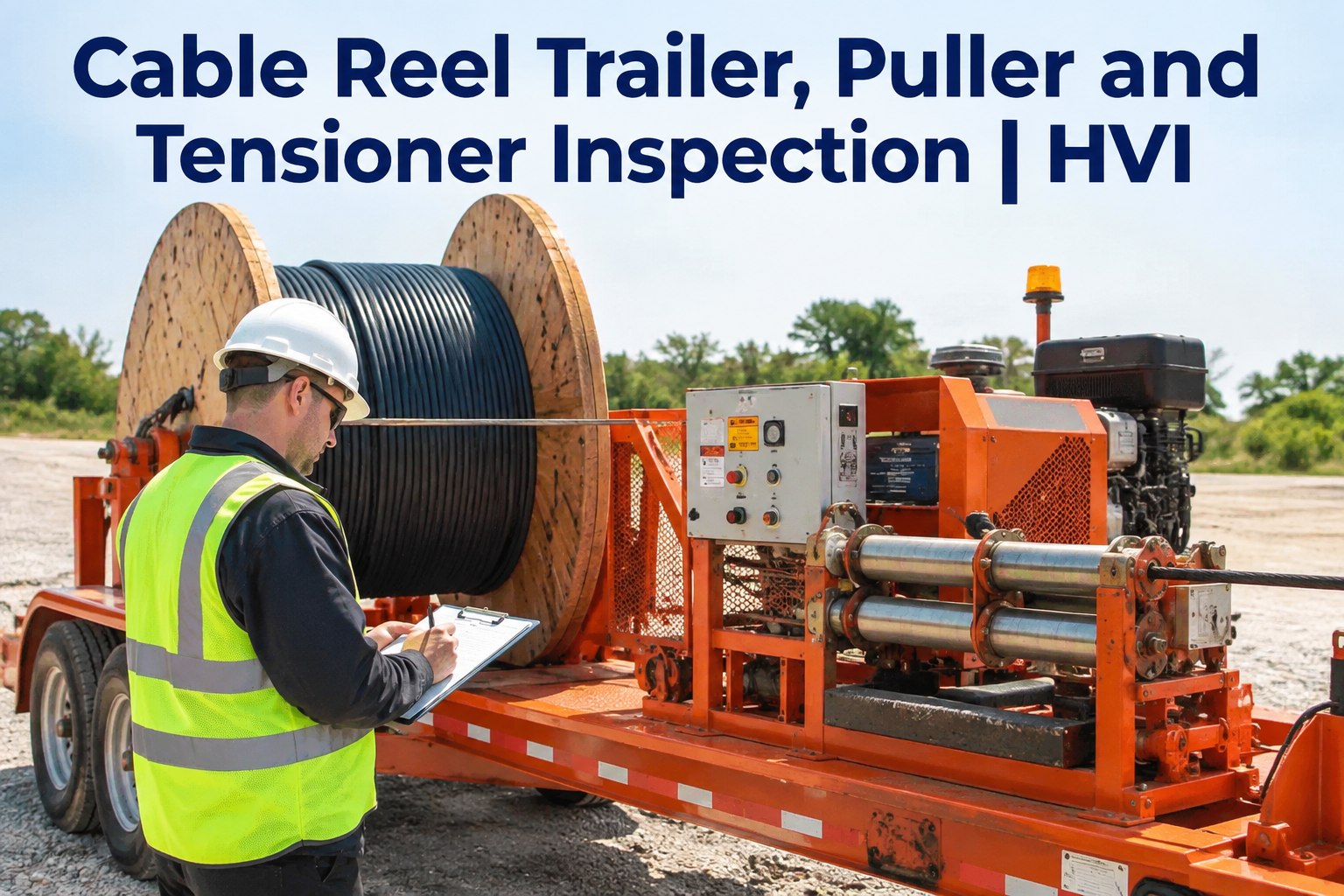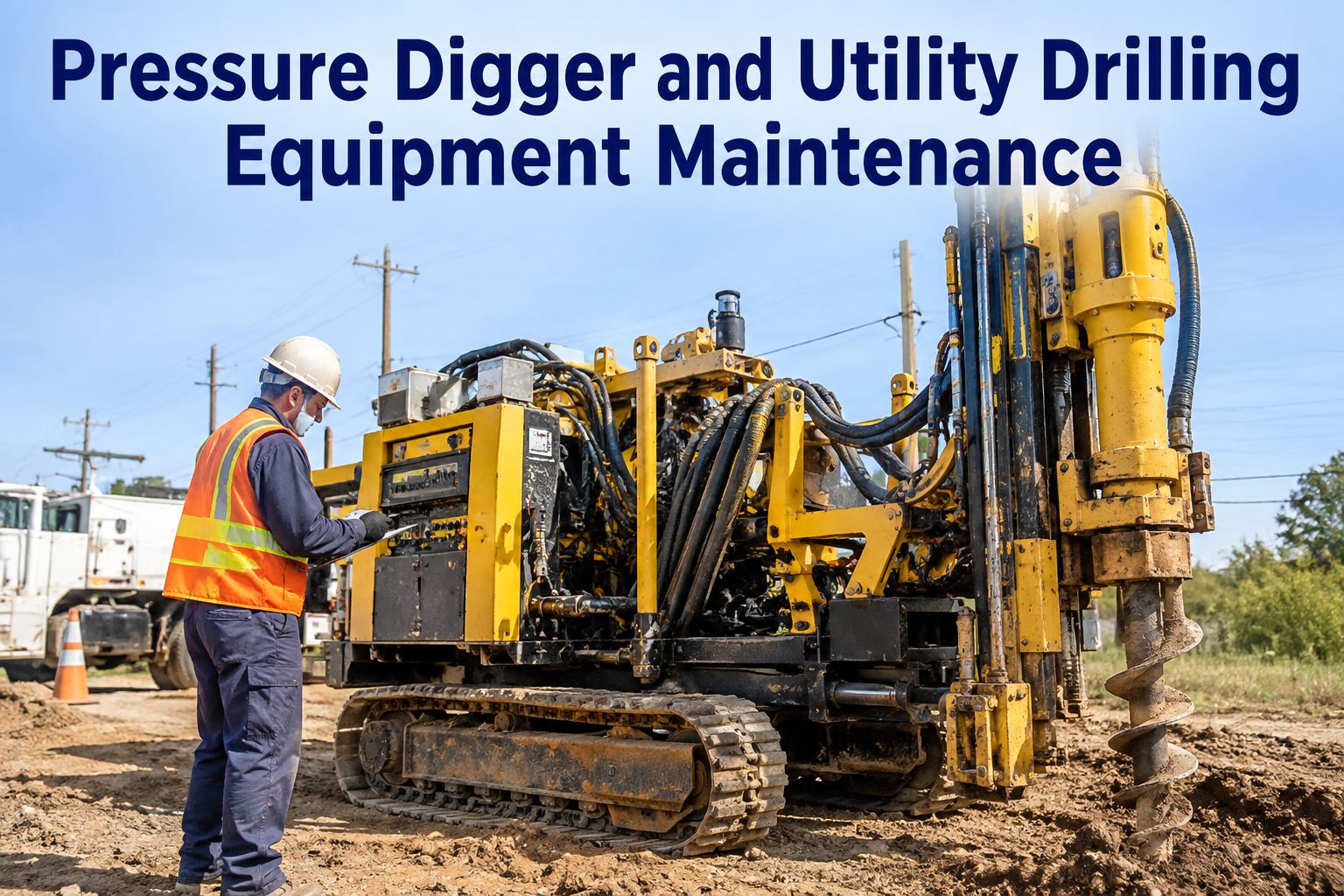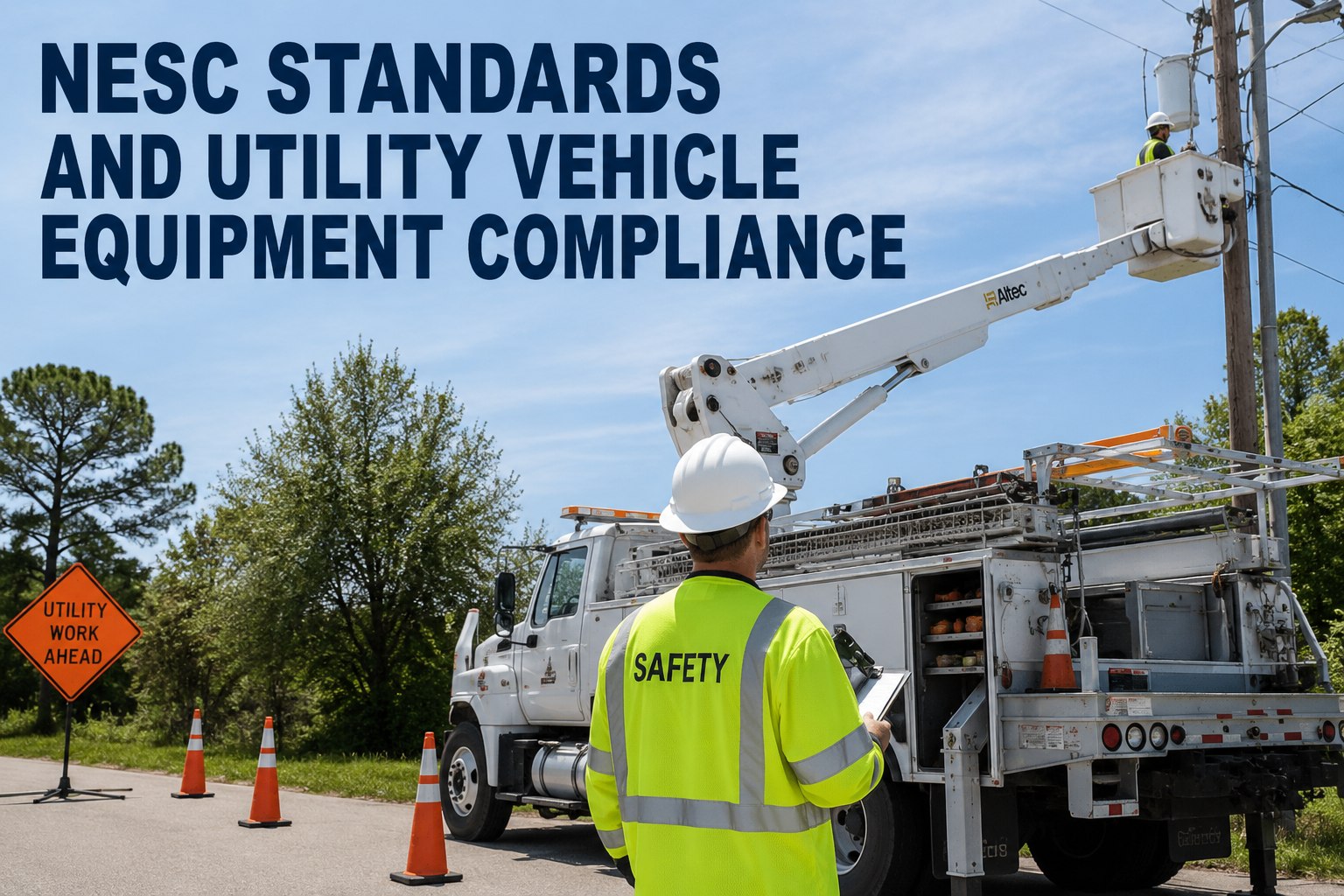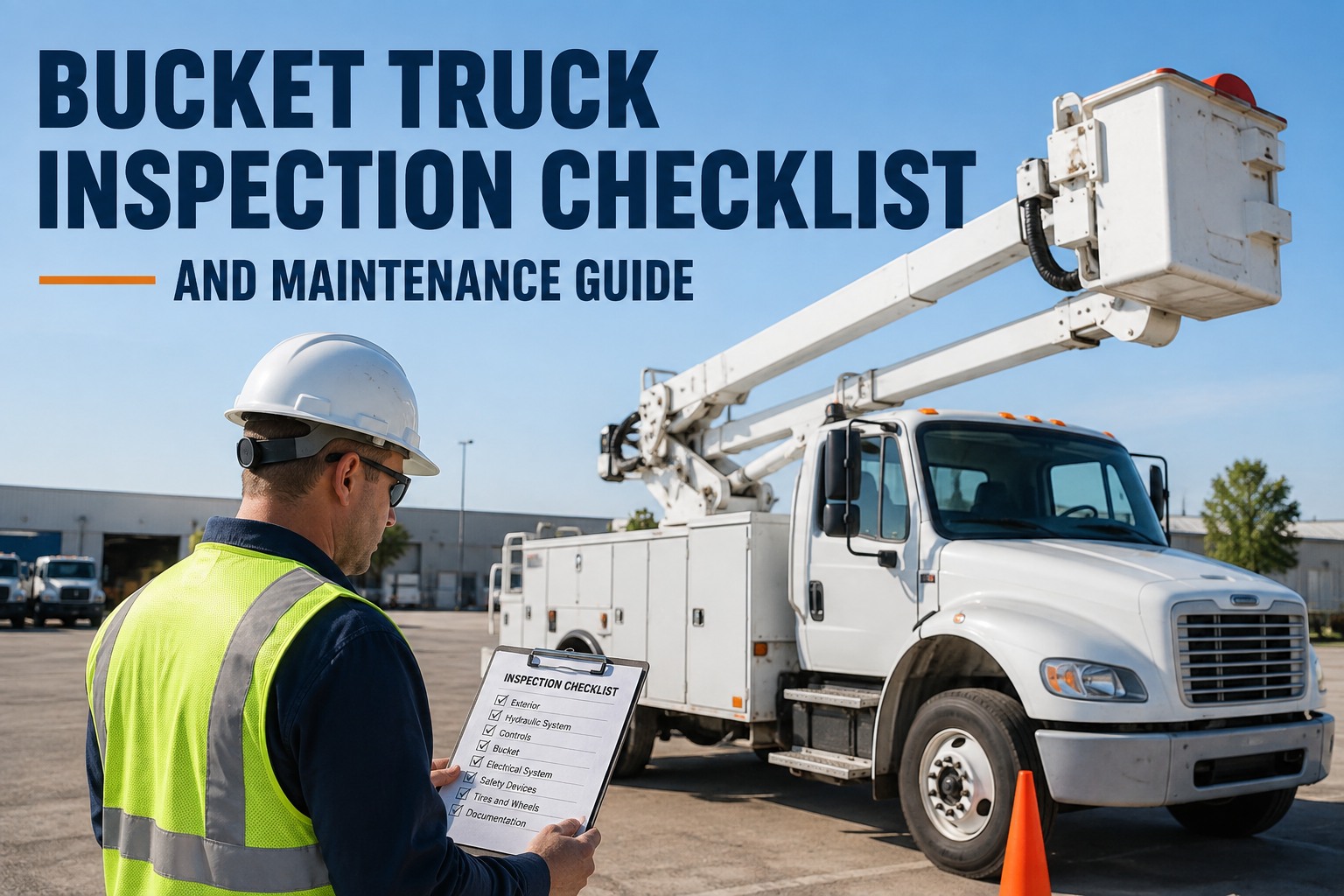
Your line truck leaves the yard carrying the whole job: rubber goods, grounds, hot sticks, hand tools, a capstan winch, cable reels, and sometimes a crane or material handler bolted to a utility body that weighs far more than most people assume. Line truck inspection is really two inspections in one - the chassis underneath and the mobile workshop on top - and the top half is where fleets lose equipment, fail audits, and find water damage only after a storm has ruined a set of tested gloves. If you want to see how digital compartment checks work on your own units, book a 30-minute walkthrough with HVI and bring one of your truck files.
Is your line truck a vehicle - or a warehouse with a VIN?
Treat it like both. The chassis needs its PM, but the body, compartments, reels, winches and the tooling inside them carry your crew's entire capability - and each has its own inspection cycle.
- Compartment doors, latches, seals and water ingress checks
- Capstan winch, reel and crane load-rating verification
- Rubber goods, grounds and hot stick test-date tracking
- Loaded-weight reality checks against axle ratings
Line truck maintenance numbers that hit your budget
Compartment inspection: doors, seals, latches and the water that ruins everything
A utility body fails quietly. Nobody notices a tired door seal until the first hard rain, and by then the damage is already inside the boxes. Build your compartment inspection around four failure points.
Doors and latches
Every door opens, closes and latches with one hand. Check hinges for sag, striker alignment, and latches that hold under road vibration. A door that pops open at highway speed is a lost-tool and liability event.
Seals and water ingress
Run a flashlight check from inside a closed compartment - daylight means water. Look for cracked bulb seals, compressed corners and drain holes blocked by debris. Water destroys rubber goods, corrodes grounds and ruins rope.
Shelving, dividers and mounts
Shelves carry rated loads. Look for bent brackets, pulled fasteners and cracked welds where hot stick tubes and dividers mount. A collapsed shelf in transit turns organized tooling into a pile.
Body-to-chassis mounting
Inspect body mounts, U-bolts and subframe for cracks, rust jacking and movement. A utility body that shifts on its mounts stresses every door, seal and latch above it - and it only gets worse.
Capstan winch inspection, reels and cranes: each has its own load rating and its own rules
The gear bolted to your line truck works hard and wears in specific places. Inspect each unit against its own rating plate, not a generic truck checklist.
| Equipment | Key inspection points | What fails first | Record to keep |
|---|---|---|---|
| Capstan winch | Drum wear, rope groove condition, brake hold, hydraulic lines and control response | Brake fade and worn drum grooves that let rope slip under load | Load test and brake-hold verification against rated capacity |
| Cable / rope reels | Reel bearings, payout and rewind, locking pins, reel bar and stand condition | Bearing seizure and bent reel bars from side loading | Bearing service date and reel-stand integrity check |
| Crane / material handler | Boom structure, welds, hydraulic cylinders, hoses, rotation bearing, overload device | Hose chafe, weeping cylinder seals and sloppy rotation bearing | Annual / periodic certification plus daily operator check |
| Hydraulics (system) | Pump, PTO engagement, reservoir level, hose routing and fitting leaks | Chafed hoses at rub points and slow leaks at crimp fittings | Leak log and hose replacement dates |
If your crews still note winch or crane defects on paper, see how HVI turns a photo of a weeping cylinder into a work order before the truck leaves the yard.
The inventory question: what's in the compartments, and is it in test?
Your compartments hold more than tools - they hold compliance. Rubber goods, grounds and hot sticks all carry their own inspection and electrical test cycles, and a truck can pass its chassis PM while carrying out-of-test gloves.
Assign every item to the truck
Gloves, sleeves, blankets, grounds, hot sticks, rope, blocks and hand tools are logged against a specific unit, not a vague "warehouse" location.
Track test dates per item
Rubber insulating goods typically run on a six-month electrical test cycle; hot sticks need periodic dielectric testing; grounds need visual and continuity checks. Each item carries its own due date.
Flag before it expires
Due-soon alerts go out before a test date lapses, so the glove goes to the lab instead of back into the bucket. Expired items show on the truck's record until swapped.
Prove it in seconds
When a client, auditor or safety officer asks for the test status of the gear on Truck 14, you pull a timestamped record instead of digging through a binder.
You can start assigning tools and test dates free and run one truck through a full cycle before you commit the fleet.
Stop finding out about out-of-test gear at the job site
HVI tracks every compartment item, test date and mounted-equipment inspection on the truck's own record - photo-backed and audit-ready.
Load distribution: the fully loaded utility body usually exceeds assumptions
A line truck scaled empty tells you nothing. Add a full reel of conductor, a stocked body, a full fuel tank and a crew, and axle weights climb fast. Overloaded axles wear brakes, tires and bearings early - and they put you on the wrong side of a roadside scale.
Typical loaded utility-body split. Reels and rear compartments push weight rearward - check rear axle and tire ratings against the scaled, fully loaded weight, not the brochure.
Scale it loaded
Weigh the truck as it actually rolls: full fuel, full compartments, reel loaded, crew aboard. Compare each axle to its rating plate.
Chassis PM alongside
Brakes, steering, suspension, tires and driveline run on the same preventive maintenance schedule as the body - one record, one unit history.
Electrical and lighting
Compartment lights, work lights, strobes, trailer circuits and the inverter get checked with the walk-around, not after a night job goes dark.
Want the chassis PM and the body inspection on one schedule? Walk through a combined unit record in a demo and see how due and overdue alerts keep both halves current.
Four HVI capabilities built for line truck fleets
Inspection profiles per vehicle class
Line trucks get their own template - compartments, winch, reels, crane and chassis - separate from your trailers or pickups. Crews see only what applies to that unit.
Tool Management
Every glove set, ground, hot stick and tool is assigned to a truck with its own test date. Out-of-test items flag automatically before they reach a job site.
Compartment checks in templates
Door, seal, latch and shelf checks are line items with photo capture. A defect photo becomes a work order in one tap - no paper, no group-chat pictures.
Parts & Inventory
Seal stock, latch hardware, hose fittings and filters live in inventory across shops. Techs pull parts against a work order so leakage and untracked spares stop.
What one failed door seal actually costs
Run the math on a single water-ingress event on one line truck:
A $12 bulb seal and a two-minute flashlight check prevent the whole line. Multiply that across a fleet and a wet season, and compartment inspection pays for itself many times over. If you'd rather log seal checks free on your first truck than keep finding damage after the fact, that's the cheapest place to start.
Line truck inspection and maintenance, boiled down
- Two inspections, one truck. The chassis and the utility body need separate checks on one record - neither covers the other.
- Water is the silent killer. Door seals and compartment drainage protect the most expensive, most regulated gear you carry.
- Mounted gear has its own rules. Capstan winch, reels and crane each carry load ratings and inspection needs that a generic checklist misses.
- The tooling is compliance. Rubber goods, grounds and hot sticks carry test cycles; an in-date truck can still carry out-of-test gear.
- Weight is real. Scale the truck fully loaded and check axle ratings - assumptions understate rear-axle weight on almost every utility body.
When you're ready to put all of this on one timestamped, photo-backed record per unit, book a demo and run one of your own line trucks through it.
"My gripe was never the truck - it was the gloves. We'd pass a chassis PM and still send a crew out with a set two weeks past its electrical test. Now every compartment item has a due date on the truck's record, and I check one screen on Monday instead of opening fourteen doors. The number I watch is out-of-test items per truck. It used to be three or four. It's zero now, and I intend to keep it there."
Line truck inspection questions, answered
What does a line truck inspection cover beyond a standard truck inspection?
How often should rubber gloves, grounds and hot sticks be tested?
How do I stop water damage in utility body compartments?
Does a capstan winch need its own inspection and load rating check?
How do I track tools and equipment assigned to each line truck?
Run your line trucks as the mobile workshops they are
Chassis PM, compartment checks, winch and crane records, and every test-dated tool - on one audit-ready record per unit. See it on your own fleet.