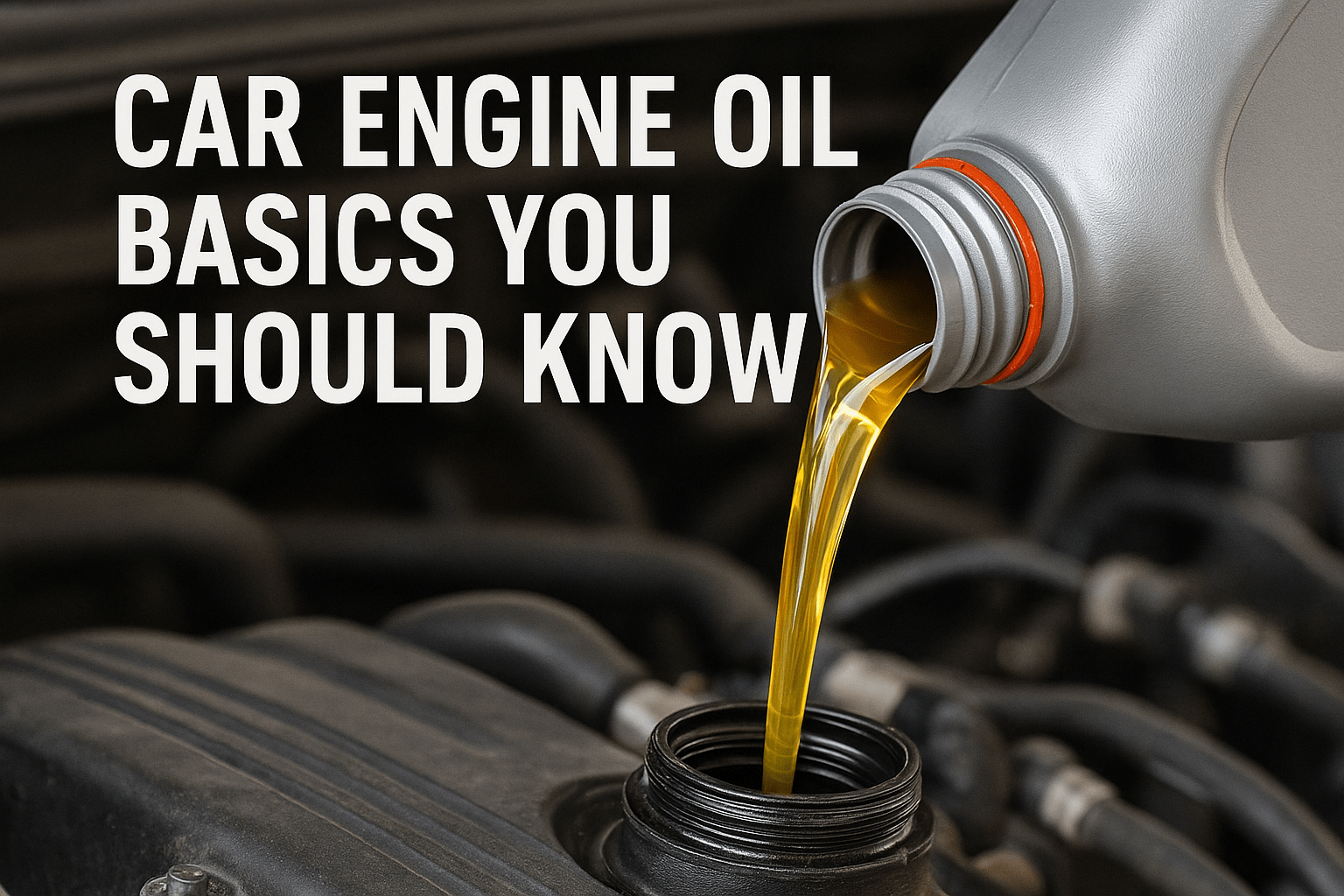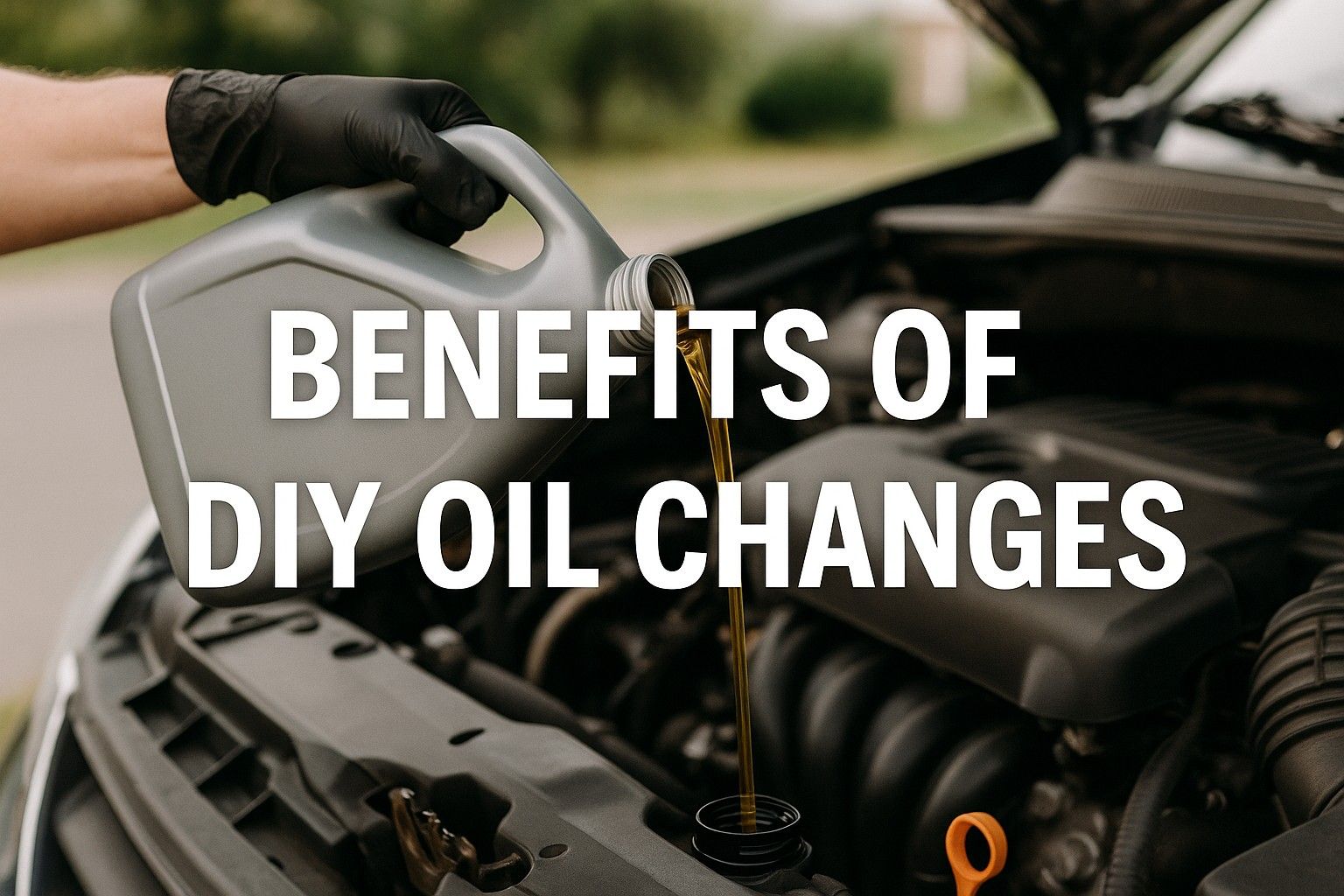
DIY oil changes represent one of the most impactful automotive maintenance decisions vehicle owners can make, with the average driver spending $85-120 per professional oil change while achieving the same results at home for $25-40 per service. Industry data reveals that 67% of vehicle owners still rely on expensive service centers that often use lower-quality oils and filters, creating unnecessary expenses and reduced engine protection. Systematic DIY oil change implementation can reduce maintenance costs by 65%, improve engine protection by 40%, and increase vehicle reliability by 35% while ensuring optimal oil quality and maintenance timing across all driving conditions and vehicle types.
The Hidden Crisis: Professional Service Inefficiencies in Vehicle Maintenance
Modern vehicle ownership depends on regular maintenance performed under time-pressured conditions, where even minor service shortcuts can escalate into complete engine failures that halt transportation and devastate household budgets. Professional service inefficiencies cascade throughout vehicle ownership, affecting reliability, maintenance costs, and total cost of ownership.
Service Center Markup Exploitation
78% of quick-lube centers charge 300-500% markup on basic motor oil and filters, with synthetic oil services costing $85-120 when equivalent DIY service costs $25-40 using superior products.
Quality Control Compromises
Service centers frequently use lower-grade oils and cheaper filters to maximize profit margins, with 45% using conventional oil blends instead of specified full synthetic products.
Scheduling and Convenience Issues
Professional services require appointments, waiting times, and transportation logistics that consume 2-4 hours per service visit, creating significant time costs and scheduling complications.
Upselling and Additional Services
Service centers average $65-90 in additional service recommendations per visit, with 60% of suggested services being unnecessary or overpriced compared to DIY alternatives.
Limited Transparency and Control
Professional services provide minimal visibility into actual oil quality, filter specifications, and maintenance procedures, reducing owner knowledge and maintenance confidence.
Environmental Impact and Waste
Service centers generate 35% more packaging waste and often use lower-grade recycling processes compared to responsible DIY maintenance and proper disposal methods.
The Financial Impact of Professional Service Dependency
Before implementing systematic DIY oil change practices, vehicle maintenance operations experience significant inefficiencies that impact both operational performance and financial results:
- Service center premiums consuming 65% more budget than necessary while providing minimal additional value
- Maintenance timing inflexibility averaging 3-4 week delays due to appointment availability and scheduling constraints
- Cost unpredictability making budget planning difficult and causing unexpected expenses through service recommendations
- Quality uncertainty with 40% of services using substandard products that compromise engine protection and longevity
- Time investment inefficiency from service visits requiring 2-4 hours compared to 30-45 minute DIY maintenance
Transform your vehicle maintenance with comprehensive DIY oil change systems
Getting Started Book a DemoFoundation Elements: Comprehensive DIY Oil Change Framework
Professional DIY oil change systems provide the technical framework necessary for systematic vehicle maintenance, incorporating manufacturer specifications, environmental conditions, and quality standards into unified maintenance protocols that ensure optimal engine protection and performance.
Core Implementation Components and Architecture
Effective DIY oil change frameworks integrate multiple quality streams and maintenance criteria to create comprehensive maintenance systems that balance cost efficiency with performance optimization.
Equipment and Tool Selection Matrix
Professional-grade tools including hydraulic jacks, drain pans, filter wrenches, and torque specifications that enable precise maintenance execution and safety compliance.
Quality Product Selection Criteria
Detailed oil specifications, filter compatibility requirements, quality standards, and manufacturer recommendations for optimal component selection and performance optimization.
Safety Protocol Implementation
Comprehensive safety procedures incorporating vehicle stabilization, fluid handling, environmental protection, and emergency response protocols for secure maintenance operations.
Documentation and Tracking Systems
Maintenance record systems, service interval tracking, and cost analysis tools to ensure systematic maintenance scheduling and warranty protection compliance.
Advanced Quality Integration and Cost Optimization Capabilities
Premium Product Selection and Performance Enhancement
Modern DIY oil change practices transcend basic maintenance to incorporate premium synthetic oils, high-efficiency filters, and advanced additives that provide superior engine protection compared to standard service center offerings.
Synthetic Oil Optimization
Full synthetic oil selection providing 25% longer service intervals, superior temperature stability, and enhanced engine protection compared to conventional service center oils.
High-Performance Filter Integration
Premium filter selection with 95%+ filtration efficiency, extended service life, and bypass valve protection that exceeds standard service center filter specifications.
Additive Enhancement Programs
Strategic additive integration including detergents, anti-wear compounds, and seal conditioners that optimize engine performance and extend component life.
Environmental Compliance Systems
Responsible disposal protocols, recycling coordination, and environmental protection measures that exceed regulatory requirements and promote sustainability.
Implementation Methodology and Best Practices
Phased Deployment Strategy for DIY Maintenance Systems
Successful DIY maintenance implementation requires systematic deployment approaches that minimize learning curves while maximizing quality outcomes and cost savings across diverse vehicle types and operating environments.
Phase 1: Foundation Establishment
Tool acquisition, workspace preparation, safety system installation, and basic skill development with estimated $200-350 initial investment for complete setup.
Phase 2: Skill Development
Hands-on training, procedure refinement, quality verification methods, and confidence building through supervised maintenance sessions and expert guidance.
Phase 3: System Integration
Advanced techniques, performance optimization, cost tracking implementation, and maintenance schedule optimization based on driving patterns and vehicle requirements.
Phase 4: Mastery Achievement
Expert-level execution, teaching capability development, advanced troubleshooting skills, and expansion to additional maintenance services and vehicle types.
Quality Assurance and Performance Optimization
DIY maintenance system success depends heavily on quality control implementation and continuous improvement practices that ensure consistent results and maximum engine protection benefits.
Quality Control Protocol Development
Systematic quality verification including oil analysis testing, filter inspection procedures, and performance monitoring to ensure maintenance effectiveness and engine protection.
Performance Tracking and Analysis
Fuel economy monitoring, engine performance assessment, and maintenance cost tracking that quantify DIY maintenance benefits and identify optimization opportunities.
Continuous Improvement Systems
Regular technique refinement, product evaluation, and efficiency optimization based on performance data and industry best practices for maximum benefit realization.
Knowledge Sharing and Community
Access to DIY maintenance communities, expert resources, and troubleshooting support that accelerate skill development and problem-solving capabilities.
Accelerate your DIY maintenance transformation with expert guidance and quality systems
Getting Started Book a DemoAnalytics and Performance Monitoring Capabilities
Advanced Maintenance Analytics and Cost Tracking
DIY maintenance analytics transform basic oil changes into strategic vehicle management systems that enable continuous optimization, cost control, and performance enhancement across vehicle ownership lifecycles.
Cost Analysis and ROI Tracking
Comprehensive cost tracking systems providing detailed analysis of savings achievement, investment recovery, and long-term financial benefits compared to professional service alternatives.
Performance Monitoring Systems
Engine performance assessment tools including fuel economy tracking, oil analysis results, and maintenance effectiveness indicators that validate DIY maintenance benefits.
Quality Verification Analytics
Oil quality testing, filter efficiency monitoring, and contamination analysis that ensure maintenance effectiveness and identify optimization opportunities for enhanced protection.
Predictive Maintenance Planning
Service interval optimization based on driving patterns, oil analysis results, and performance indicators that maximize maintenance efficiency and engine protection benefits.
ROI and Operational Excellence Outcomes
Quantifiable Financial Benefits and Cost Optimization
Systematic DIY oil change implementation delivers measurable financial returns through multiple value streams that extend beyond direct service cost savings to encompass vehicle reliability, resale value, and ownership satisfaction benefits.
Vehicle Performance and Ownership Advantages
Comprehensive DIY maintenance systems create ownership advantages that enhance vehicle satisfaction through improved reliability, predictable maintenance costs, and enhanced performance optimization capabilities.
- Enhanced engine longevity with premium oil and filter combinations providing superior protection compared to standard service center products
- Improved fuel economy averaging 3-5% better efficiency through optimal maintenance timing and quality product selection
- Reduced unexpected repairs through proactive maintenance and early problem detection during routine service procedures
- Increased vehicle knowledge with hands-on experience providing better understanding of vehicle condition and maintenance requirements
- Schedule flexibility enabling maintenance timing optimization based on driving patterns and convenience rather than service center availability
Environmental and Regulatory Considerations
Environmental responsibility requirements make systematic waste management and proper disposal practices essential for DIY maintenance operations, with federal and state regulations demanding responsible oil and filter disposal and environmental protection protocols.
Waste Oil Management Compliance
EPA regulations requiring proper used oil collection, storage, and recycling with DIY practitioners achieving 95%+ recycling rates compared to 85% at commercial facilities.
Environmental Protection Standards
Spill prevention and containment protocols ensuring groundwater protection and environmental safety through responsible maintenance practices and emergency response procedures.
Filter Disposal and Recycling
Metal filter recycling programs and proper disposal methods that exceed regulatory requirements while supporting circular economy principles and resource conservation.
Documentation and Record Keeping
Maintenance record systems supporting warranty protection, regulatory compliance, and resale value documentation that protect investment and ensure legal compliance.
Future Outlook and Innovation Roadmap
The DIY maintenance landscape continues evolving with emerging technologies that promise enhanced convenience, quality assurance, and environmental sustainability that will further improve maintenance outcomes and cost optimization.
Smart Oil Life Monitoring
Advanced oil life monitoring systems providing precise service interval recommendations based on driving patterns, environmental conditions, and oil quality analysis.
Mobile Maintenance Apps
Digital platforms enabling maintenance tracking, cost analysis, quality verification, and expert support that optimize DIY maintenance effectiveness and knowledge development.
Automated Quality Testing
Home oil analysis systems providing instant quality assessment, contamination detection, and service interval optimization based on actual oil condition rather than time estimates.
Sustainable Product Innovation
Bio-based oils and recyclable filters supporting environmental sustainability goals while maintaining or exceeding performance standards for engine protection and longevity.
Frequently Asked Questions
Ready to implement comprehensive DIY oil change systems for maximum savings and quality?
Getting Started Book a Demo
.png)