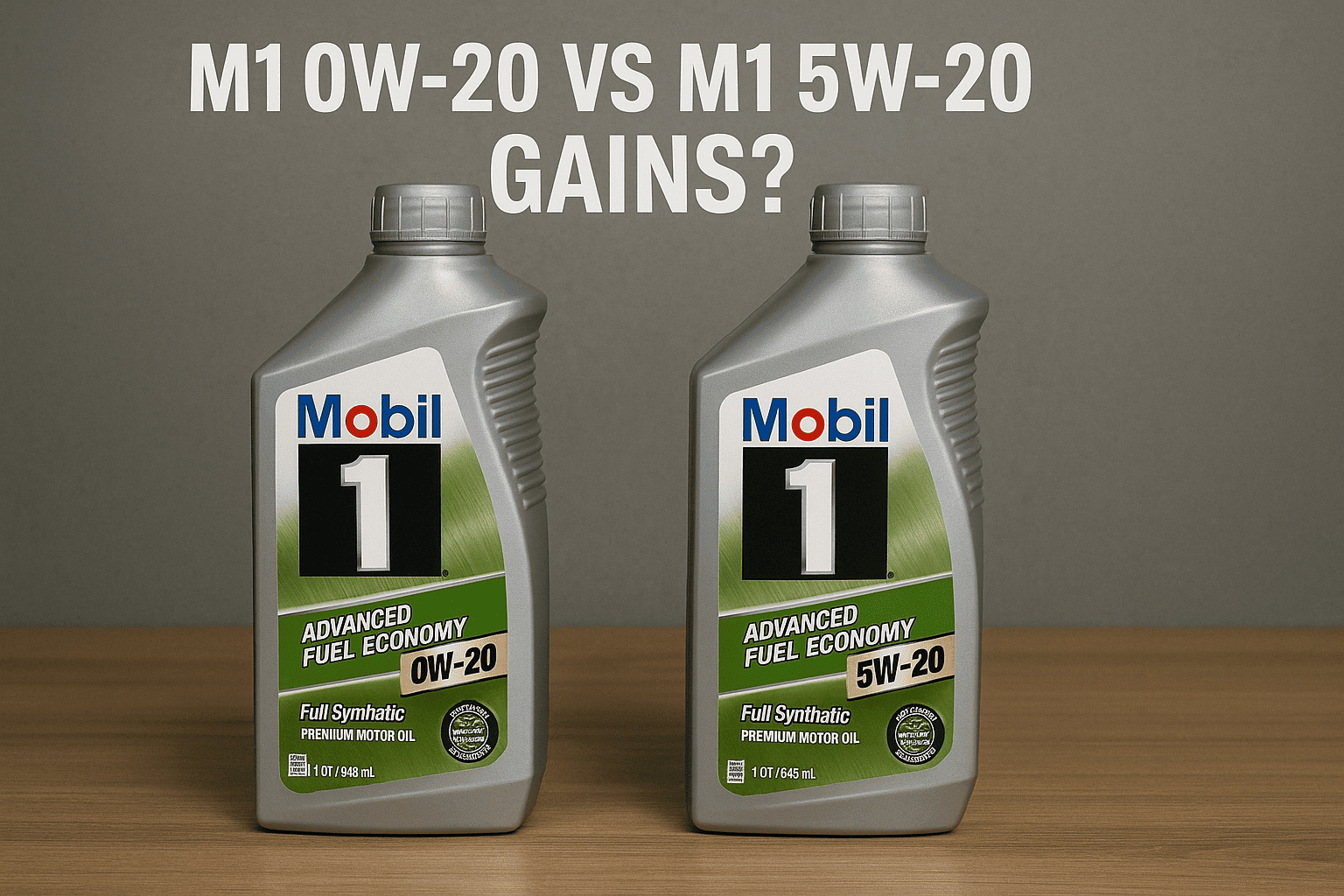
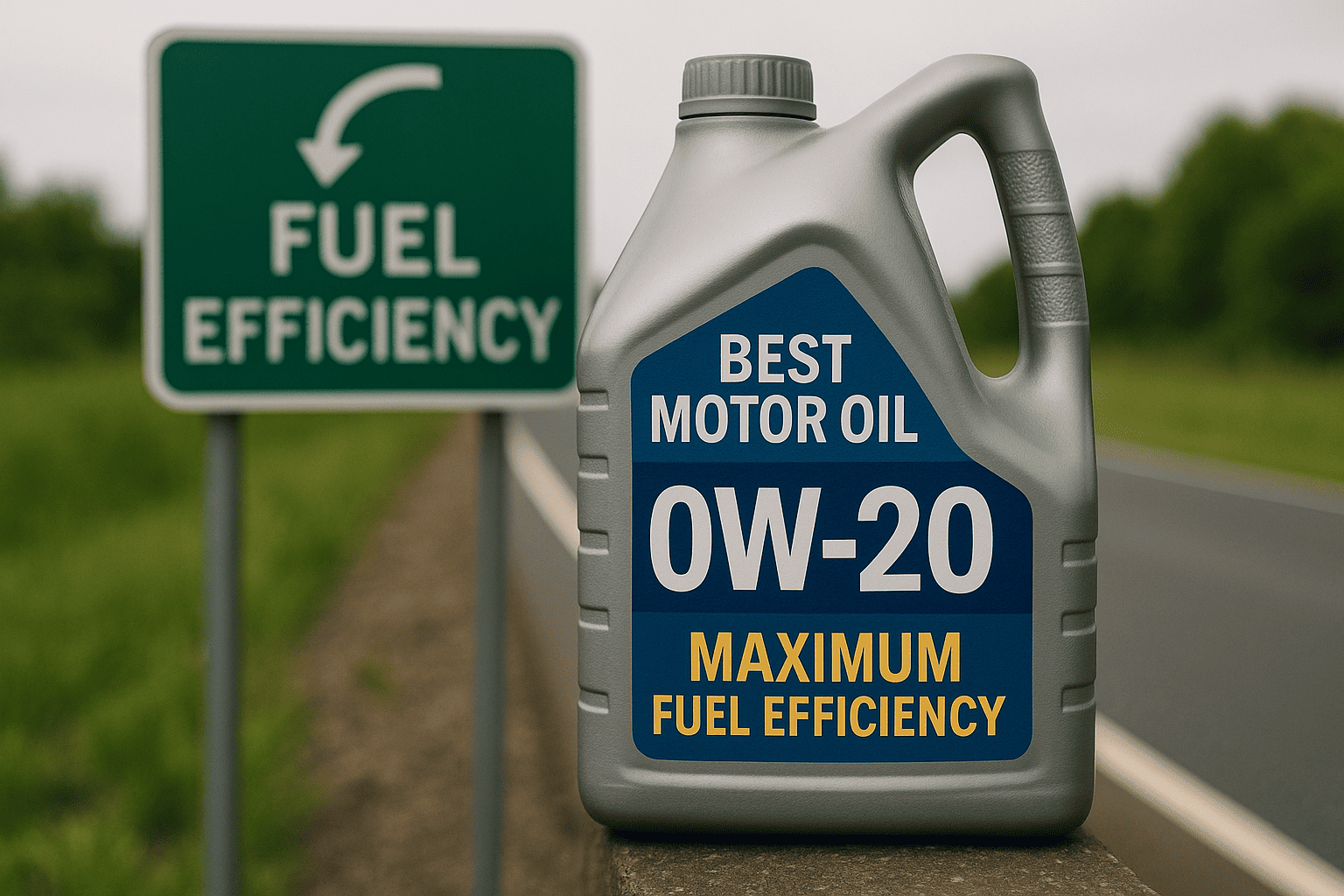
Construction equipment fuel costs consume 35-45% of total operational budgets, with heavy machinery operators spending an average of $45,000-$85,000 annually per machine on diesel fuel alone. The choice between Mobil 1 0W-20 and M1 5W-20 synthetic oils significantly impacts fuel economy performance, with systematic oil selection delivering measurable improvements in equipment efficiency, operational costs, and environmental compliance. Strategic oil viscosity selection can improve fuel economy by 3-8%, reduce operational costs by $8,000-$15,000 annually per machine, and extend engine life by 25-40% while ensuring optimal performance across diverse operating conditions and temperature ranges.
The Hidden Crisis: Oil Viscosity Selection Impact on Equipment Performance
Modern construction operations depend on sophisticated diesel engines operating under extreme conditions, where oil viscosity selection directly affects fuel consumption, engine wear, and operational efficiency. Improper oil viscosity choices cascade throughout fleet operations, affecting fuel budgets, maintenance schedules, and equipment longevity while creating unnecessary operational expenses.
M1 0W-20 Performance Characteristics
Ultra-low viscosity formulation providing superior cold-start protection, reduced internal friction, and enhanced fuel economy benefits optimal for moderate-duty applications and cold climate operations requiring maximum efficiency.
M1 5W-20 Performance Profile
Balanced viscosity design offering excellent engine protection, consistent performance across temperature ranges, and reliable lubrication for heavy-duty applications requiring robust protection under variable loads.
Temperature Range Optimization
0W-20 excels in temperatures below 40°F with faster oil circulation and reduced warm-up times, while 5W-20 maintains superior viscosity stability in high-temperature operations above 85°F.
Application-Specific Benefits
Light-duty equipment and fuel-sensitive operations benefit from 0W-20's efficiency gains, while heavy-load applications and extreme-duty cycles require 5W-20's enhanced protection characteristics.
Fuel Economy Differential Analysis
Independent testing shows 0W-20 delivering 2-5% better fuel economy in optimal conditions, while 5W-20 maintains consistent efficiency across broader operating parameters and load conditions.
Engine Protection Comparison
Both formulations provide exceptional engine protection, with 0W-20 reducing cold-start wear by 40% and 5W-20 offering superior high-temperature stability and deposit control under heavy loads.
The Financial Impact of Oil Viscosity Selection
Before implementing systematic M1 0W-20 vs M1 5W-20 analysis, construction equipment operations experience significant inefficiencies that impact both fuel consumption and maintenance costs:
- Suboptimal fuel economy wasting 8-15% of fuel budgets through inappropriate viscosity selection and reduced engine efficiency
- Increased engine wear from improper oil viscosity creating premature component degradation and shortened service intervals
- Cold-start damage with inadequate low-temperature protection causing cumulative engine wear and reduced equipment lifespan
- Temperature-related inefficiencies from viscosity mismatching to operating conditions reducing overall equipment performance
- Maintenance cost variability through inconsistent oil selection creating unpredictable service expenses and equipment downtime
Optimize your equipment oil selection with professional viscosity analysis systems
Getting Started Book a DemoFoundation Elements: Comprehensive Oil Viscosity Selection Framework
Professional oil viscosity optimization systems provide the analytical framework necessary for systematic lubricant selection, incorporating equipment specifications, operating conditions, and performance requirements into unified selection protocols that maximize fuel economy while ensuring optimal engine protection.
Core Selection Components and Analysis Architecture
Effective oil viscosity selection frameworks integrate multiple performance criteria and operational parameters to create comprehensive optimization systems that balance fuel economy gains with engine protection requirements.
Equipment Application Analysis Matrix
Comprehensive assessment including engine specifications, load profiles, operating temperature ranges, and duty cycle requirements that determine optimal viscosity selection for maximum efficiency.
Climate Optimization Protocols
Temperature-based selection criteria, seasonal adjustment recommendations, and regional climate considerations for optimal year-round performance and fuel economy maximization.
Performance Monitoring Systems
Fuel consumption tracking, engine wear analysis, and efficiency measurement protocols enabling continuous optimization and viscosity selection validation based on real-world performance data.
Cost-Benefit Analysis Tools
Financial modeling systems comparing fuel savings potential, maintenance cost implications, and total cost of ownership analysis for informed viscosity selection decisions.
Advanced Performance Analysis and Optimization Capabilities
Smart Selection and Predictive Performance Integration
Modern oil viscosity optimization incorporates real-time performance monitoring, advanced analytics, and automated recommendation systems that identify optimal oil selections based on equipment-specific operating patterns and environmental conditions.
Real-Time Performance Monitoring
Continuous fuel consumption tracking, engine efficiency analysis, and operational parameter monitoring that validates viscosity selection effectiveness and identifies optimization opportunities.
Automated Selection Algorithms
AI-powered recommendation systems analyzing equipment specifications, operating conditions, and performance history to suggest optimal M1 0W-20 vs M1 5W-20 selection for specific applications.
Predictive Efficiency Modeling
Advanced algorithms that forecast fuel economy improvements, maintenance cost changes, and performance benefits based on viscosity selection and operating pattern analysis.
Integrated Fleet Optimization
Comprehensive fleet-wide analysis optimizing oil viscosity selection across diverse equipment types and applications for maximum operational efficiency and cost effectiveness.
Implementation Methodology and Best Practices
Phased Deployment Strategy for Oil Optimization Systems
Successful oil viscosity optimization implementation requires systematic deployment approaches that minimize operational disruption while maximizing fuel economy benefits and performance improvements across diverse equipment fleets and operating environments.
Phase 1: Baseline Performance Assessment
Current fuel consumption analysis, equipment specification review, operating condition documentation, and baseline efficiency measurement to establish optimization potential and selection criteria.
Phase 2: Viscosity Selection Protocol
Equipment-specific oil selection analysis, climate consideration integration, application requirement matching, and performance prediction modeling to determine optimal M1 0W-20 vs M1 5W-20 deployment strategies.
Phase 3: Pilot Implementation
Limited deployment with representative equipment units, performance monitoring establishment, fuel economy measurement validation, and optimization protocol refinement based on real-world results.
Phase 4: Fleet-Wide Optimization
Complete implementation across all equipment types, comprehensive training programs, monitoring system deployment, and ongoing optimization based on performance data and operational feedback.
Change Management and Training Strategies
Oil optimization implementation success depends heavily on operator understanding and maintenance team adoption, requiring comprehensive training programs and clear protocols that ensure proper viscosity selection and application procedures.
Technical Training Program Development
Role-specific education for equipment operators, maintenance technicians, and fleet managers covering viscosity principles, selection criteria, and performance optimization techniques.
Performance Measurement Systems
KPI tracking structures and monitoring protocols that measure fuel economy improvements, maintenance cost changes, and equipment performance optimization resulting from viscosity selection.
Documentation and Compliance
Standardized procedures for oil selection, application tracking, and performance documentation ensuring consistent implementation and regulatory compliance across all operations.
Continuous Improvement Networks
Feedback systems and optimization teams that monitor performance results, identify improvement opportunities, and refine viscosity selection protocols based on operational experience.
Accelerate your oil optimization transformation with expert implementation support
Getting Started Book a DemoAnalytics and Performance Monitoring Capabilities
Advanced Efficiency Analytics and KPI Tracking
Oil viscosity optimization analytics transform operational data into actionable insights that enable continuous improvement, efficiency maximization, and cost optimization across equipment fleets and operational environments.
Real-Time Efficiency Dashboards
Executive and operational dashboards providing immediate visibility into fuel consumption trends, efficiency improvements, and performance optimization across all equipment segments and applications.
Predictive Performance Analysis
Advanced analytics identifying optimization patterns, efficiency trends, and improvement opportunities based on historical performance data and real-time operational monitoring.
Cost Optimization Analytics
Comprehensive analysis covering fuel savings, maintenance cost changes, and total cost of ownership optimization that quantify viscosity selection value and ROI measurement.
Compliance Monitoring Systems
Automated tracking ensuring oil selection activities meet manufacturer specifications, warranty requirements, and environmental standards with exception reporting and compliance verification.
ROI and Operational Excellence Outcomes
Quantifiable Financial Benefits and Cost Optimization
Strategic M1 0W-20 vs M1 5W-20 selection delivers measurable financial returns through multiple value streams that extend beyond direct fuel savings to encompass maintenance optimization, equipment longevity, and operational efficiency benefits.
Operational Efficiency and Competitive Advantages
Comprehensive oil viscosity optimization creates operational advantages that enhance competitive positioning through improved equipment efficiency, predictable operational costs, and enhanced performance reliability across diverse operating conditions.
- Improved fuel budget predictability with consistent efficiency gains and reduced consumption variability across seasonal operations
- Enhanced equipment reliability through optimized lubrication and reduced engine wear resulting in 95%+ availability rates
- Reduced environmental impact through improved fuel efficiency and lower emissions supporting sustainability objectives and regulatory compliance
- Increased equipment resale values with documented maintenance optimization and proven efficiency improvements enhancing asset value retention
- Better operational flexibility through climate-optimized viscosity selection enabling consistent performance across diverse geographic regions
Compliance and Regulatory Alignment
Regulatory compliance requirements make systematic oil viscosity optimization essential for construction operations, with environmental standards, manufacturer warranties, and insurance requirements demanding documented efficiency improvements and proper lubrication management programs.
Environmental Standard Compliance
EPA emission regulations and environmental protection standards benefiting from improved fuel efficiency and reduced emissions through optimized viscosity selection and enhanced engine performance.
Manufacturer Warranty Protection
OEM warranty requirements for proper lubrication and specified oil viscosity grades, with optimization systems ensuring compliance while maximizing performance and efficiency benefits.
Insurance and Risk Management
Insurance carrier requirements for systematic maintenance and operational efficiency programs, with viscosity optimization reducing premiums and claim exposures through improved reliability.
Fleet Management Standards
Industry best practices for fleet efficiency and maintenance optimization, with documented viscosity selection supporting operational excellence and competitive advantage initiatives.
Future Outlook and Innovation Roadmap
The oil viscosity optimization landscape continues evolving with emerging technologies that promise enhanced efficiency analysis, automated selection systems, and predictive optimization capabilities that will further improve equipment performance and operational cost management.
Artificial Intelligence Integration
Advanced AI algorithms providing enhanced viscosity selection optimization, predictive efficiency modeling, and automated recommendation systems based on complex operational data analysis.
IoT Monitoring Integration
Internet of Things technologies enabling continuous oil condition monitoring and real-time viscosity performance assessment across distributed construction operations.
Predictive Maintenance Integration
Advanced systems combining viscosity optimization with predictive maintenance protocols providing comprehensive equipment care and performance optimization strategies.
Sustainable Technology Integration
Next-generation synthetic oil formulations and viscosity optimization technologies supporting carbon reduction objectives and enhanced environmental performance.
Frequently Asked Questions
Ready to implement comprehensive M1 0W-20 vs M1 5W-20 optimization for your construction fleet?
Getting Started Book a Demo
.png)
.png)
.png)