Ensuring the safety of your construction workforce is not just a legal obligation but also a moral imperative. In an industry fraught with potential hazards, implementing a robust safety management system is crucial for safeguarding your employees, maintaining productivity, and protecting your company's reputation. This in-depth guide explores the essential components of a comprehensive construction site safety plan, focusing on key strategies, technological advancements, and best practices to create a safe working environment. Start building a safer site with HVI or schedule a 30-minute walkthrough with our team.
Move construction safety from reactive to proactive — with the right technology and the right culture.
HVI brings digital checklists, real-time safety documentation, audits, and KPI dashboards into one platform — so you can run risk assessments, track incidents, and prevent accidents before they happen across every site.
Why it matters: The construction industry faces unique challenges when ensuring worker safety due to the inherently hazardous work environment. By embracing technological innovations and adopting best practices, construction companies can significantly reduce the risk of accidents, injuries, and fatalities on their sites. Prioritizing safety not only protects the well-being of workers but also leads to improved productivity, reduced costs associated with incidents, and an enhanced reputation in the industry.
Technological advancements in construction safety
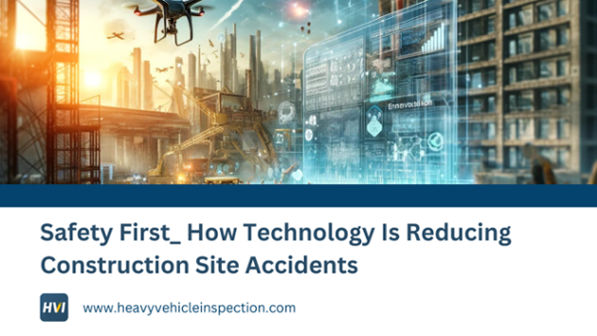
The construction industry stands at the cusp of a safety revolution, driven by five categories of cutting-edge technology that are transforming how hazards are detected, monitored, and prevented.
Wearable technology
- Smart hard hats with built-in sensors to detect falls, impacts, and vital signs anomalies
- Smart vests and wristbands to monitor workers' location, activity levels, and environmental conditions
- Wearable exoskeletons to reduce physical strain and prevent musculoskeletal injuries
Internet of Things (IoT) sensors
- Environmental sensors to monitor temperature, humidity, noise, and air quality
- Structural sensors to detect vibrations, cracks, and deformations in buildings and infrastructure
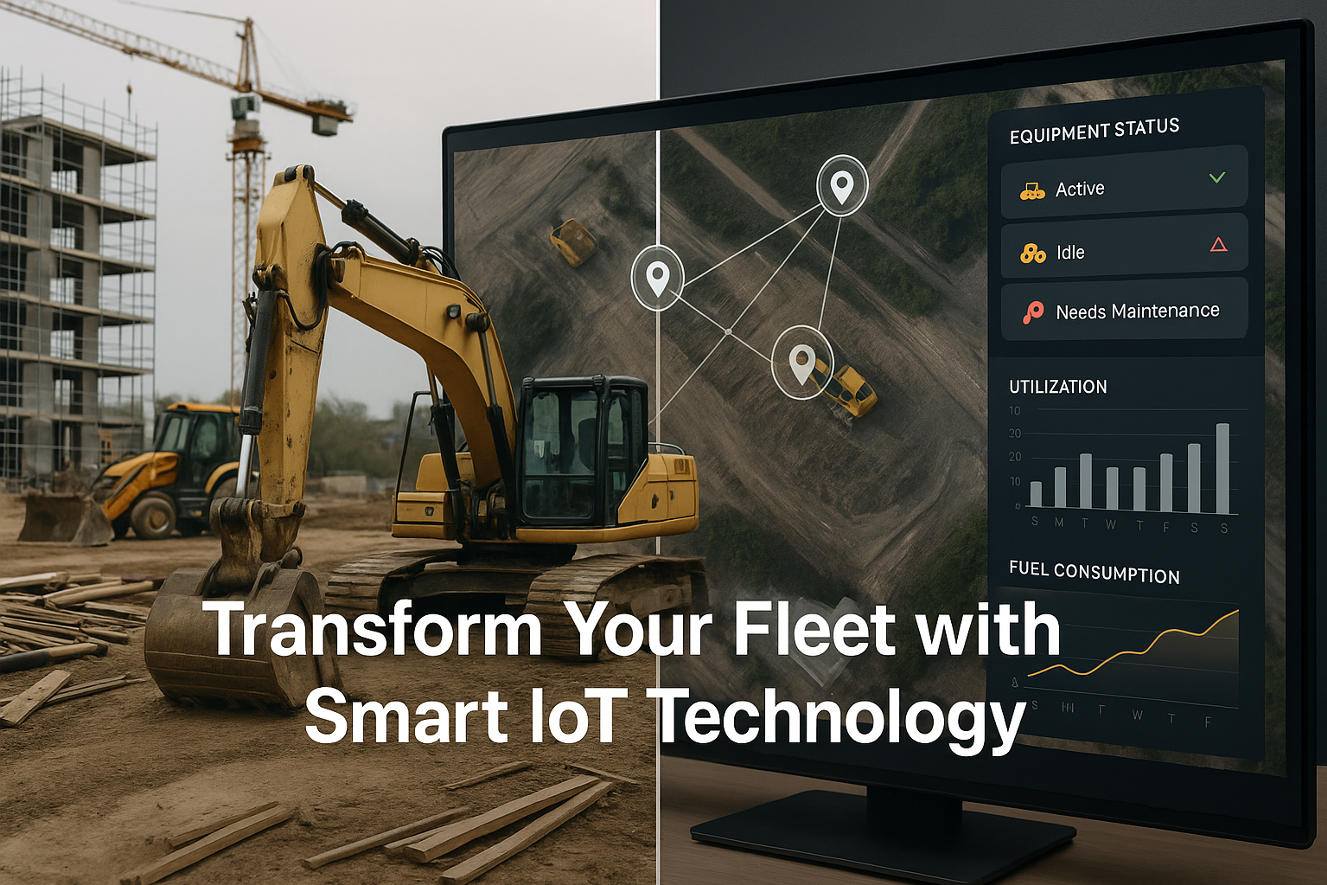
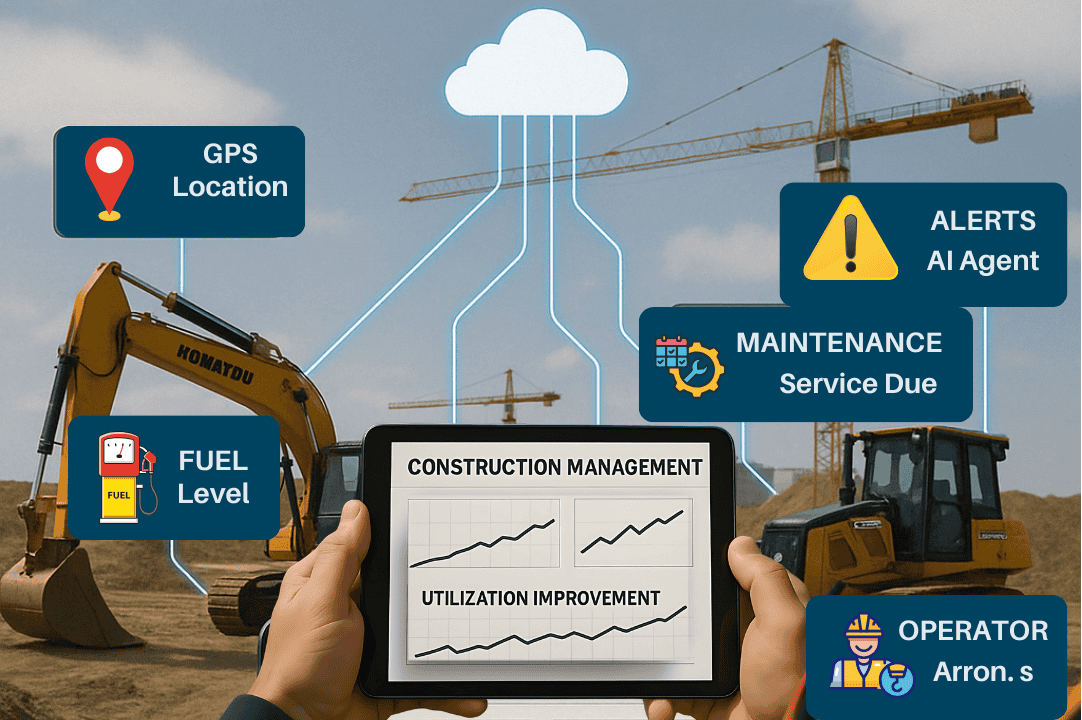
- Equipment sensors to track performance, maintenance needs, and potential malfunctions of machinery
Drones and unmanned aerial vehicles (UAVs)
- Aerial site surveys and inspections to identify hazards and monitor progress remotely
- Real-time monitoring of workers and equipment to ensure compliance with safety protocols
- Emergency response and search and rescue operations in the event of accidents or natural disasters
Virtual reality (VR) and augmented reality (AR)
- Immersive safety training simulations to recreate realistic hazardous scenarios
- Virtual site walkthroughs and safety orientations for new workers and visitors
- AR-guided maintenance and repair procedures to minimize human error and exposure to risks
Artificial intelligence (AI) and machine learning (ML)
- Predictive analytics to identify potential safety risks and prioritize preventive measures
- Automated safety compliance monitoring and reporting using computer vision and natural language processing
- Intelligent scheduling and resource allocation to optimize safety and efficiency on construction sites
Technology only delivers when the data lands somewhere your team can act on it. sign up for a free HVI account to centralize safety data, checklists, and audits, or book a live demo to see it on your sites.
Best practices in construction safety management
Technology alone is not enough. To truly revolutionize construction site safety, companies must pair it with five proven management practices that build a holistic, proactive safety program.
Establishing a safety-first culture
- Demonstrating visible leadership commitment to safety at all levels of the organization
- Encouraging open communication and reporting of safety concerns without fear of reprisal
- Providing ongoing safety training and education to all workers, including subcontractors and temporary staff
- Recognizing and rewarding safe behaviors and initiatives to reinforce positive safety attitudes
Conducting thorough risk assessments
- Identifying and evaluating site-specific hazards using digital tools and data analytics
- Developing targeted control measures and safety protocols based on risk assessment findings
- Regularly reviewing and updating risk assessments as project conditions change
- Involving workers in the risk assessment process to tap into their expertise and promote ownership
Implementing robust safety management systems
- Establishing clear safety policies, procedures, and responsibilities for all stakeholders
- Leveraging digital platforms and mobile apps for streamlined safety documentation and reporting
- Integrating safety metrics and key performance indicators (KPIs) into project management dashboards
- Conducting regular safety audits and inspections using standardized digital checklists
Promoting effective communication and collaboration
- Utilizing mobile communication tools and digital signage to disseminate safety information in real-time
- Encouraging cross-functional collaboration between safety, operations, and engineering teams
- Facilitating knowledge sharing and best practice exchange through online safety communities and forums
- Partnering with industry associations and research institutions to stay informed about the latest advancements
Continuous improvement and learning
- Investigating incidents and near-misses using root cause analysis techniques
- Sharing lessons learned from incidents and best practices across the organization
- Conducting regular safety performance reviews and benchmarking against industry peers
- Investing in ongoing safety research and development to identify emerging risks and innovative solutions
The bottom line
The construction industry stands at the cusp of a safety revolution, driven by the convergence of cutting-edge technology and best practices. By harnessing the power of wearables, IoT sensors, drones, virtual reality, and artificial intelligence, construction companies can transform their safety management approach from reactive to proactive, preventing accidents before they occur. But technology alone is not enough. To truly revolutionize construction site safety, companies must foster a strong safety culture, conduct thorough risk assessments, implement robust safety management systems, promote effective communication and collaboration, and continuously improve their processes. By embracing this holistic approach, the construction industry can create safer, healthier, and more productive work environments for all.
Ready to take your construction site safety to the next level? sign up free and start implementing best practices today — or book a demo to see how innovation can protect your workforce and your bottom line.
Top 5 frequently asked questions
What are the most promising technological advancements in construction site safety?
Wearables, IoT sensors, drones, VR, and AI are revolutionizing construction safety through real-time monitoring, hazard detection, immersive training, and predictive risk assessment.
How can construction companies foster a strong safety culture across their organization?
Companies should demonstrate leadership commitment, encourage open communication, provide training, and recognize safe behaviors to create a shared responsibility for safety.
What are the key components of a robust safety management system for construction sites?
A robust system includes clear policies, digital tools, integrated metrics, audits, effective communication, collaboration, and continuous improvement based on data and best practices.
How can data analytics and artificial intelligence help in predicting and preventing safety incidents?
Data analytics and AI identify patterns in safety data, predict potential incidents, prioritize risks, optimize resources, and enable targeted preventive measures.
What are some best practices for conducting effective safety training and promoting continuous learning?
Best practices include using immersive technologies, hands-on simulations, and tailored content, encouraging knowledge sharing, conducting workshops, and partnering with industry associations and research institutions.
Harness innovation to protect your workforce.
See how HVI helps construction teams run digital risk assessments, standardized safety audits, real-time incident reporting, and KPI dashboards — moving your safety program from reactive to proactive across every site.
No credit card required · Digital checklists + risk assessments + audits + KPI dashboards in one platform