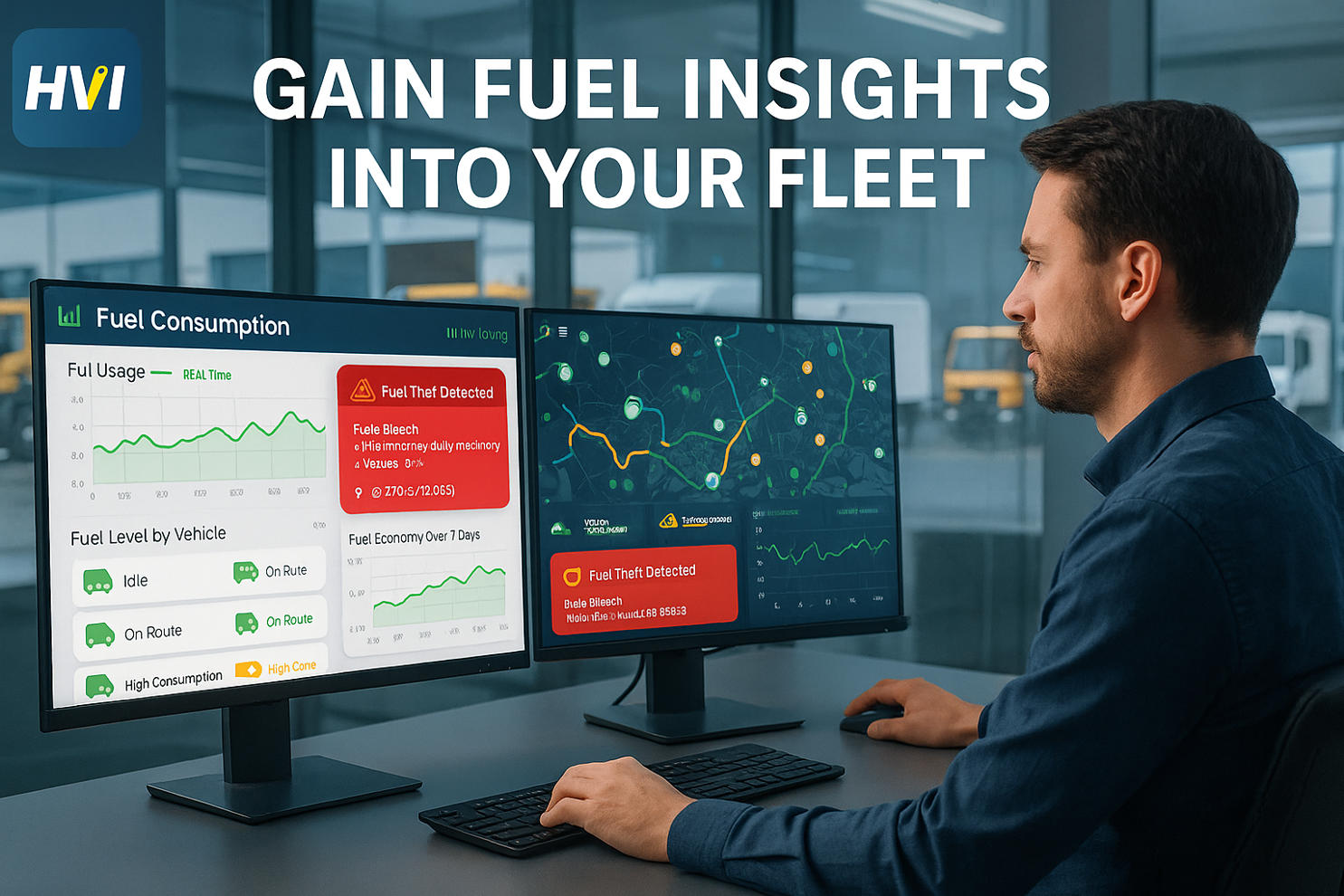
Fuel costs represent the largest controllable expense for most fleet operations, yet many companies struggle with theft, inefficiency, and poor visibility into consumption patterns. As veteran fleet managers retire and regulatory demands increase, operators across the United States face an urgent challenge: implementing comprehensive fuel management systems that deliver measurable results while maintaining operational excellence.
Enter modern fleet fuel management technology – a proven solution that's transforming how transportation companies approach fuel oversight and cost control. This isn't theoretical; it's happening right now in fleets from coast to coast, delivering substantial savings and operational improvements.
The Fuel Management Crisis in US Fleets
The statistics reveal a troubling reality. According to industry research, commercial fleets lose approximately $3.2 billion annually to fuel theft alone. Additionally, 68% of fleet managers report having no real-time visibility into fuel consumption patterns – a critical blind spot that directly impacts profitability and operational efficiency.
Traditional fuel tracking methods, while basic, often fall short in today's complex operational environment. Manual fuel logs and quarterly expense reviews can take weeks to identify problems, and the learning curve for implementing effective oversight systems remains challenging. Fleet operators need solutions that provide immediate insights while reducing administrative burden and operational costs.
Reality Check: The average undetected fuel theft costs fleets $2,400 per vehicle annually. Implementing comprehensive fuel management isn't just about monitoring – it's about protecting your profitability.
How Modern Fleet Fuel Management Systems Actually Work
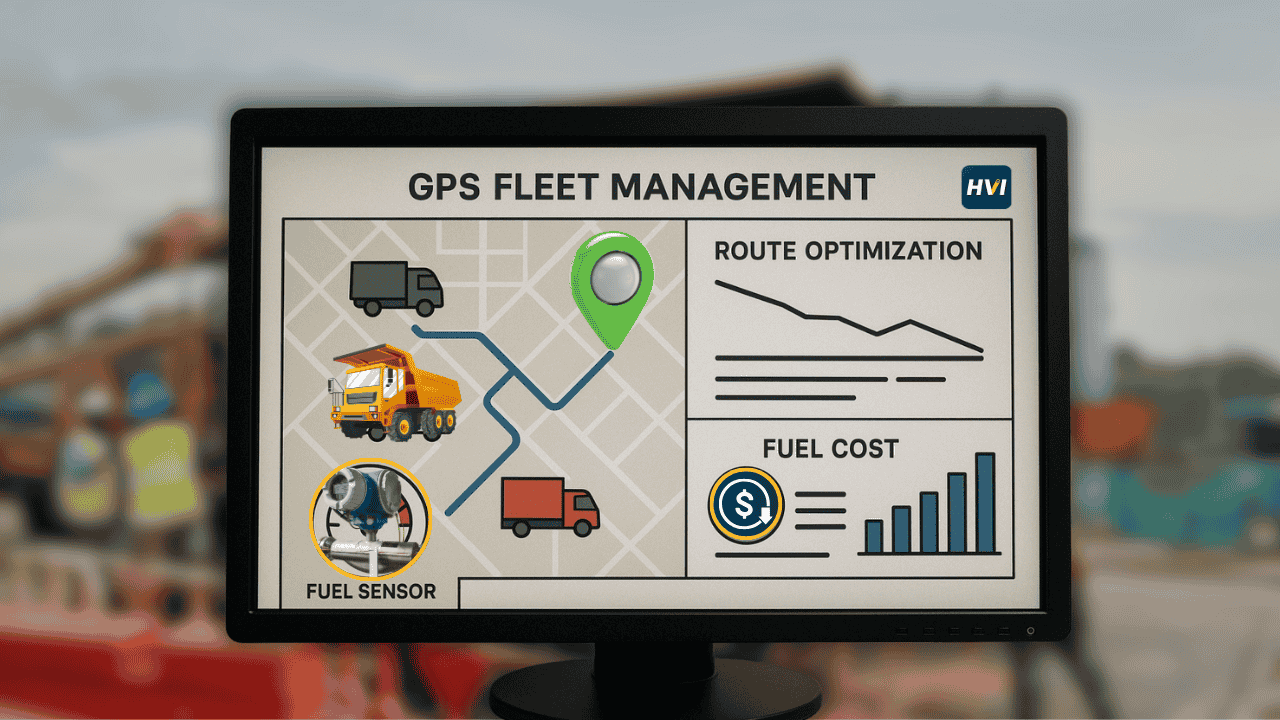
Today's fleet fuel management systems combine real-time monitoring, automated reporting, and predictive analytics to provide comprehensive oversight of fuel operations. These platforms integrate with existing fleet technologies to create a unified view of fuel consumption, purchasing patterns, and operational efficiency metrics.
Unlike basic fuel card programs, advanced systems provide instant alerts for suspicious activity, detailed consumption analysis, and integration with route optimization platforms. This means fleet managers can identify issues immediately rather than discovering problems through monthly statements or annual audits.
- Real-time fuel monitoring with instant theft detection alerts
- Automated transaction validation and exception reporting
- Driver behavior analysis and fuel efficiency coaching
- Route optimization integration for maximum fuel economy
- Predictive analytics for budget planning and maintenance scheduling
Measurable Benefits for Fleet Operations
The impact of comprehensive fleet fuel management systems extends far beyond basic theft prevention. Companies implementing advanced monitoring programs report significant improvements across multiple operational metrics that directly influence bottom-line performance and competitive positioning.
Cost Reduction: A regional delivery company with 150 vehicles reduced fuel expenses by 28% within eight months of implementing real-time monitoring and driver coaching programs. This translates to over $200,000 in annual savings for their operation.
Theft Prevention: Advanced monitoring systems provide consistent, standardized oversight that eliminates the majority of fuel theft incidents. This protection is particularly valuable for companies with vehicles operating in multiple locations or during off-hours when traditional supervision isn't feasible.
Operational Efficiency: The integration of fuel management with fleet optimization platforms improves overall operational efficiency by 15-20%, according to recent industry studies. This means better resource utilization and improved service delivery capabilities.
ROI Spotlight: A major logistics company in Texas reported a 340% ROI within 14 months of implementing comprehensive fuel management, driven primarily by theft prevention and improved operational efficiency.
Implementation Strategies That Deliver Results
Successful fuel management system implementation requires strategic planning and stakeholder engagement. The most effective approach involves starting with high-impact applications before expanding to comprehensive fleet-wide deployment.
Start with Pilot Programs: Begin with your highest-cost vehicles or routes where fuel expenses are most significant. This allows you to demonstrate value quickly while refining your monitoring and reporting processes. Focus on operations where fuel efficiency improvements will have the greatest financial impact.
Engage Your Operations Team: Your most experienced drivers and fleet coordinators should be integral to the system selection and implementation process. Their expertise ensures that monitoring programs reflect real-world operational needs and institutional knowledge that drives practical improvements.
Establish Clear Metrics: Define baseline performance indicators before implementation, including cost per mile, fuel efficiency by route, and operational overhead. This data becomes essential for demonstrating ROI and securing support for expanded programs.
- Technology selection: Choose systems with proven fleet management integration
- Training development: Prioritize driver education and engagement programs
- Change management: Address operational concerns about monitoring and oversight
- Integration planning: Ensure compatibility with existing fleet management platforms
Fuel Theft Prevention Technologies
Fuel theft prevention requires a comprehensive approach combining multiple technologies and operational procedures. Based on real-world implementations across diverse fleet operations, certain methods consistently deliver superior results.
| Prevention Method | Effectiveness | Implementation Cost | Best Application |
|---|---|---|---|
| Real-time Tank Monitoring | 95% | Medium | High-value vehicles |
| Secure Fuel Cards | 85% | Low | All fleet vehicles |
| GPS Integration | 90% | Medium | Remote operations |
| Automated Alerts | 88% | Low | 24/7 monitoring |
Driver Behavior and Fuel Efficiency
Driver behavior represents one of the most significant controllable factors in fuel consumption, with poor driving habits increasing fuel costs by 20-35%. Effective fleet fuel management systems include comprehensive driver monitoring and coaching components that address these behavioral factors systematically.
- Excessive idling patterns (wastes 0.8-1.5 gallons per hour)
- Aggressive acceleration and braking behaviors
- Speed management (efficiency drops 8% for every 5 mph over optimal speeds)
- Route adherence and unauthorized vehicle usage
- Preventive maintenance awareness and reporting
HVI's integrated fleet management solutions include driver performance analytics that identify improvement opportunities and provide targeted coaching recommendations. This data-driven approach to driver development consistently delivers 12-18% fuel efficiency improvements within the first implementation year.
Technology Integration and System Compatibility
The most effective fuel management solutions integrate seamlessly with existing fleet technologies to provide comprehensive operational oversight. This integration eliminates data silos and provides unified reporting across all fleet management functions.
- Route optimization platforms for fuel-efficient scheduling
- Maintenance management systems for efficiency-based servicing
- Load planning software for optimal fuel economy
- Performance analytics for cross-functional benchmarking
- Financial systems for automated expense tracking and budgeting
Integration Tip: Select systems with robust API connectivity that can share data with your existing fleet management, maintenance, and accounting platforms for maximum operational efficiency and reporting accuracy.
Performance Metrics and Continuous Improvement
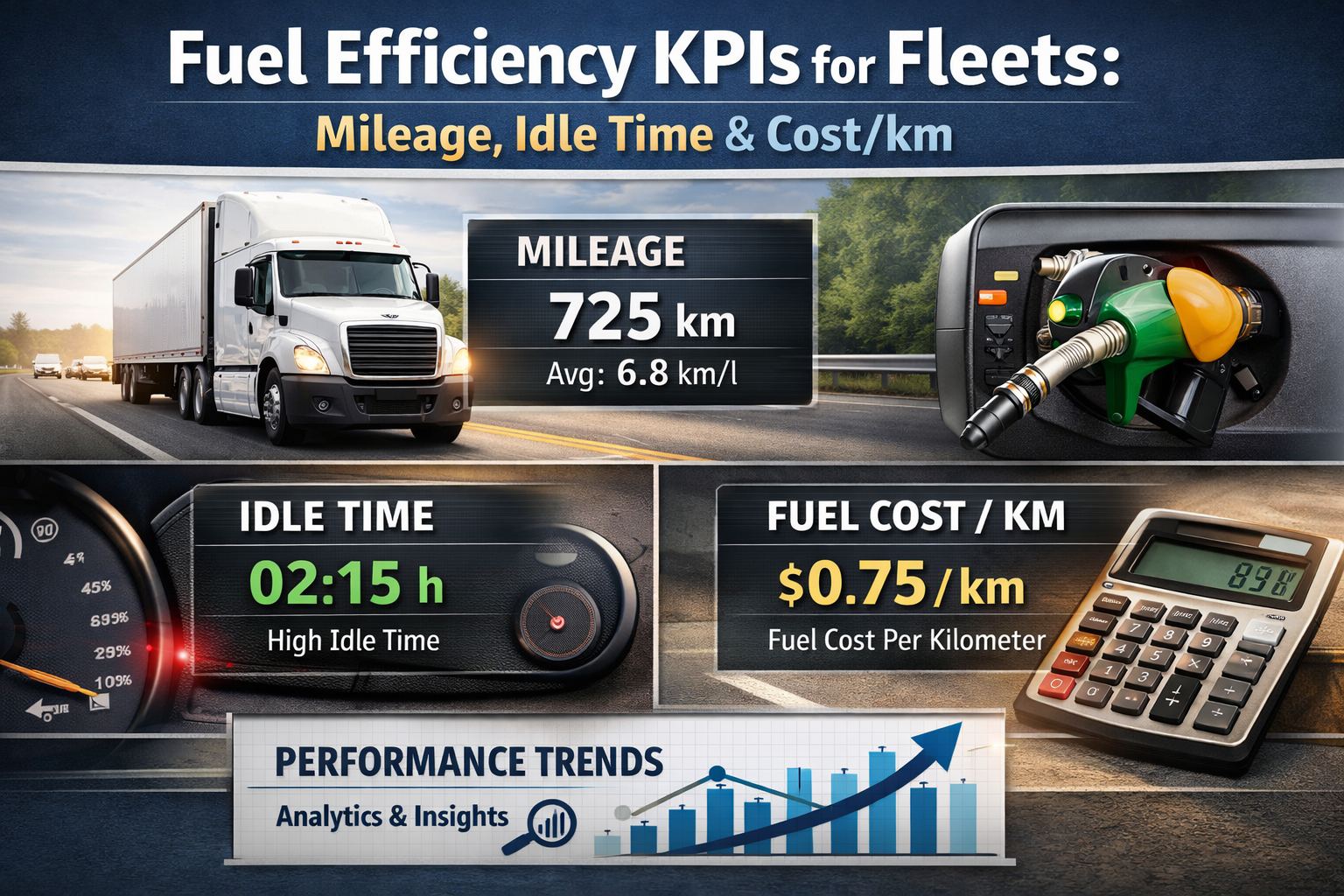
Sustainable fuel management improvements require consistent monitoring of performance indicators that align with operational objectives. Focus on metrics that enable actionable improvements rather than purely informational statistics.
Regular analysis of these performance indicators enables continuous improvement and helps justify investments in advanced fuel management technology and driver training programs. Most successful implementations show measurable improvements within 60-90 days.
Ready to transform your fleet's fuel management?
See how HVI's comprehensive fleet management solutions can reduce your fuel costs by 15-25% while improving operational efficiency.
Schedule a Demo Try For Free NowThe Future of Fleet Fuel Management
Emerging technologies continue to enhance fuel management capabilities across the transportation industry. Artificial intelligence and machine learning algorithms now provide predictive analytics that anticipate fuel needs and optimize purchasing strategies based on market conditions and operational patterns.
Electric and alternative fuel vehicles are also changing fuel management requirements, demanding new approaches for energy optimization and infrastructure management. Forward-thinking fleet operators are preparing for this transition while maximizing efficiency in their current operations through advanced monitoring and management systems.
Looking Ahead: By 2030, AI-powered fuel management systems are projected to deliver 35-40% efficiency improvements compared to traditional monitoring methods, making early adoption a significant competitive advantage.
The transportation industry that emerges from current market challenges will be defined by companies that invest in comprehensive fuel management technologies. Advanced monitoring and optimization systems aren't just changing how fleets manage fuel costs – they're ensuring that American transportation companies remain competitive in an increasingly complex operational environment.