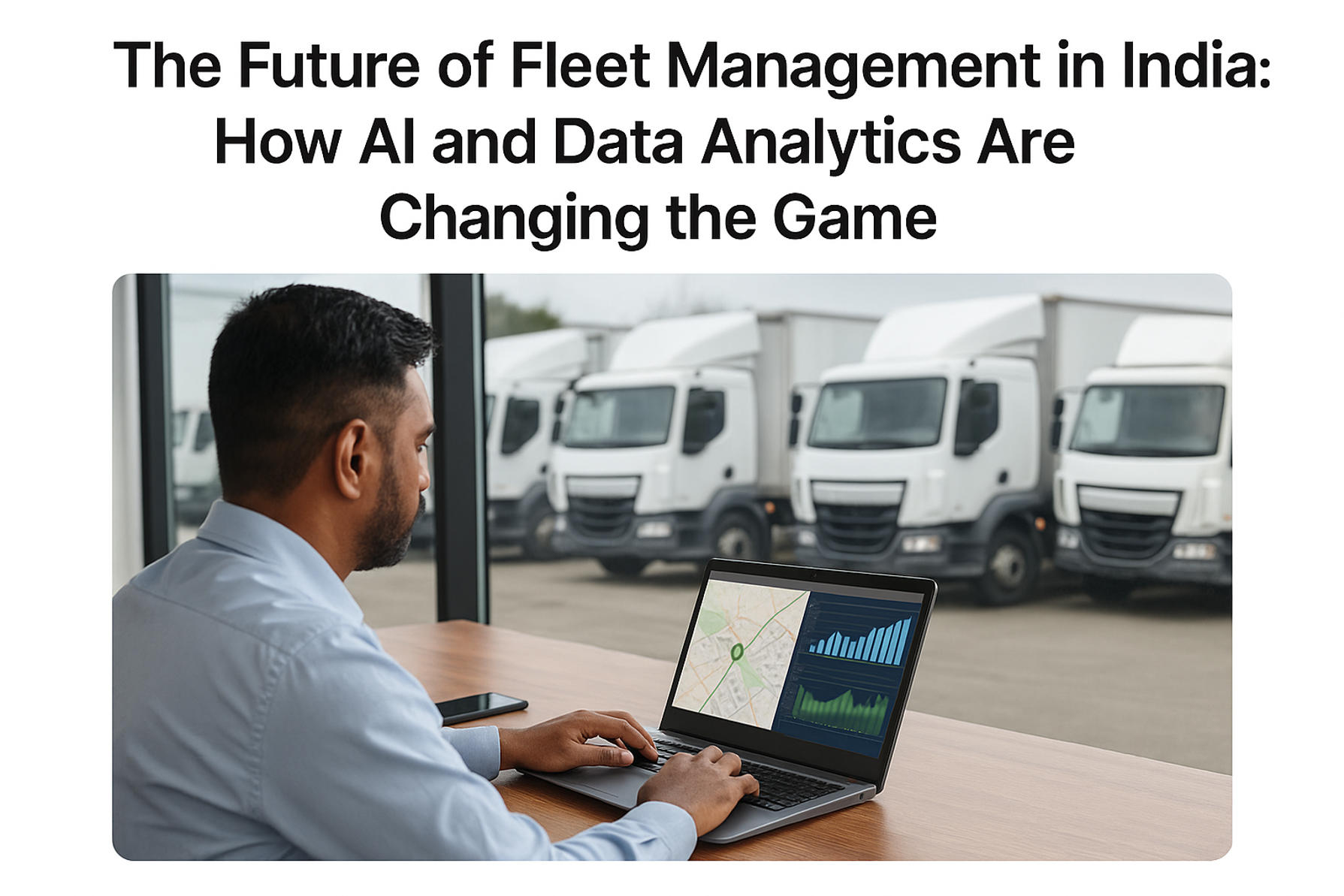
The Indian fleet management landscape is experiencing a technological revolution that's transforming how US manufacturing companies operate their logistics networks. With artificial intelligence and advanced data analytics at the forefront, fleet operations that once relied on intuition and reactive management are evolving into predictive, self-optimizing systems. For American manufacturers expanding into India's $400 billion logistics market, understanding and leveraging these technological advances isn't just an opportunity—it's becoming a competitive necessity.
As India positions itself as a global manufacturing hub under initiatives like "Make in India" and "Production Linked Incentive" schemes, the demand for sophisticated logistics solutions has skyrocketed. US companies that embrace AI-driven fleet management are discovering they can achieve operational efficiencies previously thought impossible while navigating India's unique challenges with unprecedented precision and control.
Predictive Maintenance: From Reactive to Prescriptive
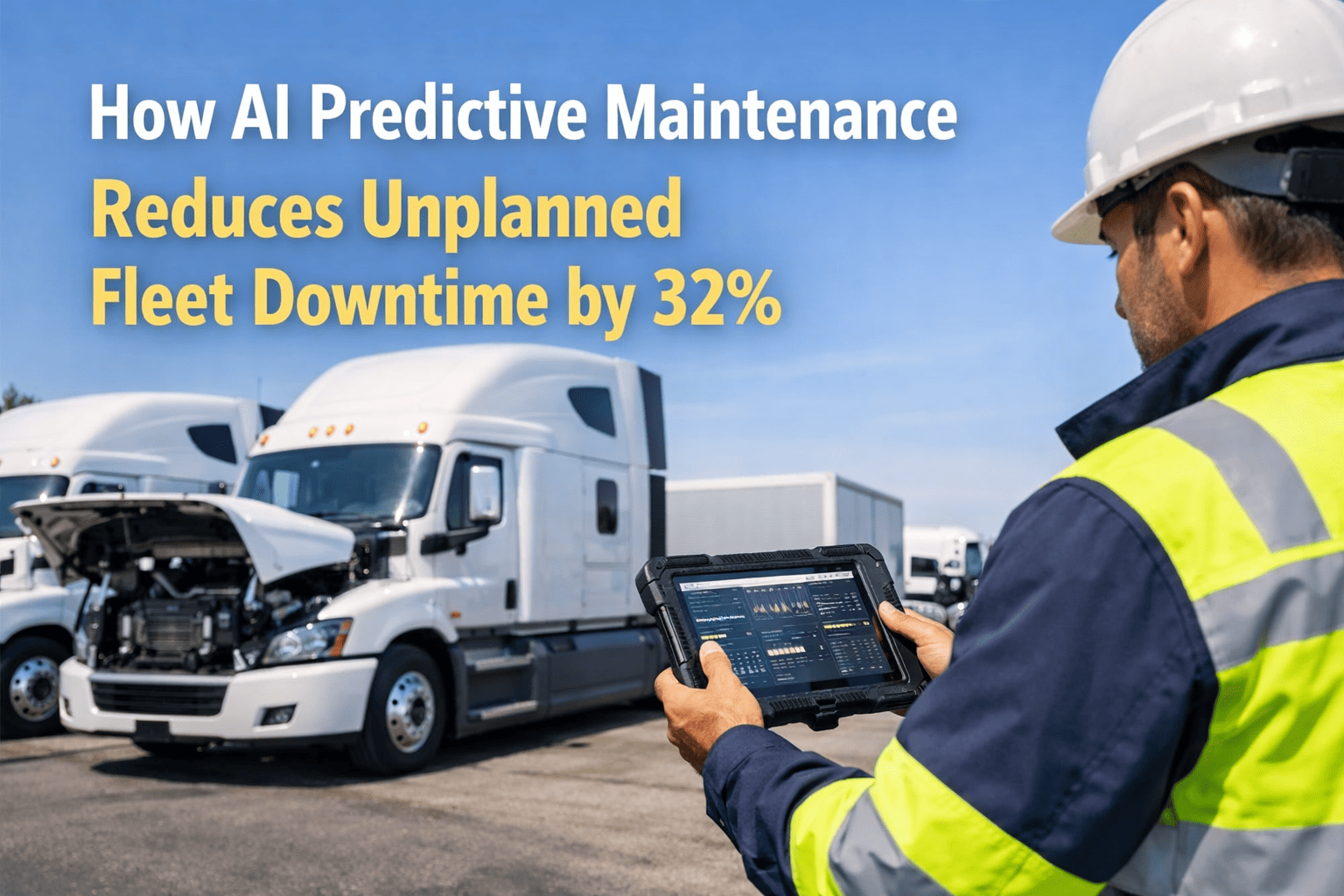
Traditional fleet maintenance in India often meant waiting for breakdowns and then scrambling to find parts and qualified technicians—a costly approach that could leave vehicles stranded for days. AI-powered predictive maintenance is completely rewriting this narrative. By analyzing thousands of data points from engine sensors, GPS systems, and historical maintenance records, machine learning algorithms can predict component failures with 85-90% accuracy, often weeks before traditional diagnostics would detect issues.
Game-Changing Results: US manufacturers implementing AI predictive maintenance in India report 45-60% reduction in unplanned downtime, 30-40% decrease in maintenance costs, and 25% extension in vehicle lifespan compared to traditional maintenance approaches.
For operations spanning India's diverse terrain—from Mumbai's coastal humidity to Delhi's extreme temperatures—AI systems learn to adjust maintenance schedules based on local operating conditions. This localized intelligence is particularly valuable for US companies managing fleets across multiple Indian states, each with its own environmental challenges and service infrastructure limitations.
Smart Route Optimization: Navigating India's Complex Infrastructure
India's transportation network presents unique challenges that conventional GPS systems simply can't handle effectively. AI-driven route optimization goes far beyond basic navigation, incorporating real-time data from traffic patterns, weather conditions, road quality assessments, fuel station availability, and even local events that might impact delivery schedules. These systems learn from millions of successful and problematic routes to continuously improve their recommendations.
Advanced AI Capabilities: Modern systems process data from satellite imagery, IoT sensors, social media feeds, and government databases to create dynamic routing that adapts to India's ever-changing conditions in real-time.
The impact on operational efficiency is remarkable. US manufacturing companies report fuel savings of 15-25% and delivery time improvements of 20-35% when implementing AI route optimization. More importantly, these systems help maintain consistent service levels despite India's infrastructure variabilities, enabling US companies to meet their quality commitments to Indian customers.
Data-Driven Driver Performance and Safety Management
Managing driver performance in India requires understanding cultural nuances, local driving conditions, and regulatory requirements that vary significantly from US standards. AI systems excel at this complexity by analyzing driving patterns, safety incidents, fuel efficiency, and customer feedback to create comprehensive driver profiles that go beyond simple performance metrics.
Advanced driver analytics can identify training needs, predict safety risks, and even detect signs of driver fatigue or distress—critical capabilities when managing operations across India's challenging road conditions. For US companies concerned about maintaining safety standards while adapting to local practices, AI provides the objective insights needed to balance cultural sensitivity with operational excellence.
Supply Chain Integration and Demand Forecasting
The true power of AI in fleet management emerges when it integrates with broader supply chain operations. Modern systems analyze production schedules, inventory levels, customer demand patterns, and market trends to optimize fleet deployment proactively. This integration is particularly valuable in India, where seasonal demand fluctuations, festival periods, and monsoon disruptions can dramatically impact logistics requirements.
For US manufacturers, this means the ability to anticipate and prepare for demand spikes or disruptions rather than simply reacting to them. AI systems can recommend fleet capacity adjustments, suggest alternative routing strategies, and even identify opportunities for collaborative logistics with other companies to optimize resource utilization.
Compliance Automation and Risk Management
India's complex regulatory environment, with requirements varying by state and constantly evolving, presents significant compliance challenges for US companies. AI systems excel at tracking multiple compliance requirements simultaneously, automatically alerting managers to upcoming permit renewals, driver certification requirements, and environmental compliance deadlines.
More sophisticated systems use natural language processing to monitor regulatory changes and assess their impact on operations, providing early warnings about new requirements that might affect fleet operations. This proactive approach to compliance management helps US companies avoid costly disruptions while maintaining their reputation for operational excellence.
Implementation Strategy: Building AI Capabilities Gradually
Successfully implementing AI-driven fleet management in India requires a strategic approach that considers local infrastructure limitations, talent availability, and organizational readiness. The most successful US companies start with pilot programs focusing on specific use cases—such as predictive maintenance for critical vehicles or route optimization for high-volume routes—before expanding to comprehensive AI deployment.
Building local AI capabilities also means investing in Indian talent and partnerships with technology providers who understand both advanced analytics and local market conditions. This hybrid approach combines US technological standards with Indian market expertise, creating sustainable competitive advantages that scale with business growth.
Conclusion: The Competitive Imperative of AI Adoption
The future of fleet management in India belongs to companies that can harness the power of AI and data analytics to create truly intelligent logistics operations. For US manufacturing companies, this technology revolution represents an opportunity to achieve operational excellence that rivals or exceeds their domestic performance standards while navigating India's unique challenges with confidence.
The companies that embrace AI-driven fleet management today will establish competitive advantages that become increasingly difficult for rivals to match. As India continues its rapid economic growth and infrastructure development, AI-enabled logistics operations will become the standard for successful manufacturing operations, making early adoption not just beneficial but essential for long-term success.