Are you interested in a career in construction management? Do you want to learn how to become a construction project manager and take your construction career to the next level? In this comprehensive guide, we'll cover everything you need to know about what construction managers do, the skills and qualifications required, and the steps you can take to succeed in this rewarding field. Learn from the best with HVI or schedule a 30-minute walkthrough with our team.
Build a career in construction management — and the digital toolkit to run projects on time, on budget, and on safety.
HVI is a SaaS platform built for construction professionals: paperless inspections, equipment maintenance and asset history, OSHA compliance, real-time team collaboration, and offline access from any site.
What is construction management?
Construction management involves overseeing and coordinating the planning, design, and construction of building projects from start to finish. Construction managers, also known as construction project managers, are responsible for ensuring that projects are completed on time, within budget, and to the required quality standards. The role requires a diverse skill set, including technical knowledge, leadership abilities, communication skills, and business acumen. Effective construction managers must be able to manage teams, resolve conflicts, and make critical decisions under pressure.
What does a construction manager do?
The role of a construction manager is multifaceted and involves a wide range of responsibilities. These are the six key tasks construction managers typically perform.
Planning and scheduling
Develop project plans, set milestones, and create schedules to ensure that projects stay on track.
Budgeting and cost control
Prepare and manage project budgets, monitor expenses, and implement cost-saving measures to keep projects within financial constraints.
Team management
Hire, train, and supervise project teams, including subcontractors, suppliers, and other construction professionals.
Quality control
Establish quality standards, conduct inspections, and ensure all work meets the required specifications and regulations.
Safety management
Implement and enforce safety protocols on construction sites to prevent accidents and injuries.
Communication and reporting
Communicate with stakeholders, provide progress updates, and prepare reports to keep everyone informed about project status.
Construction equipment management
Effective construction equipment management is crucial for the success of any construction project. Construction managers must have a solid understanding of the various types of equipment used on construction sites, including heavy vehicles, and how to ensure their safe and efficient operation.
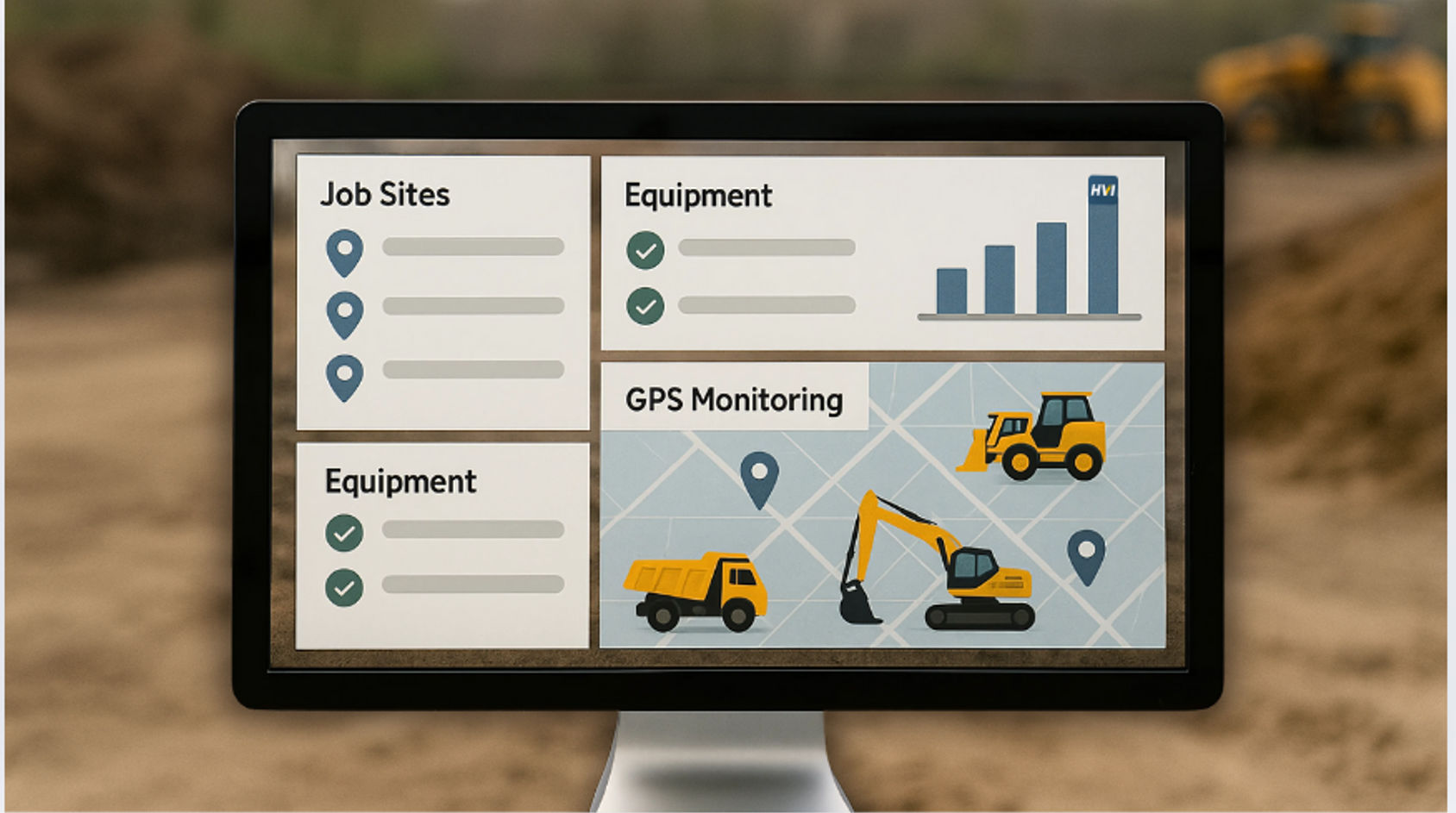
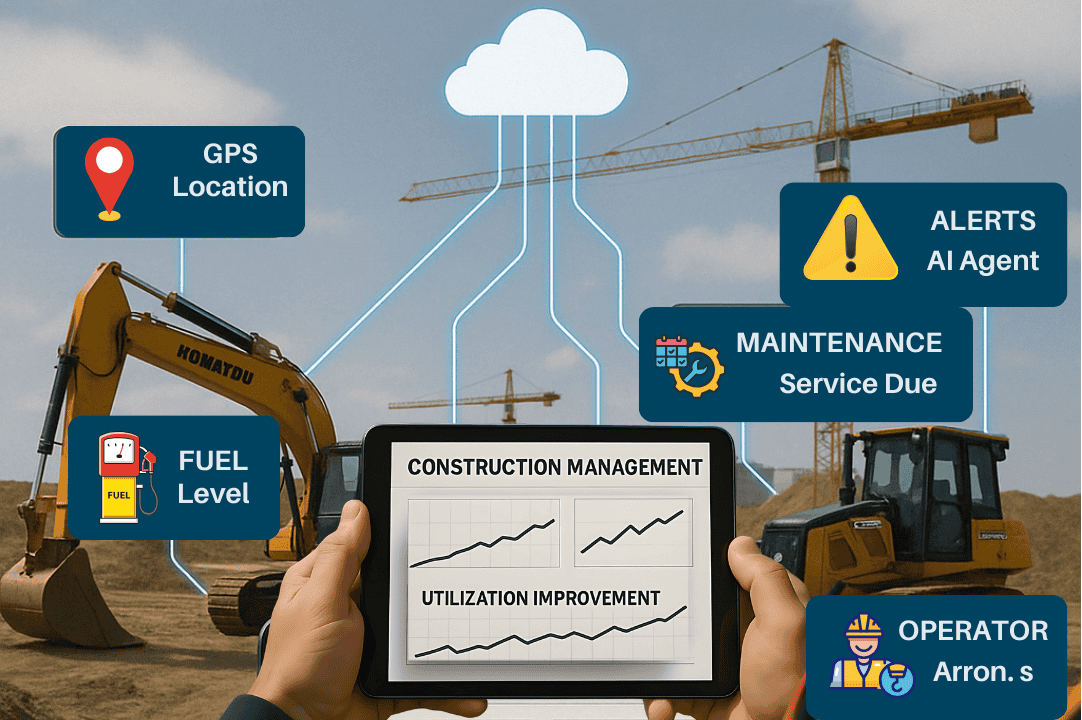
Construction managers often rely on computerized maintenance management systems (CMMS) to track equipment maintenance schedules, manage inventory, and minimize machine breakdowns. They also implement equipment safety protocols, conduct digital inspections, and maintain compliance with OSHA checklists and other regulatory requirements.
Paperless construction and project management software
In today's digital age, construction project managers increasingly rely on paperless construction and project management software to streamline operations, improve efficiency, and enhance collaboration among team members.
Paperless construction solutions, such as mobile apps and cloud-based platforms, enable construction managers to access and update project information in real-time, even in offline mode. They can create and manage digital vehicle inspection reports (DVIR), equipment checklists, and safety documentation, reducing the need for paper-based processes. Construction project management software provides a centralized platform for planning, scheduling, budgeting, and communication — allowing managers to assign tasks, track progress, manage resources, and generate reports for better decision-making and project control.
Learn from the best with HVI
If you want to enter the world of construction project management and learn from the best, look no further than HVI. Our cutting-edge SaaS platform is designed specifically for construction professionals, offering a comprehensive suite of tools to streamline equipment management, safety compliance, and project coordination. With HVI, you can:
Paperless inspections
Conduct paperless inspections and generate digital reports.
Equipment maintenance
Manage equipment maintenance and track asset history.
OSHA compliance
Ensure compliance with OSHA checklists and safety regulations.
Real-time collaboration
Communicate and collaborate with your team in real-time.
Offline access
Access project information anytime, anywhere, even in offline mode.
Take your construction project management to the next level. sign up for a free HVI account today, or book a live demo to see the full toolkit.
How to become a construction manager
If you're wondering how to become a construction project manager, here are the five key steps you can follow.
Earn a degree
Most positions require a bachelor's degree in construction management, civil engineering, or a related field. Some employers may also accept degrees in business administration or project management.
Gain experience
Practical experience is essential. Many aspiring construction managers start as entry-level workers, such as assistants or field engineers, and work their way up through progressively responsible roles.
Develop key skills
Develop technical, managerial, and interpersonal skills — proficiency in construction methods and technologies, project management techniques, leadership abilities, communication skills, and problem-solving aptitude.
Obtain certifications
Professional certifications, such as the Certified Construction Manager (CCM) or Project Management Professional (PMP), can enhance your credibility and demonstrate your expertise to potential employers.
Network and seek opportunities
Build a strong professional network and actively seek opportunities. Attend industry events, join professional associations, and leverage online job boards and social media to connect with employers and stay informed about trends and best practices.
Construction project manager jobs
Construction project manager jobs are available in a wide range of settings, including residential, commercial, industrial, and infrastructure construction. Common job titles in this field include the following.
The demand for skilled construction project managers is expected to grow in the coming years, driven by the increasing complexity of construction projects and the need for effective management and coordination. To succeed, you need to be able to handle multiple tasks simultaneously, work well under pressure, and adapt to changing project requirements. Strong leadership skills, attention to detail, and the ability to communicate effectively with diverse stakeholders are also essential.
Construction safety and compliance
Construction safety is a top priority for any construction project manager. Construction sites can be dangerous places, with potential hazards such as falls, electrical shocks, and equipment accidents. It is the responsibility of the construction manager to ensure that all workers on site follow safety protocols and that the site is in compliance with relevant regulations, such as those set by the Occupational Safety and Health Administration (OSHA).
To promote construction safety, managers must develop and implement comprehensive safety plans, conduct regular safety training and meetings, and enforce the use of personal protective equipment (PPE). They also need to be familiar with OSHA checklists and other safety standards specific to the construction industry. Digital tools, such as mobile apps for safety inspections and equipment checklists, can help streamline safety management and ensure compliance — easily documenting safety procedures, tracking incidents, and generating reports, even in offline mode.
The future of construction management
The construction industry is evolving rapidly, driven by technological advancements, changing client expectations, and the increasing complexity of construction projects. To stay competitive, construction project managers need to stay up-to-date with these four key trends shaping the field's future.
Digitalization
The adoption of digital technologies, such as Building Information Modeling (BIM), drones, and augmented reality, is transforming the way construction projects are planned, designed, and executed.
Sustainable construction
There is a growing emphasis on sustainable practices, such as green building, waste reduction, and energy efficiency, to minimize the environmental impact of construction projects.
Lean construction
Lean principles, which focus on maximizing value and minimizing waste, are being applied to construction management to improve efficiency, reduce costs, and enhance project outcomes.
Collaborative contracting
New contract models, such as Integrated Project Delivery (IPD) and Alliance Contracting, are promoting greater collaboration and risk-sharing among project stakeholders.
To succeed in this dynamic landscape, construction project managers need to be proactive, adaptable, and willing to embrace change. They must continuously update their skills, leverage new technologies, and foster a culture of innovation and continuous improvement within their teams.
The bottom line
Becoming a construction project manager is a rewarding career path that offers both challenges and opportunities. By developing the necessary skills, gaining practical experience, and staying up-to-date with industry trends, you can position yourself for success in this dynamic field. Whether you're managing a small renovation project or a large-scale infrastructure development, your role is critical to ensuring projects are delivered on time, within budget, and to the highest quality standards. By leveraging the latest technologies, such as paperless construction solutions and project management software, you can streamline operations, improve collaboration, and drive better project outcomes. As the industry continues to evolve, the demand for skilled construction project managers will only continue to grow.
Ready to take your construction career to new heights? sign up now for HVI and gain access to the tools and resources you need — manage projects, ensure safety compliance, and streamline equipment management, all from the palm of your hand. Or book a demo to see it in action.
Frequently asked questions
What is construction project management?
Construction project management is the application of project management principles and techniques to construction projects. It involves managing the various aspects of a construction project, including planning, scheduling, budgeting, resource allocation, risk management, and stakeholder communication.
How do I become a construction project manager?
Typically you earn a bachelor's degree in construction management, civil engineering, or a related field; gain practical experience starting from entry-level positions and working your way up; develop key technical, managerial, and interpersonal skills; obtain professional certifications such as the Certified Construction Manager (CCM) or Project Management Professional (PMP); and network and actively seek job opportunities in construction project management.
What does a construction project manager do?
A construction project manager is responsible for a wide range of tasks, including planning and scheduling projects, managing project budgets and costs, hiring, training, and supervising project teams, ensuring quality control and compliance with regulations, implementing safety protocols on construction sites, and communicating with stakeholders and providing progress updates.
What does a project manager do for a construction company?
A project manager in a construction company oversees and manages construction projects from inception to completion. They ensure projects are delivered on time, within budget, and to the required quality standards, and they coordinate with various stakeholders — including clients, architects, engineers, subcontractors, and suppliers — to ensure smooth project execution.
What skills do I need to become a successful construction project manager?
You need a combination of technical, managerial, and interpersonal skills. These include knowledge of construction methods and technologies, proficiency in project management techniques, leadership abilities, communication skills, problem-solving aptitude, and attention to detail.
What are the benefits of using construction project management software?
It offers improved project planning and scheduling, better resource allocation, enhanced collaboration among team members, real-time progress tracking, and easier document management. It helps streamline operations, increase efficiency, and enable data-driven decision-making.
How can I ensure safety on a construction site?
Develop and implement a comprehensive safety plan, conduct regular safety training and meetings, enforce the use of personal protective equipment (PPE), and maintain compliance with OSHA regulations. Regularly inspecting the site, identifying potential hazards, and promptly addressing safety concerns are also crucial.
What is the future outlook for construction project management?
The future looks promising, with growing demand for skilled professionals driven by the increasing complexity of construction projects and the need for effective management and coordination. The industry is also embracing technological advancements, sustainable practices, lean principles, and collaborative contracting models, creating new opportunities for construction project managers.
How can HVI help me in construction project management?
HVI is a cutting-edge SaaS platform designed specifically for construction professionals. It offers a comprehensive suite of tools to streamline equipment management, safety compliance, and project coordination. With HVI, you can conduct paperless inspections, manage equipment maintenance, ensure compliance with OSHA checklists, communicate with your team in real-time, and access project information anytime, anywhere, even in offline mode.
What are the common challenges faced by construction project managers?
Common challenges include managing project scope, timeline, and budget constraints; dealing with unexpected changes and delays; coordinating with multiple stakeholders and ensuring effective communication; managing subcontractors and suppliers for timely, quality deliverables; mitigating risks and resolving conflicts; ensuring compliance with regulations and safety standards; adapting to new technologies and industry trends; and maintaining accurate documentation and project records. To overcome them, managers need to be proactive, adaptable, and equipped with the right tools — prioritizing effective planning, communication, risk management, and continuous improvement.
Enter the world of construction project management with HVI.
Don't miss this opportunity to learn from the best and elevate your construction project management skills. Conduct paperless inspections, manage equipment maintenance, ensure OSHA compliance, and collaborate with your team in real-time — all from the palm of your hand, even offline.
No credit card required · Available on iOS & Android · Paperless inspections + equipment maintenance + OSHA compliance + offline access in one platform