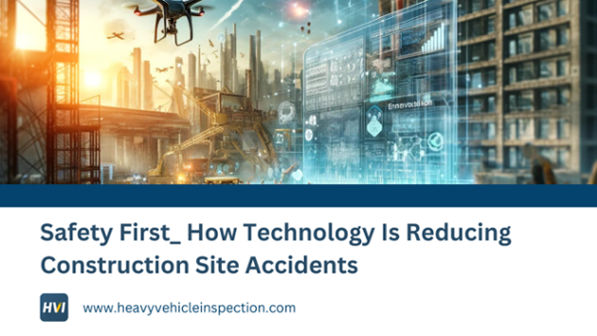
In the dynamic world of construction, prioritizing the safety of workers and ensuring compliance with regulations is paramount. Traditional paper-based safety inspections often struggle to keep pace with the demands of modern construction sites, leading to inefficiencies, inaccuracies, and delayed reporting. With the rise of cutting-edge technology, construction companies now have the opportunity to revolutionize their safety inspection processes, embrace paperless solutions, and usher in a new era of enhanced safety management. Try HVI's paperless safety inspections free or schedule a 30-minute walkthrough with our team to see it set up for your construction sites.
Paper can't keep pace with a modern construction site. Paperless safety inspections can.
HVI replaces paper forms with real-time digital inspections, instant hazard alerts, customizable checklists, and offline-capable data capture — so safety status is visible the moment an inspector taps "submit," not days later.
Why go paperless?
Traditional methods of managing safety inspections on a construction site often involve extensive paperwork, from incident reports to observation logs. This not only consumes time but also increases the risk of errors and delays in communication. By adopting a paperless system, construction management can instantly access and process data, thereby enhancing safety compliance and response times to safety incidents.
Research shows that construction sites implementing digital solutions for safety management have reported significant decreases in safety incidents. According to the 2023 Construction Tech Survey, there was a 40% reduction in reportable safety incidents following the adoption of paperless technologies — demonstrating the profound impact technology can have on improving safety outcomes.
The need for digital transformation in construction safety
Traditional safety inspection methods involve many paper forms, checklists, and manuals. These are cumbersome to handle, prone to damage, and often lead to significant delays in communication and data processing. Moreover, the manual entry of data increases the risk of errors, which can be critical in a high-stakes environment like construction.
Time-consuming and inefficient
Paper-based safety inspections on the construction site are often time-consuming and inefficient. Safety managers and EHS teams spend countless hours filling out forms, transcribing data, and compiling reports. This manual process takes valuable time away from actively monitoring safety compliance and increases the risk of human error.
Lack of real-time visibility
With paper-based inspections, construction management teams lack real-time visibility into the safety status of their site. Safety observations and incident reports can take days or even weeks to be processed, hindering prompt corrective actions and potentially leaving workers exposed to safety hazards.
Overcoming resistance and adaptation: The shift to a paperless site can initially meet resistance, with challenges in user adaptation and system integration being common. These issues can be effectively addressed through thorough training sessions and staged implementation, allowing users to experience the benefits firsthand and easing the transition.
How does paperless technology work?
Going paperless typically involves using software that integrates seamlessly with existing construction management systems. This creates a cohesive platform for managing safety observations and incidents, facilitating real-time updates and communication across various teams, ensuring that everyone is informed and prepared to address potential hazards.
Key features of the HVI app
Real-time alerts
Real-time alerts for safety incidents the moment they're logged.
Accessible logs
Accessible logs for incident reports that stakeholders can retrieve easily.
Automated scheduling
Automated scheduling for safety meetings and reminders.
Customizable observation logs
Customizable observation logs that adapt to specific safety compliance needs.
Advantages of going paperless
Digital forms are quicker to fill out and can be instantly shared and processed.
Automated data capture reduces human error and improves the reliability of safety audits.
Digital documents can be easily stored, searched, and retrieved.
Reduces the costs associated with paper, printing, and document storage.
Less reliance on paper helps reduce the ecological footprint of construction projects.
Going paperless turns days of paper processing into instant, searchable, shareable records. sign up for a free HVI account and digitize your safety inspections, or book a live demo to see the platform on your sites.
The importance of maintaining a robust safety culture
Adopting a paperless approach also improves the quality and effectiveness of safety meetings, as information is readily available and discussions are driven by up-to-date data. Regular, data-informed safety meetings are essential for cultivating a culture where safety management is continuously prioritized.
"Integrating digital tools in safety management not only protects our workers but also boosts our operational efficiency."
Jane Doe, Safety Director at ABC Constructions — industry leader insights
Intelligent safety inspections: the future of construction safety
The construction industry is witnessing a paradigm shift towards intelligent safety inspections, driven by advanced technologies such as artificial intelligence, machine learning, and computer vision. These cutting-edge solutions offer a comprehensive suite of capabilities that revolutionize safety management.
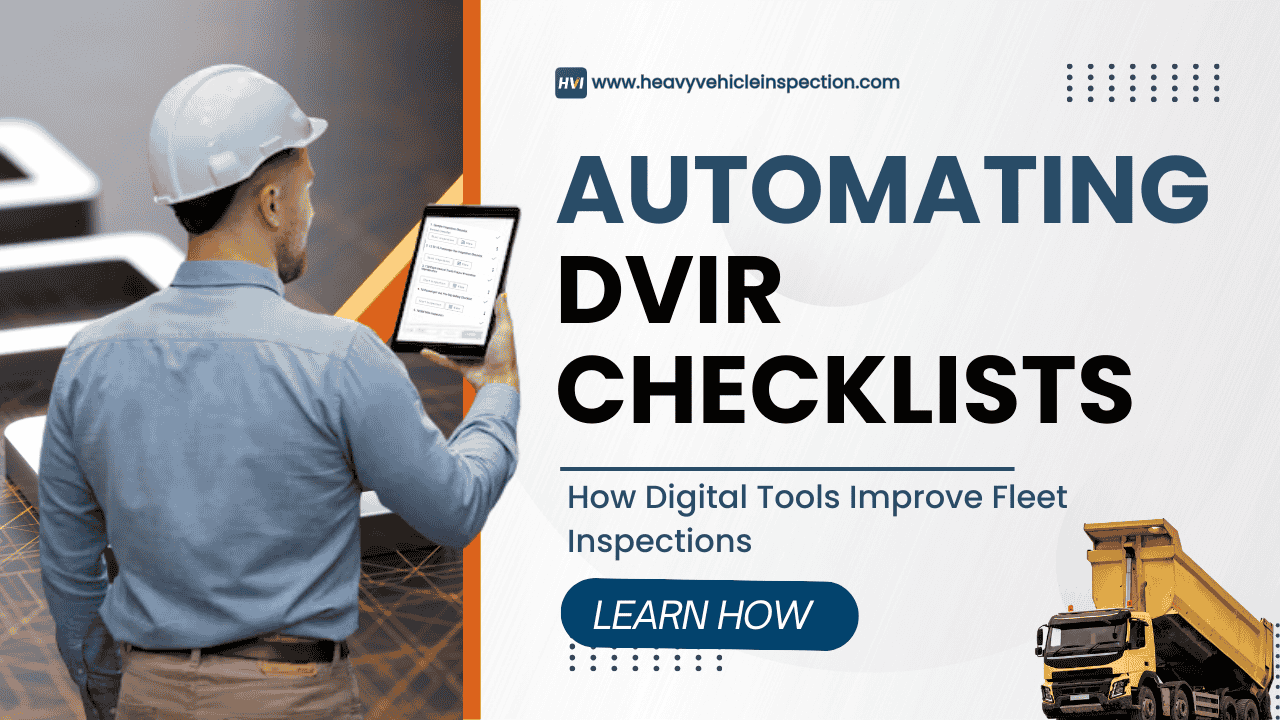
Customizable digital checklists
A library of customizable digital checklists tailored to specific construction activities, safety regulations, and company policies, ensuring thorough and consistent inspections across all projects.
AI-powered hazard detection
Advanced computer vision and machine learning automatically detect and identify potential hazards. By analyzing photos and videos captured during inspections, these systems flag safety issues and provide instant alerts for immediate action.
Voice-to-text data entry
Voice-to-text technology lets inspectors capture data hands-free using voice commands. This saves time, improves data accuracy, and enables inspectors to focus on their surroundings while conducting inspections.
Predictive analytics and insights
By analyzing historical inspection results, incident reports, and other data sources, predictive analytics identify patterns and trends, providing actionable insights and recommendations for proactive risk mitigation.
Seamless integration and collaboration
Intelligent solutions integrate with existing project management systems, safety software, and communication tools — enabling smooth data flow, enhancing collaboration, and promoting a holistic approach to safety management.
The role of technology in enhancing safety inspections
Beyond digitizing forms, technology fundamentally changes how safety data moves through an organization — across three dimensions.
Real-time data and communication
Technologies like the HVI App enable real-time data collection and communication among teams. Inspectors input data directly into tablets or smartphones, with information immediately available to project managers and safety officers, facilitating faster response times to detected issues or hazards.
Enhanced accessibility and integration
Cloud-based systems ensure inspection data is accessible from any location, enabling remote monitoring and management of site safety. Digital tools can integrate with other project management software, providing a holistic view of both safety and project progress.
Advanced analytics for predictive safety
With the accumulation of data over time, predictive analytics can foresee potential safety risks before they become evident. This proactive approach to safety management can significantly reduce accidents and enhance overall site safety.
Implementing a paperless safety inspection system
A successful transition to paperless follows five clear steps, each building on the one before it.
Assessment
Evaluate the current paper-based processes to identify key areas for digital transformation.
Tool selection
Choose appropriate digital tools that meet the specific needs of the construction project. The HVI App, with its customizable features, is an excellent choice.
Training
Provide comprehensive training for all users to ensure smooth adoption and effective use of the technology.
Pilot testing
Implement the digital solution in phases, starting with a pilot project before a full-scale rollout.
Feedback and iteration
Establish a feedback loop with users to continuously improve the process based on real-world usage and challenges.
fewer safety incidents — the adoption of paperless safety management has shown significant impact and ROI for construction companies worldwide. XYZ Construction achieved a 50% reduction in safety incidents and a 30% increase in safety compliance after implementing the HVI App. By streamlining inspections and improving communication, teams prevent accidents while saving time and resources.
The bottom line
The paperless construction site is no longer a distant dream but a reality that is transforming safety and EHS management practices. By embracing innovative technology like the HVI App, construction management teams can streamline safety inspections, enhance collaboration, and foster a strong safety culture on the construction site. The benefits are clear: increased efficiency, improved safety compliance, and a safer work environment for all. Don't let outdated paper-based processes hold you back — embrace the future of safety management with HVI.
Top 5 FAQs: the power of paperless safety inspections
Are paperless safety inspection solutions compatible with both iOS and Android devices?
Yes, most paperless safety inspection solutions are designed to work seamlessly on both iOS and Android platforms, ensuring accessibility and flexibility for inspectors in the field.
How do paperless safety inspection systems handle data security and privacy?
Reputable providers employ industry-standard encryption protocols and secure cloud storage to protect sensitive inspection data. Robust security measures, including role-based access control and regular security audits, ensure that data remains confidential and compliant with privacy regulations.
Can paperless safety inspection platforms generate custom reports and analytics?
Absolutely. Advanced solutions offer powerful reporting and analytics capabilities, allowing users to generate custom reports, dashboards, and insights tailored to their specific needs. Users can track key safety metrics, identify trends, and make data-driven decisions to improve safety performance.
How do paperless safety inspection tools handle offline functionality in remote construction sites?
Leading solutions are designed to work offline, enabling inspectors to conduct inspections even in areas with limited or no internet connectivity. Data is securely stored on the device and automatically synced to the cloud once a connection is re-established, ensuring seamless data integrity and availability.
What kind of customer support and training is provided with paperless safety inspection solutions?
Reputable providers offer comprehensive customer support and training to ensure smooth adoption and optimal utilization. Dedicated support teams are typically available around the clock to address any technical issues or questions, and providers often offer on-site training, webinars, and user guides to help teams become proficient with the technology quickly.
Embrace the future of construction safety management.
See firsthand how paperless safety inspections drive operational excellence and keep your construction site safe and compliant — with customizable digital checklists, AI-powered hazard detection, real-time alerts, offline data capture, and predictive analytics in one platform.
No credit card required · Works offline on iOS & Android · Digital checklists + AI hazard detection + real-time alerts + predictive analytics in one platform