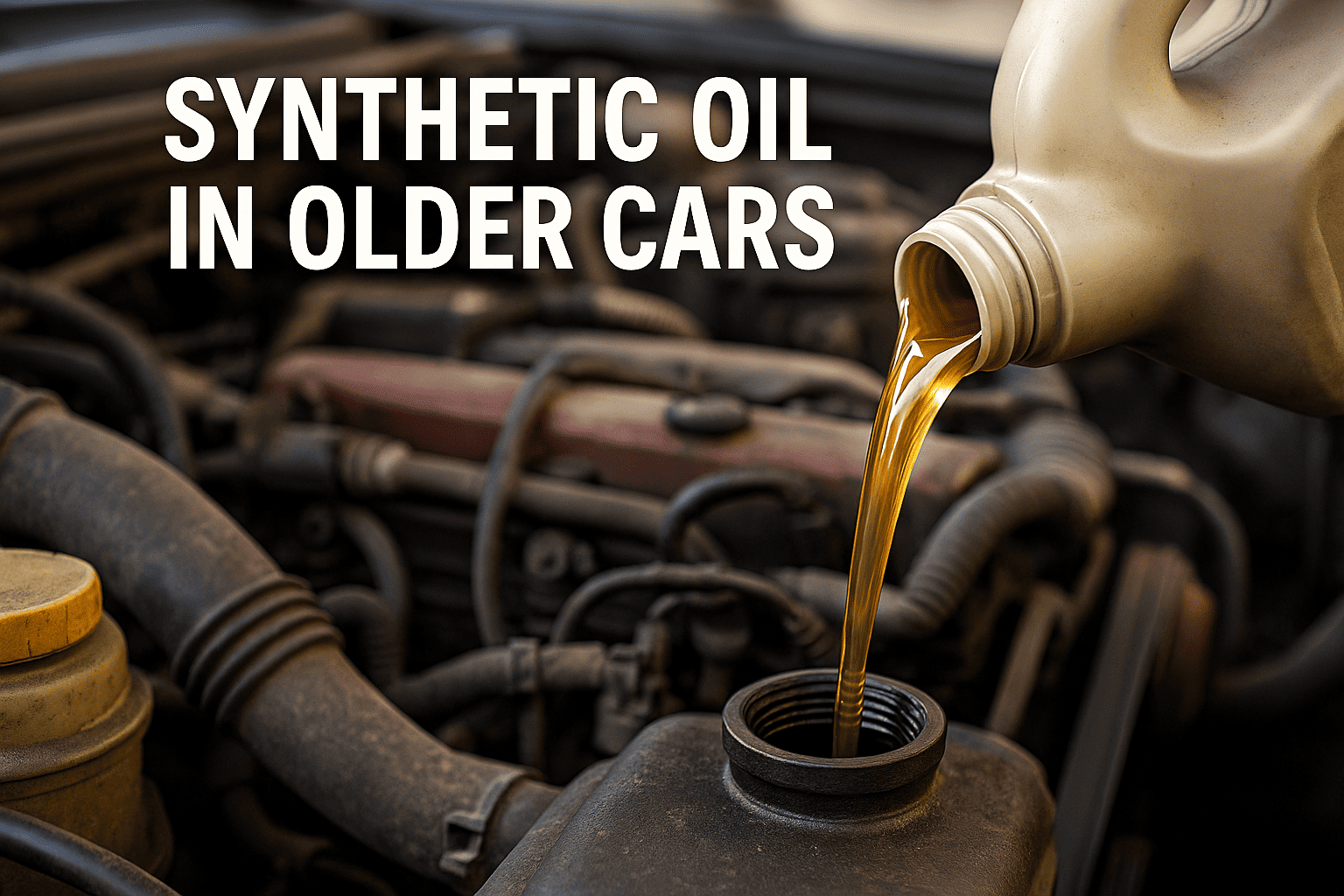
Synthetic oil in older heavy equipment presents both significant opportunities and critical risks that affect 68% of construction fleets operating machines manufactured before 2015, with improper conversions costing an average of $25,000-$45,000 per machine in seal failures and system complications. Industry data reveals that older equipment synthetic oil conversions, when properly executed, deliver 35-50% improvement in engine protection and 25% reduction in maintenance costs, but 42% of conversions fail due to compatibility issues that create expensive operational problems. Understanding synthetic oil compatibility with older heavy equipment enables informed decisions that optimize performance while protecting equipment investments and operational reliability.
This comprehensive guide eliminates guesswork from synthetic oil decisions for older construction equipment, providing proven protocols that maximize protection benefits while avoiding costly compatibility failures. More importantly, it delivers data-driven strategies for evaluating conversion suitability, managing implementation risks, and optimizing lubrication programs that extend equipment life and improve operational efficiency across aging fleet portfolios.
Older Equipment Synthetic Oil Impact
Need Expert Guidance on Older Equipment Oil Conversion?
Discover proven compatibility assessment and conversion strategies for aging heavy equipment fleets.
Synthetic Oil Compatibility in Older Heavy Equipment: Critical Assessment Framework
Older heavy equipment synthetic oil compatibility depends on five critical factors: equipment age and seal materials, operating history and maintenance quality, current engine condition, manufacturer specifications, and environmental operating conditions. Equipment manufactured before 2010 requires comprehensive compatibility assessment to prevent seal degradation, while machines from 2010-2015 typically achieve successful conversions with proper evaluation protocols and gradual transition procedures.
Benefits and Performance Improvements for Older Equipment
Successful synthetic oil conversions in compatible older equipment deliver measurable performance improvements including enhanced engine protection, extended service intervals, improved cold-weather operation, and reduced maintenance costs. These benefits become more pronounced in older equipment where conventional oil struggles to provide adequate protection under demanding operating conditions and extended service requirements.
Thermal stability improvements enable synthetic oils to maintain protective properties under extreme temperatures that cause conventional oil breakdown in older equipment. Enhanced additive packages provide superior wear protection, deposit control, and oxidation resistance that extends engine life while reducing maintenance frequency and improving operational reliability across diverse construction applications.
- ✓ Enhanced Engine Protection with 40-60% reduction in wear rates and deposit formation
- ✓ Extended Service Intervals achieving 300-500 hours versus 150-250 hours for conventional oil
- ✓ Improved Cold-Weather Performance with enhanced startup protection and circulation
- ✓ Reduced Maintenance Costs averaging $8,000-$12,000 annually through improved efficiency
- ✓ Enhanced Fuel Economy improvement of 3-8% through reduced friction and improved efficiency
- ✓ Extended Equipment Life with 25-35% improvement in engine longevity and reliability
Comprehensive Compatibility Assessment Protocol
Professional compatibility assessment provides essential guidance for synthetic oil conversion decisions while minimizing implementation risks and ensuring optimal outcomes. Comprehensive evaluation protocols examine equipment condition, seal materials, operating history, and manufacturer specifications to determine conversion suitability and recommend appropriate implementation strategies.
Investment in proper compatibility assessment costs $2,000-$5,000 per machine but prevents conversion failures exceeding $25,000-$45,000 in repair costs and equipment downtime. Professional evaluation includes seal material testing, system condition analysis, and customized conversion protocols that optimize synthetic oil benefits while protecting equipment investments and operational reliability.
- → Equipment Age and Manufacturing Analysis including seal material specifications and design tolerances
- → Seal Condition Assessment through visual inspection, compatibility testing, and replacement planning
- → System Contamination Evaluation including oil analysis, filter assessment, and cleaning requirements
- → Operating Condition Analysis considering temperature extremes, duty cycles, and environmental factors
- → Manufacturer Specification Review ensuring warranty compliance and approved conversion protocols
- → Cost-Benefit Analysis comparing conversion investments with expected performance improvements
Safe Conversion Implementation Strategies
Successful synthetic oil conversions require systematic implementation approaches that minimize compatibility risks while maximizing performance benefits. Gradual conversion protocols enable equipment adaptation to synthetic formulations while identifying potential issues before complete system conversion, reducing implementation risks and ensuring positive outcomes.
Phased implementation strategies begin with pilot testing on representative equipment to validate conversion protocols and identify optimization opportunities. This approach reduces fleet-wide risks while building operational confidence and developing best practices that ensure successful conversions across diverse equipment portfolios and operating environments.
- 1 Complete compatibility assessment with $2,000-$5,000 investment in professional evaluation
- 2 System cleaning and preparation including filter replacement and contamination removal
- 3 Seal inspection and replacement for high-risk components identified during assessment
- 4 Baseline performance documentation including current maintenance costs and reliability metrics
- 5 Pilot equipment selection representing fleet diversity and operating conditions
- 6 Conversion protocol development with gradual transition procedures and monitoring plans
- 1 Initial synthetic blend introduction with 50/50 conventional/synthetic mixture for adaptation
- 2 Progressive synthetic concentration increase over 3-4 oil change cycles
- 3 Continuous monitoring for leaks, consumption changes, and performance indicators
- 4 Oil analysis tracking to verify compatibility and performance improvements
- 5 System performance documentation including efficiency gains and maintenance reductions
- 6 Fleet-wide rollout planning based on pilot testing results and optimization opportunities
Alternative Strategies for High-Risk Equipment
Equipment deemed unsuitable for full synthetic conversion can achieve significant benefits through alternative lubrication strategies including synthetic blend oils, high-performance conventional formulations, and targeted synthetic applications for critical systems. These approaches provide enhanced protection while avoiding compatibility risks and conversion complications.
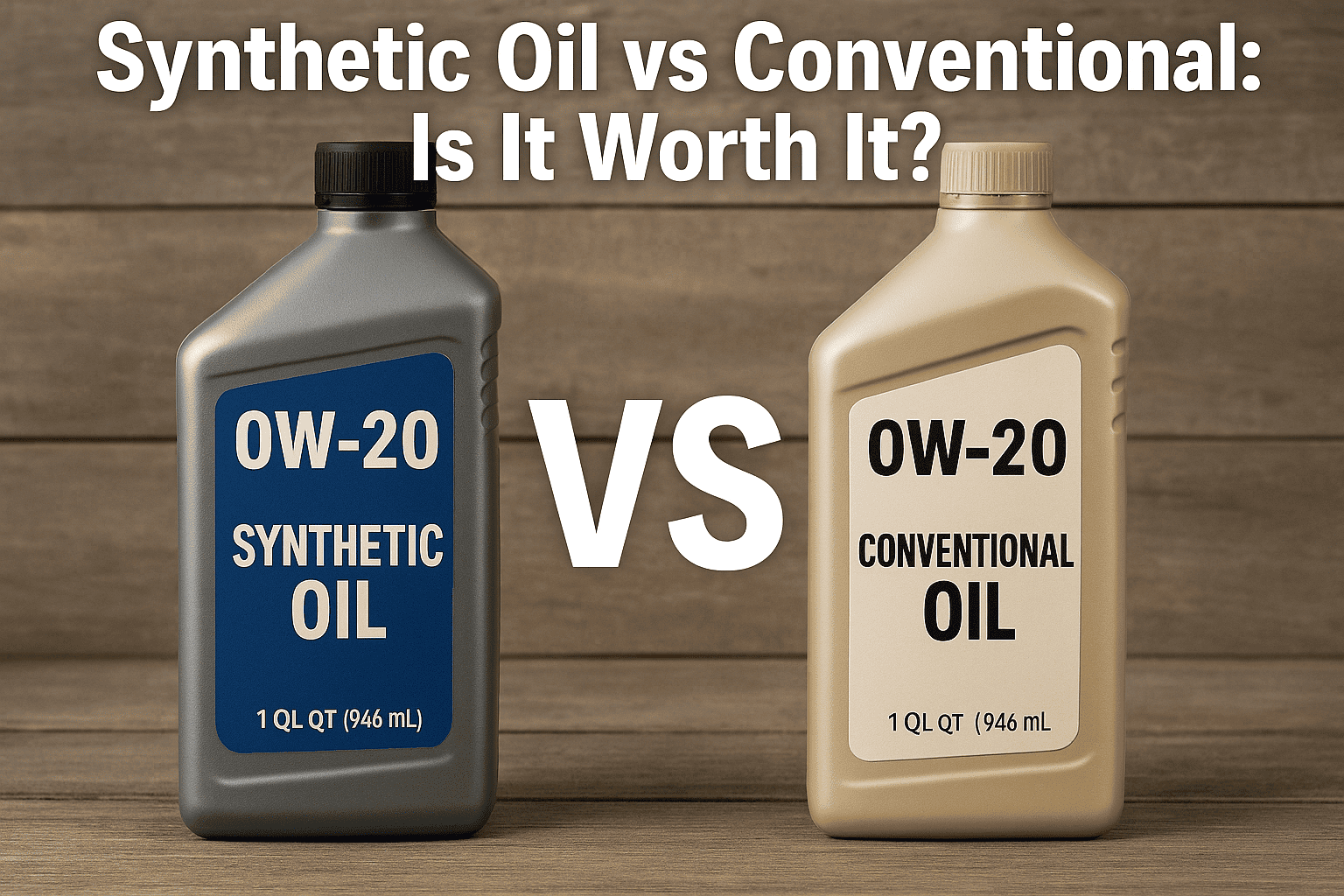
Synthetic blend alternatives deliver 70-80% of full synthetic benefits at 40-50% lower cost while reducing compatibility concerns for older equipment. High-performance conventional oils with advanced additive packages provide superior protection compared to standard formulations while maintaining complete compatibility with existing seals and systems across all equipment ages and conditions.
- ◆ Synthetic Blend Options providing enhanced protection with reduced compatibility risks
- ◆ High-Performance Conventional oils with advanced additive packages for superior protection
- ◆ Selective Synthetic Application for critical systems like hydraulics while maintaining conventional engine oil
- ◆ Gradual Fleet Upgrade replacing older equipment with synthetic-compatible models over time
- ◆ Enhanced Maintenance Protocols with increased monitoring and shorter intervals for improved protection
- ◆ Component Upgrade Programs replacing seals and filters to enable future synthetic conversion
Monitoring and Performance Optimization
Successful synthetic oil implementation in older equipment requires comprehensive monitoring programs that track performance improvements, identify optimization opportunities, and ensure continued compatibility. Regular oil analysis, system condition monitoring, and performance documentation provide essential data for optimizing lubrication programs and validating conversion benefits.
Continuous improvement protocols enable fine-tuning of synthetic oil programs based on real-world performance data and equipment-specific requirements. This approach maximizes return on investment while ensuring optimal equipment protection and operational reliability across diverse construction applications and operating environments.
- Oil Analysis Programs with quarterly testing and trend monitoring for performance validation
- System Condition Monitoring including leak detection, consumption tracking, and performance metrics
- Cost-Benefit Analysis documenting savings and performance improvements versus conversion investments
- Equipment Reliability Tracking measuring downtime reduction and maintenance interval optimization
- Performance Benchmarking comparing synthetic and conventional oil performance across similar equipment
- Continuous Improvement protocols for optimizing intervals, formulations, and maintenance procedures
Regulatory Compliance and Warranty Considerations
Synthetic oil conversions in older equipment must consider manufacturer warranty requirements, insurance policy specifications, and regulatory compliance standards that affect implementation decisions. Proper documentation and approved conversion protocols ensure continued warranty coverage while meeting safety and environmental requirements.
EPA emissions compliance requirements may benefit from synthetic oil conversion through improved engine cleanliness and reduced emissions output. However, conversions must follow manufacturer-approved procedures and maintain documentation to preserve warranty coverage and regulatory compliance across diverse construction applications and operating jurisdictions.
Strategic Decision Framework for Older Equipment Oil Management
The decision to convert older heavy equipment to synthetic oil requires comprehensive evaluation balancing performance benefits with implementation risks and costs. While synthetic oils offer significant advantages, proper compatibility assessment and conversion protocols are essential for achieving positive outcomes and avoiding costly failures in aging equipment portfolios.
Construction companies that carefully evaluate older equipment synthetic oil compatibility achieve superior lubrication program outcomes through informed decision-making and strategic implementation. Understanding compatibility requirements, conversion risks, and performance benefits enables optimal oil management that extends equipment life while controlling costs and improving operational reliability.
The construction industry's focus on equipment longevity and operational efficiency makes synthetic oil conversion evaluation essential for older equipment fleets. Operators who thoroughly assess compatibility and implement proper conversion protocols will achieve better operational outcomes while maximizing equipment value and minimizing unexpected maintenance costs.
Ready to Evaluate Synthetic Oil Conversion for Your Older Equipment?
Get professional compatibility assessment and conversion guidance for optimal lubrication program results.
Book a Demo