Importance of 18,000-Mile Vehicle Inspections
Comprehensive System Evaluation
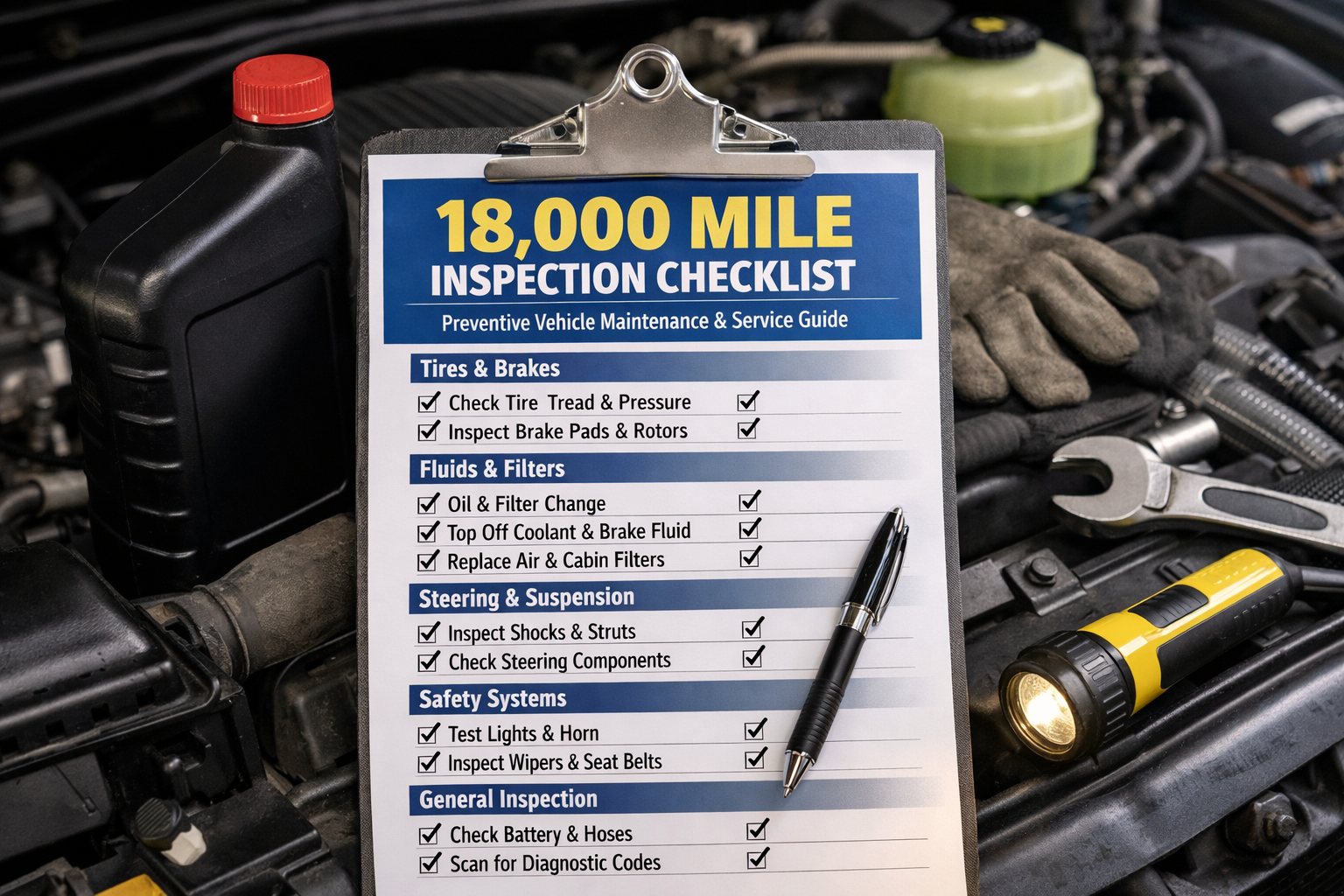
- The 18,000-mile interval provides thorough inspection of all major vehicle systems including engine, transmission, brakes, suspension, steering, and safety equipment. This comprehensive approach identifies interconnected issues and ensures complete vehicle health assessment. Sign up for free to automate 18K inspection scheduling and documentation across your fleet.
Critical Component Maintenance
- Regular 18K service includes essential maintenance tasks like fluid changes, filter replacements, and component adjustments that prevent premature wear and maintain manufacturer specifications. Timely service protects major system investments and ensures reliable performance.
Safety System Verification
- Comprehensive inspection verifies all safety-critical systems including brakes, steering, suspension, lighting, and emergency equipment function properly. Regular 18,000-mile checks ensure passenger and driver safety while maintaining regulatory compliance.
Preventive Maintenance ROI
- Systematic 18K inspections prevent major failures through early detection of wear and deterioration. This proactive approach reduces emergency repair costs, minimizes downtime, and extends overall vehicle service life, delivering strong return on maintenance investment. Schedule a demo to see how automated maintenance tracking maximizes your fleet's preventive maintenance ROI.
1. Air System
Air system component inspection:
2. Brakes & Suspension
Brake and suspension system comprehensive inspection:
3. Coach Exterior
Exterior component and safety equipment inspection:
4. Coach Interior
Interior systems and passenger safety verification:
5. Engine
Engine service and maintenance tasks:
6. Front Axle
Front axle and steering system inspection:
7. Fuel System
Fuel system component inspection and maintenance:
8. Heating & Air Conditioning
HVAC system comprehensive inspection:
9. Heating & Air Conditioning (Continued)
Additional HVAC system inspection items:
10. Power Train
Power train component inspection and service:
11. Rear Axle
Rear axle system inspection:
12. Road Test
Operational performance verification:
13. Suspension
Suspension system inspection and adjustment:
14. Transmission
Transmission system service and inspection:
Why Use Digital Fleet Management?
HVI App Benefits for 18,000-Mile Vehicle Inspections:
- ✓ Automated 18K mile service reminders based on vehicle odometer readings
- ✓ Track comprehensive inspection data across all vehicle systems
- ✓ Generate detailed maintenance reports for regulatory compliance
- ✓ Document road test results and operational performance
- ✓ Create automatic work orders for identified deficiencies
- ✓ Maintain complete service history accessible for audits and warranty claims
Frequently Asked Questions About 18,000-Mile Inspections
1. What makes the 18,000-mile inspection comprehensive?
The 18,000-mile service includes thorough evaluation of all major vehicle systems—air system, brakes, suspension, steering, engine, transmission, fuel system, HVAC, and safety equipment. This interval combines routine maintenance tasks like fluid changes and filter replacements with detailed component inspections, ensuring complete vehicle health assessment and optimal performance.
2. How long does an 18,000-mile inspection typically take?
A complete 18,000-mile inspection typically requires 4-6 hours of shop time, depending on vehicle condition and findings. This comprehensive service includes multiple system checks, fluid services, filter replacements, adjustments, and a road test to verify operational performance. Planning adequate downtime ensures thorough inspection without rushing critical safety checks.
3. What fluids and filters are changed during 18K service?
Standard 18,000-mile service includes engine oil and filter replacement, transmission fluid and filter service, fuel and water filter replacement, air filter inspection and possible replacement, and differential oil check. Additional fluids are inspected for level and contamination, with replacement as needed based on condition and manufacturer specifications.
4. Why is a road test included in the 18,000-mile inspection?
The road test verifies that all systems function properly under actual operating conditions. It confirms brake performance, transmission shifting, engine operation, steering response, suspension behavior, and identifies unusual noises or vibrations that may not be apparent during stationary inspection. Road testing ensures vehicles are truly roadworthy after service completion. Start your free trial to document road test results and track performance trends across your fleet.
5. What safety equipment must be verified at 18,000 miles?
Safety equipment inspection includes fire extinguisher presence and charge status, first aid kit completeness, triangular reflectors for roadside emergencies, all exterior and interior lighting systems, emergency exits and interlocks, seatbelts and restraints, mirrors and visibility equipment, and horn operation. Each item must meet regulatory requirements for passenger-carrying vehicles.
6. How does digital inspection software improve 18K service quality?
Digital systems provide standardized checklists ensuring no inspection items are missed, capture photo documentation of component conditions, track measurement data over time to identify trends, automatically schedule next service based on mileage, generate comprehensive reports for management and regulatory compliance, and maintain searchable service history accessible for warranty claims or accident investigations.
Take Action: Implement Comprehensive 18K Service
Download our FREE 18,000 Mile Inspection Checklist and establish thorough preventive maintenance across all vehicle systems. Digital inspection management ensures consistent service quality, complete documentation, and optimal vehicle reliability. Experience automated 18K mile tracking that schedules maintenance proactively, documents every inspection point, and provides fleet-wide performance insights for smarter maintenance decisions.
Comprehensive 18K Mile Service for Total Vehicle Health
Complete system inspection: air system, brakes, suspension, engine, transmission, HVAC, safety equipment—all documented digitally with road test verification for optimal performance and reliability.