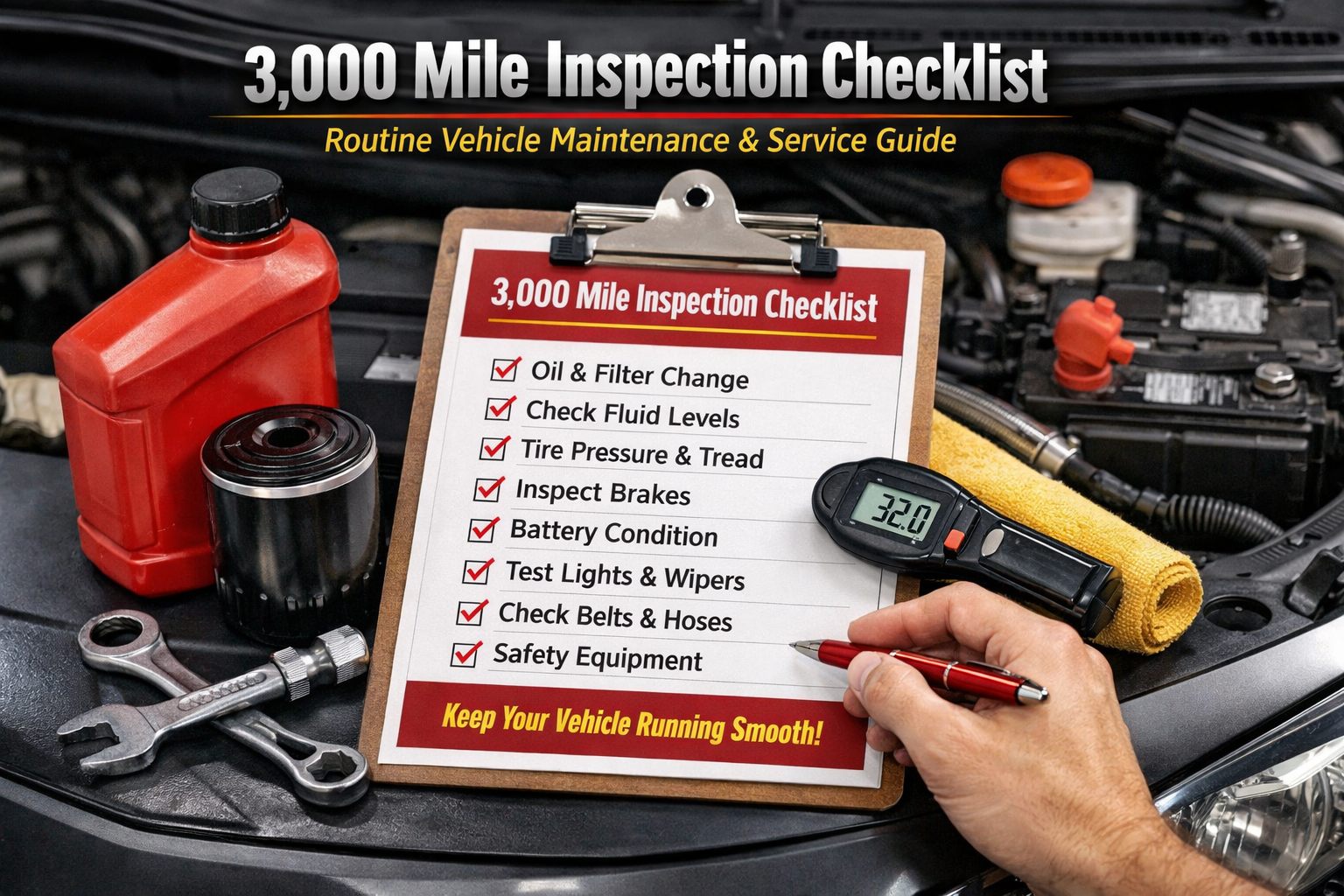
Importance of 3,000-Mile Vehicle Inspections
Frequent Inspection Benefits
- The 3,000-mile interval provides regular monitoring of wear-prone components including brakes, tires, fluids, and belts. This frequency is ideal for commercial vehicles experiencing accelerated wear from frequent operation, ensuring issues are caught early before they compromise safety or cause breakdowns. Sign up for free to automate 3K mile inspection reminders and maintain consistent service schedules.
Fluid & Lubrication Management
- Regular 3K service ensures proper fluid levels and quality across all systems—engine oil, transmission fluid, coolant, and hydraulics. Timely fluid checks and chassis lubrication prevent premature component wear and maintain optimal system performance under demanding operating conditions.
Safety System Verification
- Frequent inspection of brake systems, lighting, tires, and safety equipment ensures passenger and driver protection. The 3,000-mile interval catches developing safety issues quickly, preventing equipment from deteriorating to unsafe conditions between service intervals.
Commercial Operation Optimization
- For commercial fleets, 3K inspections maintain vehicle readiness and minimize unscheduled downtime. Regular service identifies developing problems before they cause roadside failures, keeping vehicles productive and revenue-generating while reducing emergency repair costs. Schedule a demo to see how automated 3K tracking maximizes fleet uptime and operational efficiency.
1. Brakes & Suspension
Critical brake and suspension system inspection:
2. Coach Exterior
Exterior component and safety system inspection:
3. Coach Interior
Interior systems and passenger safety verification:
4. Heating & Air Conditioning
HVAC system inspection and maintenance:
Why Use Digital Fleet Management?
HVI App Benefits for 3,000-Mile Vehicle Inspections:
- ✓ Automated 3K mile service reminders for every vehicle in your fleet
- ✓ Track fluid levels and consumption patterns over time
- ✓ Document chassis lubrication and maintenance completion
- ✓ Monitor tire pressure and tread depth measurements
- ✓ Generate work orders automatically for identified issues
- ✓ Maintain complete inspection history for warranty and compliance
Frequently Asked Questions About 3,000-Mile Inspections
1. Why is the 3,000-mile interval important for vehicle maintenance?
The 3,000-mile interval provides frequent monitoring of wear-prone components including brakes, tires, fluids, and belts. This frequency is especially important for commercial vehicles and fleets experiencing accelerated wear from constant operation, heavy loads, and frequent stops. Regular 3K service catches developing issues early, preventing minor problems from becoming major failures.
2. What fluids should be checked during 3,000-mile service?
Every 3K service should include checking engine oil level and condition, transmission fluid level and color, coolant level and concentration, rear axle oil level, power steering fluid, and brake fluid. All hoses and lines should be inspected for leaks. Fluid checks at this interval identify consumption patterns and potential leak sources before they cause system damage.
3. Is chassis lubrication necessary at every 3,000-mile service?
Yes, chassis lubrication is essential at 3K intervals for commercial vehicles and fleets. Regular lubrication of suspension components, steering linkage, and chassis points prevents premature wear, reduces friction, and maintains proper component operation. Frequent lubrication is especially critical for vehicles operating in demanding conditions or carrying heavy loads.
4. How long does a typical 3,000-mile inspection take?
A standard 3,000-mile inspection typically takes 1-2 hours, including fluid checks, chassis lubrication, tire inspection, brake adjustment verification, and safety equipment checks. Time requirements vary based on vehicle size, findings during inspection, and whether additional service work is needed. Efficient service scheduling minimizes operational downtime. Start your free trial to optimize 3K service scheduling across your entire fleet.
5. What brake system items are inspected at 3,000 miles?
Brake system inspection includes checking and adjusting brake settings, verifying slack adjuster operation, checking air chambers for leaks, testing parking brake function, and draining air tanks and carbon traps. This frequent inspection ensures brake systems remain within safe operating parameters and identifies adjustment needs before performance degrades.
6. How does digital tracking improve 3,000-mile service consistency?
Digital fleet management systems automatically schedule 3K service based on actual vehicle mileage, send proactive service reminders, provide standardized inspection checklists to ensure nothing is missed, track fluid consumption and component wear trends, generate immediate work orders for identified issues, and maintain searchable service history accessible for warranty claims or compliance audits.
Take Action: Maintain Consistent 3K Service
Download our FREE 3,000 Mile Inspection Checklist and establish regular preventive maintenance across your fleet. Digital inspection management ensures timely service scheduling, complete documentation, and consistent quality. Experience automated 3K mile tracking that keeps vehicles road-ready, prevents unexpected breakdowns, and maintains optimal fleet performance through systematic preventive care.
Keep Your Fleet Running with Regular 3K Service
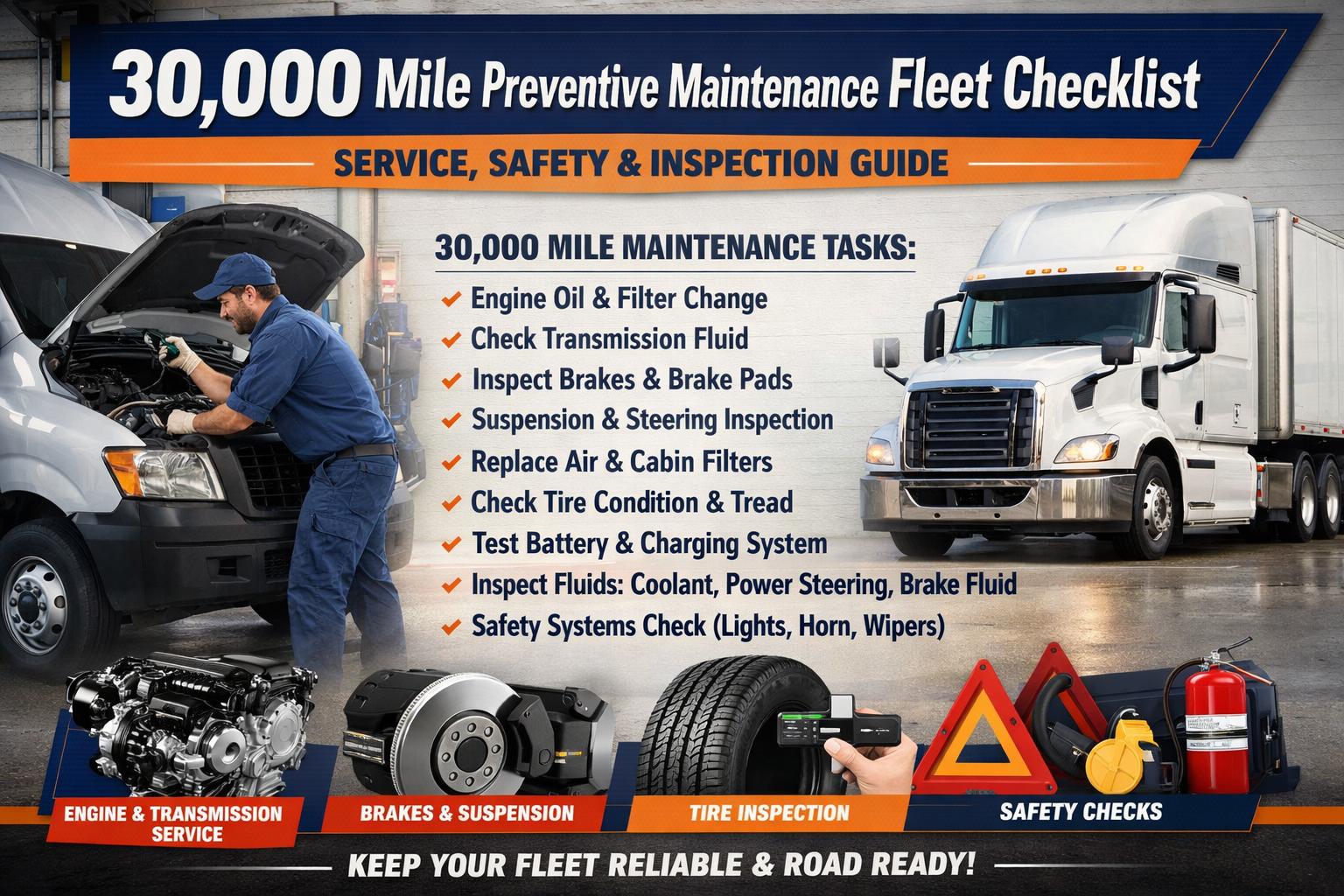
Routine 3,000-mile inspection: brakes & suspension, chassis lubrication, fluid checks, tire monitoring, HVAC systems—all tracked digitally for consistent preventive maintenance and optimal reliability.