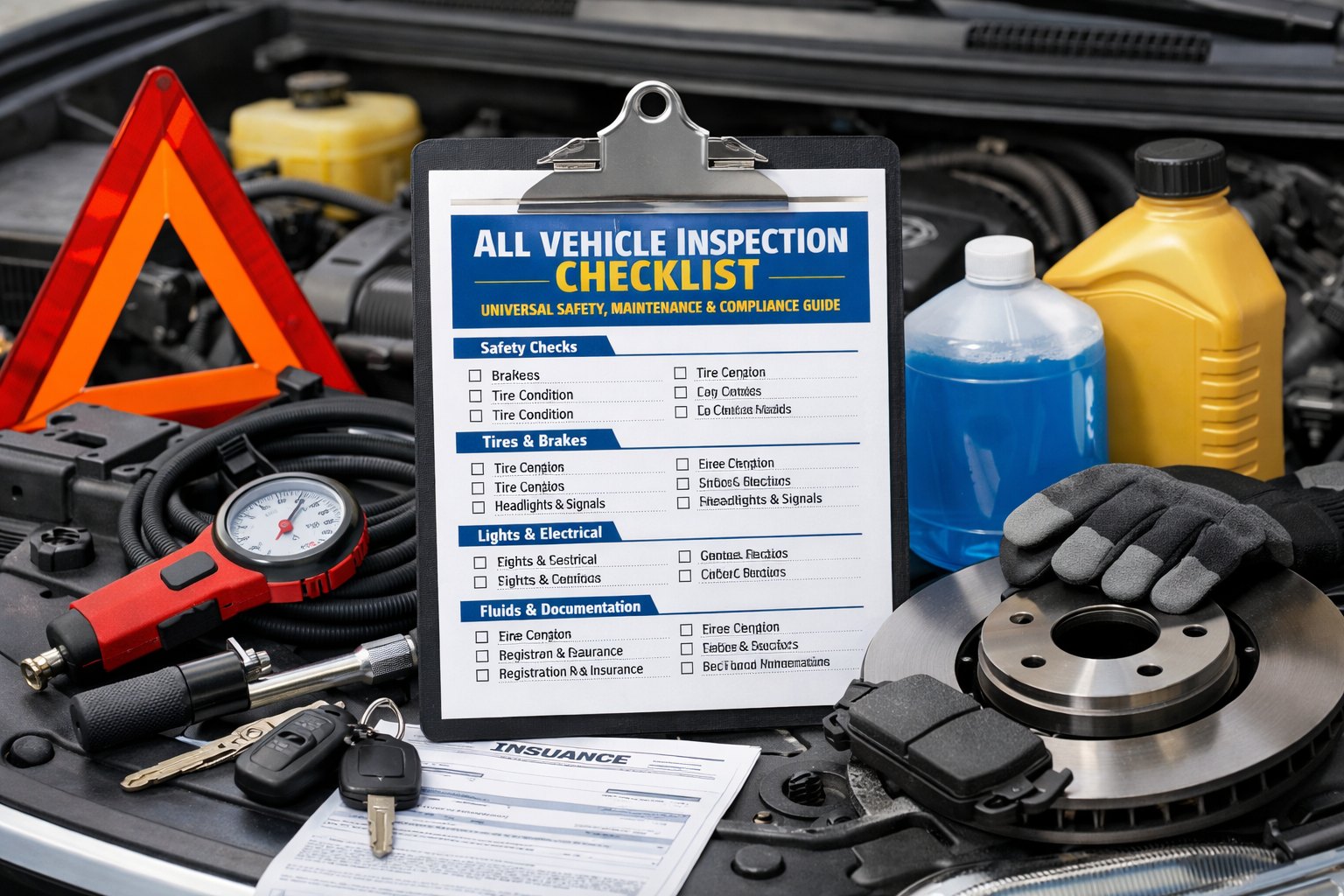
Importance of Universal Vehicle Inspections
Fleet Safety
- Systematic vehicle inspections identify safety hazards before they cause accidents, protecting drivers, passengers, and the public while reducing injury risk and insurance claims across your entire fleet.
Regulatory Compliance
- Documented vehicle inspections demonstrate compliance with DOT, OSHA, and state regulations, provide defensible records during audits, and protect your organization from regulatory penalties and violations. Start your free 14-day trial to maintain timestamped digital inspection records with photo documentation and automated compliance reporting.
Cost Management
- Proactive inspections catch minor issues before they become expensive repairs, reduce emergency breakdown costs, minimize vehicle downtime, and extend fleet asset life through preventive maintenance.
Operational Reliability
- Regular inspection programs ensure vehicles remain operationally ready, reduce unexpected failures during critical operations, improve fleet availability, and maintain productivity standards across your organization.
1. Documentation check
Essential documentation and record verification:
2. External check
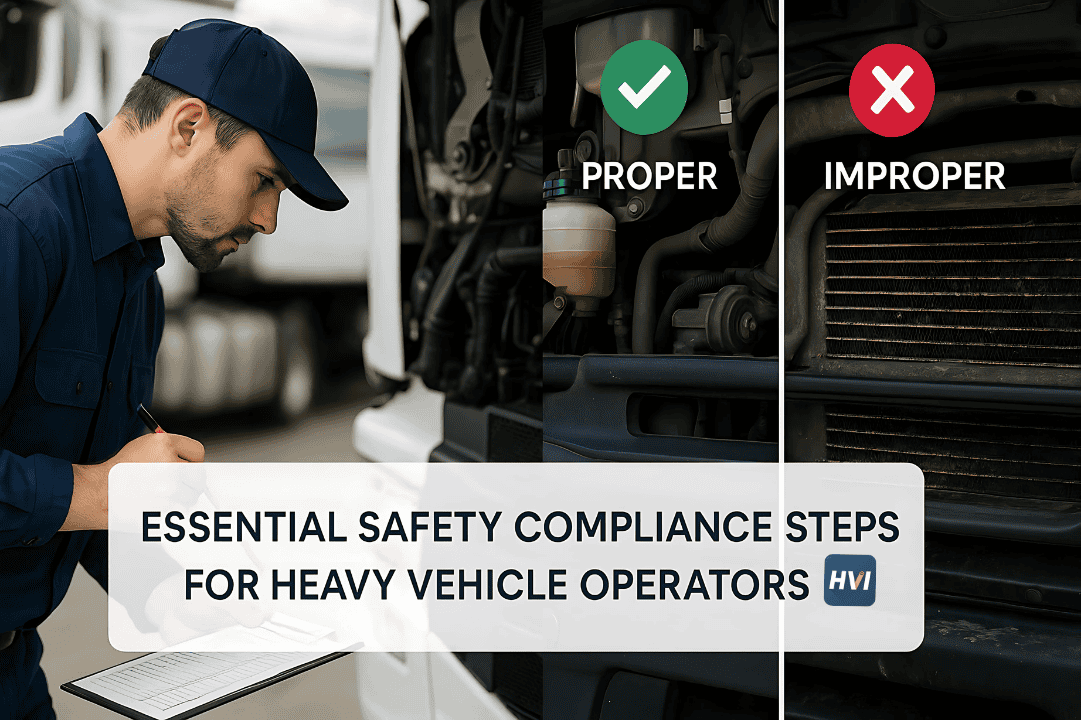
Comprehensive exterior inspection covering body, lights, and tires - exterior condition directly impacts safety, visibility, and roadworthiness. Systematic walk-around inspections identify damage, tire issues, and lighting failures before vehicles enter service. Schedule a 30-minute demo to see how mobile inspection apps with photo capabilities streamline exterior vehicle checks and create visual documentation of vehicle condition.
3. Internal check
Critical interior safety features and operational systems:
4. Maintenance check
Essential fluid levels, mechanical systems, and preventive maintenance verification:
Why Use Digital Fleet Management for Vehicle Inspections?
HVI App Benefits for Universal Vehicle Inspections:
- ✓ Standardize inspections across all vehicle types and classes
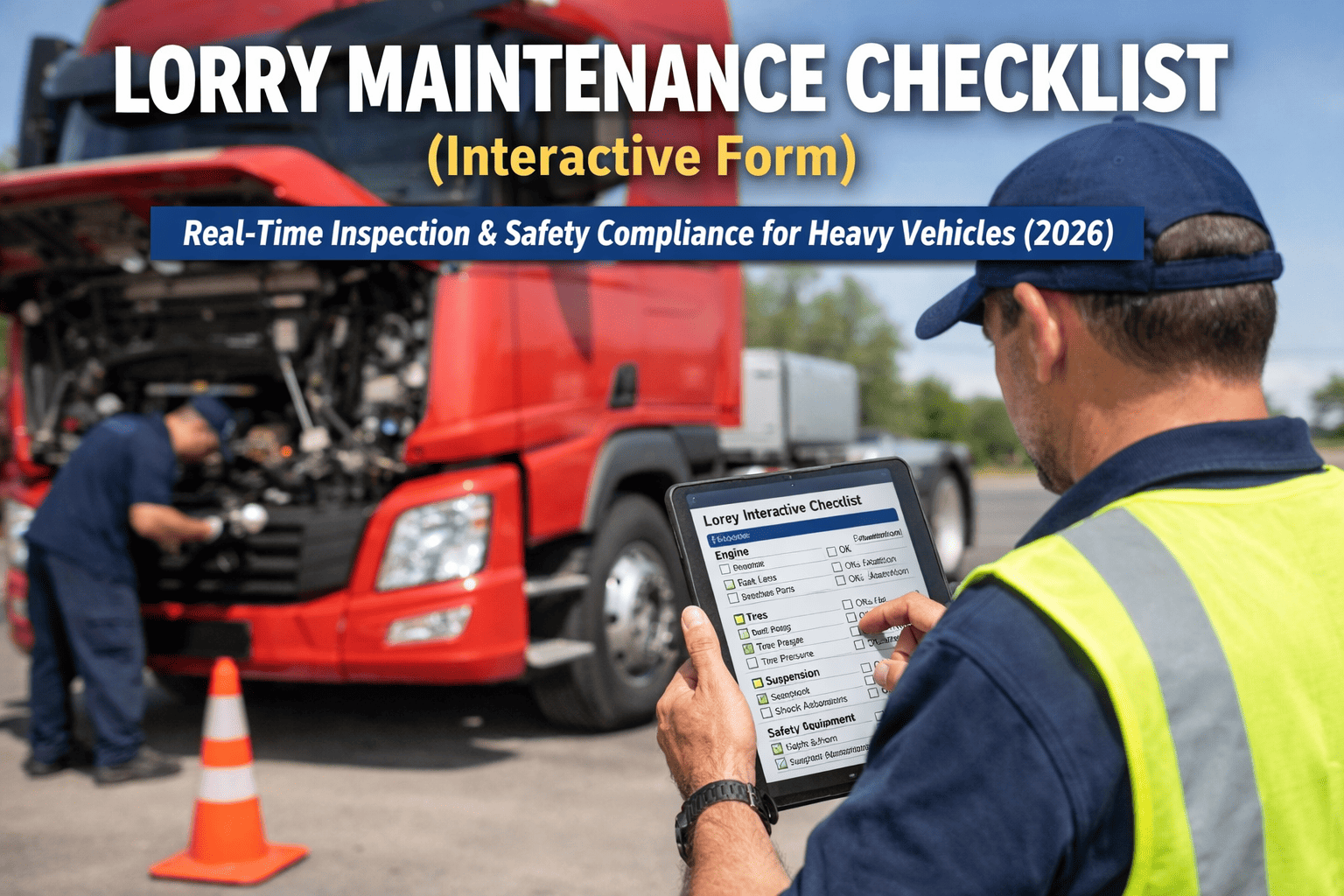
- ✓ Mobile inspection checklists accessible from smartphones and tablets
- ✓ Photo documentation integrated directly into inspection records
- ✓ Automated defect reporting and work order generation
- ✓ Real-time compliance tracking and audit-ready documentation
- ✓ Scheduled inspection reminders based on time or mileage intervals
Frequently Asked Questions About Vehicle Inspections
1. How often should vehicles be inspected?
Inspection frequency depends on vehicle type, usage, and regulations. Commercial vehicles typically require pre-trip inspections daily, comprehensive monthly inspections, and annual DOT inspections. Light-duty fleet vehicles often follow weekly or monthly inspection schedules based on company policy and risk management requirements.
2. What documentation should be kept in vehicles?
Vehicles should contain operator manuals, current registration and insurance documents, maintenance service history, accident report forms, and emission test certificates where applicable. Keeping these documents organized and accessible ensures regulatory compliance and provides critical information during inspections or emergencies.
3. What are the most critical safety items to check?
Critical safety items include brake system functionality, tire condition and pressure, all lighting systems (headlights, brake lights, turn signals), seat belts, windshield integrity, fluid levels (especially brake and coolant), warning lights on the dashboard, and emergency equipment like first aid kits and fire extinguishers.
4. Can drivers perform their own vehicle inspections?
Yes, drivers are typically required to perform pre-trip inspections focusing on safety-critical items. However, comprehensive mechanical inspections requiring fluid checks, under-hood examinations, and detailed assessments should be conducted by trained maintenance personnel who can identify and address technical issues properly.
5. How does digital inspection software improve compliance?
Digital inspection software creates timestamped, tamper-proof records that demonstrate due diligence during regulatory audits. It ensures inspections follow standardized procedures, automatically alerts managers to defects, tracks corrective actions, and generates comprehensive compliance reports that satisfy DOT, OSHA, and insurance requirements. Sign up for a free trial and get instant access to customizable vehicle inspection checklists, mobile capabilities, and automated compliance tracking - no credit card required for your 14-day trial period.
6. What should I do if a vehicle fails inspection?
Vehicles that fail inspection should be immediately removed from service and tagged as out-of-service until repairs are completed. Document all defects with photos and descriptions, create work orders for repairs, verify repairs are completed by qualified technicians, and conduct a re-inspection before returning the vehicle to active service.
Take Action: Implement Systematic Vehicle Inspections
Download our FREE All Vehicle Inspection Checklist and establish consistent inspection standards across your entire fleet. Digital fleet management eliminates paper forms, ensures inspection consistency, provides real-time visibility into vehicle condition, and creates the documentation needed for regulatory compliance and liability protection. Start building a safer, more efficient fleet operation today.
Standardize Inspections Across Your Entire Fleet
Complete coverage: documentation, exterior condition, interior safety, fluid levels, brakes, and lighting—all tracked automatically with digital fleet management.